
In the dynamic world of travel, understanding local time zones is far more than a mere curiosity; it’s a fundamental aspect of seamless trip planning, business efficiency, and maximizing leisure. When you ask, “What time is it in Portland, Oregon?” you’re not just seeking a current timestamp; you’re opening the door to a deeper understanding of how to immerse yourself fully in this vibrant Pacific Northwest city. For travelers, hoteliers, and anyone with a keen interest in tourism and lifestyle, grasping Portland, Oregon’s temporal rhythm is the first step toward a truly unforgettable experience.
Portland, Oregon, like much of the Western United States, operates on Pacific Standard Time (PST) during the winter months and Pacific Daylight Time (PDT) during the summer. This means you’ll be setting your watch to either UTC-8 or UTC-7, respectively. For those arriving from distant lands, say, from a European capital operating on Central European Time (CET) or an Asian hub, this time difference can be substantial, necessitating careful planning to mitigate the effects of jet lag and synchronize with local activities. From the moment your flight touches down at Portland International Airport to the last call at a craft brewery, every aspect of your Portland journey is dictated by the clock. This comprehensive guide will delve into the intricacies of Portland’s time zone, its profound impact on your travel itinerary, and how to best navigate the city’s myriad attractions, dining experiences, and accommodation options, ensuring every minute of your visit is well-spent.
Navigating the Pacific Time Zone: More Than Just a Number
Understanding Portland’s time zone is the bedrock of efficient travel planning. It’s not just about knowing what time it is now; it’s about anticipating how your internal clock will react and how local schedules will influence your Portland adventures.
Understanding Pacific Standard Time (PST) and Pacific Daylight Time (PDT)
Portland, Oregon, observes the Pacific Time Zone. This means during the standard time period, typically from early November to mid-March, the city is on Pacific Standard Time (PST), which is 8 hours behind Coordinated Universal Time (UTC-8) or Greenwich Mean Time (GMT-8). When Daylight Saving Time kicks in, usually starting the second Sunday in March and ending the first Sunday in November, Portland shifts to Pacific Daylight Time (PDT), making it 7 hours behind Coordinated Universal Time (UTC-7) or Greenwich Mean Time (GMT-7). This annual change is vital to remember, especially when booking flights, scheduling meetings, or making reservations from different time zones. For instance, someone on Eastern Standard Time (EST) in New York will find Portland three hours behind, while a traveler from London will experience an eight-hour difference during PST and seven hours during PDT. This seemingly simple detail can significantly impact arrival times, early morning conference calls for business travelers, or late-night calls back home for family trips.
Why Knowing the Time is Crucial for Your Portland Adventure
The current time in Portland dictates everything from your initial arrival logistics to your daily itinerary. Imagine landing in Portland International Airport after a long flight, only to realize your pre-booked hotel check-in is still hours away because you miscalculated the time difference. Or, for the business traveler, a crucial video conference with a team on the East Coast could be missed if the time conversion isn’t precise.
Beyond the practicalities, knowing the time is essential for optimizing your sightseeing. Landmarks like the Portland Art Museum have specific opening and closing hours, as do attractions such as the Oregon Zoo or Powell’s City of Books. Missing these windows can mean wasted time and missed opportunities. Dining reservations, especially for Portland’s popular eateries, are often snatched up well in advance, and showing up at the wrong time can leave you hungry. Happy hour specials at the city’s renowned craft breweries also operate within strict timeframes. Furthermore, adjusting to the local time effectively helps in combating jet lag, allowing you to fully enjoy the city’s unique local culture and vibrant pace without feeling perpetually tired. Understanding the rhythm of Portland enables you to schedule rest periods, meals, and activities in a way that aligns with your body’s natural clock and the city’s pulse, ensuring a more enjoyable and productive visit.

Portland’s Vibrant Pulse: Attractions and Experiences Around the Clock
Portland is a city that buzzes with energy from dawn till dusk and beyond. Your itinerary, carefully crafted around the city’s time zone, will allow you to savor its unique blend of urban charm and natural beauty.
Morning Charms and Midday Adventures
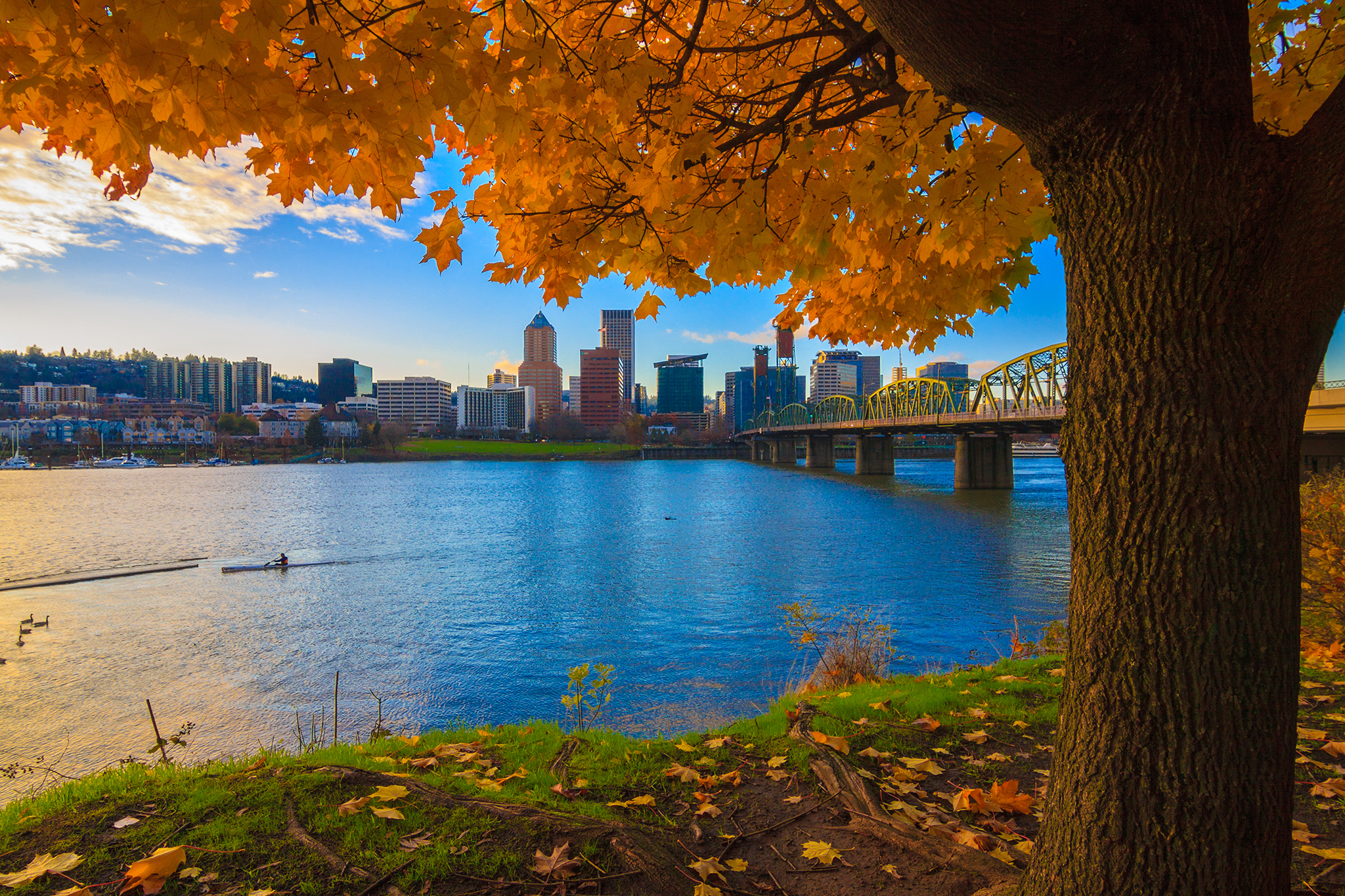
For the early riser, Portland’s mornings offer a refreshing start. The city’s legendary coffee culture is best experienced early, as independent cafes open their doors, brewing artisanal blends that awaken the senses. Grab a cup and take a stroll along Waterfront Park as the city comes to life, watching rowers glide down the Willamette River. By mid-morning, cultural attractions are ready to welcome visitors. The International Rose Test Garden, with its stunning views of Mount Hood and thousands of fragrant roses, is a perfect start. Nearby, the serene Portland Japanese Garden offers a tranquil escape, best enjoyed before the midday crowds.
As lunchtime approaches, Portland’s famed food truck pods become bustling hubs of culinary innovation, offering diverse and delicious options for a quick and satisfying meal. This is also an ideal time to explore the vast aisles of Powell’s City of Books, a true landmark and paradise for bibliophiles, or wander through the art galleries and boutiques of the trendy Pearl District. For those with a penchant for history and grand architecture, a visit to the Pittock Mansion not only offers a glimpse into Portland’s past but also provides some of the most breathtaking panoramic views of the city skyline, the Willamette River, and the majestic Cascade Range. All these activities benefit from careful time management, ensuring you get to experience them without feeling rushed or missing crucial opening hours.

Afternoon Delights and Evening Entertainment
Afternoons in Portland can be spent embracing nature or indulging in urban pleasures. Forest Park, one of the largest urban forests in the United States, offers miles of hiking and biking trails, a refreshing respite from city life. Alternatively, the Oregon Zoo, located within Washington Park, provides an engaging experience for families and wildlife enthusiasts.
As dusk settles, Portland’s culinary scene truly shines. Dinner reservations are highly recommended, especially for popular spots in the Pearl District or Nob Hill. From farm-to-table fine dining to quirky themed restaurants, the options are endless. No trip to Portland is complete without a stop at Voodoo Doughnut, a unique Portland institution that often has lines stretching down the block, even late into the evening. The city also boasts a vibrant craft brewery scene, with many establishments offering evening tastings and tours. For nightlife and entertainment, Portland offers live music venues, theaters, and comedy clubs. A leisurely evening stroll through Pioneer Courthouse Square, often referred to as Portland’s “living room,” provides a charming end to the day, with street performers and public art creating a lively atmosphere. Ensuring you’re aware of closing times for attractions and showtimes for entertainment is key to making the most of your evenings.
Seamless Stays: Accommodation and Lifestyle in Portland
Your choice of accommodation and how you integrate into Portland’s lifestyle are significantly influenced by the local time zone and your personal travel style.
Choosing Your Portland Home Away From Home
Portland offers a diverse range of hotels and accommodation options to suit every preference and budget. For those seeking luxury travel, properties like The Nines, a Luxury Collection Hotel, or Hotel Lucia in downtown Portland offer opulent suites and top-tier amenities. Boutique hotels, such as the Ace Hotel Portland in the Pearl District, provide a chic and unique experience. For budget travel, there are numerous affordable hotels and hostels, particularly in areas like the Hawthorne District or along major transit lines. Families might prefer apartment-style accommodations or vacation rentals that offer more space and cooking facilities.
When booking, always confirm check-in and check-out times relative to your arrival and departure flights. Early check-in or late check-out might be available for a fee or as a perk for loyalty program members, especially useful when dealing with significant time zone changes. Reading reviews and doing a thorough comparison of properties ensures you find the perfect fit, considering not just price and comfort, but also location relative to your planned activities and Portland’s public transport network, like the efficient MAX Light Rail. For long-term stays, apartments or villas can provide a home-away-from-home feel, allowing for a deeper immersion into the city’s local culture.
Practicalities for a Stress-Free Visit
Beyond accommodation, several practical tips can enhance your Portland experience. Utilize Portland’s excellent public transportation system, which includes the MAX Light Rail, streetcar, and bus network, to navigate the city efficiently without battling traffic or parking. Biking is also a popular mode of transport, with numerous bike lanes and rental options.
For dining, remember that Portland embraces a vibrant foodie culture, but popular restaurants often require reservations weeks in advance, particularly for peak dinner hours (roughly 6 PM to 9 PM PDT/PST). Weekends also bring the beloved Portland Saturday Market, an outdoor arts and crafts market that runs from morning till late afternoon, offering unique souvenirs and local food stalls. Always check their operating hours before planning your visit. Whether you’re on a budget travel adventure exploring food trucks or indulging in luxury travel with fine dining, aligning your plans with the local clock is paramount. Keeping an eye on local event calendars can also help you discover festivals, concerts, or special exhibitions that align with your travel dates and time in the city, adding another layer of depth to your Portland experience.
Maximizing Your Portland Journey: Time Management and Beyond
A successful trip to Portland isn’t just about what you do, but how you manage your time and adapt to the local rhythm. Thoughtful preparation can make all the difference.
Beating Jet Lag and Adapting to Local Rhythms
For international travelers or those crossing multiple time zones, jet lag can significantly impact the initial days of a trip. To minimize its effects, gradually adjust your sleep schedule a few days before departure. Hydrate well during your flight and try to adjust your watch to Portland time as soon as you board. Upon arrival, expose yourself to natural sunlight, especially in the morning, to help reset your internal clock. Even if you’re tired, try to stay awake until the local bedtime. Embrace early mornings for activities like hiking in Forest Park or visiting the International Rose Test Garden, and use later afternoons for more relaxed activities or napping if absolutely necessary. By consciously adapting to Portland’s time, you’ll feel more energized and able to fully enjoy the city’s attractions and local culture.
Essential Tools and Tips for Time-Savvy Travelers
In today’s digital age, numerous tools can assist with time zone management. Smartphone apps that automatically adjust to local time, world clock widgets, and online time zone converters are invaluable. Before your trip, download a reliable Portland-specific travel guide or use travel apps that provide real-time information on attraction opening hours, public transport schedules, and restaurant availability. Consider pre-booking tickets for popular landmarks and attractions like the Oregon Zoo or Pittock Mansion online to save time standing in lines. This is particularly useful during peak tourist seasons when crowds are larger.
Understanding peak hours for tourist spots and public transport can also help you plan. For instance, traveling on the MAX Light Rail during non-commute times will offer a more relaxed experience. If you are a business traveler, always double-check meeting times with colleagues in different time zones, ideally confirming the time in both locations to avoid any misunderstandings. For family trips, building in flexible time for spontaneous discoveries or unexpected delays is a wise strategy. By being a time-savvy traveler, you transform the question “What time is it in Portland, Oregon?” from a simple query into a cornerstone of a well-executed, enriching, and truly memorable Portland adventure. Portland awaits, ready for you to explore its wonders, perfectly timed.
LifeOutOfTheBox is a participant in the Amazon Services LLC Associates Program, an affiliate advertising program designed to provide a means for sites to earn advertising fees by advertising and linking to Amazon.com. Amazon, the Amazon logo, AmazonSupply, and the AmazonSupply logo are trademarks of Amazon.com, Inc. or its affiliates. As an Amazon Associate we earn affiliate commissions from qualifying purchases.