
Florida, the Sunshine State, beckons travelers with its pristine beaches, vibrant cities, and unique ecosystems. From the bustling streets of Miami to the enchanting theme parks of Orlando, and the historical charm of St. Petersburg, this diverse destination offers an unparalleled array of experiences. As visitors plan their itineraries, exploring local culture and cuisine often takes center stage. This curiosity extends to the natural world, particularly when it comes to fungi. The question, “Are mushrooms legal in Florida?” is more nuanced than it might initially appear, encompassing everything from gourmet culinary delights to the complexities of psychoactive substances and the burgeoning world of functional wellness. Understanding the legal landscape surrounding mushrooms is crucial for any responsible traveler or resident seeking to navigate Florida’s unique offerings safely and lawfully.

The topic of mushrooms in Florida can be broadly categorized into three distinct areas: culinary mushrooms, wild foraging, and psychoactive (psilocybin) mushrooms. Each category carries its own set of regulations and societal perceptions. While some mushrooms are celebrated for their gastronomic value and health benefits, others are strictly prohibited due to their mind-altering properties. This guide aims to demystify these distinctions, providing clear insights for those interested in everything from enjoying a delicious mushroom dish to understanding the legal implications of encountering fungi in the wild, all while keeping the focus on responsible tourism and an enriching travel lifestyle in Florida.
Understanding Florida’s Diverse Mushroom Landscape
Florida’s warm, humid climate and varied ecosystems, ranging from dense swamps to pine forests and coastal dunes, create fertile ground for a remarkable diversity of fungi. This abundance naturally sparks interest among food enthusiasts, nature lovers, and those curious about alternative wellness trends. However, this natural wealth also necessitates a clear understanding of what is permissible and what is not under state and federal government laws.
The Legality of Culinary Mushrooms in the Sunshine State
For the vast majority of visitors and residents, the most common interaction with mushrooms occurs in a culinary context, and here, the news is overwhelmingly positive. Edible mushrooms are unequivocally legal throughout Florida and are a staple in many kitchens, restaurants, and grocery stores.
Widespread Availability and Culinary Delights:
From button mushrooms to cremini, portobello, shiitake, and oyster mushrooms, these gourmet fungi are readily available at supermarkets, farmers’ markets like the Sarasota Farmers Market, and specialty food stores across the state. Florida’s diverse culinary scene, influenced by Latin American, Caribbean, and Southern traditions, frequently incorporates mushrooms into a variety of dishes. In cities like Tampa, Fort Lauderdale, and Gainesville, you’ll find innovative chefs utilizing these ingredients to enhance everything from seafood paellas to vegan stir-fries and hearty omelets. Many upscale hotels and resorts, renowned for their fine dining, prominently feature mushroom-centric dishes on their menus, catering to a sophisticated palate. Exploring these culinary offerings is an integral part of the travel experience in Florida, offering a taste of local flavors and gastronomic innovation.
Cultivation and Commerce:
The commercial cultivation and sale of edible mushrooms are entirely legal and regulated under standard food safety guidelines. This means you can confidently purchase and consume a wide array of delicious fungi without any legal concerns. For travelers interested in local food scenes, visiting a farmers’ market can be an engaging experience, allowing them to interact with local growers and sample fresh produce, including various legal mushroom varieties.
Foraging for Wild Mushrooms: A Traveler’s Guide
While purchasing culinary mushrooms is straightforward, the act of foraging for wild mushrooms introduces a layer of complexity. Florida’s natural environments are rich with fungi, and the idea of discovering wild delicacies can be appealing to adventurous travelers. However, this activity comes with significant caveats, primarily concerning identification and land ownership.
Safety First: The Perils of Misidentification:
The cardinal rule of mushroom foraging is simple: never eat a wild mushroom unless you are 100% certain of its identification by an expert. Florida is home to numerous species of mushrooms, some of which are delicious and harmless, while others are highly toxic, capable of causing severe illness or even death. Even experienced foragers can make mistakes, and many edible species have deadly look-alikes. For this reason, general tourism advice strongly discourages casual foraging for consumption.
Legal Aspects of Land Ownership:
Beyond safety, the legality of foraging depends heavily on where you are.
- Private Land: Foraging on private property without explicit permission from the landowner is trespassing and illegal.
- Public Lands: Rules vary significantly on public lands, such as state parks, national forests, and wildlife management areas. Foraging for personal consumption might be allowed in some areas with a permit or under specific regulations, while in others, it is strictly prohibited. For instance, in places like Ocala National Forest or portions of Everglades National Park, collecting natural resources, including fungi, is often restricted to protect the ecosystem. Always check with the specific park or land management authority before attempting to forage. Ignorance of the law is not an excuse.
For those interested in the natural history of fungi, guided nature walks focusing on mushroom identification (without consumption) can be a fascinating and safe way to explore Florida’s biodiversity. These tours often delve into the ecological role of mushrooms, their historical uses by Native Americans and European explorers in Spain‘s former territories, and the intricate web of life they support. Such experiences align perfectly with eco-tourism and educational travel.
The Complexities of Psilocybin (Magic Mushrooms) in Florida Law
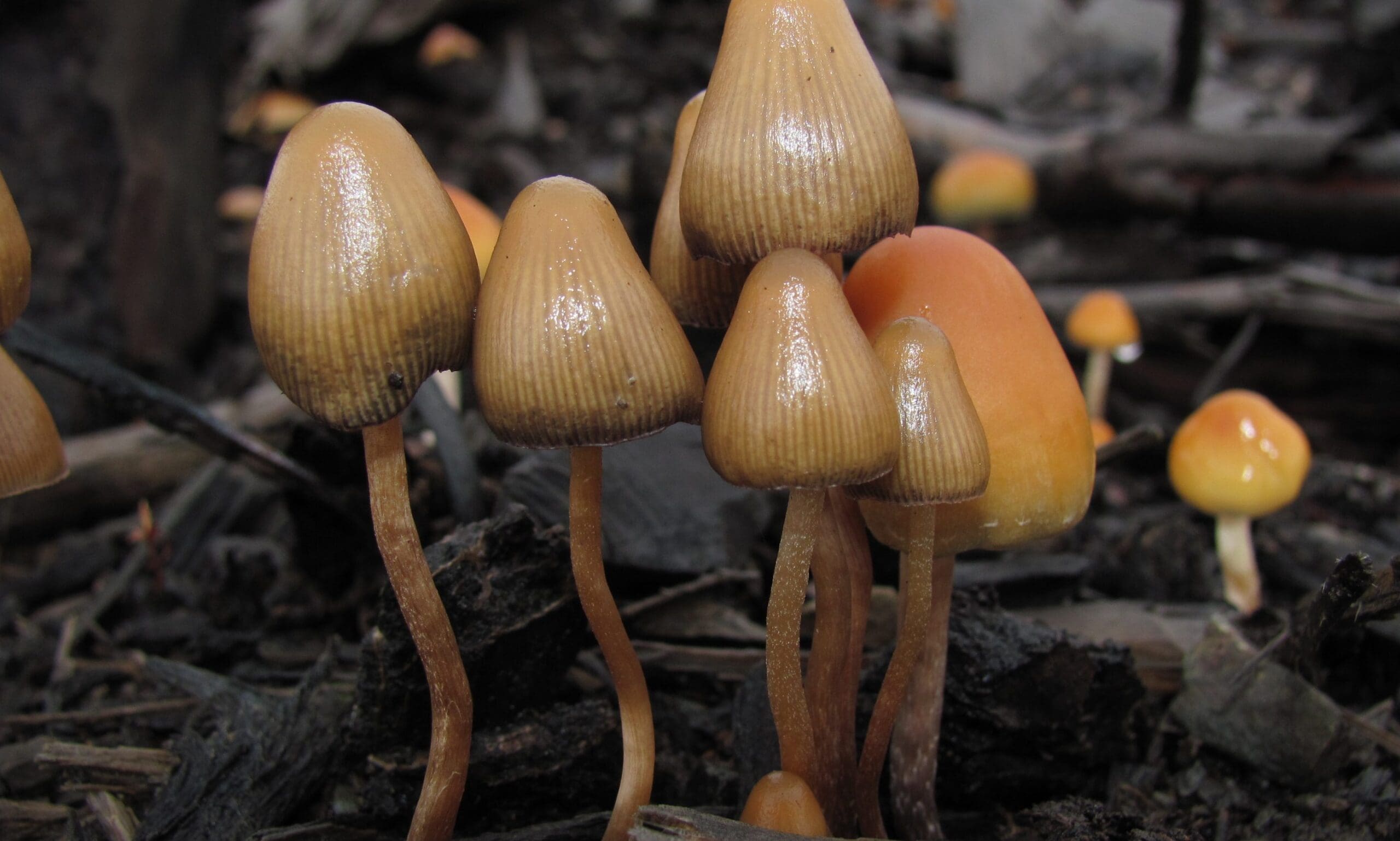
The most commonly debated aspect of mushroom legality revolves around psychoactive varieties, often referred to as “magic mushrooms,” which contain psilocybin. The legal status of these mushrooms in Florida is unequivocal: they are illegal.
Florida’s Stance on Psychoactive Fungi
Under both United States federal government and Florida state law, psilocybin and psilocin (the psychoactive compounds found in certain mushrooms) are classified as Schedule I controlled substances. This classification, outlined in the Controlled Substances Act, indicates that these substances have a high potential for abuse, no currently accepted medical use in treatment in the United States, and a lack of accepted safety for use under medical supervision. The Drug Enforcement Administration (DEA) rigorously enforces these regulations.
Strict Penalties for Possession and Cultivation:
In Florida, possession, sale, manufacturing, or delivery of psilocybin mushrooms carries severe penalties.
- Possession: Even a small amount can result in felony charges, leading to significant jail time, hefty fines, and a criminal record that can profoundly impact future travel, employment, and housing opportunities.
- Cultivation: Growing psilocybin mushrooms is also a felony, treated with similar gravity as possession.
- Spores: While psilocybin mushroom spores do not contain psilocybin and are therefore not illegal to possess in many states, Florida law is ambiguous and often interpreted aggressively by law enforcement. It is generally advisable to avoid possession of spores if they are intended for cultivation, as intent can be a critical factor in legal proceedings.
For travelers, this means exercising extreme caution. Even inadvertently coming across and picking what one thinks might be a magic mushroom in a field could lead to serious legal trouble if caught. The advice for anyone visiting or residing in Florida is to steer clear of psilocybin mushrooms entirely to avoid any legal entanglements that could derail a vacation or life plans.
Emerging Dialogues and Decriminalization Efforts
Despite the current strict laws, there is a growing national conversation around the potential therapeutic benefits of psilocybin, particularly for mental health conditions. This dialogue has led to decriminalization efforts in various jurisdictions across the United States, mirroring shifts seen with cannabis.
Local Initiatives in Florida:
While Florida has not seen statewide decriminalization or legalization of psilocybin, some local municipalities have begun to engage in discussions or pass resolutions. For example, some city commissioners in Miami-Dade County or Tallahassee have explored resolutions recognizing the potential therapeutic benefits of psychedelics, often urging state and federal lawmakers to reconsider their classification. However, these are largely symbolic gestures that do not change the immediate legal status. Decriminalization, where it occurs, typically means that penalties for possession of small amounts are reduced from felony charges to minor infractions or misdemeanors, often without jail time. It does not mean legalization, where the substance would be legal to sell, purchase, or consume openly.
The Current Reality for Travelers:
It is critical for anyone visiting Florida to understand that these discussions and local resolutions do not alter the current reality: psilocybin remains an illegal Schedule I controlled substance under both state and federal law. Travelers should not confuse ongoing policy debates with current legal allowances. The risks of engaging with psychoactive mushrooms in Florida are substantial and should not be underestimated.
Mushrooms Beyond Legality: Health, Wellness, and Florida Tourism
Beyond the clear-cut legal distinctions, mushrooms are also gaining significant traction in the health and wellness sphere. This segment presents an entirely different and legally permissible way to engage with fungi in Florida, aligning well with the state’s growing wellness tourism industry.
Medicinal and Functional Mushrooms: A Growing Trend
Functional mushrooms are varieties that offer health benefits beyond basic nutrition. Unlike psychoactive mushrooms, these are entirely legal and widely available. Their popularity is surging due to increasing research into their adaptogenic, immune-boosting, and cognitive-enhancing properties.
Popular Functional Mushrooms:
- Lion’s Mane: Valued for its potential to support brain health and cognitive function.
- Reishi: Often referred to as the “mushroom of immortality,” known for its immune-modulating and stress-reducing properties.
- Chaga: Rich in antioxidants, traditionally used to boost immunity and overall vitality.
- Cordyceps: Popular among athletes for its potential to enhance energy and endurance.
These mushrooms are commonly found in Florida in various forms: supplements, extracts, powders, coffees, and teas. They are sold in health food stores, pharmacies, and even some cafes, without any legal restrictions. The Food and Drug Administration (FDA) regulates these products as dietary supplements, ensuring they meet certain safety and labeling standards.
Connecting to Florida’s Wellness Tourism:
Florida is a hub for wellness tourism, offering luxurious spas, yoga retreats, holistic health centers, and nature-based therapies. The availability of functional mushroom products fits seamlessly into this lifestyle. Travelers seeking to enhance their well-being can easily find these legal and beneficial fungi integrated into various wellness offerings across the state, from boutique hotels emphasizing holistic health to resorts on the Gulf Coast or Atlantic Coast providing health-focused amenities. This growing segment represents a safe and enriching way for visitors to engage with the world of mushrooms while enjoying their Florida vacation.
Incorporating Mushroom Experiences into Your Florida Itinerary
For those fascinated by fungi, Florida offers several legal and enriching ways to explore this interest without crossing legal boundaries.
Culinary Exploration:
- Restaurant Dining: Seek out restaurants that highlight locally sourced ingredients, including specialty mushrooms. Many farm-to-table establishments in cities like Tampa and Orlando are excellent places to discover innovative mushroom dishes.
- Cooking Classes: Participate in cooking classes that focus on Florida cuisine, where you might learn to prepare dishes incorporating fresh, legal mushrooms. This is a fantastic way to immerse yourself in local culture and take a practical skill home.
- Farmers’ Markets: Visiting local markets, such as the Sarasota Farmers Market or markets in Key West, provides an opportunity to purchase a variety of edible mushrooms directly from growers and support local agriculture.
Educational and Nature-Based Activities:
- Nature Walks and Guided Tours: Many state parks and nature preserves offer guided walks led by naturalists who can teach about local flora and fauna, including the fascinating world of fungi. These tours focus on identification, ecological roles, and historical significance, strictly emphasizing observation rather than consumption. It’s a fantastic way to appreciate Florida’s natural beauty while learning responsibly.
- Botanical Gardens and Educational Centers: Institutions often host exhibits or workshops on mycology, providing valuable information in a controlled and educational environment.
These activities allow travelers to connect with Florida’s natural and culinary heritage in a safe, legal, and enriching manner, enhancing their overall travel experience.
Staying Informed and Safe While Exploring Florida
Understanding the legal status of mushrooms in Florida is paramount for a worry-free trip. The distinctions between culinary, functional, and psychoactive mushrooms are not merely academic; they carry serious legal implications.
Key Takeaways for Travelers and Residents
- Culinary Mushrooms are Legal: Enjoy a wide array of delicious and safe edible mushrooms found in grocery stores, restaurants, and markets. They are a legal and delightful part of Florida’s food scene.
- Foraging Requires Extreme Caution: While observing wild mushrooms is a beautiful part of nature tourism, foraging for consumption without expert guidance is highly dangerous due to toxic look-alikes. Furthermore, foraging on private land without permission or in many public parks is illegal. Always prioritize safety and legality.
- Psilocybin Mushrooms are Illegal: “Magic mushrooms” containing psilocybin are Schedule I controlled substances in Florida and the United States. Possession, cultivation, or distribution carries severe felony penalties. Do not engage with these substances under any circumstances.
- Functional Mushrooms are Legal and Beneficial: Products containing legal functional mushrooms like Lion’s Mane, Reishi, Chaga, and Cordyceps are legally available as health supplements and can be a positive addition to a wellness-focused lifestyle.

Resources for Responsible Mushroom Enthusiasts
For those genuinely interested in learning more about mushrooms, always refer to reputable sources:
- University Extension Programs: Florida universities often have agricultural extension programs that provide resources on local flora and fungi.
- Mycology Societies: Local mycology clubs can offer educational opportunities and guided forays with experienced mycologists (for identification and observation, not necessarily consumption of wild finds).
- Official Park Websites: Check the official websites for state parks, national forests, and other public lands for specific regulations on foraging and collecting.
- Legal Counsel: If you have any doubts about the legality of a specific situation, consult with a legal professional familiar with Florida’s drug laws.
In conclusion, Florida offers a rich tapestry of experiences for every type of traveler. When it comes to mushrooms, the key is informed and responsible engagement. By understanding the clear legal boundaries and embracing the safe and beneficial aspects of fungi, you can ensure your visit to the Sunshine State remains enjoyable, educational, and entirely within the bounds of the law. Whether savoring a gourmet dish in Miami or appreciating the ecological wonders of a forest floor, your mushroom experiences in Florida can be a fascinating part of your journey.
LifeOutOfTheBox is a participant in the Amazon Services LLC Associates Program, an affiliate advertising program designed to provide a means for sites to earn advertising fees by advertising and linking to Amazon.com. Amazon, the Amazon logo, AmazonSupply, and the AmazonSupply logo are trademarks of Amazon.com, Inc. or its affiliates. As an Amazon Associate we earn affiliate commissions from qualifying purchases.