
Embarking on a journey to the heart of the Deep South, many travelers often overlook a crucial detail that can significantly impact their itinerary: the local time zone. For those planning a visit to Alabama, understanding its time zone is more than just a trivial fact; it’s a cornerstone for seamless travel planning, from booking flights and hotels to scheduling tours and dining experiences. Alabama, a state rich in history, natural beauty, and vibrant culture, primarily operates on the Central Time Zone. This guide will delve into the specifics of Alabama’s timekeeping, explore the unique exceptions, and offer invaluable insights to ensure your trip is perfectly synchronized.
Understanding Alabama’s Time Zone: Central Time (CST/CDT)
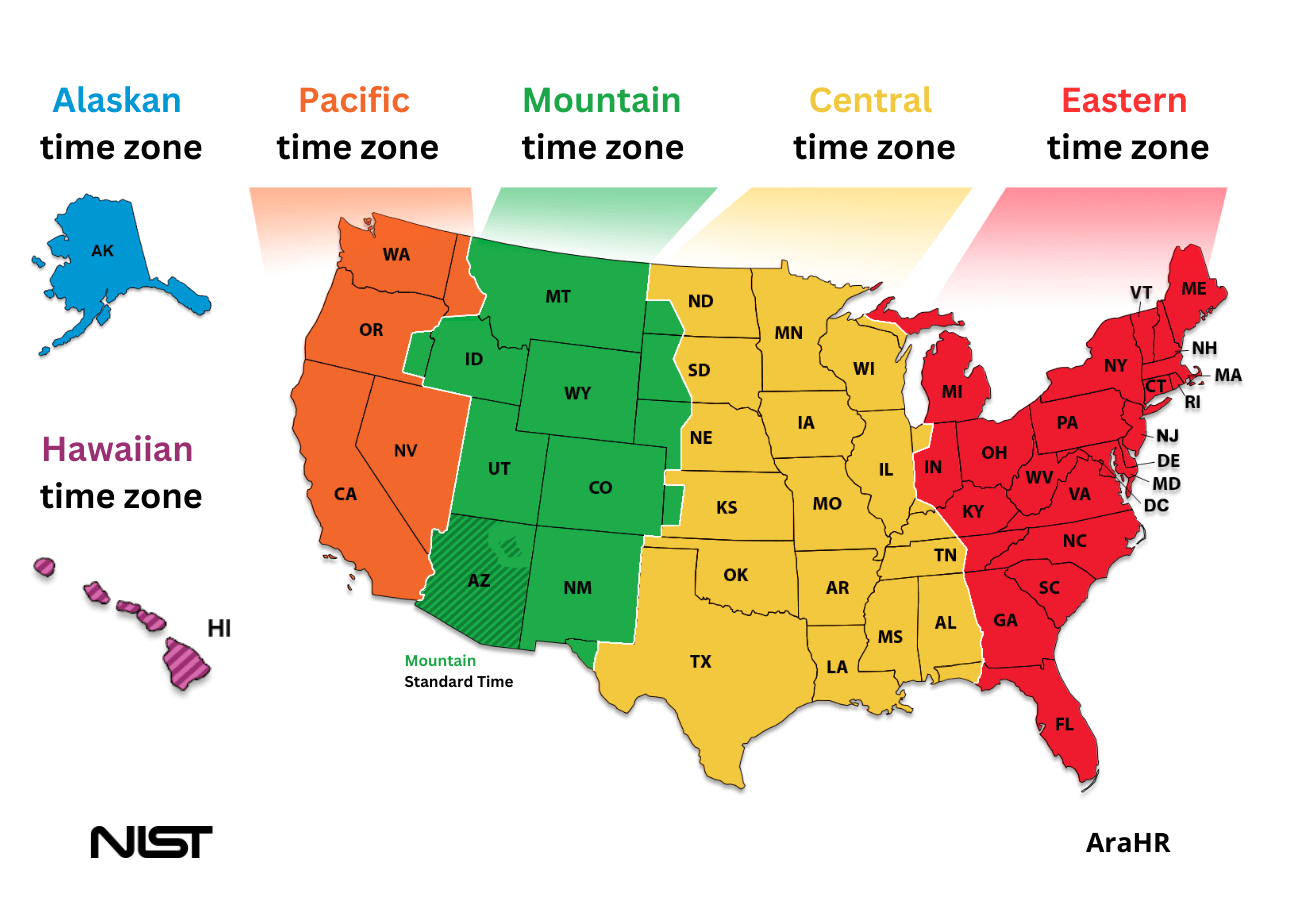
The vast majority of Alabama observes the Central Time Zone (CT), which encompasses a significant portion of the central United States. This means that for most of the year, when standard time is in effect, Alabama aligns with Central Standard Time (CST), which is Coordinated Universal Time (UTC) minus six hours (UTC-6). However, like many other regions globally, Alabama participates in Daylight Saving Time (DST).
The Basics: CST and Daylight Saving Time
During the spring and summer months, from early March to early November, Alabama switches to Central Daylight Time (CDT). This involves advancing clocks forward by one hour, effectively moving the time offset to UTC-5. The purpose of Daylight Saving Time is to make better use of daylight, pushing sunsets later in the evening and providing more daylight hours during the waking day.
For travelers, this biannual change is particularly important. If your trip spans the transition dates, you’ll need to adjust your internal clock and all scheduled activities accordingly. Modern smartphones and electronic devices typically update automatically, but it’s always prudent to double-check, especially for critical appointments like flight departures, hotel check-ins, or pre-booked tour timings. Missing a connection or an excursion due to a one-hour discrepancy can quickly turn a relaxing vacation into a stressful ordeal. Therefore, familiarizing yourself with the current time designation – whether CST or CDT – is the first step towards a smooth travel experience in the Yellowhammer State.
Why Time Zones Matter for Travelers
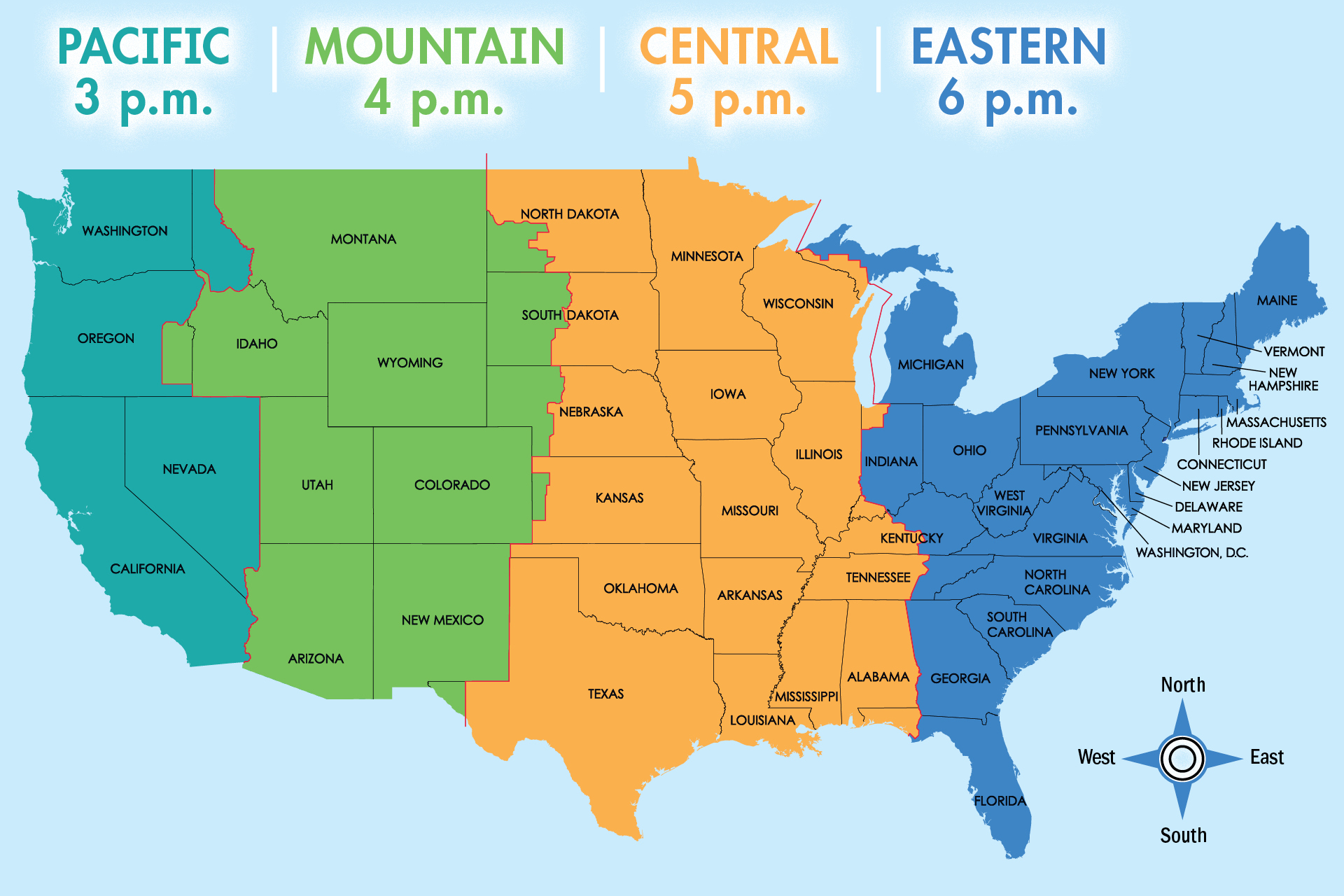
The seemingly simple concept of a time zone holds significant implications for anyone traveling, particularly when crossing state lines or dealing with transportation logistics. Imagine flying into Birmingham from the Eastern Time Zone. A flight scheduled to land at 3:00 PM Eastern Time would actually touch down at 2:00 PM Central Time, giving you an extra hour in the day – a pleasant surprise. Conversely, if you’re flying eastward, you’ll “lose” an hour.
This differential is critical when:
- Booking Flights and Ground Transportation: All departure and arrival times are typically listed in local time. Confirming whether the airline or train service is referencing the departure or arrival city’s local time, particularly if you have connecting flights, is paramount.
- Hotel Check-ins and Check-outs: Most hotels operate on strict check-in and check-out times. Arriving too early or too late can incur additional fees or delays. Knowing the exact local time ensures you arrive precisely when expected.
- Tour and Activity Schedules: Guided tours, museum visits, restaurant reservations, and attraction opening hours are all set to local time. Missing a booked slot due to time zone confusion can lead to disappointment and lost money.
- Business Meetings and Communications: For business travelers, adhering to local time is non-negotiable for punctuality and professional conduct. Synchronizing with local colleagues and clients ensures effective communication and meeting attendance.
By understanding that Alabama is predominantly on Central Time, travelers can proactively adjust their schedules, set their watches, and confirm all bookings in the correct local time, thereby minimizing any potential for confusion or missed opportunities.
Navigating Time Zone Nuances: The Phenix City Exception
While most of Alabama falls squarely within the Central Time Zone, there exists a fascinating and practical exception that merits special attention for any meticulous traveler: the unique case of Phenix City.
A Unique Border Situation
Phenix City, a charming city in Russell County, Alabama, is situated directly across the Chattahoochee River from Columbus, Georgia. This geographical proximity to its more populous Georgia neighbor has historically led to a practical decision: for the convenience of its residents and businesses, Phenix City unofficially observes Eastern Time, aligning itself with Columbus, Georgia, rather than the rest of Alabama.
This unofficial observance means that while legally Phenix City is in the Central Time Zone, in everyday life, clocks are often set to Eastern Time (EST/EDT). This makes it functionally one hour ahead of other Alabama cities like Montgomery or Birmingham.
Practical Implications for Visitors and Businesses
For travelers heading to Phenix City, this distinction is crucial. If you’re driving from another part of Alabama, be prepared to set your watch forward by an hour as you cross into Phenix City. Conversely, if you’re arriving from Georgia, you’ll likely find no change in time.
The reason for this unofficial alignment is largely economic and social. Many Phenix City residents work, shop, and socialize in Columbus, Georgia, and vice versa. Operating on the same time schedule simplifies daily life, business operations, and community integration across the state line. For example, if you’re booking a hotel in Phenix City or planning to visit local attractions such as the Phenix City Riverwalk, it is highly advisable to confirm the operating hours and any reservations based on Eastern Time.
Always confirm timings with local businesses, accommodation providers like the Comfort Inn & Suites Phenix City Columbus, or event organizers in Phenix City to avoid any scheduling mishaps. This minor geographical quirk provides a valuable lesson in the practicalities of time zones, especially in border regions.
Planning Your Alabama Adventure: Beyond the Clock
With the time zone logistics firmly in mind, you can now focus on the exciting aspects of planning your trip to Alabama. This diverse state offers an array of experiences, from historical deep dives to coastal relaxation and outdoor adventures, all waiting to be explored.
Top Destinations and Attractions
Alabama boasts a wealth of destinations, each offering a unique flavor of the South. In the northern part of the state, Huntsville, known as “Rocket City,” is home to the world-renowned Space & Rocket Center, a must-visit for space enthusiasts and families alike. Moving south, Birmingham stands as a vibrant hub of culture, cuisine, and history. Here, you can explore the Birmingham Museum of Art, delve into civil rights history at the Birmingham Civil Rights Institute, or enjoy panoramic city views from Vulcan Park and Museum.
The state capital, Montgomery, is steeped in the narrative of the Civil Rights Movement, with landmarks like the Civil Rights Memorial and the Rosa Parks Museum offering powerful educational experiences. Further south, coastal Mobile charms visitors with its historic district, antebellum homes, and the majestic USS Alabama Battleship Memorial Park.
For nature lovers, Alabama offers pristine beaches along the Gulf Shores and Orange Beach, perfect for relaxation or water sports. Inland, spots like Cheaha State Park, Alabama’s highest point, and the mystical Dismals Canyon provide opportunities for hiking, camping, and connecting with nature. Each of these destinations, while distinct in character, all adhere to the Central Time Zone, simplifying your multi-city itinerary.
Accommodation and Travel Logistics
Alabama offers a wide spectrum of accommodation options to suit every traveler’s budget and style, from luxurious resorts to cozy boutique hotels and family-friendly apartments. In the bustling cities, you’ll find internationally recognized brands like the Renaissance Birmingham Ross Bridge Golf Resort & Spa or the historic Battle House Renaissance Mobile Hotel & Spa. For those seeking charm and local character, boutique hotels in historic districts, such as the Hampton Inn & Suites Downtown Montgomery, provide a more intimate experience.
Along the coast, resorts like The Grand Hotel Golf Resort & Spa in Fairhope or The Lodge at Gulf State Park offer stunning views and a plethora of amenities. When booking, always double-check the check-in and check-out times, which will invariably be in Central Time, to align with your travel plans. Utilizing travel guides and online platforms for reviews and comparisons can help you find the perfect stay. Remember that flexibility and advance booking, especially during peak seasons or major events in cities like Auburn or Tuscaloosa, are key to securing your preferred accommodation.
Experiencing Alabama’s Lifestyle and Culture
Beyond its landmarks, Alabama’s true charm lies in its vibrant lifestyle and rich cultural tapestry. The state is a melting pot of Southern hospitality, soulful music (especially jazz and blues), and a distinctive culinary scene. Indulge in classic Southern comfort food, from barbecue and fried green tomatoes to fresh Gulf seafood. Explore local markets, discover live music venues, or embark on a culinary tour.
For those interested in the human story, follow the Alabama Civil Rights Trail, connecting seminal sites in Montgomery, Birmingham, and Selma. This immersive experience offers profound insights into a pivotal era in American history. Families will find a wealth of activities, from interactive exhibits at science museums to outdoor adventures in state parks. Whether you’re seeking a luxury travel experience, a budget-friendly road trip, or a family-focused vacation, Alabama offers a lifestyle that caters to diverse interests, all while operating on a consistent time rhythm across the state (with the noted exception of Phenix City).
Practical Tips for a Seamless Trip to Alabama
A successful trip to Alabama hinges not just on knowing the local time zone, but on integrating that knowledge into all facets of your travel planning. A few practical tips can make all the difference, transforming potential confusion into a perfectly synchronized adventure.
Essential Planning Considerations
- Confirm Daylight Saving Dates: Always be aware of when Daylight Saving Time begins and ends in the United States. If your travel dates fall around these transitions (typically the second Sunday in March and the first Sunday in November), double-check all scheduled timings.
- Use Local Time for All Bookings: When making reservations for flights, hotels, car rentals, tours, and restaurant bookings, ensure you are always referencing the local time of the specific destination within Alabama. If booking from a different time zone, mentally convert or use an online time zone converter to prevent errors.
- Set Device Clocks Automatically: Most modern smartphones and smartwatches are set to automatically update their time zones. Verify that this feature is enabled before your trip. However, also carry a traditional watch or have a backup method to check the time, just in case.
- Carry a Written Itinerary: While digital tools are convenient, a printed itinerary with confirmed local times for all your activities can be a lifesaver, especially if you encounter connectivity issues. Highlight key timings that involve time zone changes.
- Inform Contacts of Your Time Zone: If you’re coordinating with family, friends, or colleagues who are not traveling with you, make sure they are aware that you will be in the Central Time Zone (or Eastern Time if you’re in Phenix City) to avoid miscommunications when scheduling calls or messages.
Maximizing Your Stay
Leveraging travel guides and resources available on platforms like lifeoutofthebox.com can further enhance your Alabama experience. These resources often provide detailed insights into specific destinations, recommended attractions, and practical advice tailored for various types of travelers. Understanding local customs and the pace of life in Alabama will also contribute to a more enjoyable and authentic journey. The relaxed Southern pace might mean that things move a little slower than you’re used to, offering a refreshing change from the hustle and bustle of city life.
By keeping these time zone considerations and practical travel tips in mind, your visit to Alabama will be as smooth and enriching as the gentle flow of the Alabama River. From the historic streets of Montgomery to the serene beaches of Gulf Shores, every moment will be perfectly timed for you to discover the charm and beauty of this unforgettable Southern state.
LifeOutOfTheBox is a participant in the Amazon Services LLC Associates Program, an affiliate advertising program designed to provide a means for sites to earn advertising fees by advertising and linking to Amazon.com. Amazon, the Amazon logo, AmazonSupply, and the AmazonSupply logo are trademarks of Amazon.com, Inc. or its affiliates. As an Amazon Associate we earn affiliate commissions from qualifying purchases.