
Imagine the quintessential California scene: sun-drenched beaches, a convertible cruising down a coastal highway, and everywhere you look, towering palm trees swaying gently against a brilliant blue sky. From the glamorous boulevards of Hollywood to the serene desert oases of Palm Springs, these iconic trees are synonymous with the Golden State, embodying its laid-back luxury, vibrant lifestyle, and perpetual summer. For travelers planning a visit, the image of California is almost incomplete without them. But amidst this pervasive imagery, a fascinating question arises: are these beloved palm trees truly native to California, or are they more recent arrivals, integral to the state’s constructed paradise?
The answer, surprisingly, is a nuanced one. While palms are an undeniable part of California’s identity, only one species can claim to be truly indigenous: the California Fan Palm, scientifically known as Washingtonia filifera. The vast majority of the palms gracing the avenues and skylines of cities like Los Angeles and San Diego were introduced, strategically planted to cultivate the very image of paradise that draws millions of tourists each year. Understanding this distinction enriches the travel experience, offering a deeper appreciation for the state’s natural history, ambitious urban planning, and the enduring allure of its landscaped destinations. This exploration into the origins of California’s palms delves into history, highlights key landmarks, and guides travelers through the diverse landscapes where these majestic trees, both native and introduced, thrive.

The Historical Roots of California’s Iconic Palms
The story of California’s palm trees is a journey through time, revealing a blend of ancient natural presence and ambitious human intervention that transformed the state’s landscape and cultural identity. It’s a tale crucial for any traveler seeking to understand the true essence of this iconic American destination.
The True Native: Washingtonia Filifera
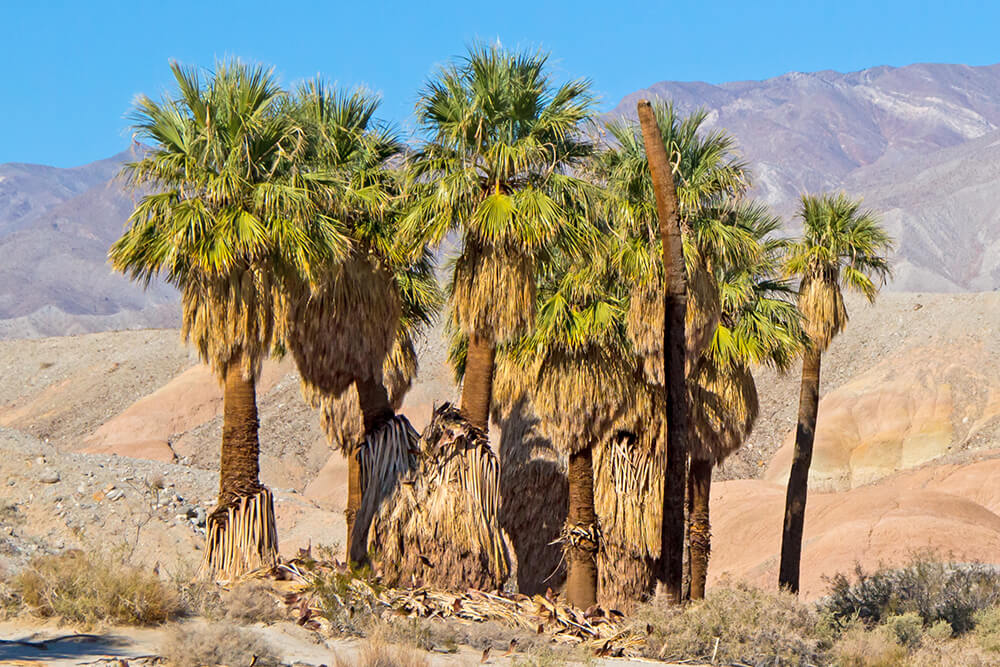
The undisputed native palm of California is the California Fan Palm (Washingtonia filifera), a majestic tree that stands as a living testament to the state’s ancient ecosystems. These impressive palms are easily recognizable by their thick, sturdy trunks and large, fan-shaped fronds that often form a “skirt” of dried leaves around the trunk if not groomed. Unlike their more manicured cousins, native California Fan Palms are primarily found in specific ecological niches, thriving in the arid desert regions where natural water sources, such as springs and fault lines, create life-sustaining oases.
For travelers interested in eco-tourism and exploring California’s natural wonders, encountering the California Fan Palm in its natural habitat is a truly special experience. Notable locations include Anza-Borrego Desert State Park, where remote canyons hide lush palm oases, and Joshua Tree National Park, where they punctuate the stark desert landscape. The Coachella Valley, particularly areas around Palm Desert, also boasts magnificent stands of these native giants. Historically, the Cahuilla people and other indigenous tribes of the region relied heavily on these palms for sustenance, shelter, and materials, making them not just a botanical wonder but also a deeply significant cultural landmark. Visiting these natural groves offers a glimpse into a California that existed long before the modern urban sprawl, connecting travelers to the ancient rhythms of the land.
The Era of Introduction: Shaping the Golden State’s Landscape
While the California Fan Palm held its quiet dominion in desert oases, the widespread image of palm-lined streets began to take shape much later, largely through deliberate human effort. The late 19th and early 20th centuries marked a pivotal period for California’s landscape, as horticulturists, city planners, and developers sought to transform the dry, dusty terrain into a lush, Mediterranean-inspired paradise. This ambition was particularly pronounced in the lead-up to the 1932 Olympics in Los Angeles, when thousands of palm trees were planted along major boulevards to present a grand, exotic image to the world.
The most prominent introduced species, and often confused with the native variety, is the Mexican Fan Palm (Washingtonia robusta). Taller and slenderer than its native cousin, the Mexican Fan Palm grows rapidly, making it an ideal choice for quickly creating dramatic, vertical accents in urban settings. Other significant introductions include the Date Palm (Phoenix dactylifera), brought for its fruit-bearing capabilities, and the majestic Canary Island Date Palm (Phoenix canariensis), valued for its grand stature and lush crown. These introduced species flourished in California’s mild climate, quickly becoming emblematic of the state’s aspirational identity. This concerted effort to beautify and exoticize California not only laid the foundation for its iconic aesthetic but also played a crucial role in boosting tourism, cementing the state’s reputation as a glamorous, sun-soaked destination. For any visitor, understanding this history reveals the intentional craftsmanship behind California’s famous vistas, blending nature with human ingenuity.
Palm-Lined Paradises: Iconic Californian Destinations
The allure of California is inextricably linked to its palm-adorned landscapes. These trees, whether native or introduced, have become fundamental components of the state’s most iconic destinations, defining their character and drawing travelers from around the globe.
Los Angeles: The Epitome of Palm Glamour
Los Angeles stands as the quintessential city of palms, where the towering trees are not merely flora but essential elements of its cinematic identity. Driving down Sunset Boulevard or through the manicured streets of Beverly Hills and Santa Monica, visitors are immersed in a scene straight out of a movie. The rhythmic planting of palms creates stunning vistas that complement the city’s diverse architecture, from historic Art Deco buildings to sprawling modern mansions and luxurious resorts.
For travelers seeking a taste of the quintessential California lifestyle, Los Angeles offers unparalleled experiences. The palms here are a backdrop to celebrity sightings, high-end shopping, and vibrant cultural attractions. Many of the city’s most famous hotels incorporate palms into their design, creating an atmosphere of exclusive luxury. Imagine lounging by a palm-fringed pool at The Beverly Hills Hotel or enjoying a secluded retreat amidst lush foliage at Hotel Bel-Air. These landmarks, framed by the ubiquitous palms, are not just places to stay but destinations in themselves, offering a glimpse into the opulent side of California travel.
Palm Springs and the Coachella Valley: Desert Oasis Dream
East of Los Angeles, the Coachella Valley and its jewel, Palm Springs, present a different, yet equally captivating, palm experience. Here, the palms take on a dual role: they are both part of the natural desert ecosystem, with genuine native California Fan Palm oases, and central to the city’s mid-century modern aesthetic. Palm Springs blossomed as a celebrity playground and resort town, leveraging the dramatic beauty of the desert landscape and the architectural trends of the 1950s and 60s.
Visitors to Palm Springs can explore breathtaking natural oases like those found in Indian Canyons, where ancient California Fan Palms thrive along desert streams, offering a serene escape. Beyond these natural wonders, the city itself is a testament to the power of landscaping, with meticulously planned palm-lined streets leading to golf courses, boutique hotels, and stylish villas. The Palm Springs Aerial Tramway provides panoramic views of this verdant valley, studded with palms against the rugged mountain backdrop. Palm Springs is a destination for relaxation, outdoor activities, and vibrant cultural events, including the famous Coachella Music Festival, all underscored by the omnipresent palms that evoke a sense of exotic luxury and tranquil escape.
San Diego: Coastal Charm with a Palm Touch
Further south, San Diego offers a coastal interpretation of California’s palm aesthetic. While Los Angeles embraces a more urban glamour, San Diego exudes a relaxed, laid-back charm, where palms enhance the natural beauty of its beaches and bayfronts. The city’s iconic landmarks and attractions, from the sprawling greenery of Balboa Park to the pristine shores of Coronado Island and the picturesque cliffs of La Jolla, are all beautifully framed by various palm species.
In San Diego, palms contribute to the feeling of an endless summer, complementing the Spanish Colonial Revival architecture and the city’s outdoor-centric lifestyle. They line the promenades of popular beaches, cast dappled shadows over outdoor cafes, and add a resort-like ambiance to family-friendly attractions. A stay at the historic Hotel del Coronado provides an iconic experience, with its red-roofed grandeur set against a backdrop of golden sands and swaying palms. San Diego offers a diverse range of travel experiences, from surfing and sailing to exploring world-class museums and dining, with palm trees serving as a constant reminder of its unique blend of natural beauty and cultivated charm.
Experiencing California’s Palm Legacy: Travel Tips and Accommodation
For travelers eager to immerse themselves in California’s palm-infused landscapes, strategic planning can enhance the experience, from choosing the right destination to selecting accommodation that perfectly captures the desired aesthetic.
Choosing Your Palm Experience: From Urban Glamour to Desert Retreats
The diversity of California’s palm-dotted regions means there’s an experience for every type of traveler.
- Urban Glamour: If your ideal trip involves luxury travel, vibrant city life, and iconic landmarks, focusing on Los Angeles is a must. Here, the palms are intertwined with the city’s fashion, entertainment, and culinary scenes. You can combine visits to famous studios and museums with strolls down palm-lined avenues. Upscale hotels like The Ritz-Carlton, Los Angeles offer prime locations and luxurious amenities, often with spectacular views of the cityscape framed by palms.
- Desert Retreats: For those seeking relaxation, spa treatments, golf, and a unique mid-century modern vibe, Palm Springs and the surrounding Coachella Valley are unparalleled. This region is perfect for budget travel during off-peak seasons or indulging in luxury stays at boutique hotels like Parker Palm Springs. Don’t miss the opportunity for eco-tourism by exploring the natural palm oases in Indian Canyons or Anza-Borrego Desert State Park, offering a tranquil contrast to the cultivated glamour.
- Coastal Charm: If your preference leans towards beaches, outdoor activities, and a more relaxed pace, San Diego offers a delightful blend. Family trips thrive here, with attractions like Balboa Park and the beautiful beaches of Coronado Island and La Jolla. Accommodation options range from grand resorts like Loews Coronado Bay Resort to charming beachfront apartments, all benefiting from the picturesque palm backdrop.

Regardless of your chosen destination, embracing the lifestyle that palms evoke—one of leisure, beauty, and perpetual sunshine—is key to a truly Californian experience.
Finding the Perfect Palm-Adorned Accommodation
Hotels and accommodation providers across California understand the magnetic appeal of palm trees and often integrate them into their design and branding. When booking your stay, consider how the presence of palms will enhance your overall experience.
- Luxury Resorts: Many high-end resorts boast sprawling grounds with meticulously landscaped palm gardens, offering a sense of seclusion and opulence. Look for resorts with palm-lined pools, private villas, or suites with balconies offering palm-framed views. These often provide extensive amenities, from spas to gourmet dining, creating a holistic luxury travel experience.
- Boutique Hotels: In areas like Palm Springs or Beverly Hills, boutique hotels often feature charming courtyards or intimate poolside areas shaded by palms, perfect for those seeking a more curated and stylish stay.
- Vacation Rentals: For longer stays or family trips, consider booking apartments or villas through vacation rental platforms. Many properties, especially in coastal towns or desert communities, feature private gardens or patios with their own resident palms, offering a more authentic and private local experience.
- Amenities and Reviews: When comparing options, pay attention to reviews that mention the ambiance, outdoor spaces, and the quality of the landscaping. Photos of poolsides, gardens, and outdoor dining areas will often showcase the extent to which palms contribute to the hotel’s aesthetic. A hotel with a beautiful palm-lined entrance or a courtyard oasis can significantly elevate your stay, making even a business trip feel like a mini-vacation.
Choosing accommodation that thoughtfully incorporates the palm aesthetic ensures that you’re not just visiting California, but truly living the dream it represents.
Beyond the Beaches: The Future of California’s Palm Legacy
While palm trees have indelibly shaped California’s image as a premier travel destination, their future is not without challenges. Understanding these issues, particularly from a perspective of sustainable tourism, adds another layer of appreciation for these magnificent plants.
Conservation and Sustainable Tourism
The diverse array of palm trees gracing California faces threats ranging from invasive pests and diseases to the increasing pressures of drought and climate change. The native California Fan Palm oases, in particular, are delicate ecosystems that require careful conservation to protect their unique biodiversity. As travelers, our choices can impact these efforts.
- Support Eco-Tourism: Opt for tours and activities that prioritize environmental preservation, especially when visiting natural areas like Anza-Borrego Desert State Park or Indian Canyons. These experiences often provide educational insights into the region’s flora and fauna and contribute to local conservation funds.
- Be Mindful of Resources: California is prone to droughts, and water conservation is crucial. Choose accommodations that have sustainable practices in place.
- Educate Yourself: Learn about the different palm species and their specific needs. Appreciate the resilience of the native species and understand the resources required to maintain the introduced varieties, particularly in arid climates.
- Support Local Efforts: Many organizations are dedicated to the preservation of native plants and landscapes. Your support, even as a visitor, can contribute to their vital work, ensuring that future generations can also enjoy California’s natural and cultivated beauty.
By engaging in sustainable tourism practices, travelers can help ensure that the iconic palm-lined landscapes remain a vibrant part of the California experience for years to come.
The Enduring Symbol of the Golden State
Despite their complex origins, palm trees have transcended their botanical status to become an enduring and universally recognized symbol of California. They represent more than just a plant; they embody the dream, the lifestyle, and the vibrant spirit of the Golden State. For millions, the sight of a palm tree against a California sunset is synonymous with aspiration, freedom, and an endless summer.
Whether adorning the opulent facades of Beverly Hills hotels, lining the historic boulevards of Los Angeles, or providing shade in the serene desert oases of Palm Springs, palms shape every aspect of the travel experience. They dictate the aesthetic of hotels and resorts, define scenic drives, and provide countless photographic opportunities that capture the essence of a California vacation. They are the silent witnesses to festivals, film shoots, and countless moments of leisure. Their presence reinforces California’s image as a place of beauty, innovation, and boundless possibility, making it one of the world’s most desired destinations.
In conclusion, while only one species of palm is truly native to California, the vast majority have been lovingly and strategically introduced to create the iconic landscapes we know and adore. This blend of natural heritage and human artistry has forged an identity that is uniquely Californian. For any traveler, exploring the state means engaging with this rich history, appreciating the diverse roles palms play across different regions, and understanding their continuing significance. So, as you plan your next adventure to the Golden State, take a moment to look up and admire these majestic trees—they are not just a backdrop, but an integral part of California’s captivating story.
LifeOutOfTheBox is a participant in the Amazon Services LLC Associates Program, an affiliate advertising program designed to provide a means for sites to earn advertising fees by advertising and linking to Amazon.com. Amazon, the Amazon logo, AmazonSupply, and the AmazonSupply logo are trademarks of Amazon.com, Inc. or its affiliates. As an Amazon Associate we earn affiliate commissions from qualifying purchases.