
The crisp, icy expanses of Alaska evoke images of pristine wilderness, majestic glaciers, and an abundance of cold-weather wildlife. It’s a natural assumption for many travelers that penguins, those iconic, tuxedo-clad birds synonymous with chilly environments, might be among the fascinating creatures inhabiting the Last Frontier. However, the intriguing question, “Are penguins in Alaska?” holds a surprising answer that unveils a deeper understanding of global biogeography and the unique ecological niches these remarkable birds occupy. The short answer is no; penguins are not native to Alaska or any part of the Northern Hemisphere in the wild. This common misconception often stems from their association with ice and cold, but their natural distribution tells a different story, one that shapes the travel experiences for wildlife enthusiasts seeking to explore Earth’s most extreme and beautiful corners. While Alaska may not host penguins, it offers an unparalleled tapestry of avian and marine life that makes it a world-class travel destination for nature lovers.

Unpacking the Penguin Paradox: Where Do These Birds Truly Live?
The absence of penguins in Alaska is not arbitrary but a fascinating testament to evolutionary history and ecological specialization. Understanding their true habitats clarifies why a journey to Alaska will introduce you to other incredible species.
A Hemisphere Apart: The Southern Domain of Penguins
Contrary to popular belief, all 18 species of penguins are exclusively native to the Southern Hemisphere. Their range extends from the frosty continent of Antarctica, home to species like the Emperor and Adélie penguins, northward along the coastlines of South America (Magellanic, Humboldt, and Rockhopper penguins), Africa (African penguins), Australia, and New Zealand (Little Blue, Yellow-eyed, and Fiordland penguins). The most equatorial species, the Galapagos Penguin, lives near the equator on the Galapagos Islands, benefiting from the cool Humboldt Current.
These diverse habitats, from the polar ice to temperate islands, underscore penguins’ remarkable adaptability to a range of marine environments. They are flightless marine birds, highly adapted for life in the ocean, with streamlined bodies, wings evolved into powerful flippers, and dense bones for diving. Their iconic black and white plumage, known as countershading, provides camouflage in the water, protecting them from predators below and above. A journey to observe penguins requires a dedicated trip to these southern destinations, promising truly unique wildlife encounters.
Why Not the North? The Ecological Divide
The primary reason penguins are absent from the Northern Hemisphere is biogeographical. When continents separated millions of years ago, creating distinct landmasses and ocean currents, penguins evolved in isolation in the Southern Ocean. There were no natural land bridges or ocean currents that allowed them to migrate across the equator, a significant natural barrier with warmer waters and different predator dynamics.
Furthermore, the Northern Hemisphere already had its own ecological equivalents: a family of diving seabirds known as auks (Alcidae). These include species like puffins, murres, guillemots, and razorbills, which occupy a similar niche to penguins – feeding on fish and krill in cold northern waters, and often exhibiting similar black-and-white coloring and upright postures on land. Because these birds were already well-established and adapted to northern conditions, there was no vacant ecological space for penguins to fill, even if they had managed to cross the equator. The distinct evolutionary paths taken by these two groups of birds, separated by vast oceans and climatic zones, illustrate the incredible diversity and specialization of life on Earth.
Alaska’s True Avian Wonders: What to Expect on Your Travel Adventure
While penguins won’t waddle ashore in Alaska, travelers to this stunning state will discover an equally captivating array of avian life, many of which share a striking resemblance or similar ecological roles to their southern counterparts. Alaska is a birdwatcher’s paradise, offering incredible opportunities to witness unique cold-weather species.
Cold-Weather Counterparts: The Northern Sea Birds
For those enchanted by the sight of penguins, Alaska’s seabirds offer a magnificent substitute. The most famous “penguin-like” birds are the Puffins, specifically the Horned Puffin and the Tufted Puffin. These charismatic birds, with their brightly colored bills during breeding season and somewhat clumsy, upright gait on land, are often mistaken for penguins. They are superb divers, using their wings to “fly” underwater in pursuit of fish.
Other notable species include the Common Murre and Thick-billed Murre, which nest in dense colonies on sheer cliffs. Their black backs and white bellies, combined with their torpedo-like diving abilities, make them very similar to some penguin species in appearance and behavior. The Black Guillemot and Pigeon Guillemot also sport sleek, dark plumage with patches of white, adding to the visual spectacle of Alaska’s coastal avian populations. These birds demonstrate convergent evolution, developing similar adaptations to thrive in similar cold marine environments, despite being unrelated to penguins. Observing these birds in their natural habitat is a highlight for any traveler to Alaska.
Prime Locations for Avian Sightings
To experience Alaska’s rich seabird life, specific travel destinations and excursions are highly recommended:
- Kenai Fjords National Park: Located near Seward, this park is renowned for its tidewater glaciers and abundant marine wildlife, including vast seabird colonies. Boat tours from Seward offer close-up views of puffins, murres, and kittiwakes nesting on rugged cliffs.
- Prince William Sound: Accessible from Valdez or Whittier, this sound is another hotspot for seabirds. Its calm waters and numerous islands provide ideal nesting sites and feeding grounds.
- Aleutian Islands: For the more adventurous traveler, these remote islands stretching into the Pacific Ocean are a critical breeding ground for millions of seabirds, including many rare species.
- Kodiak Island: While famous for its bears, the island’s coastal areas also host significant seabird populations.
- Coastal Excursions: Many towns along Alaska’s extensive coastline, especially in Southeast Alaska like Juneau and Sitka, offer boat tours specifically designed for wildlife viewing, where keen-eyed guides can point out various seabird species.
Beyond Birds: Alaska’s Unforgettable Wildlife Experiences
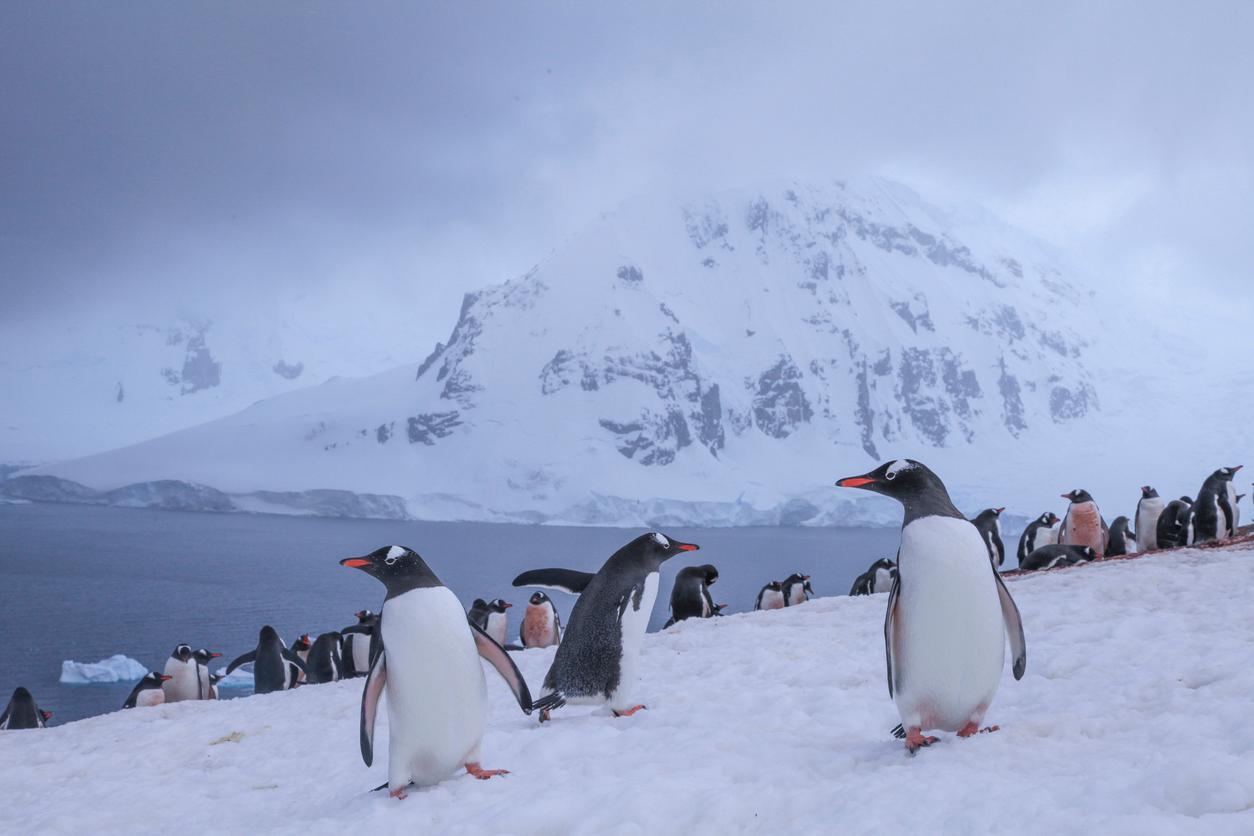
While the quest for penguins might lead to a different discovery, Alaska’s allure as a top travel destination for wildlife viewing extends far beyond its remarkable seabirds. The state is a sanctuary for some of North America’s most iconic and powerful animals, promising unforgettable experiences.
Iconic Mammals of the Last Frontier
Alaska is synonymous with spectacular land mammals. Bears are a major draw, with opportunities to see Grizzly (Brown) Bears fishing for salmon, Black Bears foraging in forests, and even the elusive Polar Bear in the far north. Destinations like Katmai National Park and Preserve (for brown bears) or Denali National Park (for grizzlies, moose, and caribou) offer incredible viewing experiences, often from safe distances on guided tours or designated viewing platforms.
Other majestic creatures include the towering Moose, often spotted along roadways or in marshy areas, herds of Caribou migrating across the tundra, sure-footed Dall Sheep clinging to mountain cliffs, and the elusive Wolf. Wildlife safaris, guided hikes, and scenic drives provide ample opportunities to encounter these magnificent animals in their vast, unspoiled habitats. Observing these creatures in the wild offers a profound connection to nature and a sense of Alaska’s untamed spirit.
Marine Majesty: Whales, Seals, and Sea Otters
Alaska’s waters teem with an equally impressive array of marine life. Whale watching is a quintessential Alaskan experience, with Humpback Whales known for their acrobatic breaches and tail flukes, powerful Orcas (killer whales) hunting in pods, and gentle Gray Whales migrating along the coast. Prime whale-watching season typically runs from May to September.
Travelers can also spot playful Sea Otters floating on their backs in kelp beds, curious Harbor Seals popping their heads above water, and large colonies of Steller Sea Lions hauling out on rocky islets. Boat tours from coastal towns are the best way to witness these marine mammals. Whether it’s the sheer size of a whale or the endearing antics of an otter, Alaska’s marine ecosystems provide endless wonder and photo opportunities for travelers.
Planning Your Alaskan Wildlife Expedition
Embarking on an Alaskan wildlife adventure requires thoughtful planning to maximize your chances of spectacular encounters while ensuring a safe and responsible journey.
Best Time to Visit for Wildlife Viewing
The optimal time for wildlife viewing in Alaska largely depends on the specific animals you wish to see. Generally, late spring through early fall (May to September) offers the best opportunities:
- May-June: Excellent for bear viewing (as they emerge from hibernation), migrating birds, and early wildflowers. Whale migration is in full swing.
- July-August: Peak season for salmon runs, which in turn attracts bears. Puffins and other seabirds are actively nesting. Warmer weather and longer daylight hours are ideal for extensive exploration.
- September: Fall colors begin to emerge, and wildlife is often active preparing for winter. Bear viewing remains strong, and moose are in rut.
Always check specific wildlife calendars for the areas you plan to visit, as timing can vary.
Essential Gear and Preparedness for Alaskan Adventures
Packing appropriately is crucial for an Alaskan adventure:
- Layers of Clothing: Weather can change rapidly. Bring waterproof and windproof outer layers, warm fleece or down mid-layers, and moisture-wicking base layers.
- Binoculars: Indispensable for distant wildlife viewing.
- Camera Gear: A good camera with a zoom lens will help capture those once-in-a-lifetime moments.
- Bear Safety: If venturing into bear country, understand bear etiquette. Consider carrying bear spray and knowing how to use it, especially on unguided hikes. Always make noise on trails to avoid surprising animals.
- Guided Tours: For many experiences, especially bear viewing and marine safaris, guided tours offer expert knowledge, safety, and access to prime viewing locations.

Ethical Wildlife Tourism
Responsible tourism is paramount to preserving Alaska‘s natural beauty and wildlife for future generations.
- Maintain Distance: Always observe wildlife from a respectful distance. Use binoculars or telephoto lenses instead of approaching animals.
- Never Feed Wildlife: Feeding animals can alter their natural behaviors, lead to dependency, and pose dangers to both animals and humans.
- Leave No Trace: Pack out everything you pack in. Stick to marked trails to minimize your impact on fragile ecosystems.
- Support Local Conservation: Choose tour operators and accommodations that demonstrate a commitment to sustainable practices and wildlife conservation.
In conclusion, while the question “Are penguins in Alaska?” might initially lead to a myth being dispelled, it opens the door to a richer understanding of Alaska’s true natural wonders. This magnificent state, with its dramatic landscapes and astounding biodiversity, stands as a premier travel destination, promising incredible wildlife encounters that will undoubtedly create lifelong memories for any adventurer.
LifeOutOfTheBox is a participant in the Amazon Services LLC Associates Program, an affiliate advertising program designed to provide a means for sites to earn advertising fees by advertising and linking to Amazon.com. Amazon, the Amazon logo, AmazonSupply, and the AmazonSupply logo are trademarks of Amazon.com, Inc. or its affiliates. As an Amazon Associate we earn affiliate commissions from qualifying purchases.