
Understanding the unique political status of Guam is fundamental to appreciating its vibrant local culture, the nuances of its tourism landscape, and the distinct experience it offers visitors. For many travelers, questions about sovereignty, citizenship, and international relations might seem distant from a tropical vacation, yet in Guam’s case, they are deeply interwoven with the fabric of daily life, influencing everything from local customs to the ease of travel. The straightforward answer to whether people from Guam are US citizens is a resounding yes, but the journey to that status and its ongoing implications paint a much richer picture for anyone interested in the island’s identity and its appeal as a destination.

This article delves into the historical and contemporary aspects of Guam’s relationship with the United States, exploring how this partnership shapes its local culture, economy, and the overall experience for tourists. By understanding the rights and responsibilities that come with US citizenship for Guam’s residents, visitors can gain a deeper insight into the island’s unique blend of Chamorro heritage and American influence, making their journey more informed and enriching.
Guam’s Unique Political Status and Its Tourism Implications
The island of Guam, nestled in the western Pacific Ocean, holds a distinctive position on the global map. As an unincorporated territory of the United States, its political status is unlike that of a state or an independent nation. This particular relationship has profoundly influenced its development, infrastructure, and, critically, its tourism appeal. For visitors, understanding this backdrop clarifies many aspects of the island, from its currency and legal system to its cultural expressions and the types of activities available.
A Brief History of Guam’s Relationship with the United States
Guam’s strategic location has made it a coveted possession throughout history. First sighted by Ferdinand Magellan in 1521, it was colonized by Spain for over three centuries. The island officially became a United States territory in 1898 following the Spanish-American War and the subsequent Treaty of Paris (1898). This marked a pivotal shift in the island’s trajectory, moving it from Spanish colonial rule to American administration.
The period leading up to and during World War II further cemented Guam’s significance. Occupied by Japan for nearly three years, its liberation by United States forces in 1944 is a deeply resonant part of the island’s collective memory, reflected in numerous historical sites and memorials that attract history buffs and curious travelers. The post-war era brought even closer ties with the United States, leading to the crucial legislation that would define the citizenship status of its inhabitants.
The Organic Act of 1950 and US Citizenship
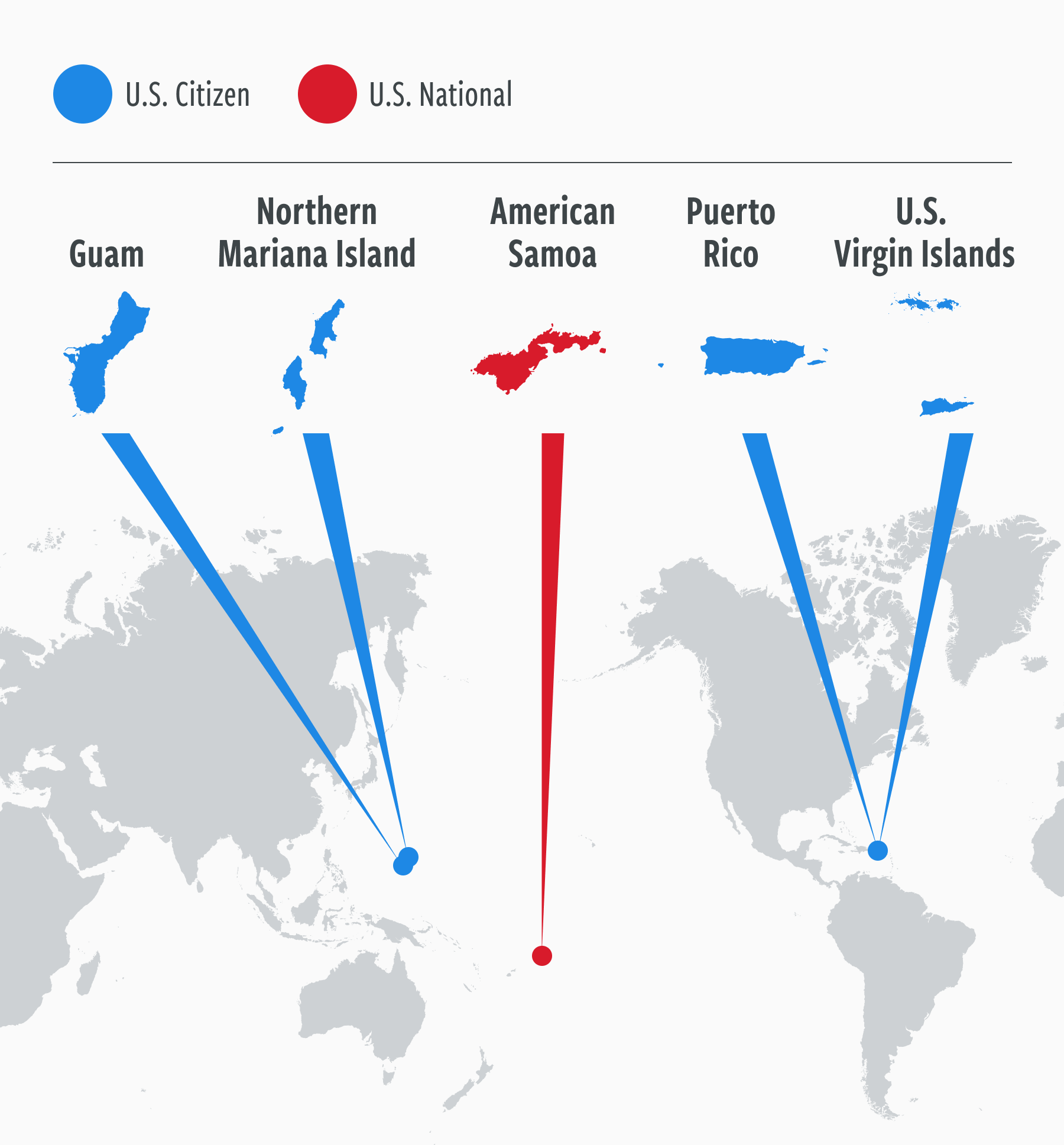
The pivotal moment for the people of Guam arrived with the passage of the Organic Act of 1950. This federal law granted statutory US citizenship to all persons born in Guam on or after April 11, 1899, and to their descendants. It also established a civilian government, transforming the island from a naval administration to a more self-governing territory with an elected governor and legislature.
This act profoundly impacted the lives of Guam’s residents, providing them with the rights and protections afforded to US citizens, including the freedom to travel and reside anywhere within the United States without visa requirements. While Guamanians pay federal taxes (such as income tax to the Guam government, which is then remitted to the US Treasury), they cannot vote in presidential elections and have a non-voting delegate in the US House of Representatives. This “unincorporated” status, largely defined by the Supreme Court’s Insular Cases, means that not all provisions of the US Constitution apply to the territory.
Understanding Guam’s Place on the Global Stage for Tourists
For tourists, Guam’s status as a US territory with US citizens as its inhabitants offers numerous conveniences and reassurances. The official currency is the US Dollar, the legal system is based on US common law, and English is widely spoken alongside Chamorro. This familiarity often makes Guam an accessible and comfortable destination for visitors from the United States and other Western countries, reducing culture shock and simplifying logistical aspects of travel.
Furthermore, the significant military presence, including Andersen Air Force Base and Naval Base Guam, underscores the island’s strategic importance and contributes to its robust infrastructure, including well-maintained roads and modern facilities. This integration into the broader US framework ensures a level of stability and development that is highly appealing to tourists seeking a balance of exotic beauty and familiar comforts.
Cultural Identity and the American Connection
The citizenship status of Guam’s people is not just a legal technicality; it’s a foundational element that shapes the island’s unique cultural identity. This blend of indigenous heritage, Spanish legacy, and American influence creates a captivating environment for visitors keen to explore beyond the pristine beaches. The culture of Guam is a testament to resilience and adaptation, offering a rich tapestry of traditions, languages, and modern ways of life that distinguish it from its neighboring Mariana Islands like Saipan, Tinian, and Rota.
Blending Chamorro Heritage with American Influences
At the heart of Guam’s cultural identity lies the Chamorro people, the indigenous inhabitants of the Mariana Islands. Their heritage, spanning thousands of years, is characterized by a strong sense of community, respect for elders, and a deep connection to the land and sea. Traditional practices, such as “Inafa’maolek” (interdependence) and “Chenchule'” (reciprocal exchange of goods and services), continue to influence social interactions.
The American presence, however, has layered modernity onto these ancient customs. Education systems, democratic governance, popular culture, and consumer goods all reflect a strong US influence. This creates a fascinating cultural fusion, where traditional Chamorro fiestas often feature American-style barbecues, and ancestral stories are shared alongside contemporary US pop music. For tourists, this means encountering a vibrant culture that is simultaneously ancient and modern, familiar and exotic. Exploring the Chamorro Village in Hagåtña offers a glimpse into local crafts, food, and performances that celebrate this unique blend.
Language, Education, and Daily Life
The official languages of Guam are English and Chamorro. While English is the language of commerce, government, and education, efforts are actively underway to preserve and revitalize the Chamorro language, which faced significant decline in the past. Schools teach Chamorro language and history, and cultural programs promote its use in daily life. This bilingual environment is a direct consequence of Guam’s status, offering a rich linguistic experience for visitors who might hear both languages in casual conversation.
The education system largely mirrors that of the United States, providing opportunities for higher education both on-island and seamlessly within the mainland US. Daily life on Guam reflects a similar synthesis: while family and community remain central, American consumer goods, fast food chains, and media are prevalent. This familiar infrastructure allows tourists to enjoy modern conveniences while still being immersed in a distinct Pacific island setting.
How This Shapes the Tourist Experience in Guam

The integrated cultural identity of Guam significantly enriches the tourist experience. Visitors can enjoy American-standard amenities and services, making their stay comfortable and hassle-free, while simultaneously diving deep into the unique Chamorro culture. From exploring ancient latte stone sites to participating in local festivals, tourists are encouraged to engage with the island’s dual heritage.
The food scene, for example, is a delightful fusion. Alongside traditional Chamorro dishes like kelaguen and red rice, one can find a wide array of American, Japanese, Korean, and Filipino cuisine, reflecting the diverse population and influences on the island. This culinary diversity is a direct result of Guam’s open relationship with the United States and its role as a regional hub in Micronesia, appealing to a wide range of palates.
Navigating Travel and Local Life as a Tourist
The fact that people from Guam are US citizens simplifies many aspects of travel to and from the island, particularly for those coming from the United States. This shared citizenship impacts everything from border control and currency to the overall sense of familiarity and security for visitors. For international tourists, while some regulations differ, the established infrastructure and legal framework provide a clear and organized travel environment.
Entry Requirements for US Citizens and International Visitors
For United States citizens, traveling to Guam is much like traveling to any US state. No passport is required for entry; a valid government-issued photo ID (like a driver’s license) is sufficient, although a passport is always recommended for air travel. This ease of access makes Guam an attractive domestic destination for Americans seeking a tropical getaway without the complexities of international travel.
For international visitors, Guam adheres to US immigration laws. This means that citizens of countries participating in the US Visa Waiver Program can enter Guam for tourism without a visa, typically requiring an approved ESTA (Electronic System for Travel Authorization). Other international travelers will need to obtain a US visa. This consistent application of US immigration policies ensures a predictable and regulated entry process, contributing to a secure and orderly tourism environment. The clear guidelines minimize confusion for travelers, especially those accustomed to navigating US travel requirements.
The Ease of Doing Business and Travel within Guam
Once on the island, tourists will find that the operational aspects of their visit are largely familiar, particularly if they are from the United States. The use of the US dollar eliminates the need for currency exchange, and credit cards are widely accepted. Roads are well-maintained, and driving is on the right side, mirroring US standards. Communication is seamless, with US postal services and telecommunication networks in operation.
The tourism sector, concentrated around Tumon Bay, is highly developed, offering a range of accommodations from luxury resorts to budget-friendly options, catering to diverse preferences. Tour operators, rental car agencies, and other service providers operate under US business practices, ensuring a professional and reliable experience. This infrastructural alignment with the United States greatly enhances the ease of travel and the overall quality of tourist services on the island.
Practical Tips for Engaging with the Local Culture
To truly experience Guam’s unique charm, tourists are encouraged to engage respectfully with the local Chamorro culture. Acknowledging the island’s history, understanding the importance of family, and appreciating the local traditions will enrich any visit. Learning a few basic Chamorro phrases, such as “Håfa Adai” (hello) or “Si Yu’os Ma’åse'” (thank you), is always appreciated and can open doors to more authentic interactions.
Visiting local markets, attending cultural shows, and exploring historical sites like Two Lovers Point offer insights into the island’s past and present. While the American influence is evident, it’s crucial to remember that Guam possesses a distinct cultural identity forged over centuries. Embracing this blend is key to a meaningful travel experience, recognizing that the island’s US citizenship status is not merely a political designation but a living aspect of its evolving cultural narrative.
Economic Impact: Tourism and the US Connection
Guam’s status as a US territory with US citizens as residents has profound implications for its economy, particularly its thriving tourism industry. This unique relationship provides a framework of stability, investment, and access that significantly benefits the island’s economic development and employment opportunities. Understanding this economic landscape helps tourists appreciate the efforts behind their comfortable and enjoyable vacation experiences.
Guam’s Tourism Industry: A Key Pillar
Tourism is the lifeblood of Guam’s economy, primarily driven by visitors from Japan, Korea, and China, in addition to the growing number of US mainland tourists. The island’s beautiful beaches, duty-free shopping, vibrant nightlife, and diverse water activities make it an attractive destination. The US citizenship of Guamanians underpins the stability and reliability of the services provided, reassuring international tour operators and investors.
The integration into the US financial system provides a stable economic environment, fostering confidence among foreign investors who build hotels, develop attractions, and establish businesses to cater to the tourist influx. This economic stability, coupled with strategic location, allows Guam to compete effectively with other Pacific island destinations, ensuring a high standard of service and infrastructure for its visitors.
Infrastructure and Development Backed by the US
The United States federal government’s investments in Guam’s infrastructure, largely due to its strategic military importance, indirectly but significantly bolster the tourism sector. Modern utilities, reliable telecommunications, a robust airport, and well-maintained roads are all crucial for a thriving tourism industry. While these developments primarily serve the local population and military, they directly benefit tourists by providing a seamless and comfortable travel experience.
Furthermore, federal grants and programs support various sectors, including education and healthcare, contributing to a skilled workforce and a high quality of life on the island. This indirectly supports tourism by ensuring a healthy and educated local population capable of working in and contributing to the service industry, from hospitality to guiding eco-tours. The presence of US federal agencies also means adherence to certain environmental and safety standards, which further enhance the island’s appeal as a responsible and secure tourist destination.
Future Outlook for Tourism and Guam’s People
The future of tourism in Guam is intrinsically linked to its enduring relationship with the United States and the citizenship status of its people. The stability, legal framework, and economic advantages derived from this connection are likely to remain foundational. As Guam continues to evolve, there’s a growing emphasis on sustainable tourism, cultural preservation, and diversification of its offerings to cater to an increasingly discerning global traveler.
For the people of Guam, their US citizenship provides opportunities for education and employment both on and off the island, while also empowering them to shape their unique identity. This dual allegiance allows Guam to present itself as a bridge between the East and West, offering a distinct cultural experience under the umbrella of American standards. Tourists visiting Guam are therefore not just enjoying a beautiful Pacific island; they are experiencing a complex and fascinating nexus of history, culture, and geopolitics, made accessible and welcoming by its people’s unique citizenship status.
LifeOutOfTheBox is a participant in the Amazon Services LLC Associates Program, an affiliate advertising program designed to provide a means for sites to earn advertising fees by advertising and linking to Amazon.com. Amazon, the Amazon logo, AmazonSupply, and the AmazonSupply logo are trademarks of Amazon.com, Inc. or its affiliates. As an Amazon Associate we earn affiliate commissions from qualifying purchases.