
The question of Puerto Rico’s status as an American territory, and the citizenship of its residents, is a complex one, often shrouded in a fog of political jargon and historical nuance. For travelers planning a trip to this vibrant Caribbean island, understanding this distinction isn’t just an academic exercise; it can impact your travel experience, from entry requirements to the overall feeling of being a visitor versus a resident of a U.S. state. This article aims to demystify the relationship between the United States and Puerto Rico, clarifying the citizenship status of its people and how this plays out in practical terms for those exploring its rich culture, stunning landscapes, and welcoming accommodations.
The Unfolding Status of Puerto Rico: A Brief Historical Context
To truly grasp the citizenship question, one must delve into the historical trajectory of Puerto Rico. The island’s journey from Spanish colony to U.S. territory is a significant narrative that underpins its current political and social standing. Following the Spanish-American War in 1898, Spain ceded Puerto Rico to the United States under the Treaty of Paris. This marked the beginning of a new era for the island, one that has been characterized by debates over self-governance, economic development, and, crucially, the rights and status of its inhabitants.
From Insular Areas to Commonwealth Status
Initially, Puerto Rico was classified as an unincorporated territory, meaning the U.S. Constitution did not necessarily apply in full force. This led to a period of legal ambiguity regarding the rights of Puerto Ricans. The landmark Insular Cases in the early 20th century solidified the notion that inhabitants of territories acquired by the United States were not automatically granted all the rights of citizens residing in states.
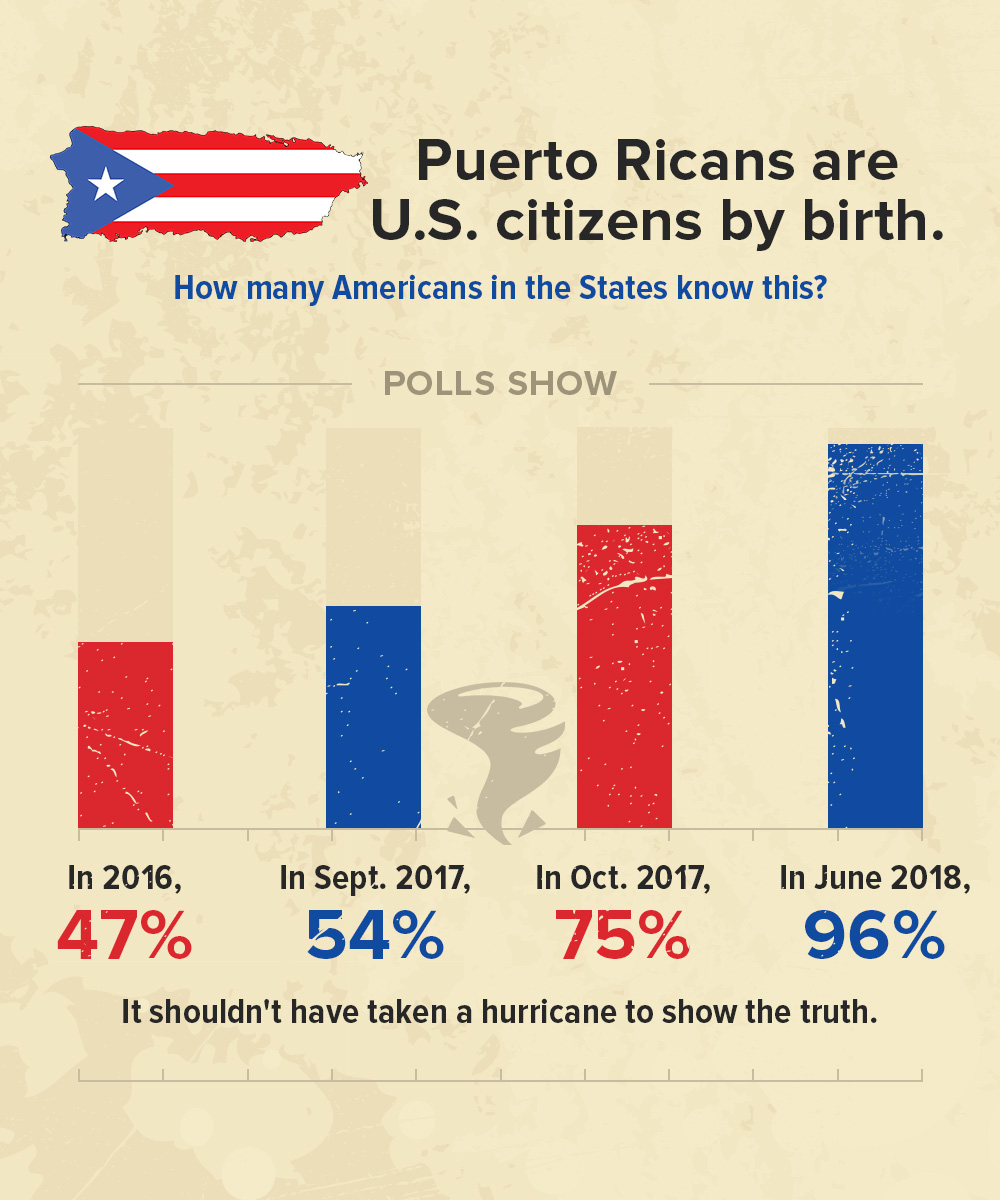
However, a significant shift occurred in 1917 with the passage of the Jones-Shafroth Act. This legislation granted statutory U.S. citizenship to all persons born in Puerto Rico. It’s crucial to note that this was a statutory citizenship, granted by an act of Congress, rather than a constitutional one. This distinction has been at the heart of many subsequent legal and political discussions.
In 1952, Puerto Rico adopted its own constitution, establishing it as a Commonwealth (Estado Libre Asociado). This framework was intended to grant Puerto Rico a degree of internal self-government while maintaining its relationship with the United States. While this brought about greater autonomy in local matters, it did not alter the fundamental statutory basis of U.S. citizenship for its residents.
The Unanswered Question: Statehood, Independence, or Continued Commonwealth?
Despite the granting of U.S. citizenship, the political status of Puerto Rico remains a contentious issue. Throughout the decades, various plebiscites and referendums have been held, with varying degrees of clarity and participation, to gauge the population’s preference for statehood, independence, or a continuation of the commonwealth status. Each option carries its own set of implications for the island’s governance, economy, and the rights of its citizens.
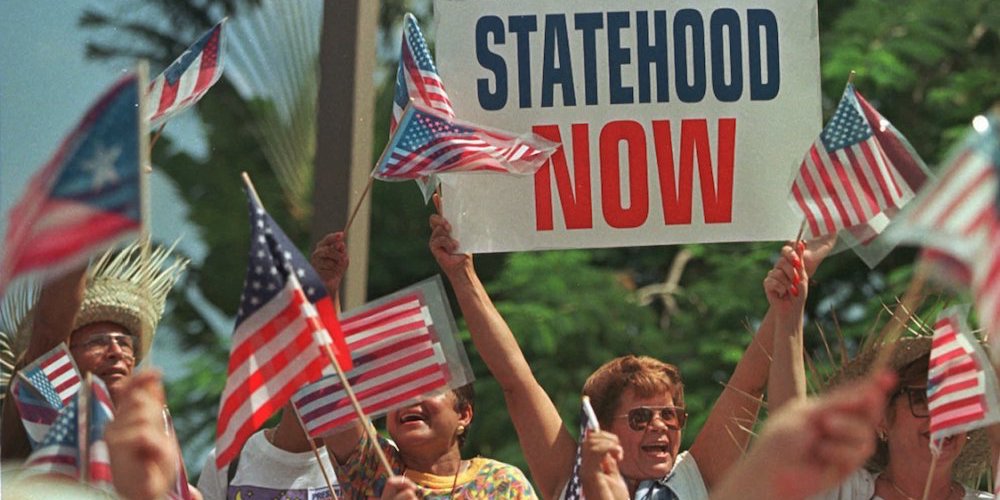
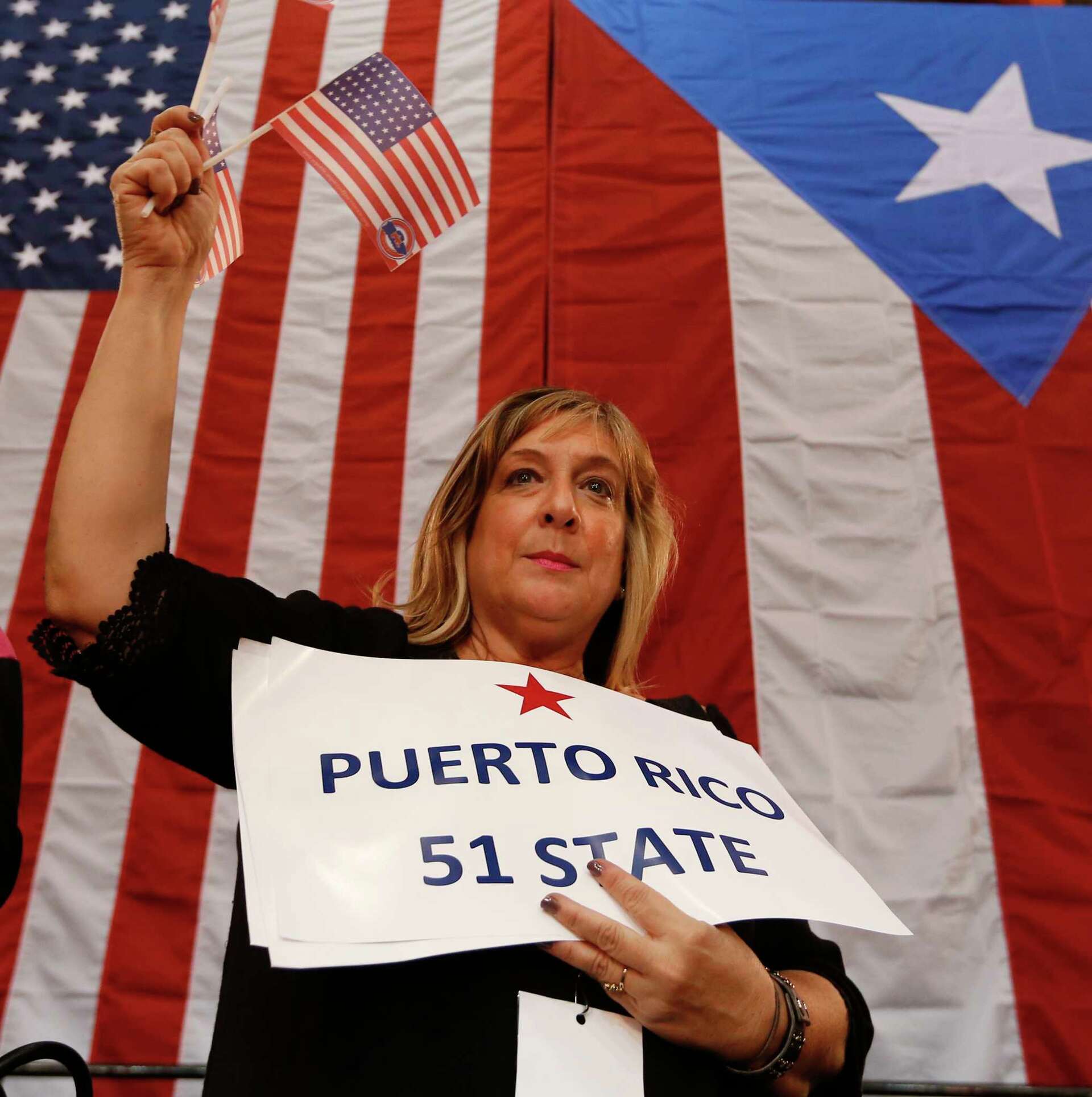
- Statehood: This would mean Puerto Rico becoming the 51st state of the United States. Residents would have full representation in Congress and the right to vote in presidential elections. The island would operate under the full U.S. Constitution, and its laws would align with federal statutes.
- Independence: This would grant Puerto Rico full sovereignty, severing its political ties with the United States. Its citizens would no longer be U.S. citizens by birth but would develop their own national identity and citizenship.
- Commonwealth Status: The current status, while offering self-governance, is often criticized for its ambiguity. Proponents argue it balances autonomy with the benefits of U.S. citizenship and economic ties. Critics contend it perpetuates a colonial relationship and limits full participation in the U.S. political system.
The ongoing debate over status highlights the desire for a definitive resolution that provides clarity and stability for the island and its people. This political uncertainty, while not directly impacting a tourist’s immediate travel experience, is an intrinsic part of the island’s identity and history.
Traveling to Puerto Rico: What Citizenship Means for Visitors
For the average traveler, the question of Puerto Rican citizenship might seem distant from their vacation plans. However, understanding this relationship is key to appreciating the seamless travel experience that Puerto Rico offers.
Entry and Exit: A Familiar Process
One of the most significant practical implications of Puerto Rico being a U.S. territory is that travel between the mainland United States and Puerto Rico is treated as domestic travel. This means that U.S. citizens traveling from the mainland to Puerto Rico do not need a passport. A valid government-issued photo ID, such as a driver’s license, is sufficient for boarding domestic flights. Similarly, Puerto Rican citizens traveling to the mainland United States do not require a visa. This ease of travel is a major draw for many Americans looking for a Caribbean getaway without the complexities of international borders.
However, it is important to remember that Puerto Rico does have its own customs and immigration regulations for international arrivals. If you are arriving in Puerto Rico from a foreign country, you will pass through U.S. Customs and Border Protection.
Rights and Responsibilities: A Shared Identity
As U.S. citizens, Puerto Ricans share many rights and responsibilities with their counterparts in the mainland United States. They can serve in the U.S. military, are subject to federal laws, and their children born in Puerto Rico are automatically U.S. citizens. However, a notable difference is their lack of voting rights in U.S. presidential elections, a direct consequence of their status as residents of a territory and not a state.
For visitors, this shared citizenship means an experience that feels both familiar and distinct. You’ll find American currency, familiar brands, and a general understanding of U.S. laws and customs. Yet, you’ll also immerse yourself in a unique culture, a rich history, and a vibrant local identity that is distinctly Puerto Rican.
Experiencing Puerto Rico: Beyond the Citizenship Debate
While the political status and citizenship of Puerto Ricans are vital to understanding the island’s narrative, the true essence of Puerto Rico lies in its vibrant culture, breathtaking natural beauty, and the warmth of its people. Whether you are a luxury traveler seeking opulent resorts or a budget-conscious explorer keen on local experiences, Puerto Rico offers something for everyone.
The Allure of its Landmarks and Attractions
Puerto Rico boasts a wealth of historical and natural landmarks that captivate visitors. The walled city of Old San Juan is a UNESCO World Heritage site, a living museum of colonial architecture with cobblestone streets, colorful buildings, and impressive fortifications like Castillo San Felipe del Morro and Castillo San Cristóbal. These fortresses, remnants of centuries of strategic importance, offer not only a glimpse into military history but also panoramic views of the Atlantic Ocean.
Beyond the historic charm of Old San Juan, the island’s natural wonders are equally compelling. The El Yunque National Forest, the only tropical rainforest in the U.S. National Forest System, is a biodiversity hotspot. Hiking trails lead to cascading waterfalls, unique flora and fauna, and stunning vistas. For beach lovers, Puerto Rico offers a diverse coastline. From the lively shores of Condado and Isla Verde near San Juan to the pristine beaches of Culebra and Vieques like Flamenco Beach, there’s a stretch of sand to suit every preference. Culebra and Vieques, often accessed by ferry or short flights, offer a more tranquil escape with crystal-clear waters perfect for snorkeling and diving.
Accommodations and Lifestyle: From Luxury to Local Charm
When it comes to accommodation, Puerto Rico excels in providing a wide range of options to cater to all travel styles and budgets. Luxury travelers can indulge in world-class resorts such as the St. Regis Bahia Beach Resort or the Dorado Beach, a Ritz-Carlton Reserve, offering unparalleled service, exquisite dining, and breathtaking oceanfront settings. These establishments often feature sprawling suites, private villas, and a plethora of amenities, including championship golf courses, rejuvenating spas, and exclusive beach access.
For those seeking a more intimate or budget-friendly experience, Puerto Rico also offers a plethora of charming boutique hotels, guesthouses, and apartment rentals. Areas like Rincón, known for its surfing culture, or the more bohemian neighborhoods in San Juan provide unique stays that immerse visitors in the local atmosphere. Long-term stays are also increasingly popular, with many properties offering extended-stay packages that allow travelers to truly settle into the island lifestyle.
The culinary scene in Puerto Rico is a testament to its rich cultural tapestry, blending Spanish, African, and Taino influences. From the ubiquitous mofongo and lechón to fresh seafood and tropical fruits, the island is a gastronomic delight. Exploring local eateries, chinchorros (roadside food stalls), and fine dining restaurants alike offers a delicious journey through Puerto Rican flavors.
Embracing the Local Culture and Experiences
To truly connect with Puerto Rico, one must embrace its vibrant local culture. This includes experiencing the infectious rhythms of salsa and reggaeton, attending local festivals, and engaging with the island’s art and history. Museums like the Museo de Arte de Puerto Rico showcase a rich artistic heritage, while understanding the island’s history, including its complex relationship with the United States, adds depth to the travel experience.
Family trips can be enriched by visiting attractions like the El San Juan Hotel for its vibrant atmosphere, exploring the bioluminescent bays in Fajardo, or simply enjoying the many family-friendly beaches. Business stays can also be enhanced by exploring the cultural offerings outside of meeting hours, discovering the island’s entrepreneurial spirit and its growing tech sector.
In conclusion, while the question of Puerto Rican citizenship is a nuanced and ongoing discussion, for the traveler, Puerto Rico offers a familiar yet distinct Caribbean paradise. The seamless travel for U.S. citizens is a significant convenience, allowing for easy exploration of this island’s magnificent landmarks, luxurious accommodations, and vibrant lifestyle. Understanding the historical and political context only serves to deepen the appreciation for the resilience and rich culture of the Puerto Rican people, making every visit a truly enriching experience.
LifeOutOfTheBox is a participant in the Amazon Services LLC Associates Program, an affiliate advertising program designed to provide a means for sites to earn advertising fees by advertising and linking to Amazon.com. Amazon, the Amazon logo, AmazonSupply, and the AmazonSupply logo are trademarks of Amazon.com, Inc. or its affiliates. As an Amazon Associate we earn affiliate commissions from qualifying purchases.