
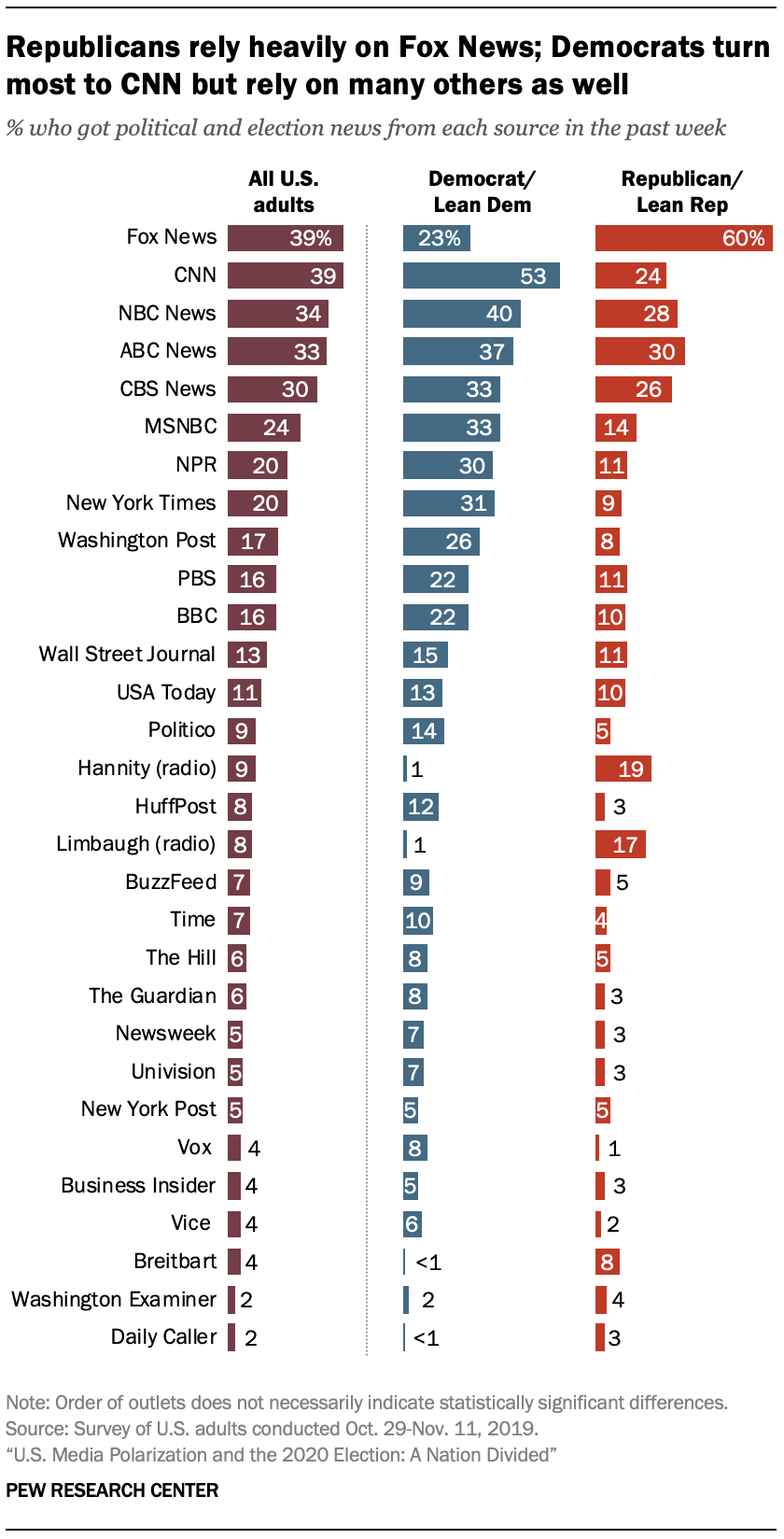
The question of whether The New York Times leans conservative or liberal is one that sparks considerable debate and is often colored by personal perspectives. While the publication itself has long identified as a progressive voice, its coverage, editorial stance, and the very nature of news consumption in the digital age complicate a simple answer. To truly understand where The New York Times stands, one must look beyond a binary classification and examine the nuances of its reporting, its editorial decisions, and how it interacts with the broader landscape of information.

The perceived political leaning of a major news outlet like The New York Times is rarely straightforward. It’s a complex interplay of its historical mission, its audience’s expectations, its journalistic standards, and the evolving media environment. For those who consume news primarily for travel inspiration, exploring destinations from the bustling streets of Tokyo to the serene beaches of Malibu, the political leanings of a newspaper might seem secondary. Yet, even in travel content, subtle biases can emerge, influencing the types of experiences highlighted, the destinations deemed worthy of coverage, and the narratives woven around them.
The Editorial Stance: A Progressive Foundation
At its core, The New York Times has historically positioned itself as a newspaper of record with a commitment to liberal and progressive ideals. Its editorial pages, which are distinct from its news reporting, have often advocated for social justice, environmental protection, and a robust social safety net. This editorial philosophy has shaped its coverage of domestic and international issues, influencing the framing of debates and the issues it chooses to spotlight. For instance, in its reporting on tourism, the newspaper might emphasize sustainable travel practices, the importance of supporting local communities, and the cultural significance of historical landmarks, aligning with a progressive worldview that values preservation and authentic experiences.
This progressive bent is not an endorsement of a particular political party in every instance, but rather a consistent emphasis on certain values and priorities. When discussing issues related to travel, this might translate into articles that highlight the economic benefits of tourism for developing nations, the challenges faced by indigenous communities due to mass tourism, or the environmental impact of popular tourist activities. The “Lifestyle” section, which often delves into luxury travel and budget-friendly options, might also subtly reflect these values by showcasing eco-lodges or highlighting destinations that offer authentic cultural immersion rather than superficial, mass-market attractions.
However, it’s crucial to differentiate between the editorial page and the news reporting. While the editorial board sets the opinion of the paper, the newsroom is tasked with objective reporting. The challenge for any major newspaper is to maintain this distinction, and for The New York Times, this has been a continuous effort. Critics on the right often accuse the paper of liberal bias in its news coverage, pointing to story selection, the language used in articles, and the sources quoted. Conversely, some on the left may argue that the paper doesn’t go far enough in its advocacy or that its commitment to journalistic norms sometimes tempers its progressive voice.
The content found on a website dedicated to travel, hotels, tourism, accommodation, landmarks, and lifestyle, while seemingly apolitical, can still be influenced by the editorial direction of its parent publication. For example, a report on the best boutique hotels in Paris might not explicitly state a political opinion, but the choice of hotels featured, the emphasis on their unique amenities, or the inclusion of local cultural experiences could subtly reflect a preference for authenticity and independent businesses, which often aligns with progressive values. Similarly, a guide to visiting Machu Picchu might foreground the importance of respecting indigenous heritage and the environmental fragility of the site, again echoing a progressive concern for cultural preservation and sustainability.
Navigating the Nuances: Beyond the Liberal Label
The perception of The New York Times as solely “liberal” overlooks the inherent complexity of journalism and the diverse perspectives it seeks to represent, even if that representation is filtered through a particular editorial lens. The paper employs a vast array of journalists and correspondents, many of whom bring their own backgrounds and viewpoints. The process of news gathering, interviewing sources, and crafting narratives is inherently human, and while journalistic ethics strive for objectivity, complete neutrality is an aspiration, not always a perfect reality.
In the realm of travel, this means that while the paper might champion certain destinations or types of travel, it also acknowledges the broad spectrum of human interests. A traveler looking for a luxurious resort in the Maldives will find content covering opulent suites and world-class amenities, catering to a lifestyle segment that may not be overtly political. Conversely, a budget traveler exploring hostels in Berlin will discover tips and guides that focus on affordability and local immersion, reflecting a different facet of the travel experience. The New York Times‘ ability to cater to these varied interests, without necessarily abandoning its core values, is a testament to its broad scope.
The challenge in definitively labeling The New York Times as purely liberal or conservative is also amplified by the fragmented nature of modern media consumption. Readers often seek out news sources that confirm their existing beliefs, a phenomenon known as confirmation bias. If a reader already holds a particular political view, they are more likely to perceive news coverage through that lens. Someone who is ideologically conservative might find liberal bias in almost any article published by The New York Times, while someone on the liberal end of the spectrum might find its reporting insufficiently progressive.

When it comes to travel guides, the political affiliation of the newspaper might be less relevant to the average reader seeking information about the Great Barrier Reef or the best way to book an apartment in Rome. However, the way these topics are presented can still carry implicit messages. For example, an article about visiting Venice might discuss the impact of overtourism and the efforts to preserve its unique architecture and culture. This discussion, while factual, leans into themes often championed by progressive advocates: environmental sustainability and cultural heritage.
The Role of Content Pillars in Shaping Perception
The five main topics mentioned – Travel, Hotels, Tourism, Accommodation, Landmarks, and Lifestyle – are designed to appeal to a broad audience with diverse interests. Yet, the underlying ethos of The New York Times can subtly influence how these topics are framed.
-
Travel (Destinations, Attractions, Guides, Experiences…): Coverage here might emphasize destinations that offer rich cultural experiences, historical depth, or natural beauty. The focus on “Experiences” could highlight opportunities for authentic engagement with local communities, a theme that resonates with progressive values of cultural appreciation and ethical tourism. A guide to Kyoto might delve into its ancient temples and traditional arts, emphasizing the preservation of its heritage.
-
Hotels (Suites, Resorts, Apartments, Villas, Amenities…): While hotels are often about comfort and luxury, The New York Times might highlight properties that demonstrate a commitment to sustainability, support local employment, or offer unique, culturally sensitive experiences. Even in reporting on “Luxury Travel,” there can be an underlying appreciation for craftsmanship and authentic hospitality over ostentatious displays of wealth. A review of a resort in Bali might discuss its integration with the local environment and community.
-
Tourism (Local Culture, Food, Activities, Tips…): This pillar is inherently about understanding and engaging with places. The newspaper’s progressive leanings might lead to a focus on responsible tourism, respecting local customs, and ensuring that tourism benefits the communities it impacts. A food guide to Mexico City might explore the history and cultural significance of its diverse cuisine, promoting an appreciation for authentic culinary traditions.
-
Accommodation (Booking, Reviews, Comparison, Long-term Stay…): When reviewing accommodation, the emphasis might be on value, unique character, and responsible business practices. This could extend to highlighting boutique accommodations over large, impersonal chains, aligning with a preference for supporting smaller, local enterprises. A comparison of vacation rentals in Tuscany might touch on how they support the local economy.
-
Landmarks (Famous Places, Architecture, History, Nature…): Reporting on landmarks like the Eiffel Tower or Grand Canyon National Park naturally involves history and preservation. The New York Times would likely frame these discussions with an emphasis on conservation efforts, historical accuracy, and the importance of protecting natural and architectural heritage for future generations, aligning with a broader concern for the environment and cultural legacy.
-
Lifestyle (Luxury Travel, Budget Travel, Family Trips, Business Stays…): Within lifestyle, the paper can cater to a wide range of travel preferences. However, even in budget travel content, there’s often an underlying narrative about experiencing the world authentically and connecting with different cultures, which can be seen as a progressive value. A guide to family trips to Orlando might subtly weave in themes of creating lasting memories and fostering curiosity about the world.
Conclusion: A Reflection of a Complex World
Ultimately, the question of whether The New York Times is conservative or liberal, when applied to its travel and lifestyle content, is less about a strict political label and more about the values that the publication generally champions. It is a news organization with a stated progressive editorial stance, and this influences its perspective. However, its commitment to journalistic integrity, its diverse range of topics, and the inherent subjectivity of news consumption mean that a simple binary answer is insufficient.
For readers seeking travel inspiration, the value of The New York Times lies in its comprehensive coverage, its well-researched guides, and its ability to paint vivid pictures of destinations. While its underlying ethos may subtly shape the narratives, it aims to provide a broad spectrum of information that appeals to a wide audience. The political leanings of the publication are a facet of its identity, but they do not, in themselves, define the entirety of its content, particularly in areas as universal as travel and lifestyle. Instead, it offers a lens through which to view the world, a lens that often prioritizes cultural richness, historical significance, and responsible exploration. Whether one perceives this lens as liberal or conservative often depends on their own perspective and the criteria they use for judgment.
LifeOutOfTheBox is a participant in the Amazon Services LLC Associates Program, an affiliate advertising program designed to provide a means for sites to earn advertising fees by advertising and linking to Amazon.com. Amazon, the Amazon logo, AmazonSupply, and the AmazonSupply logo are trademarks of Amazon.com, Inc. or its affiliates. As an Amazon Associate we earn affiliate commissions from qualifying purchases.