
The question of whether citizens of Puerto Rico are citizens of the United States is a common one, particularly for travelers planning a visit or individuals considering a move to this beautiful Caribbean island. The answer, in short, is yes, but the nuances of this relationship are complex and rooted in a long and fascinating history. Understanding the legal status of Puerto Ricans is crucial for comprehending their rights, privileges, and the implications for travel, lifestyle, and even accommodation choices within the island.
For most practical purposes, particularly when it comes to travel, the distinction might seem minor. Puerto Rico is a territory of the United States, and its residents are, by law, U.S. citizens. This means that U.S. citizens traveling to Puerto Rico do not need a passport, much like traveling between any two states within the continental United States. Similarly, individuals born in Puerto Rico are granted U.S. citizenship at birth. This foundational aspect of their identity shapes their ability to live, work, and travel freely within the larger United States.
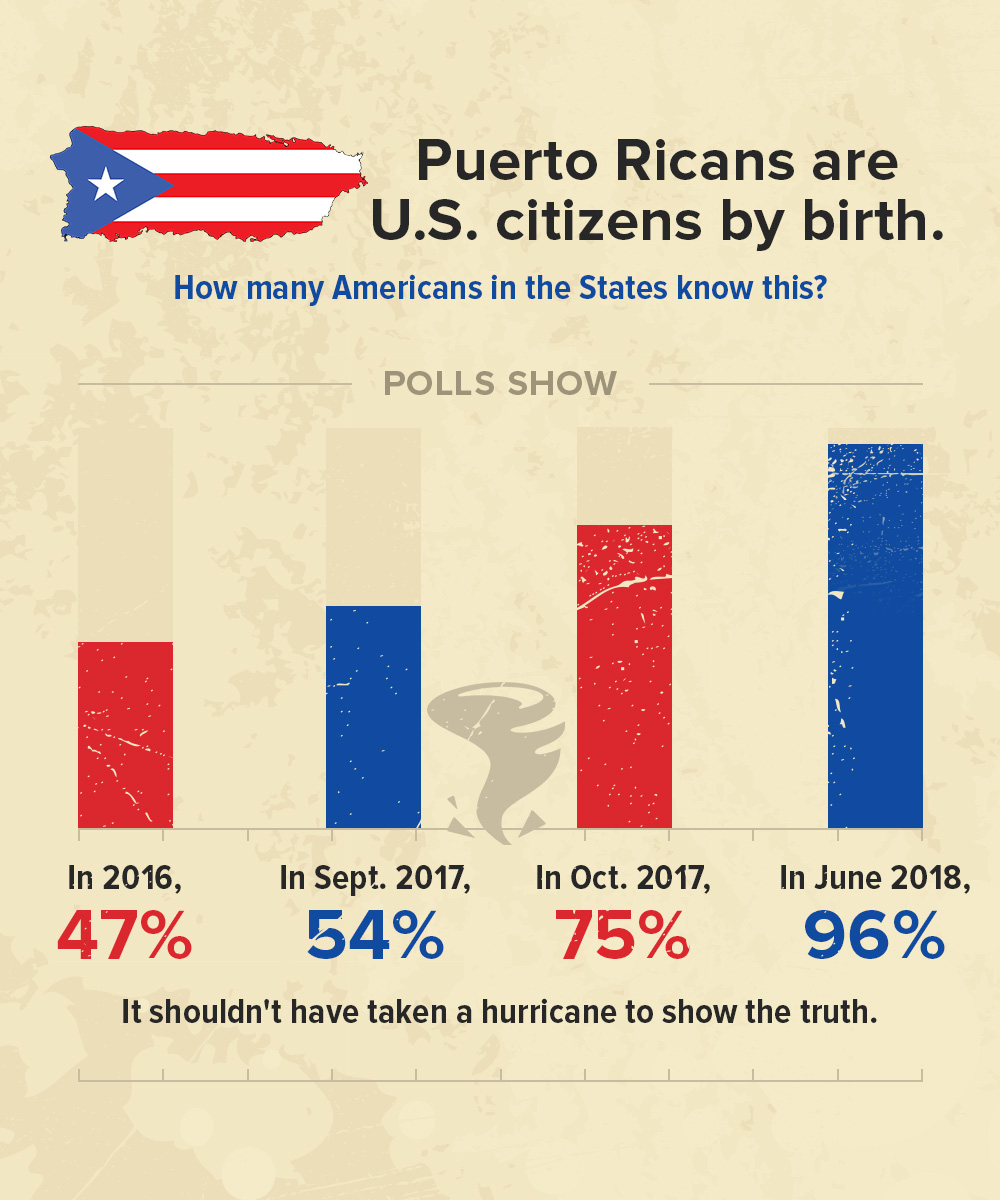
However, the journey to this status has been a significant one, marked by historical events and ongoing political discussions. The island’s relationship with the United States dates back to the Spanish-American War in 1898, after which Puerto Rico was ceded to the U.S. The U.S. Congress then passed the Foraker Act in 1900, establishing a civilian government. It wasn’t until 1917, with the passage of the Jones-Shafroth Act, that statutory U.S. citizenship was conferred upon the people of Puerto Rico. This was a pivotal moment, granting them certain rights and protections afforded to U.S. citizens, though the island’s political status remained that of an unincorporated territory.
The classification of Puerto Rico as an unincorporated territory means that the U.S. Constitution does not fully apply to it in the same way it does to the states. This has led to a unique legal and political landscape. While residents are U.S. citizens, they do not have full representation in the U.S. Congress, cannot vote in presidential elections, and are subject to federal laws, though they do not pay federal income taxes on income earned within the island. These distinctions are important for understanding the broader context of Puerto Rican identity and their relationship with the federal government.
The Practical Implications for Travelers and Residents
For those planning a trip to Puerto Rico, the fact that its citizens are U.S. citizens simplifies many aspects of travel. No passports are required for U.S. citizens. Domestic airline flights operate as they would between any two U.S. cities. Once on the island, visitors can expect to use U.S. dollars for currency. This seamlessness is a significant draw for American tourists seeking a tropical escape without the complexities of international travel. From the vibrant streets of Old San Juan with its historic forts like Castillo San Felipe del Morro and Castillo de San Cristóbal, to the bioluminescent bays of Vieques and Fajardo, the island offers a rich tapestry of experiences for every type of traveler.
Navigating Accommodation and Lifestyle Choices
The legal status also impacts accommodation and lifestyle choices. As U.S. citizens, Puerto Ricans have the right to reside and work in any of the 50 U.S. states. Conversely, U.S. citizens from the mainland can freely travel to and live in Puerto Rico. This facilitates a dynamic exchange and influences the tourism and accommodation sectors.
Hotels and Resorts
The hospitality industry in Puerto Rico is robust, offering a wide range of options that cater to various preferences and budgets. From luxurious beachfront resorts like the Dorado Beach, a Ritz-Carlton Reserve, to boutique hotels in historic districts and charming guesthouses, there is something for everyone. The presence of familiar hotel brands, such as Hyatt Regency Grand Reserve Puerto Rico and The St. Regis Bahía Beach Resort, further enhances the feeling of familiarity for American visitors. These establishments provide world-class amenities, ensuring a comfortable and memorable stay. Travelers can book their stays with ease, often using the same platforms they would use for booking hotels in mainland United States. Many of these hotels offer a true immersion into the local lifestyle, incorporating elements of Puerto Rican culture and cuisine into their offerings.
Long-Term Stays and Local Experiences
For those considering a longer stay, the citizenship status means that U.S. citizens can purchase property and reside in Puerto Rico without the need for special visas or permits. This has made the island an attractive destination for retirees, digital nomads, and individuals seeking a different pace of life. The vibrant local culture, delicious cuisine, and stunning natural beauty contribute to an appealing lifestyle. Exploring the island’s diverse attractions, from the El Yunque National Forest, the only tropical rainforest in the U.S. National Forest System, to the historic streets of Ponce, offers a continuous stream of new experiences. Engaging with the local communities, sampling authentic mofongo, and enjoying the lively music and dance scene are integral parts of the Puerto Rican lifestyle.
Historical Context and Ongoing Status Debates
The legal framework that defines Puerto Rico’s relationship with the United States is the Insular Cases, a series of U.S. Supreme Court decisions from the early 20th century. These cases established the doctrine that territories acquired by the United States are “incorporated” or “unincorporated.” Puerto Rico was deemed unincorporated, meaning that U.S. constitutional rights are not automatically extended to its residents, and Congress has plenary power over the territory. This has led to a persistent debate about the island’s political status, with various factions advocating for statehood, independence, or enhanced commonwealth status.
Citizenship: A Statutory Grant
It is important to reiterate that Puerto Rican citizenship is a statutory grant from the U.S. Congress, not an inherent right derived directly from the Constitution in the same way as for citizens of the states. This distinction has been the subject of legal challenges and ongoing discussions. The U.S. Supreme Court has consistently upheld the power of Congress in defining the rights of residents in U.S. territories.
However, for the vast majority of individuals and for the practical purposes of travel and daily life, the U.S. citizenship granted to Puerto Ricans is the defining factor. It ensures their ability to move freely between the island and the mainland, access U.S. social security and Medicare benefits (though often with differences in funding compared to the states), and to hold U.S. passports for international travel outside of the immediate Caribbean region.
The question of citizenship is more than just a legal technicality; it is deeply intertwined with the identity and aspirations of the Puerto Rican people. While the legal framework may be complex, the reality for most visitors and for the residents themselves is that they are part of the larger fabric of the United States, albeit with a unique cultural heritage and a distinct political reality. This understanding enriches the travel experience, allowing visitors to appreciate the island not just for its stunning beaches and vibrant culture, but also for the resilient spirit of its people and their enduring connection to the United States. Whether one is planning a short vacation to explore the historical sites of San Juan, a family trip to relax on the beaches of Luquillo, or a longer stay to experience the laid-back lifestyle of areas like Rincón, knowing the citizenship status of Puerto Rico’s residents provides a crucial piece of context.
LifeOutOfTheBox is a participant in the Amazon Services LLC Associates Program, an affiliate advertising program designed to provide a means for sites to earn advertising fees by advertising and linking to Amazon.com. Amazon, the Amazon logo, AmazonSupply, and the AmazonSupply logo are trademarks of Amazon.com, Inc. or its affiliates. As an Amazon Associate we earn affiliate commissions from qualifying purchases.