
Navigating the financial landscape of California is a quintessential part of embracing the state’s vibrant lifestyle. Whether you’re a long-term resident, a recent transplant, or considering an extended stay, understanding your state income tax withholding is paramount to effective financial planning and ensuring your lifestyle remains unburdened by unexpected tax liabilities or insufficient cash flow. Proper withholding ensures you meet your tax obligations throughout the year, preventing unpleasant surprises at tax time, freeing up your mental energy to truly immerse yourself in all that California has to offer, from its bustling cities to its serene natural wonders. This comprehensive guide will demystify the process, empowering you to accurately calculate your California state tax withholding and maintain optimal financial health for your California lifestyle.
Understanding California’s Tax Landscape: A Key to Financial Lifestyle Management
California is renowned for its progressive income tax system, meaning higher earners generally pay a larger percentage of their income in taxes. This structure, while supporting extensive public services, also necessitates careful financial planning. For individuals and families building a life or pursuing professional opportunities in the Golden State, mastering the nuances of state tax withholding isn’t just a compliance exercise; it’s a strategic move that directly impacts their financial liquidity and overall lifestyle.
Why Proper Withholding Matters for Your California Lifestyle
Imagine planning a dream road trip along the Pacific Coast Highway, a weekend getaway to Lake Tahoe, or simply enjoying the diverse culinary scene of Los Angeles or San Francisco. Your ability to fund these experiences, save for a home, or invest in your future hinges on smart money management, and that starts with your paycheck. Incorrect withholding can lead to two main issues, both detrimental to your lifestyle:
- Under-withholding: This means not enough tax is taken out of each paycheck. You’ll owe a significant sum at tax time, potentially coupled with penalties for underpayment. This can derail your savings goals, delay major purchases, or force you to cut back on discretionary spending.
- Over-withholding: While seemingly harmless, over-withholding means too much tax is withheld. While you’ll receive a refund, you’ve essentially given the state an interest-free loan throughout the year. That money could have been earning interest for you, invested, or used to enhance your daily life and experiences in California.
Striking the right balance ensures your financial resources are optimized, aligning your tax obligations with your lifestyle aspirations.
Overview of California Income Tax Structure
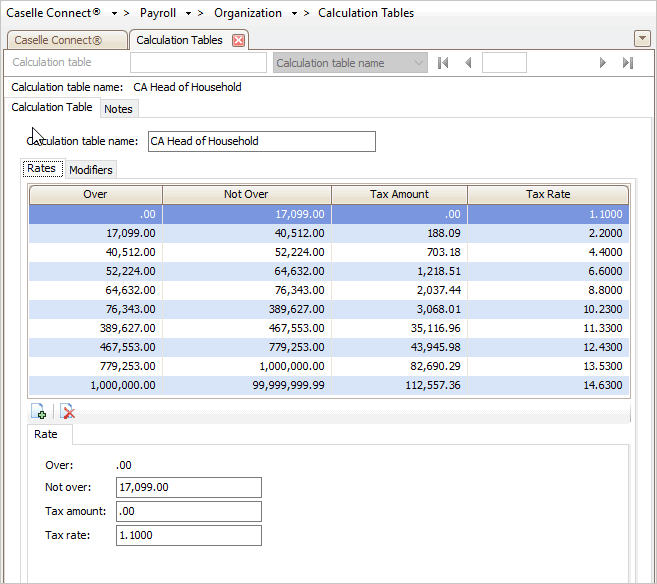
California imposes a graduated income tax, with rates varying based on income levels and filing status. These rates are adjusted annually for inflation. Key components influencing your withholding include:
- Gross Wages: Your total earnings before any deductions.
- Filing Status: Single, Married Filing Jointly, Head of Household, etc.
- Withholding Allowances: Declared on Form DE 4, these reduce the amount of income subject to withholding.
- Additional Withholding: An optional amount you can request to be withheld to cover other income or reduce a future tax bill.
- Deductions and Credits: Certain deductions and credits can reduce your taxable income or tax liability, which you can account for in your withholding.
Understanding these elements is the first step towards accurately calculating and adjusting your withholding to fit your financial profile.
The Essentials of Form DE 4: Your Withholding Allowance Certificate
The primary tool for managing your California state tax withholding is the Employee’s Withholding Allowance Certificate, commonly known as Form DE 4. This form instructs your employer on how much state income tax to deduct from your wages. It mirrors the federal W-4 form but is specific to California’s tax system.
Decoding Withholding Allowances
The concept of withholding allowances is central to Form DE 4. Each allowance you claim reduces the amount of income subject to withholding. The goal is to claim enough allowances so that the amount withheld closely matches your actual tax liability.
- Personal Allowances: You can generally claim one allowance for yourself (unless someone else claims you as a dependent). If you’re married and filing jointly, your spouse can also claim one.
- Dependent Allowances: You can claim an allowance for each dependent you support.
- Additional Allowances: You may be able to claim additional allowances for specific deductions or credits you anticipate taking, such as itemized deductions, head of household filing status, or child and dependent care expenses. The Form DE 4 instructions provide worksheets to help calculate these.
It’s crucial to be accurate when determining your allowances. Claiming too many will lead to under-withholding, while claiming too few will result in over-withholding.
Common Scenarios for Adjusting Your DE 4
Your financial situation is rarely static, and your withholding should reflect these changes to maintain your desired lifestyle without financial stress. You should consider adjusting your Form DE 4 when:
- Life Events: Marriage, divorce, birth or adoption of a child, or a change in dependent status.
- Income Changes: A significant raise, a new job, starting a side hustle, or losing a job.
- Deduction/Credit Changes: Major life changes that impact your eligibility for deductions or credits, such as buying a home, paying student loan interest, or significant medical expenses.
- Tax Law Changes: Periodic updates to California tax laws can affect your overall liability.
- Annual Review: It’s a good practice to review your withholding at least once a year, preferably at the beginning of the year or after filing your previous year’s taxes, to ensure it remains accurate.
Submitting an updated Form DE 4 to your employer initiates the change in your withholding.
Step-by-Step Guide to Calculating California State Tax Withholding
While your employer primarily handles the withholding based on your Form DE 4, understanding the calculation process empowers you to verify accuracy and make informed adjustments. The state’s Employment Development Department (EDD) provides detailed withholding schedules and calculators.
Gathering Your Financial Information
Before you begin, have the following information handy:
- Your Most Recent Pay Stub: This will show your gross pay, pay period (weekly, bi-weekly, semi-monthly, monthly), and year-to-date earnings.
- Your Form DE 4: Note your claimed allowances and any additional withholding.
- Your Filing Status: Single, Married Filing Jointly, etc.
- Estimated Annual Income: If you anticipate changes, project your total income for the year.
- Information on Other Income or Deductions: If applicable (e.g., a second job, significant itemized deductions).
Utilizing the EDD Withholding Schedules
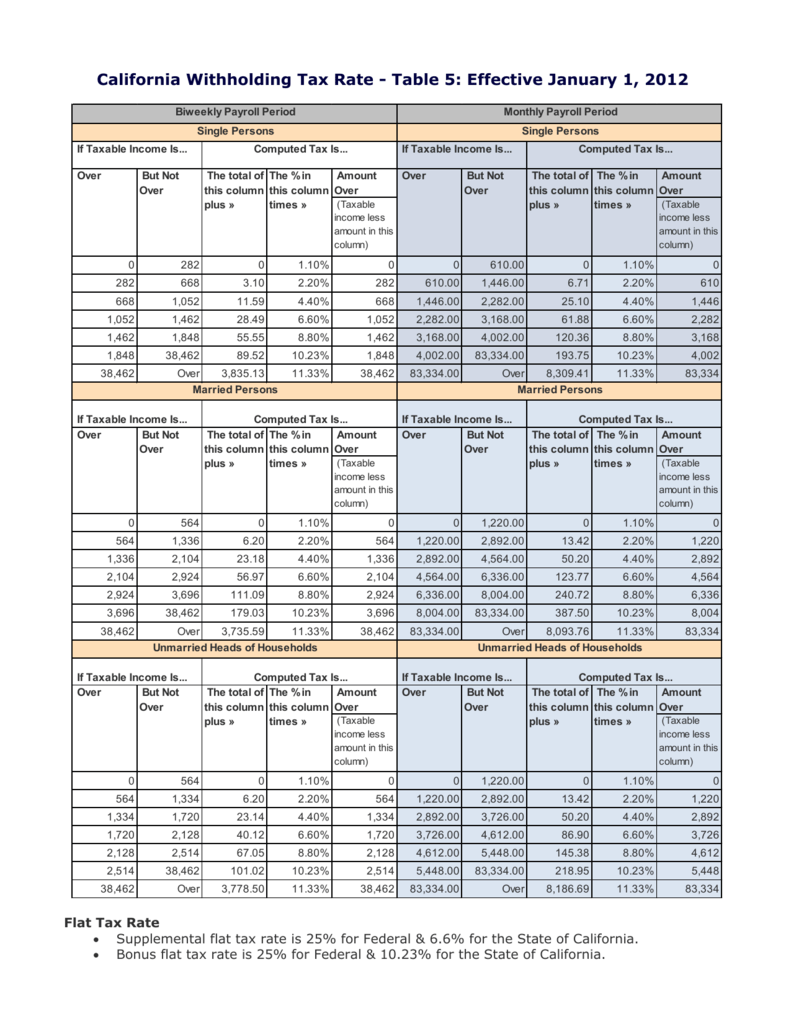
The EDD publishes Employer’s Guide to Wage Withholding (Form DE 44), which contains detailed withholding schedules. While designed for employers, you can use these tables to estimate your withholding.
- Determine Your Pay Period: Find the table corresponding to your pay frequency (e.g., Biweekly Payroll Period).
- Locate Your Filing Status: Within that table, find the column for your filing status.
- Find Your Gross Wages: Scroll down to the range that includes your gross taxable wages for that pay period.
- Identify Your Withholding Allowance Credit: The tables provide a “withholding allowance credit” amount per allowance. Multiply this by the number of allowances you claimed on your Form DE 4.
- Calculate Your Taxable Income for Withholding: Subtract your total withholding allowance credit from your gross wages.
- Calculate the Tentative Tax: Apply the progressive tax brackets provided in the schedules to this adjusted income to find your tentative tax for the pay period.
- Apply Additional Withholding: If you specified an additional withholding amount on your Form DE 4, add that to your tentative tax.
The EDD also offers an online withholding calculator, which is often the easiest and most accurate tool for individuals.
Practical Examples and Adjustments
Let’s say you earn $3,000 bi-weekly, are Single, and claim 1 allowance.
- Using the EDD bi-weekly schedule for Single filers, locate the withholding allowance credit for one allowance. Let’s assume it’s $90 (this figure changes annually).
- Your gross wages are $3,000.
- Subtract the allowance credit: $3,000 – ($90 x 1 allowance) = $2,910.
- Apply the progressive tax brackets to $2,910 to determine the tentative tax. This might involve calculating a percentage of the amount exceeding certain thresholds.
- This final figure, plus any additional withholding, is your estimated state tax for that pay period.
If this estimated amount is significantly different from what’s being withheld from your actual paycheck, it’s a strong indicator that you should adjust your Form DE 4.
Beyond Basic Withholding: Special Considerations for Your California Lifestyle
While the basic calculation covers most employees, certain lifestyle or employment situations in California require additional attention to ensure proper tax withholding.
Navigating Multiple Jobs or Self-Employment
- Multiple Jobs: If you hold more than one job, coordinate your withholding across all employers. You’ll typically want to claim all your allowances with the highest-paying job and perhaps “0” or a lower number with secondary jobs to avoid under-withholding. The Form DE 4 has specific instructions for multiple jobs. Failing to account for combined income across jobs can easily lead to a large tax bill at year-end.
- Self-Employment: If you’re self-employed, an independent contractor, or have significant income not subject to withholding, you are responsible for paying estimated taxes directly to the state throughout the year. This involves calculating your anticipated annual tax liability and remitting payments quarterly.
Estimated Taxes and Underpayment Penalties
For those with substantial income not subject to withholding (e.g., self-employment income, rental income, investments), California requires you to pay estimated taxes. These payments are due on a quarterly basis. Failure to pay enough estimated tax throughout the year can result in underpayment penalties, further impacting your financial lifestyle. Planning these payments is crucial for a smooth financial year.
Impact of Deductions and Credits on Your Net Pay
California offers various deductions and credits that can reduce your taxable income or your actual tax liability. While some of these, like head of household status or dependent credits, can be factored into your Form DE 4 allowances, others might require planning for your annual tax return. Being aware of these can help you better forecast your actual tax burden and adjust your withholding accordingly. Examples include student loan interest deductions, educator expenses, or certain energy credits.
Optimizing Your California Withholding for Financial Wellness
Achieving optimal withholding isn’t just about avoiding penalties; it’s about maximizing your financial flexibility and enhancing your California lifestyle.
The Balance Between Refunds and Underpayment
The “perfect” withholding scenario is to owe a small amount or receive a small refund at tax time, indicating that your withholding was very close to your actual tax liability. A large refund means you gave the state an interest-free loan; a large balance due means you underpaid. Neither is ideal for personal financial management. Aim for accuracy to keep your money working for you throughout the year, whether for investing, saving, or enjoying the rich experiences California offers.
Regular Review and Adjustment Strategies
Financial circumstances change. Make it a habit to:
- Annually Review: At the start of each year, or after filing your tax return, revisit your Form DE 4.
- After Major Life Events: Adjust your withholding immediately after changes like marriage, divorce, a new child, or a significant change in income.
- Use Online Calculators: Leverage the EDD’s online withholding calculator or other reputable tax software tools to project your annual tax and adjust your DE 4 accordingly.
Leveraging Professional Advice for a Stress-Free California Lifestyle
While this guide provides a solid foundation, California’s tax laws can be complex, especially with specific deductions, credits, or unique income situations. For personalized advice, consider consulting a qualified tax professional. They can offer tailored guidance, help you optimize your withholding, and ensure you’re taking advantage of all applicable tax benefits, leaving you more time and peace of mind to enjoy your chosen lifestyle in California. By proactively managing your state tax withholding, you lay a robust financial groundwork that supports your aspirations, allowing you to fully embrace the myriad opportunities and vibrant experiences the Golden State has to offer.
LifeOutOfTheBox is a participant in the Amazon Services LLC Associates Program, an affiliate advertising program designed to provide a means for sites to earn advertising fees by advertising and linking to Amazon.com. Amazon, the Amazon logo, AmazonSupply, and the AmazonSupply logo are trademarks of Amazon.com, Inc. or its affiliates. As an Amazon Associate we earn affiliate commissions from qualifying purchases.