
California, a land of diverse landscapes and experiences, draws millions of travelers annually, from sun-seeking vacationers to astute business professionals. Navigating its vibrant cities, breathtaking national parks, and renowned culinary scene often involves engaging with a myriad of services. A common question for anyone planning a trip, particularly those managing a budget or meticulous expense reports, is whether these services are subject to taxation. Understanding California’s approach to service taxes is not merely an exercise in financial literacy; it’s a critical component of smart travel planning, impacting everything from hotel bills to spa treatments and tour costs. For travelers embracing various lifestyles—from the budget-conscious backpacker to the luxury seeker—the distinction between taxable goods and non-taxable services, along with specific service fees, can significantly alter the total cost of their journey.
Decoding California’s Service Tax Landscape for Travelers
At its core, California generally does not impose sales tax on pure services. Unlike many goods that are subject to sales tax, a service performed without the transfer of tangible personal property is typically exempt. However, this distinction becomes nuanced and often confusing for travelers because many services are intricately linked to tangible goods or fall under specific categories subject to their own charges and fees. The critical factor lies in whether a service is “incidental” to the sale of a tangible item or if it constitutes a separate, specifically designated taxable event.
For instance, if you purchase a tangible product (e.g., a souvenir, a meal at a restaurant), sales tax applies to that item. If a service is performed in conjunction with that sale (e.g., tailoring a suit you just bought), the service may become taxable as part of the overall transaction. However, a standalone service, like a guided tour, a massage, or legal advice, is typically not subject to California sales tax. This fundamental principle shapes how various travel-related expenses are calculated. The primary exception that every traveler encounters is lodging, which is subject to specific local taxes, not statewide sales tax.
Impact on Different Traveler Lifestyles
The way service taxes manifest in California can have a vastly different impact depending on your travel style and preferences. Understanding these nuances empowers travelers to budget more effectively and avoid unwelcome surprises.
For the Budget-Conscious Explorer
For those meticulously tracking every dollar, unforeseen service charges and local taxes can quickly inflate costs. Accommodation is perhaps the most significant area where budget travelers need to be vigilant. While the base rate of a hostel bed or an economy hotel room might appear affordable, the addition of local Transient Occupancy Taxes (TOT), often referred to as hotel or lodging taxes, can add a substantial percentage. These TOT rates vary significantly by city and county, ranging from around 8-10% in some areas to well over 15% in popular destinations like San Francisco and Los Angeles.
Similarly, dining out involves sales tax on food items, which is standard, but some restaurants might add service charges, especially for larger groups, which might or might not be taxable depending on their nature. Booking affordable tours or activities also requires checking if the quoted price is all-inclusive or if additional fees and taxes will be applied at checkout. Proactive inquiry can save a budget traveler from unexpected financial strain.
The Luxury Traveler’s Perspective
Luxury travel in California often entails a host of premium services, from opulent spa treatments and private car services to dedicated concierge assistance and exclusive tour experiences. While many of these pure services are not subject to standard sales tax, the overall cost can still be significantly influenced by various fees and specific local taxes. High-end hotels, for example, frequently levy “resort fees” or “amenity fees” in addition to the room rate. These fees, which cover services like Wi-Fi, fitness center access, or pool use, are often subject to the local TOT because they are considered part of the lodging cost.
When booking all-inclusive packages or exclusive experiences, a luxury traveler must scrutinize the breakdown of charges. While the base price for a bespoke wine tasting tour or a private yacht charter might not include sales tax on the service itself, there could be sales tax on any tangible goods provided (e.g., bottles of wine, catering) or specific local fees tied to the location or type of activity. The sheer volume and value of services engaged in by luxury travelers mean that even small percentage fees can translate into significant additional expenditures.
Family Trips and Group Travel
Family and group travel inherently involves larger bookings and more complex logistics, making an understanding of service taxes even more crucial. When booking larger accommodation units, such as multi-bedroom suites, vacation rentals, or connecting rooms, the base cost is higher, and consequently, the percentage-based TOT will result in a more substantial absolute tax amount. It’s vital to clarify the total cost upfront for these larger bookings.
Activities for families, such as theme park tickets in Anaheim or museum admissions in San Diego, generally have sales tax factored into the ticket price itself, as tickets are often considered tangible goods representing a right to entry. For dining, families or groups might encounter automatic gratuities or service charges added to their bill, particularly for parties of six or more. While genuine gratuities are not taxed, it’s worth confirming whether an added “service charge” is indeed a gratuity for staff or a separate fee that might be subject to other taxation or simply goes to the establishment.
Business Stays and Corporate Travel
For business travelers, understanding service taxation is essential for accurate expense reporting and potential tax deductions. While the company may cover costs, incorrect categorization of taxes can lead to compliance issues. Services frequently utilized during business trips, such as meeting room rentals, business center access, catering for corporate events, or professional consultation services, typically do not incur California sales tax if they are pure services.
However, if these services include tangible elements (e.g., catering with food and beverages, office supplies for a meeting), sales tax will apply to the goods component. Hotel stays for business, like leisure stays, are always subject to TOT. Business travelers should maintain detailed receipts and understand the breakdown of charges to ensure proper expense coding and avoid any discrepancies in corporate expense policies or tax filings.
Navigating Common Service Charges and Fees in California
Beyond the general sales tax rules, several specific areas are highly relevant to travelers regarding service-related costs.
Accommodation: Beyond the Room Rate
The most ubiquitous service-related tax for travelers is the TOT (Transient Occupancy Tax). This local tax applies to stays in hotels, motels, bed and breakfasts, and often short-term vacation rentals (like those booked through platforms such as Airbnb or VRBO). As mentioned, rates vary significantly by municipality. For example, Los Angeles County has a TOT of 12% in unincorporated areas, while within the City of Los Angeles, it’s 14%. San Diego’s TOT is 10.5%, and San Francisco’s is 14%. Some cities also add additional assessments, making the total even higher.
Beyond TOT, many hotels, especially in resort areas, charge “resort fees” or “amenity fees.” These are mandatory daily charges, separate from the room rate, intended to cover amenities like Wi-Fi, pool access, and gym facilities. These fees are usually considered part of the room charge for tax purposes and are therefore subject to TOT. Other common fees like parking fees or pet fees are generally not subject to sales tax or TOT, but they certainly add to the total cost of your stay.
Dining and Entertainment
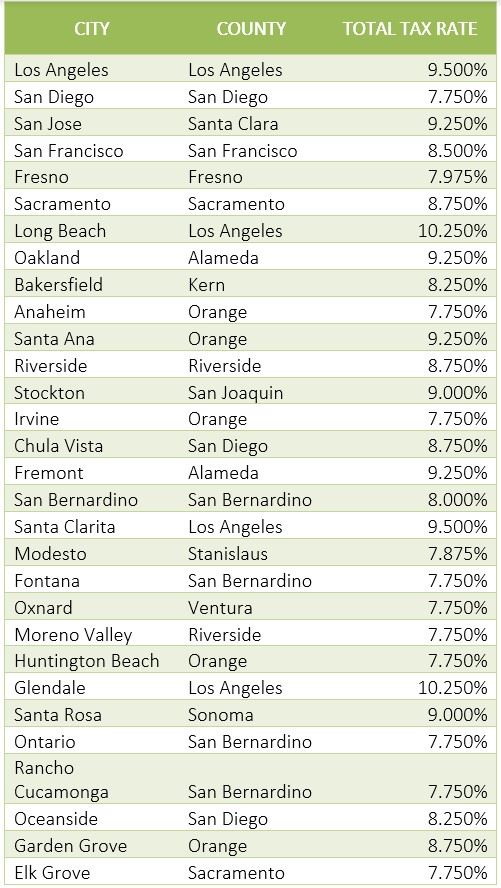
When dining out in California, sales tax applies to prepared food and beverages, which are considered tangible goods. This tax rate also varies slightly by county and city, reflecting the combined state, county, and district sales tax rates. What often confuses travelers are “service charges” or mandatory gratuities. While true tips or gratuities given directly to service staff are not taxable, some establishments, particularly for large groups, may add a “service charge” that is designed to cover various operational costs rather than going directly to staff as a tip. If this charge is not explicitly labeled as a gratuity for staff, it might be considered part of the taxable sale of food and beverages. It’s always best to clarify with the restaurant if unsure.
For entertainment, such as tickets to concerts, sporting events, or theme parks, the ticket itself is generally treated as a tangible good and is subject to sales tax unless a specific exemption applies. The sales tax is typically incorporated into the advertised ticket price or added at the point of purchase.
Personal Services and Wellness
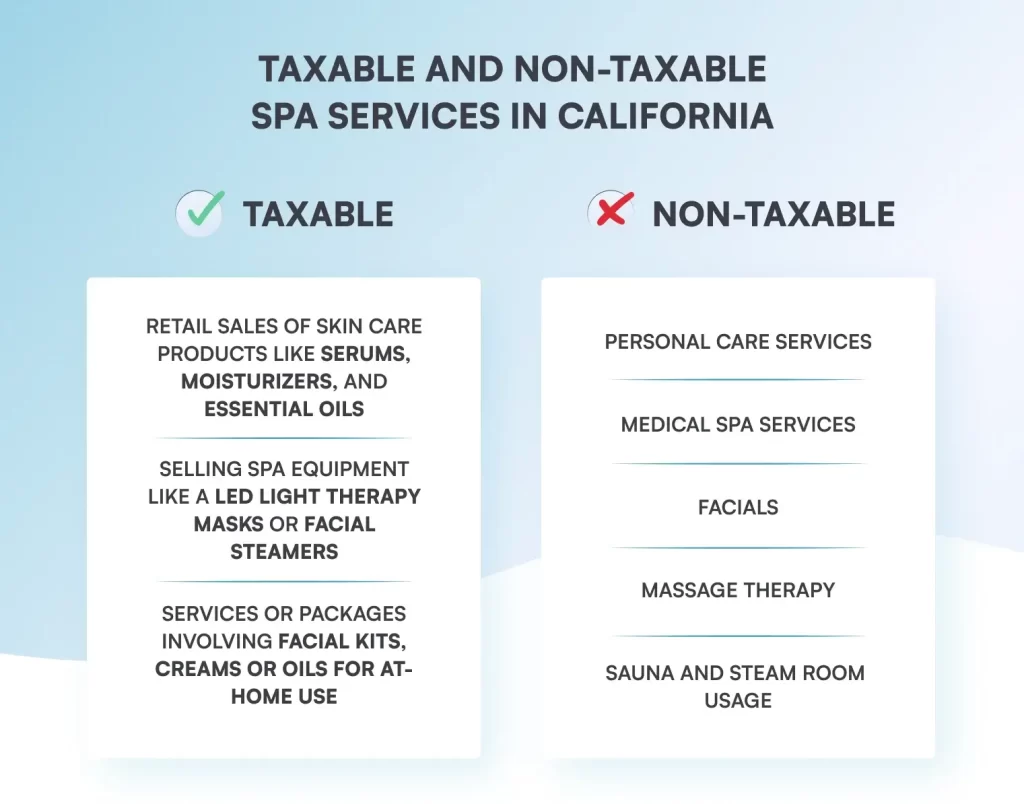
Many personal services popular with travelers fall outside the scope of California sales tax. This includes services like spa treatments, massages, salon services (haircuts, manicures), personal training sessions, and yoga classes. These are considered pure services without the transfer of tangible personal property. However, if a spa treatment includes a take-home product (e.g., a lotion or oil), the product itself would be subject to sales tax. Similarly, a haircut is a service, but the shampoo or styling product purchased separately would be taxed. It’s important to remember that while sales tax might not apply, service providers may still impose their own facility fees or administrative charges.

Proactive Planning: A Traveler’s Guide to California Service Taxes
For any traveler to California, adopting a proactive approach to understanding service taxes is key to a smooth and predictable trip.
Firstly, always inquire about the “total price” when booking accommodation, tours, or other significant services. Don’t just look at the base rate; ask for a full breakdown that includes all applicable taxes, fees, and charges. This is especially critical for online bookings where these additions might only appear at the final checkout stage.
Secondly, review booking confirmations carefully. Discrepancies or unexpected charges are easier to address before arrival or service delivery. Look for line items like “Transient Occupancy Tax,” “Resort Fee,” “City Tax,” or “Service Charge.”
Thirdly, for detailed information on local accommodation taxes, utilize official city and county tourism or finance websites. These resources often provide precise TOT rates for their jurisdictions, allowing you to estimate costs accurately. Websites for cities like Los Angeles, San Francisco, and San Diego are excellent starting points.
Finally, and perhaps most importantly, budget for the “invisible” costs. Factor in an additional percentage for taxes and fees on top of advertised prices for accommodation, dining, and activities. This contingency will prevent unwelcome surprises and ensure that your California experience remains enjoyable and within your financial comfort zone, regardless of your chosen travel lifestyle.
LifeOutOfTheBox is a participant in the Amazon Services LLC Associates Program, an affiliate advertising program designed to provide a means for sites to earn advertising fees by advertising and linking to Amazon.com. Amazon, the Amazon logo, AmazonSupply, and the AmazonSupply logo are trademarks of Amazon.com, Inc. or its affiliates. As an Amazon Associate we earn affiliate commissions from qualifying purchases.