
The vibrant state of Colorado is renowned for its majestic Rocky Mountains, pioneering spirit, and progressive policies. From the bustling streets of Denver to the serene landscapes of its national parks, this destination consistently pushes boundaries, not just in adventure travel but also in innovative approaches to health and wellness. One of the most frequently asked questions by curious travelers and residents alike, particularly those interested in exploring alternative wellness paths, is “Are mushrooms legal in Colorado?” The answer, like many things in the Centennial State, is nuanced and reflects a forward-thinking stance that has significant implications for tourism, lifestyle, and individual liberty.
Understanding Colorado’s Approach to Natural Medicines
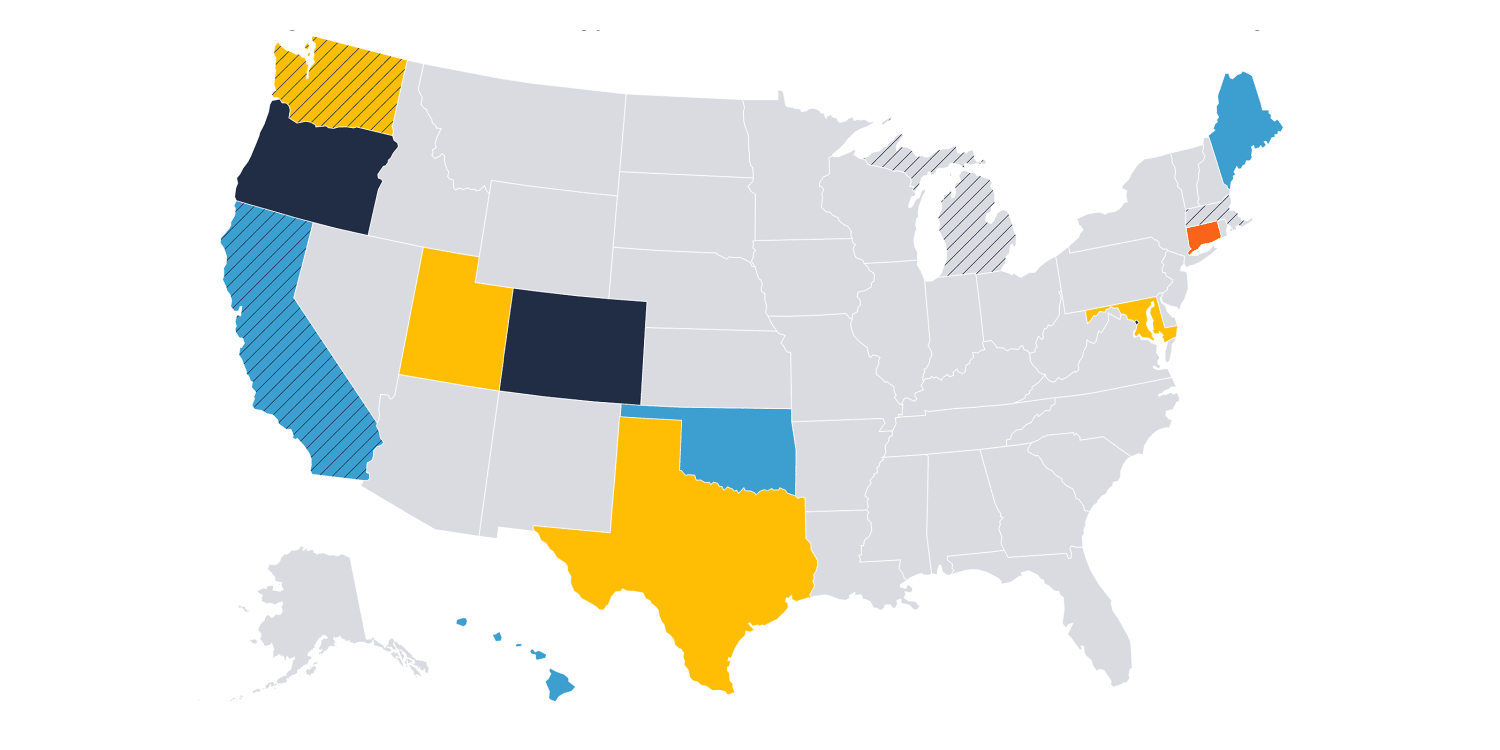
Colorado has been at the forefront of drug policy reform for over a decade, famously being one of the first states to legalize recreational cannabis. This pioneering spirit has extended to “natural medicines,” particularly psilocybin, the psychoactive compound found in certain types of mushrooms. The legal landscape surrounding these substances is complex, moving beyond simple decriminalization to establish a framework for regulated access and therapeutic use. For visitors planning their next adventure or a tranquil retreat in Colorado, understanding these policies is crucial for a compliant and enjoyable experience.
The Journey to Decriminalization and Beyond: Proposition 122
The pivotal moment in Colorado’s journey with natural medicines came with the passage of Proposition 122 in November 2022. Officially known as the Natural Medicine Health Act, this ballot initiative marked a significant shift from the previous decriminalization efforts seen in cities like Denver and Boulder. While local decriminalization meant that possessing small amounts of psilocybin was the lowest law enforcement priority, Proposition 122 created a statewide framework for regulated access to certain psychedelic substances.
Under the Natural Medicine Health Act, several naturally occurring psychedelic substances—psilocybin, psilocin, DMT, and mescaline (excluding peyote)—have been decriminalized for adults aged 21 and older. This means that personal possession, use, and cultivation of these substances are no longer criminal offenses under state law, provided they are kept within specified limits and are not used publicly or sold for profit.
However, the act goes a step further than mere decriminalization. It also establishes a state-regulated system for supervised administration of psilocybin and psilocin. This system allows for the creation of “healing centers” where individuals can receive these natural medicines under the guidance of trained facilitators. The goal is to provide therapeutic access for mental health conditions such as depression, anxiety, and PTSD, moving these substances into a legitimate healthcare and wellness context rather than just recreational use. The regulatory framework for these healing centers is still being developed by the Colorado Department of Regulatory Agencies (DORA), with licensing expected to begin in 2024 or 2025. This gradual rollout ensures a cautious and responsible approach to integrating natural medicines into the state’s health and wellness landscape.
What is “Natural Medicine” in Colorado?
When we talk about “natural medicine” in Colorado’s legal context, it primarily refers to the specific psychedelic compounds outlined in Proposition 122: psilocybin, psilocin, DMT, and mescaline (with the explicit exclusion of peyote due to its cultural significance to indigenous communities). It’s crucial to understand what this does not mean. It does not mean that all types of mushrooms are legal to pick and consume. Many wild mushrooms are poisonous and can be extremely dangerous. The law specifically refers to fungi containing psilocybin or psilocin.
Furthermore, it’s not a free-for-all for commercial sales. While personal cultivation is permitted within certain limits for adults over 21, the law explicitly prohibits the sale of these substances to others. The only legal pathway for commercial distribution will be through the state-licensed healing centers, once they are established, operating under strict regulations and providing supervised experiences. This distinction is vital for anyone traveling to or residing in Colorado; possession for personal use is decriminalized, but engaging in unregulated sales or public consumption remains illegal. This measured approach aims to minimize potential harms while maximizing therapeutic benefits, setting a precedent for other states considering similar reforms.
Implications for Travelers and Tourists
For those planning a trip to Colorado, the evolving legal status of natural medicines adds another layer of intrigue to an already captivating destination. Whether you’re seeking adventure on the slopes of Aspen or spiritual solace in the foothills, understanding the local laws is paramount to a seamless and respectful travel experience. The state’s innovative policies, alongside its breathtaking natural beauty and vibrant cultural scene, offer a unique blend of experiences that cater to diverse lifestyles.
Navigating the Legal Landscape as a Visitor
As a tourist, it’s essential to understand that while personal use and cultivation of certain natural medicines are decriminalized for adults over 21, this does not equate to open legalization akin to recreational cannabis. The key distinctions for travelers are:
- Possession Limits: The law allows for personal possession of small amounts of these substances. While specific amounts are not always explicitly defined in broad terms, the intent is for personal use, not distribution. Travelers should exercise caution and avoid carrying amounts that could be misconstrued as intent to distribute.
- No Public Use: Consumption of natural medicines in public places remains illegal. This includes parks, streets, restaurants, bars, and any other public-facing establishments. The experience is intended for private, responsible use or within future licensed healing centers.
- No Sales or Gifting: It is illegal to sell, provide, or facilitate the exchange of natural medicines for money or any other form of compensation. This means tourists cannot purchase these substances from unregulated vendors. Gifting small amounts between adults is generally decriminalized, but commercial transactions are strictly prohibited outside of the future regulated system.
- Federal Law Still Applies: This is arguably the most critical point for travelers. While Colorado has enacted state-level reform, psilocybin and other scheduled substances remain illegal under federal law. This has several implications:
- Air Travel: It is illegal to transport these substances across state lines, particularly via air. Airports fall under federal jurisdiction.
- Federal Lands: National parks (like Great Sand Dunes National Park or Mesa Verde National Park), national forests, and other federal properties within Colorado are subject to federal law. Possession on these lands can lead to federal charges, which are often much more severe than state-level infractions.
For these reasons, travelers interested in exploring the therapeutic or personal benefits of natural medicines in Colorado should do so with extreme caution, ensure strict compliance with state laws, and be fully aware of the federal prohibitions, especially concerning travel and federal lands.
Responsible Tourism and Ethical Considerations
Colorado’s tourism sector is built on a foundation of respect for its natural environment, local communities, and progressive values. When considering the availability of natural medicines, responsible tourism takes on new dimensions. Visitors are encouraged to:

- Educate Themselves: Before arriving, fully understand the specifics of Colorado’s Natural Medicine Health Act and differentiate it from policies in other states or countries.
- Respect Local Customs and Laws: Even with decriminalization, public perception and local ordinances can vary. Be discreet and considerate.
- Prioritize Safety: If exploring natural medicines, do so in a safe, private environment with trusted individuals. Never drive under the influence.
- Support Ethical Providers: Once licensed healing centers become available, seek out those that operate ethically, prioritize client safety, and contribute positively to the local economy.
- Environmental Stewardship: Colorado’s natural beauty is its greatest asset. Adhere to Leave No Trace principles, especially if venturing into areas where natural medicines might be found. Unregulated foraging for wild mushrooms can be dangerous and detrimental to ecosystems.
By embracing responsible tourism practices, visitors can ensure their experiences in Colorado are not only personally enriching but also beneficial to the communities they visit and the environment they enjoy.
The Broader Lifestyle and Wellness Movement
The discussion around natural medicines in Colorado isn’t isolated; it’s part of a larger global lifestyle and wellness movement. People are increasingly seeking holistic approaches to health, stress management, and personal growth. Colorado, with its emphasis on outdoor activity, mindfulness, and healthy living, is a natural fit for this trend. The integration of regulated natural medicines could further solidify its position as a leading destination for wellness tourism.
Psilocybin and Holistic Wellness
The decriminalization and future regulated access to psilocybin in Colorado reflect a growing recognition of its potential therapeutic benefits. Research from institutions worldwide has highlighted psilocybin’s efficacy in treating various mental health conditions, often with profound and lasting positive effects. For residents and visitors alike, this opens up new avenues for holistic wellness that extend beyond traditional pharmaceuticals.
The future healing centers in Colorado are envisioned as places where individuals can engage in deeply personal and transformative experiences in a safe, guided setting. This approach aligns with the state’s broader lifestyle offerings, which include yoga retreats in the mountains, meditation centers in Boulder, and a general ethos of self-improvement and connection to nature. For travelers interested in personal development, mental clarity, or seeking alternative treatments for well-being, Colorado is positioning itself as a frontier for such explorations. It’s about combining the rugged beauty of the Rockies with inner exploration, creating a truly unique travel and lifestyle proposition.
Future Outlook: A New Frontier for Colorado Tourism?
As the regulatory framework for Proposition 122 matures, it’s plausible that natural medicine tourism could become a niche but significant aspect of Colorado’s economy, much like cannabis tourism. This would not be about “psychedelic parties,” but rather about structured, health-oriented retreats and experiences. High-end resorts and specialized wellness centers, potentially in areas known for their tranquil environments like Vail or secluded mountain towns, could eventually offer supervised psilocybin sessions as part of broader wellness packages.
This shift presents both opportunities and challenges. Colorado would need to carefully manage the integration to maintain its reputation for responsible tourism and preserve the integrity of these medicines as therapeutic tools rather than recreational novelties. The state’s experience with cannabis regulation provides a template for developing robust licensing, safety protocols, and public education campaigns. If managed thoughtfully, natural medicine tourism could attract a new demographic of visitors seeking transformative experiences, further diversifying Colorado’s already rich tourism portfolio. This could include luxurious accommodation options focused on holistic health, innovative culinary experiences, and guided outdoor activities that complement a wellness journey, all designed to offer a complete and enriching lifestyle package.
Planning Your Colorado Experience (Beyond Mushrooms)
While the legal status of mushrooms is a fascinating aspect of Colorado’s progressive policies, the state offers an incredible array of experiences that appeal to every type of traveler. From world-class skiing and hiking to vibrant city life and historical landmarks, Colorado promises unforgettable journeys.
Iconic Landmarks and Outdoor Adventures
Colorado is a paradise for outdoor enthusiasts. The majestic Rocky Mountains dominate the landscape, offering endless opportunities for hiking, mountain biking, rock climbing, and skiing. Rocky Mountain National Park, with its stunning peaks and diverse wildlife, is a must-visit for nature lovers. For a unique geological wonder, explore the surreal formations at Garden of the Gods near Colorado Springs, or witness the vastness of the Great Sand Dunes National Park and Preserve. History buffs will appreciate the ancient cliff dwellings at Mesa Verde National Park, offering a glimpse into ancestral Puebloan culture.
Cities like Denver provide a bustling urban experience with renowned breweries, art museums, and a thriving culinary scene. Boulder is famous for its outdoor lifestyle, progressive culture, and access to beautiful hiking trails. Ski resorts like Aspen, Vail, and Breckenridge offer luxurious accommodations and unparalleled winter sports opportunities. Whether you’re seeking high-octane adventure or serene natural beauty, Colorado’s landscapes provide the perfect backdrop.

Accommodation and Travel Tips
When planning your trip to Colorado, accommodation options are as diverse as the landscapes. You can find everything from opulent suites in Aspen and Vail to cozy cabins nestled in the mountains, boutique hotels in Denver, or charming apartments in Boulder. For longer stays or family trips, villas and resorts with extensive amenities like spas, pools, and gourmet dining are plentiful. Booking in advance, especially during peak seasons (winter for skiing, summer for hiking), is highly recommended to secure the best rates and desired locations. Websites like lifeoutofthebox.com offer comprehensive guides, reviews, and comparison tools to help you find the perfect stay.
Travel tips for Colorado often include:
- Altitude Sickness: Many popular destinations are at high altitudes. Drink plenty of water, limit alcohol, and take it easy for the first day or two.
- Weather: Mountain weather can change rapidly. Pack layers, even in summer.
- Transportation: While major cities have public transport, a car is often necessary to explore national parks and remote areas.
- Respect Nature: Adhere to Leave No Trace principles to preserve Colorado’s pristine environment.
- Stay Hydrated: The dry climate and high altitude make hydration crucial.
In conclusion, while the question “Are mushrooms legal in Colorado?” has a complex answer of decriminalization and future regulated access, it highlights Colorado’s progressive stance on health and wellness. For travelers and lifestyle enthusiasts, this adds another unique dimension to a state already rich in natural beauty, adventure, and innovative culture. By understanding and respecting the evolving laws, visitors can enjoy all that Colorado has to offer, from its majestic mountains to its forward-thinking approach to natural medicine.
LifeOutOfTheBox is a participant in the Amazon Services LLC Associates Program, an affiliate advertising program designed to provide a means for sites to earn advertising fees by advertising and linking to Amazon.com. Amazon, the Amazon logo, AmazonSupply, and the AmazonSupply logo are trademarks of Amazon.com, Inc. or its affiliates. As an Amazon Associate we earn affiliate commissions from qualifying purchases.