
For many travelers, the terms “hotel” and “motel” are often used interchangeably, conjuring images of a place to sleep while away from home. However, delve a little deeper into the world of accommodation, and you’ll uncover distinct differences that shape not only their physical appearance but also the services they offer, their target audience, and the overall guest experience. Understanding these nuances is key to making an informed decision when planning your next trip, whether it’s a cross-country United States road trip or a luxurious Paris getaway. This guide will unravel the fundamental distinctions between these two ubiquitous forms of lodging, helping you choose the perfect stay for your travel lifestyle.

Understanding the Core Definitions
Before diving into a comparative analysis, it’s crucial to establish clear definitions for what constitutes a hotel and what defines a motel. Their very names offer a significant clue to their origins and primary functions.
What Exactly is a Hotel?
The term “hotel” has its roots in the French word “hôtel,” historically referring to a grand urban dwelling. Today, a hotel is typically an establishment offering lodging, and often other services, to travelers and tourists. Hotels are traditionally characterized by their multi-story structures, with rooms accessed via interior hallways. They are designed to be destinations in themselves or serve as comfortable bases for exploring larger areas like New York City or Rome.
Hotels generally provide a broad spectrum of amenities that extend beyond just a room. These can include lobbies, restaurants, bars, swimming pools, fitness centers, conference rooms, concierge services, and bellhop assistance. Brands like Marriott, Hilton, and Hyatt exemplify the diverse offerings within the hotel sector, ranging from budget-friendly options to opulent resorts like The Ritz-Carlton. Their design and service philosophy cater to various types of stays, from business travel and family vacations to romantic escapes and long-term accommodation.
What Defines a Motel?
The word “motel” is a portmanteau of “motor” and “hotel,” a linguistic fusion that perfectly encapsulates its original purpose. Motels emerged in the early 20th century, specifically designed to cater to the burgeoning number of motorists traversing the highways of the United States. Their primary function was to provide convenient, roadside accommodation for travelers journeying by car.
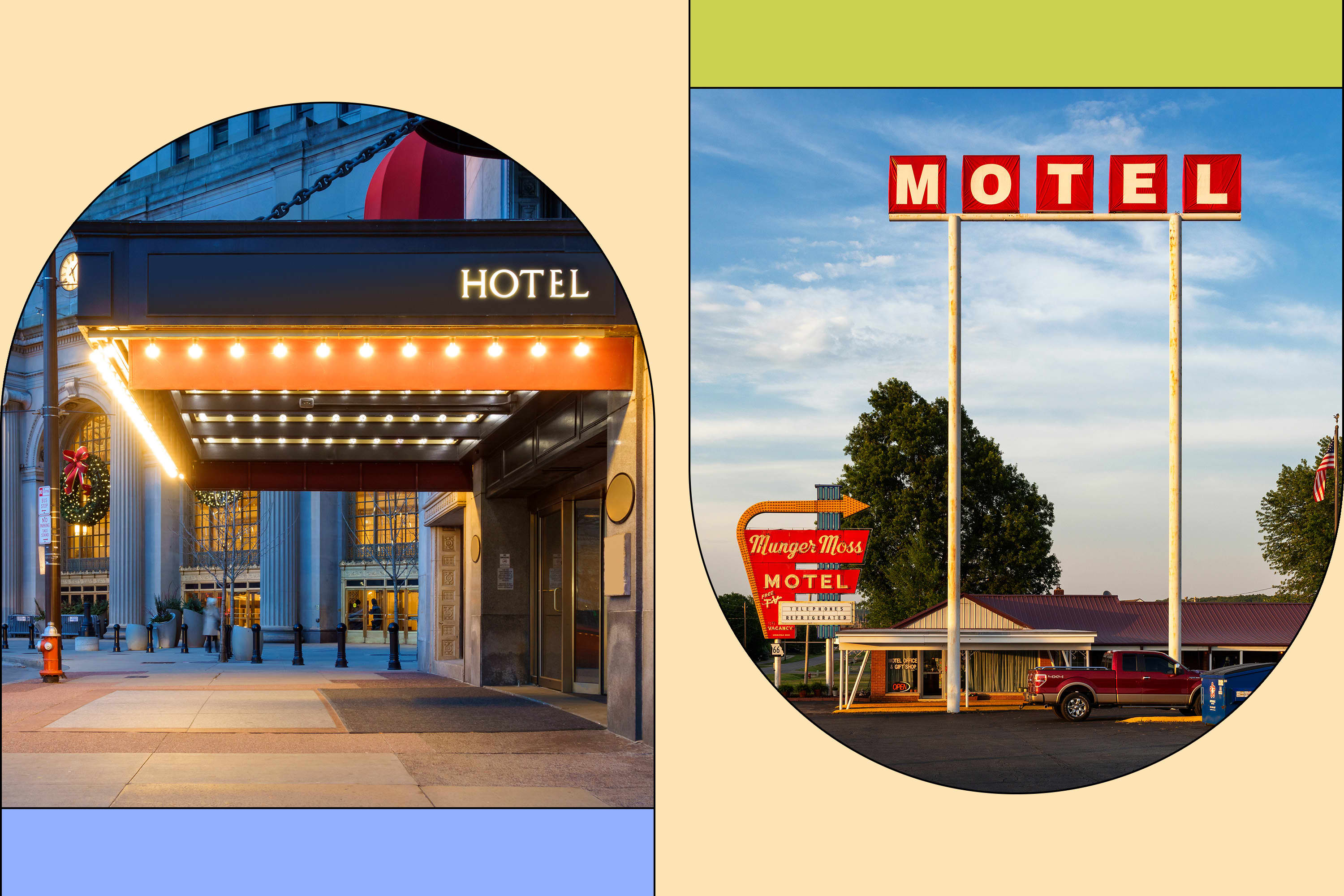
A defining characteristic of motels is their architectural layout: typically one or two stories high, with rooms that have direct, outdoor access. Guests can often park their vehicle directly in front of their room door, making for swift check-ins and departures. Motels like Motel 6, Super 8, and Days Inn became iconic symbols of American road trips, offering no-frills accommodation focused on convenience and affordability. While some modern motels have evolved, their core identity remains rooted in providing accessible lodging for those on the move.
Key Distinctions: A Comparative Analysis
The fundamental differences between hotels and motels become clearer when we examine various aspects of their operation, design, and target markets.
Architectural Layout and Accessibility
The most visually apparent difference lies in their architectural design.
Hotels:
- Structure: Typically multi-story buildings, ranging from a few floors to towering skyscrapers.
- Room Access: Rooms are almost exclusively accessed via interior hallways, requiring guests to pass through a central lobby and use elevators or internal stairwells. This design offers enhanced security and a greater sense of privacy and quiet.
- Parking: Parking is usually in a dedicated garage, a large lot, or valet service, often separate from the main building and sometimes at an additional cost. Guests walk a distance from their car to the lobby and then to their room.
- Examples: From a boutique hotel in London to a high-rise luxury property in Tokyo, hotels prioritize vertical expansion and a centralized service hub.
Motels:
- Structure: Predominantly low-rise, often one or two stories. This design minimizes construction costs and maximizes ease of access.
- Room Access: A hallmark of motels is direct external room access. Guests can park directly outside their room door, making loading and unloading luggage straightforward. This layout is incredibly convenient for short stays and transit.
- Parking: Ample, free, and adjacent parking is a standard expectation. The design inherently integrates parking with the room units.
- Examples: Think of the classic roadside establishments along historic Route 66 in the Southwest United States, where convenience for motorists was paramount.
Amenities and Services Offered
The scope of amenities and services is another significant differentiator, often reflecting the intended length and purpose of a guest’s stay.
Hotels:
- Extensive Facilities: Hotels pride themselves on offering a wide array of amenities. These can range from multiple dining options, bars, coffee shops, and room service to comprehensive fitness centers, spas, swimming pools (indoor and outdoor), business centers, and concierge desks. Many offer laundry services, meeting rooms, and event spaces.
- Staffing: Generally have a larger staff, including front desk agents, bellhops, concierge staff, valets, housekeeping, security, and restaurant personnel, providing a higher level of service and assistance.
- Experience Focus: Designed to offer a holistic experience, often providing entertainment, dining, and relaxation options within the property itself. A stay at the Bellagio Las Vegas or Walt Disney World Resort illustrates the scale of amenities a hotel or resort can offer.
Motels:
- Basic Conveniences: Motels typically offer a more limited set of amenities, focusing on the essentials for a comfortable overnight stay. Common amenities include a bed, private bathroom, television, and perhaps a small refrigerator or microwave. Many provide complimentary Wi-Fi and often have ice machines.
- Limited Staffing: Staffing is usually leaner, focusing on front desk operations and basic housekeeping. Services like bellhops or concierges are rare.
- Convenience Focus: The primary goal is to provide a clean, safe, and convenient place to rest. While some may have a small pool or offer a continental breakfast, they are not typically designed to be a destination in themselves. An Econo Lodge or Quality Inn typically falls into this category.
Location and Target Audience
The placement of these establishments is strategically chosen to appeal to different types of travelers.
Hotels:
- Location: Hotels are strategically located in urban centers, near major business districts, tourist attractions, airports, or in scenic resort areas. Their purpose is to serve guests who are visiting a specific destination, whether for business, leisure, or to attend events.
- Target Audience: Caters to a diverse clientele including business travelers, tourists, families on vacation, couples seeking a romantic getaway, and attendees of conferences or conventions. Guests often plan to stay for multiple nights and utilize the hotel’s amenities and proximity to local attractions. A traveler exploring the vibrant streets of Barcelona for a week would typically opt for a hotel.
Motels:
- Location: Motels are predominantly found along major highways, interstates, and commercial strips, often on the outskirts of towns or cities. Their “roadside” presence is integral to their function.
- Target Audience: Primarily caters to motorists and road trippers who need a convenient and affordable place to stop for the night during a long journey. Truck drivers, traveling salespersons, and families on a budget-conscious cross-country trip are typical guests. Stays are often short, perhaps just one night. A family driving from Orlando to Chicago would likely break up their journey with motel stays.
Pricing and Value Proposition
The cost-effectiveness and perceived value also vary significantly between hotels and motels.
Hotels:
- Pricing: Generally higher-priced due to the extensive range of amenities, services, and prime locations. Prices can fluctuate significantly based on brand, star rating, location, season, and demand. Luxury hotels can command premium rates, offering an experience that transcends mere accommodation.
- Value Proposition: Offers a comprehensive travel experience, often including dining, recreation, and a high level of personalized service. Guests are paying not just for a bed but for the entire ecosystem of services and conveniences provided.
Motels:
- Pricing: Almost invariably more affordable than hotels. Their lower operational costs (fewer staff, simpler facilities) translate to lower room rates, making them attractive to budget-conscious travelers.
- Value Proposition: Provides a straightforward, no-frills solution for an overnight stop. The value lies in convenience, accessibility, and affordability, offering essential comfort without unnecessary extravagance. A traveler seeking to maximize their budget while exploring diverse regions like Texas or Florida might find motels to be an excellent choice.
The Overall Guest Experience
The atmosphere and expected experience are perhaps the most subjective yet impactful distinctions.
Hotels:
- Ambiance: Hotels often strive to create a specific atmosphere, be it luxurious, trendy, historic, or family-friendly. The lobby acts as a social hub, and interior corridors contribute to a quieter, more private environment.
- Social Interaction: Opportunities for social interaction can be higher, with common areas like lobbies, bars, and restaurants designed for guests to linger and socialize.
- Security: Interior hallways and controlled access points (key cards for elevators, 24/7 front desk) generally provide a higher perceived level of security.
Motels:
- Ambiance: Motels tend to have a more functional and casual atmosphere. The focus is on quick access and departure, not on creating an immersive environment.
- Social Interaction: Less emphasis on common areas; interaction is typically limited to the check-in process. Guests often retreat directly to their rooms.
- Security: While security measures are in place, direct external access to rooms can sometimes lead to a slightly lower perceived sense of privacy compared to hotels.
Historical Context and Evolution
The evolution of hotels and motels closely mirrors shifts in travel patterns and transportation. Hotels predated mass automobile ownership, serving train passengers and horse-drawn carriage travelers in city centers. They were often grand establishments reflecting the affluence of their guests.
With the advent of the automobile in the early 20th century and the construction of extensive road networks like the Lincoln Highway, a new need arose: convenient, affordable lodging for motorists. The first known motel, the Motel Inn in San Luis Obispo, California, opened in 1925, specifically catering to “motor tourists.” This innovation democratized travel, making long-distance road trips feasible for the average American family.
Over time, the lines have blurred somewhat. Many motel chains have upgraded their facilities, adding pools, fitness centers, and complimentary breakfasts, sometimes adopting a more “hotel-like” feel, particularly those branded as “inn” or “lodge.” Conversely, budget hotel chains have adopted some motel conveniences, such as easier parking and more streamlined services. Yet, the core architectural and operational distinctions largely persist.

Choosing the Right Accommodation for Your Trip
Deciding between a hotel and a motel ultimately comes down to your specific travel needs, budget, and desired experience.
-
Choose a Hotel if:
- You are staying in a major city center or a resort destination like Miami Beach.
- You plan to stay for several nights and desire a full range of amenities, including dining, fitness, and concierge services.
- You prioritize privacy, security, and a potentially more luxurious or refined atmosphere.
- You are traveling for business, attending a conference, or seeking a specific destination experience.
- Your budget allows for more comprehensive services and facilities.
-
Choose a Motel if:
- You are on a road trip, covering long distances by car, and need a convenient place to stop for the night.
- Your priority is affordability and easy access to your vehicle.
- You prefer a no-frills approach, needing only a clean and comfortable bed and basic amenities.
- You’re looking for a quick, in-and-out stay without much lingering on the property.
- Your travel style leans towards practicality and efficiency, especially in regions known for expansive driving like Australia or large parts of Canada.
In conclusion, while both hotels and motels offer a place to rest your head, they evolved from different needs and continue to serve distinct travel purposes. Hotels represent a broader hospitality experience, often integral to the destination itself, while motels remain the steadfast companions of the open road, providing essential comfort and convenience for the journey. Understanding these differences empowers you to select the accommodation that best enhances your unique travel adventure.
LifeOutOfTheBox is a participant in the Amazon Services LLC Associates Program, an affiliate advertising program designed to provide a means for sites to earn advertising fees by advertising and linking to Amazon.com. Amazon, the Amazon logo, AmazonSupply, and the AmazonSupply logo are trademarks of Amazon.com, Inc. or its affiliates. As an Amazon Associate we earn affiliate commissions from qualifying purchases.