
The Golden State, renowned for its breathtaking natural beauty, vibrant cities like Los Angeles and San Francisco, and a thriving tourism industry, also has a complex and often stringent set of laws governing firearms and related accessories. For those interested in the outdoor lifestyle, perhaps camping in Yosemite National Park or hunting in the vast plains, understanding firearm regulations is paramount. One area that frequently generates questions is the legality of firearm suppressors, commonly referred to as silencers. This article delves into the current legal status of silencers in California, offering clarity for residents and visitors alike.
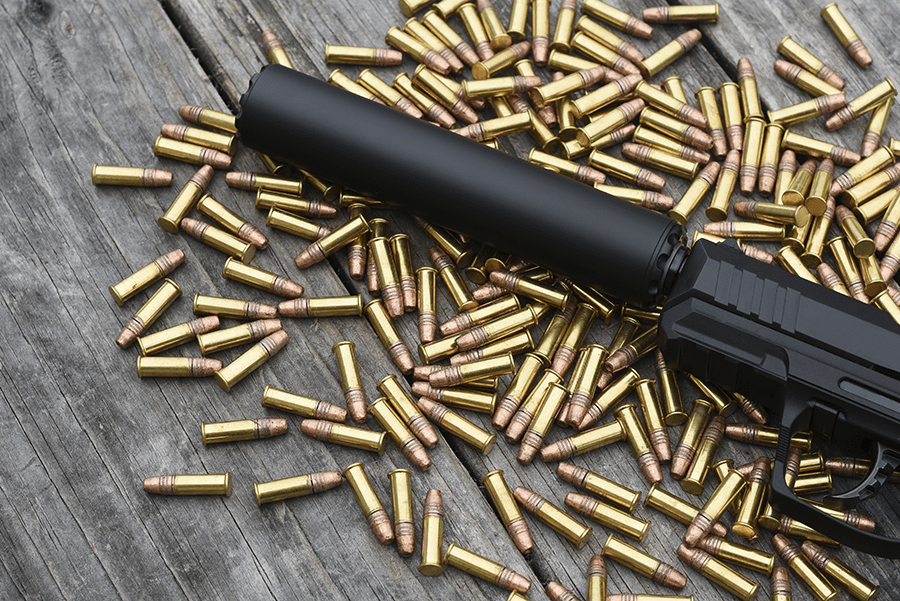
The term “silencer” itself is a bit of a misnomer. While these devices significantly reduce the sound of a firearm discharge, they do not render the weapon completely silent. The reduction in noise is substantial, however, making them a desirable accessory for various reasons, including hearing protection for shooters and bystanders, reducing the overall noise pollution from firearms, and improving the shooting experience. The legal landscape surrounding firearms and accessories in California is particularly intricate, reflecting a broader societal debate about gun control.
The Federal Landscape and California’s Stance
To understand the legality of silencers in California, it’s essential to first grasp the federal regulations. In the United States, silencers are regulated under the National Firearms Act (NFA) of 1934. This federal law classifies silencers as NFA items, meaning their possession and transfer are subject to a rigorous federal registration and taxation process. This typically involves a lengthy background check, fingerprinting, photograph submission, and the payment of a $200 tax stamp to the Bureau of Alcohol, Tobacco, Firearms and Explosives (ATF).
Despite federal regulation, individual states have the authority to enact their own laws regarding firearms and accessories. Historically, California has been at the forefront of enacting stricter gun control measures compared to many other states. This has created a unique legal environment where certain firearm components or accessories that might be legal in other parts of the country are prohibited or heavily restricted within the Golden State.
Prohibitions and Restrictions in California
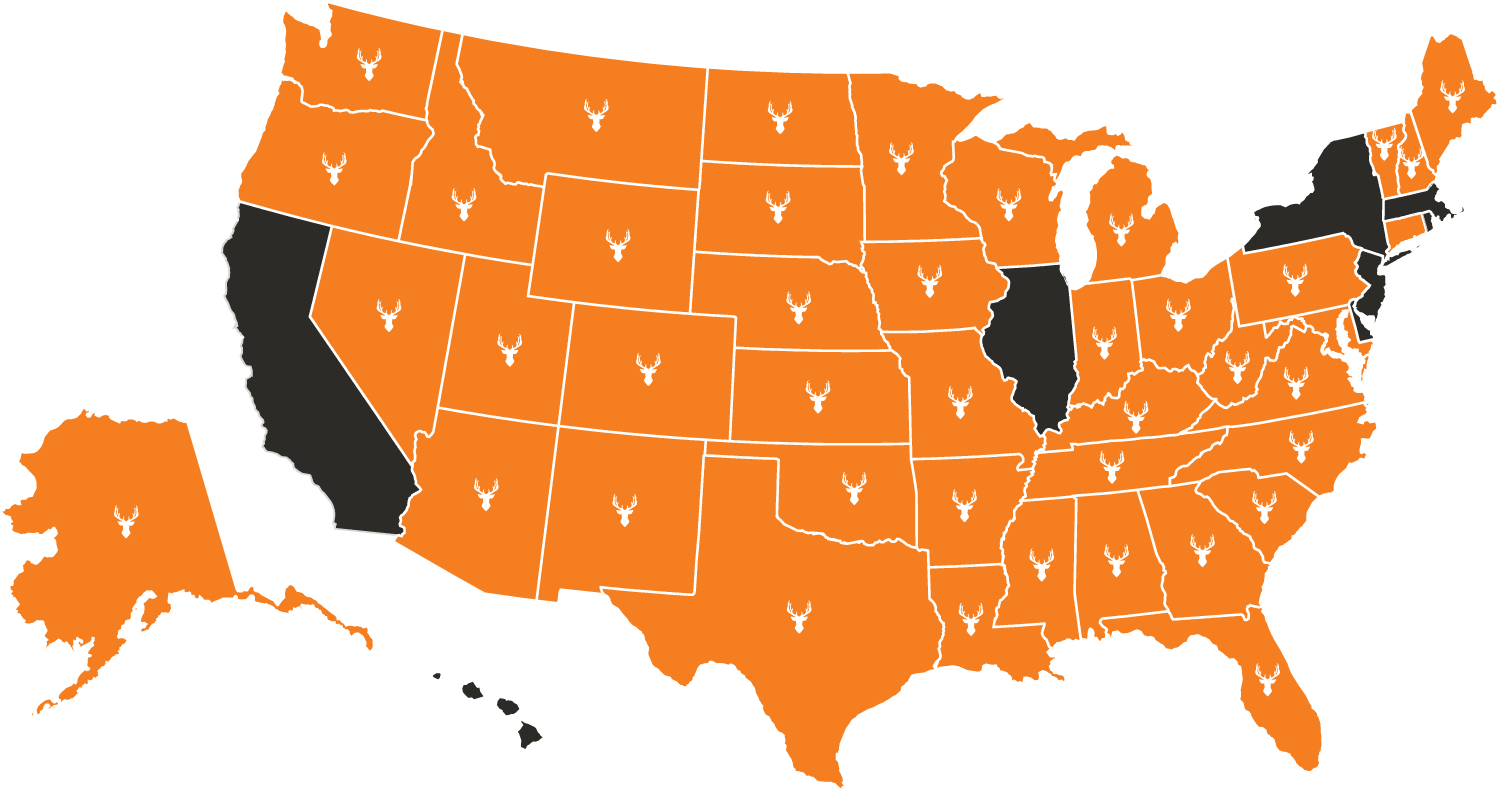
The primary obstacle for silencer ownership in California is Assembly Bill 845, signed into law in 2013. This legislation explicitly bans the possession, manufacture, and sale of firearm silencers within the state, with very limited exceptions. Unlike many other NFA items, such as short-barreled rifles or machine guns, which can be legally owned in California with proper federal registration and state approval, silencers are generally outright prohibited for civilian ownership.
This means that if you are a resident of California or visiting the state with the intention of engaging in shooting activities, owning or possessing a silencer without specific authorization is a serious legal offense. The penalties for violating these state laws can be severe, including substantial fines and imprisonment. The intent of AB 845 was to curb gun violence and reduce noise pollution, aligning with California’s broader public safety agenda.
It’s important to distinguish between the federal registration process and California’s state-level prohibition. While a silencer can be legally registered with the ATF on a federal level, this federal approval does not supersede California’s state law. Therefore, even if you have a federally registered silencer, possessing it within California would still be illegal. This is a critical point of confusion for many and underscores the importance of understanding specific state regulations.
Exceptions and Nuances

While the general rule is that silencers are illegal in California, there are a few narrow exceptions. These exceptions are typically reserved for law enforcement agencies and certain licensed professionals.
Law Enforcement and Military Use
For sworn law enforcement officers and members of the United States military acting in their official capacity, the possession and use of silencers may be permitted. These exceptions are usually tied to official duties and are subject to departmental policies and regulations. The rationale behind these exceptions is the operational necessity and safety benefits silencers can provide in certain law enforcement or military scenarios, such as tactical operations or training exercises. However, this does not extend to personal ownership for these individuals outside of their official duties.
Licensed Manufacturers and Dealers
Licensed firearm manufacturers and dealers who are authorized by both federal and state authorities to engage in the business of manufacturing or selling firearms and firearm accessories may possess silencers. However, their ability to possess these items is strictly for business purposes, such as research, development, testing, or to legally transfer them out of state to individuals in jurisdictions where they are legal. They are subject to stringent record-keeping and security requirements. It is crucial for these businesses to maintain meticulous records and adhere to all federal and state regulations to avoid legal repercussions.
The Future of Silencer Legality in California
The debate surrounding firearm accessories, including silencers, is ongoing throughout the United States. In California, there have been various legislative efforts and court challenges related to gun laws. While the current law unequivocally bans civilian ownership of silencers, the political and legal landscape can shift.
Advocacy groups and Second Amendment proponents continue to argue for the legalization of silencers, citing benefits such as hearing protection and reduced noise pollution. They often point to states where silencers are legal under NFA regulations and argue that California is unfairly restricting the rights of law-abiding citizens. Conversely, gun control advocates maintain that silencers can facilitate criminal activity and that their prohibition is a necessary measure for public safety.
The outcome of any future legislative changes or legal challenges remains uncertain. For anyone interested in firearms and their accessories in California, staying informed about current laws and potential changes is essential. Resources such as the California Department of Justice website, firearm law advocacy groups, and legal professionals specializing in firearm law can provide the most up-to-date information.
For those who enjoy outdoor pursuits in California, whether it’s hiking through the redwood forests, exploring the beaches of San Diego, or visiting national parks like Joshua Tree National Park, understanding all firearm regulations is part of responsible outdoor recreation. While silencers are not currently permitted for civilian use, there are many other aspects of firearm safety and legality that are crucial to be aware of, especially if one plans to engage in activities like hunting or shooting at authorized ranges.
In conclusion, as of the current legal standing, silencers are generally prohibited for civilian possession in California. The state’s strict gun control laws, exemplified by Assembly Bill 845, place silencers in a category of accessories that are not permitted for the general public, irrespective of federal NFA registration. The exceptions are narrowly defined and primarily apply to law enforcement, military, and licensed dealers for specific business purposes. For anyone planning a trip to California that might involve firearms or for residents of the state, it is vital to comply with these laws to avoid legal penalties. The dynamic nature of gun legislation means that staying informed is key, but for now, the answer to “Are Silencers Legal In California?” is a definitive no for the average citizen.
LifeOutOfTheBox is a participant in the Amazon Services LLC Associates Program, an affiliate advertising program designed to provide a means for sites to earn advertising fees by advertising and linking to Amazon.com. Amazon, the Amazon logo, AmazonSupply, and the AmazonSupply logo are trademarks of Amazon.com, Inc. or its affiliates. As an Amazon Associate we earn affiliate commissions from qualifying purchases.