
Navigating Self-Defense Laws as a Traveler in Arizona
For many travelers, ensuring personal safety is a paramount concern, especially when exploring new destinations. The desire to carry a non-lethal self-defense tool, such as a stun gun or Taser, often arises. When planning a trip to the Grand Canyon State, understanding the local laws surrounding these devices is crucial. Arizona is known for its relatively permissive approach to self-defense and personal liberties, but even here, there are specific regulations that visitors must be aware of to avoid legal complications. The state’s unique blend of bustling urban centers like Phoenix and Tucson, expansive deserts, and numerous natural attractions means travelers will encounter diverse environments, each with its own set of potential safety considerations. Consequently, a comprehensive understanding of what is legally permissible is not just a matter of compliance, but also of responsible travel planning.
The Legality of Stun Guns and Tasers in the Grand Canyon State
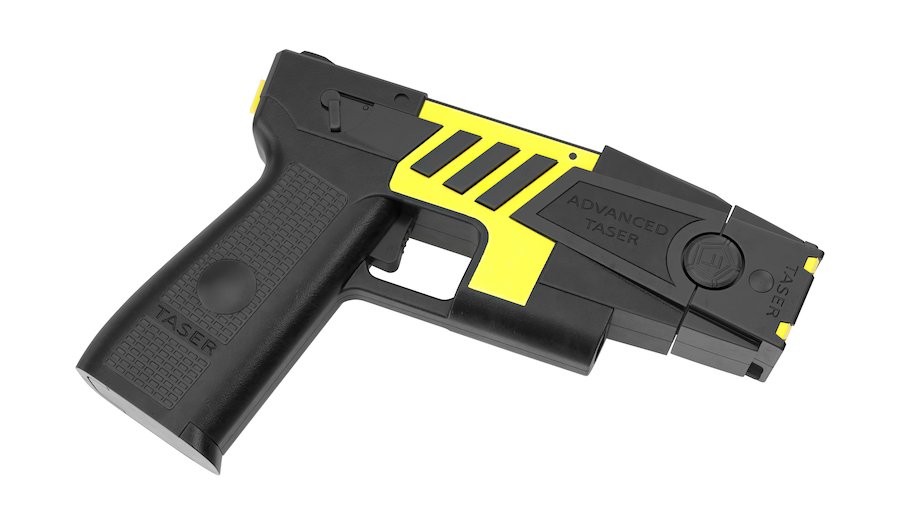
In Arizona, the good news for travelers seeking personal protection is that both stun guns and Tasers are generally legal for adults aged 18 and older. Unlike some other states that impose strict regulations, require permits, or outright ban these devices, Arizona allows their possession and use for self-defense without the need for a specific license or registration. This aligns with the state’s broader commitment to individual rights concerning self-protection.
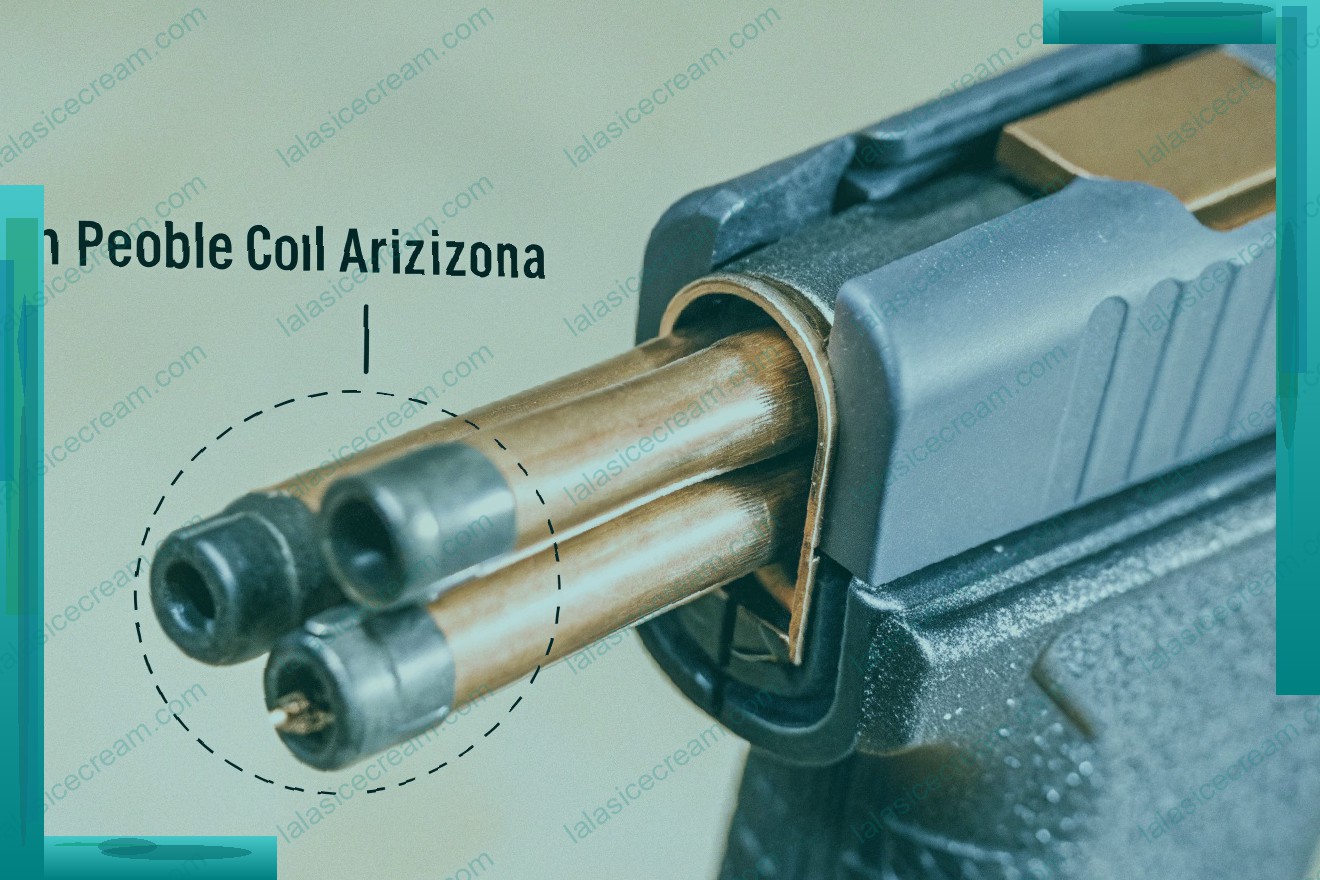
It’s important to clarify the distinction between a stun gun and a Taser, as these terms are often used interchangeably by the public, but represent different technologies. A stun gun typically requires direct contact with an assailant to deliver an electrical shock, temporarily incapacitating them. A Taser, on the other hand, fires two small barbed probes connected by wires, delivering an electrical current from a distance, usually up to 15 feet. While their operational mechanisms differ, Arizona law generally treats both as legal, non-lethal self-defense weapons. This means that for a traveler over the age of 18, carrying either device is permissible under state law, provided it is used only in lawful self-defense and not in prohibited locations or circumstances. However, this general legality comes with important caveats concerning where these devices can be carried and under what conditions they can be deployed. Understanding these nuances is vital for any visitor to Arizona.
Key Restrictions and Prohibited Locations for Travelers
While Arizona’s laws are generally permissive regarding stun guns and Tasers, travelers must be acutely aware of specific locations where these devices are strictly prohibited. Non-compliance can lead to serious legal consequences, including fines, confiscation, and even arrest, significantly disrupting any travel plans. These restrictions apply to both residents and visitors, underscoring the importance of vigilance.
Federal and State Prohibitions
Several types of locations are universally restricted, often due to federal regulations or specific state statutes designed to protect sensitive areas or vulnerable populations:
- Federal Buildings: Any property owned or operated by the U.S. federal government, including post offices, federal courthouses, IRS offices, and national parks (though rules can vary slightly for national parks, it’s safer to assume a prohibition for self-defense devices). Carrying a stun gun or Taser into these areas is a federal offense.
- Airports and Aircraft: The Transportation Security Administration (TSA) strictly prohibits stun guns and Tasers in carry-on luggage. While some airlines might permit them in checked baggage if properly declared and packaged, the safest approach for travelers is to avoid bringing them to airports altogether, as regulations can change, and interpretation can vary. The federal “no-fly zone” restrictions apply universally.
- Educational Institutions: All K-12 public and private schools, as well as colleges and universities (both public and private), are typically designated as weapon-free zones. This includes school grounds, buildings, and often school-sponsored events off-campus. This prohibition is aimed at protecting students and staff and applies regardless of whether the individual is a student, parent, or general visitor.
- Correctional Facilities: Jails, prisons, and other detention centers are obviously off-limits for carrying any form of weapon, including non-lethal devices.
- Polling Places: On election days, temporary restrictions often apply to polling places to ensure a peaceful and secure voting environment.
- Casinos: Many casinos, especially those on tribal lands, operate under their own jurisdictional rules which often prohibit weapons, including stun guns and Tasers. It is imperative for travelers visiting establishments like those in Las Vegas (which is a common day trip or stop from Arizona to verify their specific policies beforehand, even though Nevada is a separate state, the principle of private property rules applies similarly in Arizona).
Private Property Rights and Enforcement
Beyond state and federal prohibitions, private property owners in Arizona have the right to establish their own rules regarding weapons, including stun guns and Tasers. Many businesses, restaurants, hotels, or entertainment venues may post signs indicating that weapons are prohibited on their premises. While carrying a stun gun or Taser into such an establishment might not immediately constitute a criminal offense if no force is used, ignoring such signage can lead to being asked to leave. Refusal to comply could then escalate into a trespassing charge, which is a criminal offense. Therefore, travelers should always pay attention to posted signage and respect the policies of private establishments. When in doubt, it is always best to err on the side of caution and either leave the device secured elsewhere or choose an alternative venue.
Responsible Use and Practical Advice for Visitors
Understanding the legalities of stun guns and Tasers in Arizona is just one aspect of responsible travel. For those who choose to carry such devices, it is equally important to grasp the implications of their use and to practice overall situational awareness to ensure a safe and enjoyable trip. The intent of carrying a self-defense tool should always be protection, not aggression, and its deployment must align with legal self-defense principles.
Understanding Arizona’s “Stand Your Ground” Law
Arizona is a “Stand Your Ground” state, which means individuals are not required to retreat from a threat before using force in self-defense, provided they are in a place where they have a legal right to be. This applies to both lethal and non-lethal force. However, it is crucial to understand that any use of force, including a stun gun or Taser, must be reasonable and proportionate to the threat faced. Using a stun gun against someone who poses no immediate physical threat, or using it excessively, can lead to legal charges, even if you initiated the action claiming self-defense. The law protects reasonable actions to prevent bodily harm, but it does not grant license to inflict unnecessary harm or to be the aggressor. Travelers should internalize that while they have the right to defend themselves, the consequences of misuse, even with a non-lethal device, can be severe. Proper training in the use of any self-defense tool is highly recommended.
Alternatives and Awareness for Personal Safety
While stun guns and Tasers can be effective non-lethal self-defense options, they are not the only tools available, nor are they a substitute for good judgment and situational awareness. For travelers, adopting a proactive approach to safety can significantly reduce the likelihood of needing to use any defensive device.
- Situational Awareness: Always be aware of your surroundings, especially in unfamiliar areas or late at night. Avoid distractions like excessive phone use.
- Travel in Groups: When possible, especially in remote areas or after dark, travel with companions.
- Secure Valuables: Keep valuable items out of sight and secure your belongings. Use hotel safes for passports and excess cash.
- Inform Others of Your Itinerary: Let family or friends know your travel plans and expected check-in times.
- Consider Pepper Spray: Like stun guns, pepper spray is also legal in Arizona for self-defense purposes, with similar age restrictions (18+) and location prohibitions. It offers a defensive option from a slightly greater distance than a contact stun gun. However, users must be aware of potential cross-contamination, especially in windy conditions.
- Self-Defense Classes: Short, practical self-defense courses can equip travelers with techniques and strategies that don’t rely on carrying a device.
Purchasing and Carrying Considerations
For travelers considering purchasing a stun gun or Taser in Arizona, these devices are readily available at various retailers, sporting goods stores, and online. There are no state-mandated waiting periods or background checks specific to these items. When carrying, Arizona law generally does not differentiate between open or concealed carry for stun guns and Tasers, unlike firearms. However, discretion is always advised, and carrying it in a manner that causes alarm or could be misinterpreted should be avoided. The primary purpose of these tools is defense, not display. Remember to consider how you will transport it when crossing state lines, as laws vary significantly from state to state. While Arizona may permit it, your home state or any intermediate states on your journey may not.
Ensuring a Smooth and Safe Trip to Arizona
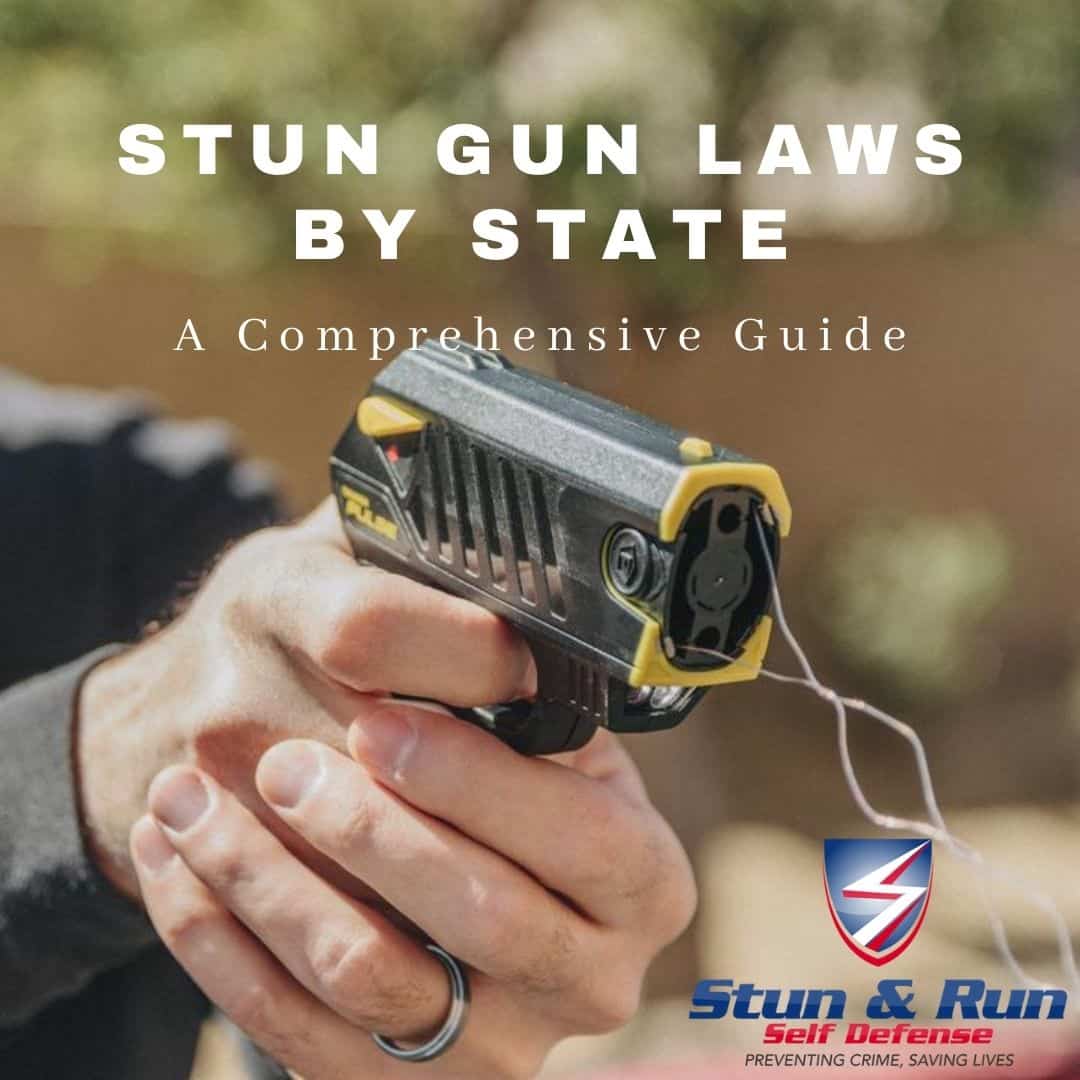
Arizona offers an incredible array of experiences, from the majestic beauty of the Grand Canyon to the vibrant culture of its cities. Ensuring a safe and worry-free trip requires due diligence, especially concerning personal safety devices. While stun guns and Tasers are generally legal for adults in the state, understanding the specific restrictions on locations and the principles of responsible use is paramount.
The freedom to carry a self-defense tool comes with the responsibility to use it lawfully and judiciously. For travelers, this means not only knowing Arizona’s state laws but also being aware of federal regulations and the policies of private establishments. Prioritizing situational awareness, employing common-sense safety practices, and being informed about legal limitations will contribute far more to a safe journey than relying solely on any single self-defense device. Before embarking on your Arizona adventure, a quick review of the latest state statutes or, for very specific concerns, consulting with legal counsel, can provide peace of mind. By taking these proactive steps, visitors can fully enjoy the natural beauty and unique attractions that the Grand Canyon State has to offer, without encountering unnecessary legal hurdles.
LifeOutOfTheBox is a participant in the Amazon Services LLC Associates Program, an affiliate advertising program designed to provide a means for sites to earn advertising fees by advertising and linking to Amazon.com. Amazon, the Amazon logo, AmazonSupply, and the AmazonSupply logo are trademarks of Amazon.com, Inc. or its affiliates. As an Amazon Associate we earn affiliate commissions from qualifying purchases.