
For outdoor enthusiasts and those interested in recreational shooting or hunting, understanding local regulations is paramount when planning a trip. Colorado, a state celebrated for its majestic landscapes and diverse outdoor activities, presents a unique blend of opportunities for responsible firearms owners and a complex legal landscape surrounding certain accessories. As a popular destination for tourists seeking adventure, from pristine hiking trails in Rocky Mountain National Park to world-class ski resorts like Aspen, many visitors also consider participating in shooting sports or hunting excursions. This article delves into the legality of firearm suppressors in Colorado, offering crucial insights for tourists looking to engage in these activities responsibly and within the bounds of the law.
Understanding Colorado’s Approach to Firearms and Outdoor Activities
Colorado’s reputation as an outdoor paradise attracts millions of visitors annually, drawn by its stunning natural beauty and myriad recreational opportunities. While many associate the state primarily with hiking, skiing, and scenic drives, it also offers extensive possibilities for hunting and sport shooting, activities deeply rooted in the state’s culture and heritage. For those planning a trip that includes such pursuits, a clear understanding of Colorado’s stance on firearms, particularly accessories like suppressors, is essential for a safe, enjoyable, and lawful experience.
Colorado’s Outdoor Appeal for Enthusiasts
From the vast plains of the eastern part of the state to the rugged peaks of the Continental Divide, Colorado provides an unparalleled backdrop for a range of outdoor activities. Hunters flock to the state for big game, including elk, deer, and bear, utilizing extensive public lands managed by agencies like the Bureau of Land Management and the U.S. Forest Service. Similarly, recreational shooters find numerous public and private shooting ranges, offering diverse environments for target practice and competitive sports. These activities not only provide recreation but also contribute significantly to Colorado’s tourism economy, drawing visitors who plan their entire trips around hunting seasons or shooting events. The desire for a responsible and enjoyable experience necessitates an understanding of all relevant laws, including those pertaining to firearm accessories.
The Intersection of Tourism and Responsible Firearms Ownership
For tourists, the concept of responsible firearms ownership extends beyond basic safety to encompass full compliance with local, state, and federal laws. When traveling to a new state like Colorado, assumptions based on one’s home state’s laws can lead to unintended legal complications. This is especially true for items like suppressors (often colloquially referred to as silencers), which carry specific federal regulations in addition to varying state-level rules. Our goal is to ensure that your visit to Colorado, whether for a hunting trip or a visit to a shooting range, is free from legal worries, allowing you to focus on the experience.
Navigating the Legality of Suppressors for Visitors
The legality of firearm suppressors in Colorado is a nuanced topic, requiring an understanding of both federal and state statutes. For visitors, this can seem daunting, but breaking down the regulations into manageable pieces makes compliance achievable. The good news for many enthusiasts is that, unlike a handful of states, suppressors are generally legal for private ownership in Colorado, provided federal regulations are meticulously followed.
Federal vs. State Laws: A Tourist’s Overview
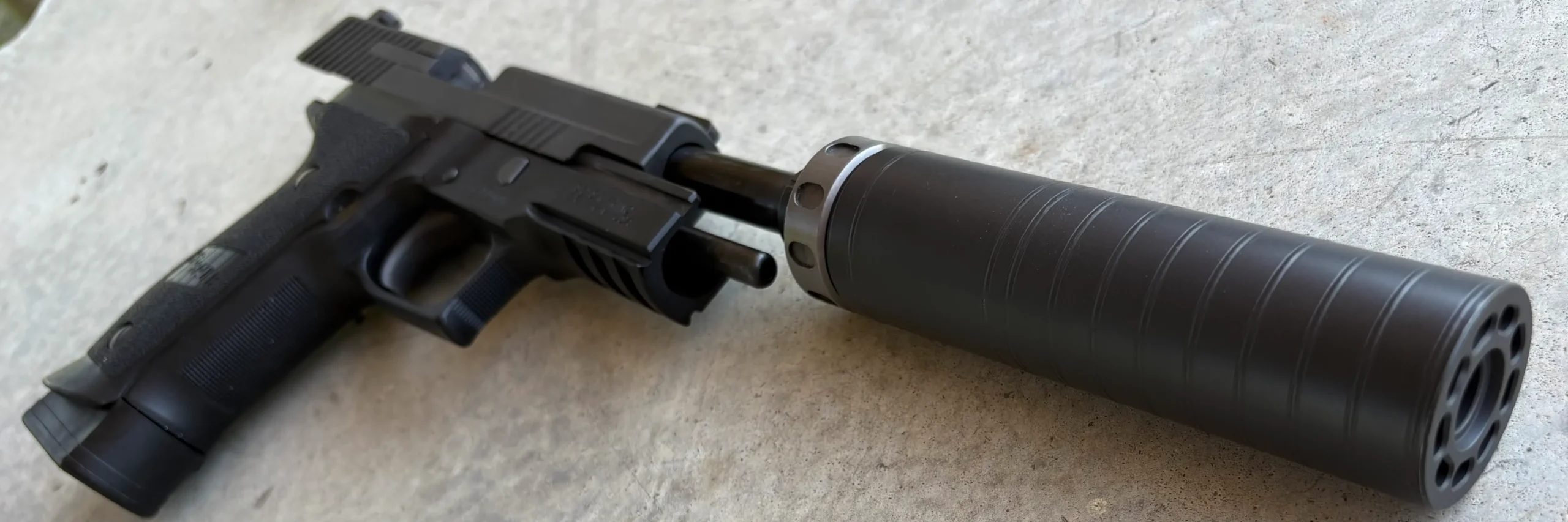
At the federal level, suppressors are regulated under the National Firearms Act (NFA) of 1934, which classifies them as Title II firearms. This means that ownership requires a specific registration process through the Bureau of Alcohol, Tobacco, Firearms and Explosives (ATF). Prospective owners must pass a background check, pay a one-time federal tax stamp of $200, and register the suppressor. This process typically takes several months. Once federally approved, suppressors are legal to possess in states where they are not explicitly prohibited by state law.
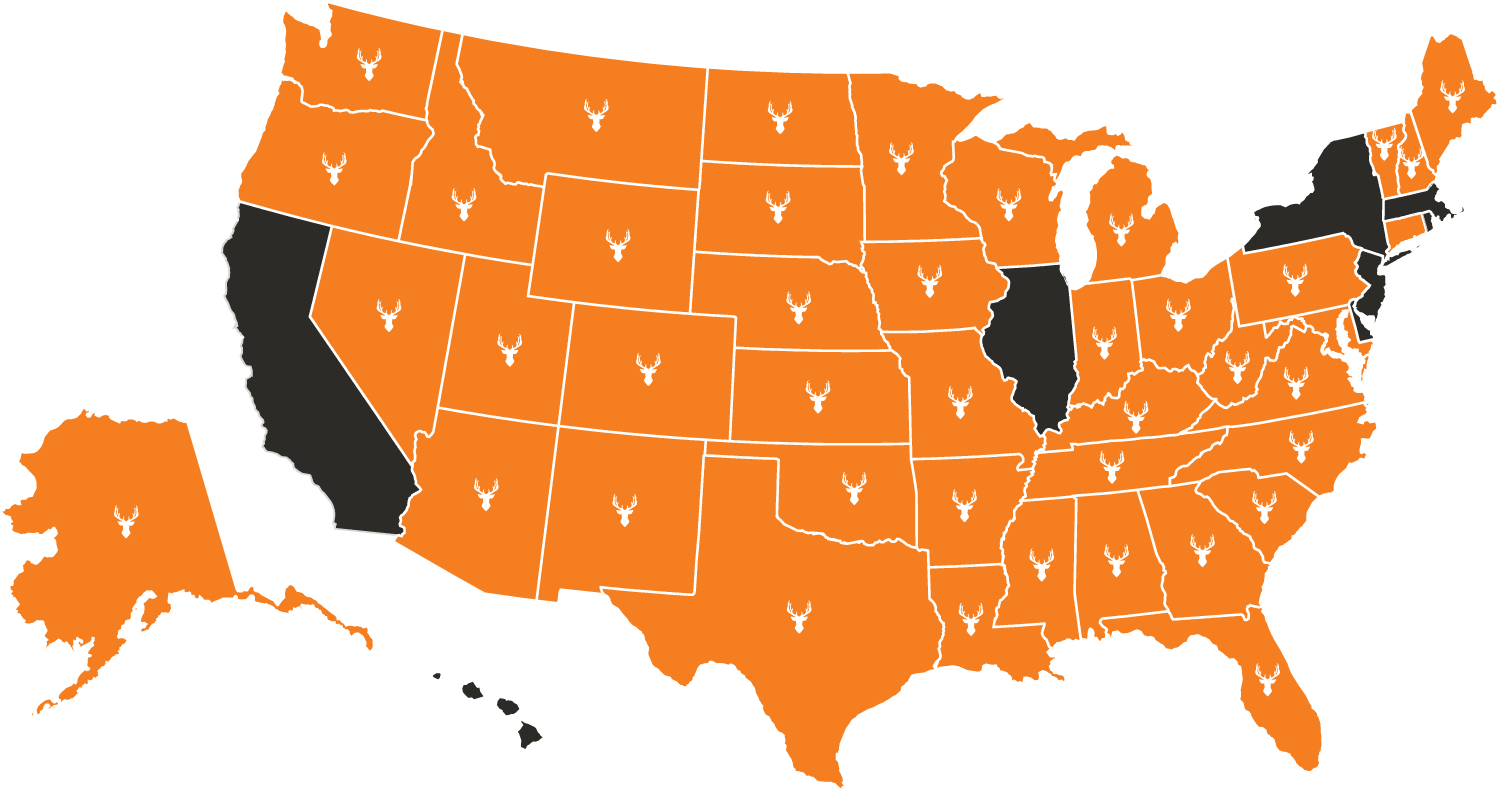
In Colorado, there are no state laws that outright prohibit the ownership of suppressors by private citizens who have completed the federal NFA process. This distinguishes Colorado from states like California, New York, or Illinois, where suppressors are largely banned or heavily restricted. Therefore, if you are a tourist who lawfully owns a federally registered suppressor in your home state, you can generally bring it to Colorado for use, provided you comply with all other applicable state and local laws regarding firearms.
What Suppressors Mean for Recreational Shooters and Hunters
For recreational shooters, suppressors offer significant benefits, primarily reducing noise levels, which protects hearing, lessens noise pollution for surrounding areas (especially near populated areas), and can enhance accuracy by mitigating recoil and muzzle flash. Many shooting ranges in Colorado welcome or even encourage the use of suppressors for these reasons.
For hunters, suppressors provide similar advantages. They protect the hunter’s hearing and that of their hunting partners and dogs, reduce disturbance to wildlife, and make the hunting experience more comfortable. When hunting on public lands in Colorado, the use of a lawfully owned suppressor is permitted, subject to general hunting regulations and local ordinances. It’s crucial for hunters to also possess valid Colorado hunting licenses and comply with all game laws.
Key Considerations for Tourists Bringing Firearms to Colorado
Bringing any firearm, including those with suppressors, into a new state requires careful planning. For tourists visiting Colorado, here are essential considerations:

- Proof of Ownership and Registration: Always carry proof of federal registration for your suppressor (e.g., your ATF Form 4 or Form 1) and proof of ownership for the firearm itself.
- Transportation: Firearms and suppressors must be transported safely and legally. When traveling across state lines, especially by air, federal transportation laws (e.g., TSA regulations) apply. Generally, firearms must be unloaded, in a locked, hard-sided container, and declared to the airline. Suppressors should be transported similarly.
- Local Ordinances: While Colorado state law permits suppressors, always check for any specific city or county ordinances that might impose additional restrictions, especially if you plan to visit a specific municipality. For example, while unlikely to prohibit federally legal items, some towns might have specific rules regarding discharge within city limits.
- Reciprocity: Be aware that while Colorado generally respects out-of-state permits for concealed carry, this is distinct from suppressor legality. Always consult Colorado’s specific laws for carrying firearms.
Practical Tips for Tourists: Enjoying Colorado’s Shooting and Hunting Opportunities
To fully enjoy Colorado’s offerings for shooting and hunting tourists, thoughtful preparation and adherence to best practices are key. This ensures not only legal compliance but also a respectful and safe experience for everyone.
Finding Licensed Ranges and Hunting Grounds
Colorado boasts numerous public and private shooting ranges. Many offer diverse shooting experiences, from pistol and rifle ranges to sporting clays. A simple online search for “shooting ranges near Denver” or “public shooting ranges Colorado Springs” will yield a comprehensive list. Always call ahead to confirm their policies on suppressors and any other specific rules.
For hunting, visitors must understand Colorado’s complex system of hunting units and seasons. Colorado Parks and Wildlife (CPW) is the primary resource for licensing, regulations, and public hunting areas. Hunters will need to purchase the appropriate licenses and tags, often requiring participation in drawing systems for popular big game species. Using a suppressor on public lands within Colorado is generally permitted for lawful hunting, but it does not exempt hunters from any other state or federal hunting regulations.
Permitting and Documentation for Out-of-State Visitors
As an out-of-state visitor, your primary “permits” for suppressor ownership are your federal NFA registration documents. Keep these accessible, but stored securely. For hunting, your Colorado hunting license and relevant tags are your critical permits. There is no specific “suppressor permit” issued by the state of Colorado beyond the federal requirements. Ensure all your documentation is current and correct before embarking on your trip. It’s also wise to have a form of identification that matches the details on your firearm and suppressor registration.
Safe Storage and Transport While Touring
Safe storage and transport are paramount. When traveling within Colorado by vehicle, firearms and suppressors should be stored unloaded and ideally in a locked container, separate from ammunition. This practice helps prevent accidental discharge and deters theft. Never leave firearms unattended in vehicles, especially in popular tourist areas. When staying in hotels or other accommodations, always inquire about their firearm policies. If policies are restrictive, consider alternative secure storage solutions or choose accommodations that are amenable to responsible firearm owners. Respecting these guidelines ensures both your safety and that of the community you are visiting.
The Broader Impact on Colorado’s Tourism Landscape
The legal status of suppressors in Colorado, coupled with the state’s abundant natural resources, significantly contributes to its appeal as a destination for shooting and hunting tourism. This niche segment of the tourism industry brings considerable economic benefits and requires a thoughtful balance of recreational access, conservation, and safety.
Economic Contributions of Shooting Sports and Hunting Tourism
Shooting sports and hunting tourism are vital components of Colorado’s economy. Visitors engaging in these activities spend money on licenses, equipment, guides, lodging, food, and transportation, boosting local businesses across rural and urban areas. The availability of federally legal accessories like suppressors enhances the experience for many participants, potentially attracting more enthusiasts who prioritize safety and responsible noise management. This economic influx supports jobs, funds conservation efforts, and diversifies the state’s overall tourism portfolio beyond its traditional attractions.
Balancing Recreation with Conservation and Safety
Colorado is committed to protecting its natural environment and ensuring the safety of all its residents and visitors. The legality and use of suppressors play a role in this balance. By reducing noise pollution, suppressors can minimize the impact of shooting ranges and hunting activities on surrounding communities and wildlife, promoting a more harmonious coexistence between human recreation and natural ecosystems. However, responsible usage, strict adherence to all laws, and ethical practices by tourists are crucial to maintaining this balance. Colorado Parks and Wildlife regularly updates regulations to ensure sustainable hunting practices and resource management, which all visitors must respect.
Future Trends for Responsible Outdoor Tourism in the Centennial State
As outdoor tourism continues to evolve, Colorado is likely to see ongoing discussions about how best to manage its diverse recreational offerings. For shooting sports and hunting, the emphasis will remain on responsible, ethical, and safe practices. The availability of legal suppressors aligns with a broader trend towards quieter, more environmentally considerate outdoor activities. As a tourist, your commitment to understanding and respecting Colorado’s laws regarding suppressors and firearms, coupled with responsible behavior, helps ensure that these unique tourism opportunities remain viable and enjoyable for future generations. Colorado’s stunning landscapes and welcoming environment await those who are prepared to explore them with respect for the law and the land.
LifeOutOfTheBox is a participant in the Amazon Services LLC Associates Program, an affiliate advertising program designed to provide a means for sites to earn advertising fees by advertising and linking to Amazon.com. Amazon, the Amazon logo, AmazonSupply, and the AmazonSupply logo are trademarks of Amazon.com, Inc. or its affiliates. As an Amazon Associate we earn affiliate commissions from qualifying purchases.