
Florida, a perennial magnet for tourists seeking sun-drenched beaches, vibrant nightlife, and world-class attractions, presents a complex and evolving landscape when it comes to the legality of THC-infused beverages. For visitors planning a trip to the Sunshine State or residents simply looking to understand the local regulations, navigating the nuances of cannabis laws can be challenging. Unlike states with fully legalized recreational marijuana, Florida’s approach to THC drinks is rooted in the federal distinction between marijuana and hemp, creating a unique market where certain psychoactive cannabinoids are available, but not without significant legal caveats. This article delves into the current legal status, the types of products available, and essential considerations for anyone interacting with THC drinks in Florida, ensuring an informed and responsible tourism experience.

Florida’s Evolving Cannabis Landscape: A Tourist’s Overview
The legal status of THC drinks in Florida is a direct consequence of the intricate interplay between federal and state laws concerning cannabis. Tourists arriving in cities like Miami, Orlando, or Tampa might encounter various cannabis-derived products, but understanding their legality requires a closer look at their origin and composition.
The Federal-State Divide
The turning point for hemp-derived products across the United States was the enactment of the 2018 Federal Farm Bill. This landmark legislation fundamentally redefined hemp, distinguishing it from marijuana by setting a crucial threshold: cannabis plants, and any derivative thereof, containing less than 0.3% Delta-9 tetrahydrocannabinol (THC) on a dry weight basis are classified as legal hemp. Critically, this bill removed hemp from the Controlled Substances Act, opening the door for a vast array of hemp-derived products, including those containing various cannabinoids like CBD, Delta-8 THC, and even trace amounts of Delta-9 THC, provided they adhere to the federal limit.
Florida quickly followed suit, implementing its own state legislation that mirrored the federal guidelines. The Florida Statutes (specifically Chapter 581.217) adopted the 0.3% Delta-9 THC limit for hemp and its derivatives. This means that, while recreational marijuana remains illegal for general consumption in Florida (it is available only through a state-regulated medical marijuana program), products derived from hemp, including certain THC-infused beverages, can be legally manufactured, sold, and possessed within the state’s borders, provided they meet this critical Delta-9 THC threshold.
Defining “Legal” in the Sunshine State
For tourists, the term “THC drinks” can be misleading, often conjuring images of high-potency recreational cannabis. In Florida, the “legal” THC drinks you might encounter are primarily formulated to comply with the 0.3% Delta-9 THC limit. This is often achieved in one of two ways:
- Microdosing Delta-9 THC: Some beverages contain very small, federally compliant amounts of Delta-9 THC, carefully measured to stay below the 0.3% threshold. Despite the low percentage, the total volumetric content can still deliver a psychoactive effect, especially in larger servings.
- Utilizing Other Cannabinoids: More commonly, these drinks leverage other psychoactive cannabinoids derived from hemp, most notably Delta-8 THC. Delta-8 THC is a cannabinoid found in cannabis plants that is chemically similar to Delta-9 THC but typically less potent. Because Delta-8 THC is derived from legal hemp and, by itself, is not Delta-9 THC, its presence in a beverage does not count towards the 0.3% Delta-9 THC limit, effectively making Delta-8 THC products federally and state-legal in Florida.
It is crucial to understand that this legal framework is distinct from full recreational cannabis legalization. The “THC drinks” available in Florida operate in a gray area, made possible by specific interpretations of hemp legislation. As such, the market is less regulated than medical cannabis, and laws are subject to change, underscoring the need for continuous awareness for both visitors and residents.
Navigating the Nuances: Delta-8, Delta-9, and Beyond
The world of cannabinoids extends far beyond the most commonly known Delta-9 THC and CBD. For tourists in Florida, understanding the differences between these compounds, particularly Delta-8 and Delta-9 THC, is paramount to making informed decisions about THC-infused beverages.
Understanding Different Cannabinoids
Delta-9 THC is the primary psychoactive compound found in cannabis, responsible for the “high” associated with marijuana. In Florida, any product exceeding 0.3% Delta-9 THC by dry weight is considered illegal marijuana, unless obtained via a medical cannabis prescription. This remains the crucial dividing line between legal hemp products and illicit cannabis.
Delta-8 THC is an isomer of Delta-9 THC, meaning it has the same chemical formula but a slightly different molecular structure. This subtle difference makes Delta-8 THC less potent than Delta-9 THC, typically producing a milder, clearer high without the intensity or potential anxiety sometimes associated with Delta-9. Crucially, because Delta-8 THC is naturally present in hemp plants and can be extracted or converted from CBD (another hemp cannabinoid), products containing it are deemed legal under the 2018 Federal Farm Bill and subsequent Florida state law, provided the Delta-9 THC content remains below 0.3%. Many “THC drinks” available in the state primarily feature Delta-8 THC as their psychoactive component.
Beyond these two, there are numerous other minor cannabinoids like Cannabigerol (CBG), Cannabinol (CBN), and Tetrahydrocannabivarin (THCV), which are also legal if derived from hemp. While these often don’t provide strong psychoactive effects themselves, they can contribute to what’s known as the “entourage effect,” where various cannabinoids and terpenes work synergistically to produce a specific experience. For THC drinks, the focus is almost exclusively on Delta-8 and permissible levels of Delta-9 for their intoxicating properties.
The 0.3% Threshold and Its Implications
The 0.3% Delta-9 THC by dry weight threshold is the linchpin of Florida’s hemp-derived product market. Manufacturers of THC-infused beverages carefully formulate their products to ensure compliance with this limit. For instance, a drink might contain a substantial amount of Delta-8 THC but only a minute, federally compliant trace of Delta-9 THC.
It’s vital for tourists to understand that “0.3% Delta-9 THC” does not mean “no psychoactive effect.” A 12-ounce beverage, even with a tiny percentage of Delta-9 THC, can still contain enough total milligrams of THC to produce noticeable effects, especially for individuals with low tolerance or those unaccustomed to cannabis. When purchasing, look for clear labeling that specifies the cannabinoid content in milligrams, not just percentages. A product stating “10mg Delta-9 THC” in a 12oz can is well within the 0.3% limit but is designed to deliver an intoxicating dose.
The implication for consumers is clear: assume that any “THC drink” labeled as such, even if compliant with the 0.3% Delta-9 limit, is intended to be psychoactive. Treat these beverages with the same caution and responsibility one would apply to alcoholic drinks. Always start with a small serving, especially if you are new to THC products, and wait to gauge the effects before consuming more. The onset time for edibles and beverages can be significantly longer than inhaled products, often taking 30 minutes to two hours to fully manifest. This delayed effect is a common pitfall for inexperienced users, leading to overconsumption.
Where to Find THC-Infused Beverages in the Sunshine State
For tourists exploring Florida, encountering THC-infused beverages can be surprisingly easy. Unlike the highly regulated medical marijuana dispensaries, hemp-derived THC products are available through a broader range of retail channels.
Retail Outlets and Dispensaries
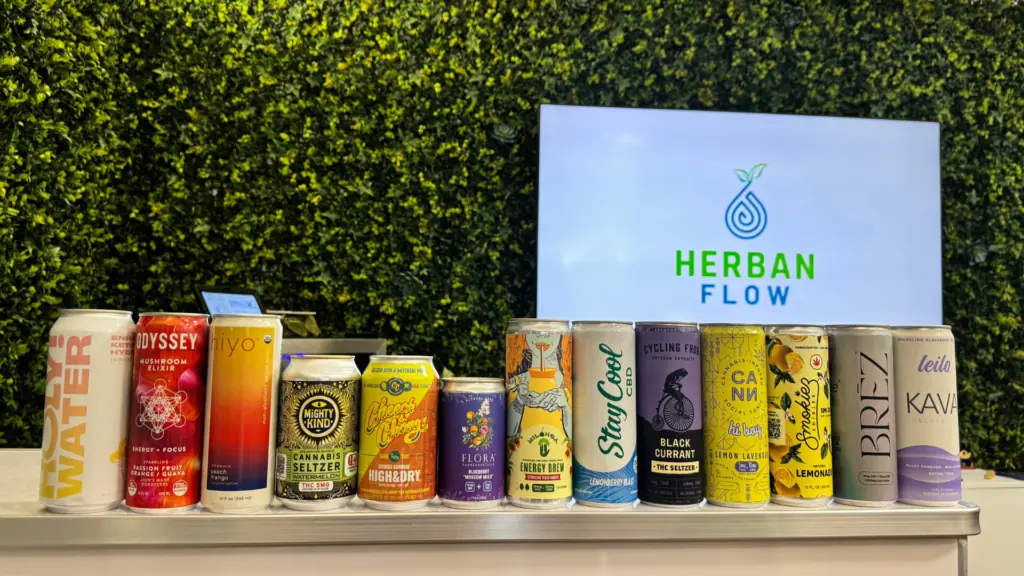
Because hemp-derived Delta-8 and low-THC Delta-9 products fall outside the traditional medical cannabis framework, their distribution is less restricted. You are unlikely to find them in licensed medical marijuana dispensaries, which are reserved for patients with qualifying conditions. Instead, these drinks are commonly found in:
- Specialty CBD and Hemp Shops: Dedicated stores specializing in hemp products are prevalent in popular tourist destinations such as Orlando, Miami, Tampa, and coastal towns like Sarasota and Key West. These shops often have knowledgeable staff who can explain the products.
- Vape and Smoke Shops: These establishments frequently carry a wide array of alternative products, including Delta-8 and low-THC Delta-9 beverages.
- Convenience Stores and Gas Stations: In some areas, particularly those with high tourist traffic, you might find these drinks in convenience stores, though the selection and staff knowledge may be more limited.
- Bars and Cafes: A growing trend sees some innovative bars and cafes, particularly in urban centers, offering non-alcoholic “mocktails” infused with legal hemp-derived THC, presenting them as an alternative to alcoholic beverages.
The proliferation of these sales points means that finding a THC-infused drink in Florida is generally straightforward. However, this accessibility comes with certain considerations regarding product quality and safety, as the market is not subject to the same rigorous oversight as medical cannabis.
Quality and Safety Concerns
The primary concern with the largely unregulated market for hemp-derived THC drinks is the variability in product quality and safety. While reputable brands prioritize consumer safety, the absence of stringent state-mandated testing and labeling requirements creates potential risks.
- Lack of Uniform Regulation: Unlike medical cannabis, which undergoes strict testing for potency, pesticides, heavy metals, and contaminants, hemp-derived products do not always face the same level of scrutiny in Florida. This means the quality can vary significantly from one brand to another.
- Mislabeling: Instances of products being mislabeled, either in terms of cannabinoid content or the presence of undeclared substances, have been reported in the broader hemp market. This risk is amplified in less reputable retail environments.
- Contaminants: Without mandatory third-party lab testing, there’s a possibility that some products may contain harmful solvents, heavy metals, or pesticides used during cultivation or extraction.
For tourists, it is highly advisable to prioritize purchases from reputable brands and vendors that provide QR codes or links to third-party lab test results (Certificates of Analysis, or CoAs) for each product batch. A CoA should detail the cannabinoid profile, confirming the Delta-9 THC content is below 0.3% and verifying the absence of harmful contaminants. Avoid products with ambiguous labeling or those sold in establishments that cannot provide evidence of third-party testing. Choosing well-established brands, often found in specialized hemp shops, generally offers a safer and more reliable experience.
Important Considerations for Tourists and Visitors
While THC drinks derived from hemp may be legally available in Florida, enjoying them responsibly and without legal repercussions requires an understanding of specific guidelines, especially for visitors.
Age Restrictions and Public Consumption
Although Florida state law doesn’t explicitly set a statewide age limit for the purchase of hemp-derived products, most reputable retailers, out of an abundance of caution and in alignment with responsible sales practices, enforce an age restriction of 21 years or older. Tourists should expect to be asked for identification to verify their age when purchasing these beverages. Attempting to purchase these products if under 21, or supplying them to minors, can lead to legal issues.
Regarding public consumption, the situation is less clear-cut than with alcohol but warrants similar caution. While possession of compliant THC drinks is legal, consuming them openly in public places is generally ill-advised. Florida cities, including Miami, Orlando, and Key West, have varying local ordinances regarding public intoxication or consumption of substances that could be perceived as illicit. Even if the product is legal, public displays of intoxication or consumption that draws unwanted attention from law enforcement could lead to minor infractions or, at the very least, an uncomfortable encounter. It is always safest to consume these products in private settings, such as your hotel room, a private residence, or at a venue that explicitly permits their consumption. Treat THC drinks with the discretion you would give medical cannabis or alcohol, even if their legal classifications differ.
Impairment and Travel
One of the most critical considerations for tourists is the issue of impairment. Despite their legal status, THC drinks are psychoactive and can impair your judgment, coordination, and reaction time. Driving under the influence of any impairing substance, including legal hemp-derived THC, is strictly illegal in Florida. Law enforcement officers are trained to identify impaired drivers, and penalties for DUIs are severe, regardless of whether the impairing substance was legal to consume. If you choose to consume a THC drink, ensure you have a designated driver, utilize ride-sharing services, or simply stay put.
Furthermore, traveling with THC products across state lines or internationally carries significant risks. While a THC drink may be legal in Florida, other states have different hemp and cannabis laws. Transporting products containing any amount of THC, even compliant Delta-8 or low Delta-9, can lead to legal complications in states with stricter regulations. Flying with these products, even domestically, can also be problematic. Airport security (TSA) primarily focuses on security threats, but if they discover substances that appear to be marijuana, they may refer the matter to local law enforcement. International travel with any cannabis product is almost universally prohibited and can lead to severe penalties. It is always best to consume your products in Florida and avoid traveling with them, especially if crossing jurisdictions. When in doubt, leave it out.
The Future Outlook: What to Expect
The legal landscape surrounding THC drinks and cannabis in Florida is far from static. As public opinion evolves and scientific understanding deepens, both legislative bodies and voters continue to shape the future of these products, directly impacting tourists and the broader tourism industry.
Legislative Pendulum Swings
The current legal framework for hemp-derived THC products in Florida is a delicate balance, and there are ongoing efforts to either further regulate or restrict their availability. Lawmakers in Tallahassee regularly debate new bills that could impose stricter age limits, introduce more comprehensive testing requirements, or even ban certain cannabinoids like Delta-8 THC altogether. The primary motivation behind such legislative pushes often revolves around consumer safety, the protection of minors, and concerns about the unregulated nature of the market compared to the medical cannabis program.
Conversely, there’s also significant momentum behind efforts to legalize recreational marijuana in Florida through citizen-led ballot initiatives. Should such an initiative pass, it would fundamentally alter the cannabis landscape, likely creating a highly regulated market for all cannabis products, including higher-potency THC drinks. This would bring Florida more in line with states like Colorado or California, where recreational sales are permitted. However, even if recreational marijuana is legalized, it would still likely exist alongside the current hemp-derived market, albeit with clearer distinctions and regulations. For tourists, staying informed about these legislative developments is crucial, as the legality and availability of products can change rapidly. Monitoring official state government websites and reliable news sources is advisable.

Impact on Florida’s Tourism Industry
The availability of legal THC drinks has undoubtedly added another dimension to Florida’s diverse tourism appeal. For a segment of the tourist demographic, particularly those interested in exploring alternatives to alcohol or seeking milder recreational experiences, these products offer an intriguing option. This appeals to a growing trend of wellness and mindful consumption within the travel industry. Cities like Miami, with its cosmopolitan vibe, or the relaxed atmosphere of Key West, could potentially capitalize on this market segment.
However, the tourism industry also faces the challenge of balancing this appeal with responsible practices and public safety. Tour operators, hotels, and local businesses must navigate the complexities of these laws, educating visitors without endorsing irresponsible use. As laws potentially shift, clarity will be paramount. If recreational marijuana were to be fully legalized, Florida’s tourism sector might see an influx of “cannabis tourists,” similar to other states, leading to new businesses like cannabis lounges, themed tours, and specialized accommodation.
For now, the advice for tourists remains consistent: enjoy Florida’s offerings responsibly, understand the nuances of its THC product laws, and prioritize safety and compliance. Consulting official resources, such as the Florida Department of Agriculture and Consumer Services website for the latest hemp regulations, will always be the most reliable way to stay informed and ensure a pleasant, lawful visit to the Sunshine State.
LifeOutOfTheBox is a participant in the Amazon Services LLC Associates Program, an affiliate advertising program designed to provide a means for sites to earn advertising fees by advertising and linking to Amazon.com. Amazon, the Amazon logo, AmazonSupply, and the AmazonSupply logo are trademarks of Amazon.com, Inc. or its affiliates. As an Amazon Associate we earn affiliate commissions from qualifying purchases.