
Louisiana, a state steeped in a rich tapestry of history, vibrant culture, and breathtaking landscapes, beckons travelers with its unique charm. From the pulsating rhythms of New Orleans to the serene bayous of its rural heartland, there’s an allure that captivates every visitor. As you plan your exploration of this captivating Southern gem, understanding its administrative divisions is key to navigating its diverse regions and appreciating its distinct character. Unlike most of the United States, which are divided into counties, Louisiana stands apart with its unique system of civil divisions known as parishes. This distinct nomenclature not only hints at the state’s deep historical roots but also shapes how one experiences its geography and culture. So, the fundamental question arises for any curious traveler or budding geographer: just how many parishes are there in Louisiana?
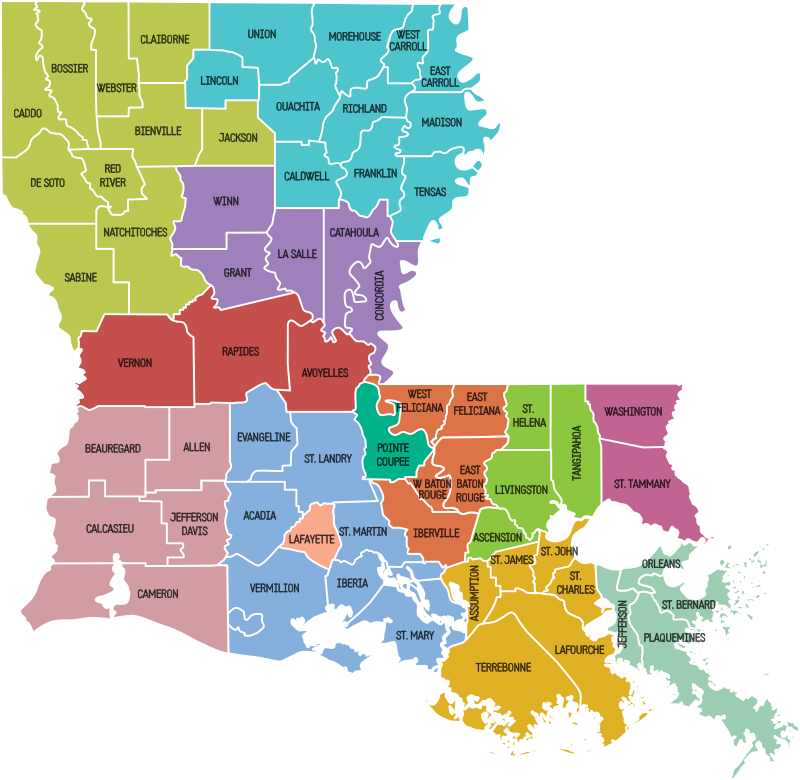
The answer, as is often the case with the complexities of Louisiana, is both simple and rich with historical context. Louisiana is divided into 64 parishes. This number has remained consistent for decades, reflecting a settled administrative structure that underpins the state’s governance and identity. These 64 parishes collectively form the unique mosaic of communities, traditions, and attractions that define Louisiana.
Understanding Louisiana’s Parishes: A Blend of History and Governance
The term “parish” itself is a direct legacy of Louisiana’s colonial past. When France and later Spain governed the territory, the ecclesiastical structure of the Catholic Church played a significant role in civil administration. The boundaries of church parishes often served as the basis for civil divisions. When Louisiana became a U.S. territory, it retained this French and Spanish administrative system, a nod to its unique heritage that distinguishes it from its neighboring states. This historical continuity is a fascinating aspect of Louisiana’s identity, influencing everything from local laws to the very names of its administrative units.
From Church to State: The Evolution of Louisiana’s Parishes
The transition from French and Spanish colonial rule to American statehood brought about a gradual formalization of these parish structures. While the origins are rooted in religious organization, the civil parishes of Louisiana today function much like counties in other U.S. states, serving as the primary local government units. They are responsible for a range of public services, including law enforcement, road maintenance, and public education, albeit with variations in their specific powers and responsibilities based on their charters.
The establishment of these 64 parishes wasn’t a singular event but a process that evolved over time. As the territory grew and was settled, new parishes were carved out of existing ones to better serve the needs of burgeoning populations and developing regions. This organic growth reflects the expansion and settlement patterns across Louisiana throughout the 18th and 19th centuries. Each parish, in its own way, tells a story of settlement, economic development, and community building within the broader narrative of Louisiana.
Exploring the Diversity Within Louisiana’s 64 Parishes
The significance of the 64 parishes extends far beyond mere administrative labels; they represent distinct geographical, cultural, and economic zones within the state. Each parish possesses its own unique character, shaped by its history, natural environment, and the people who call it home. Understanding this diversity is crucial for anyone seeking to truly experience the soul of Louisiana.
Northern Louisiana: Rolling Hills and Southern Charm
In the northern reaches of the state, parishes like Caddo Parish (home to Shreveport) and Ouachita Parish (with Monroe as its hub) offer a glimpse into a Louisiana characterized by rolling hills, pine forests, and a more traditional Southern sensibility. Here, you’ll find a blend of agricultural heritage and burgeoning urban centers. Travel through these areas might lead you to discover charming antebellum homes, outdoor recreational opportunities along rivers and lakes, and a slower pace of life that resonates with the deep South. Shreveport, in particular, offers a vibrant arts scene, casinos, and a gateway to the natural beauty of northwest Louisiana.
Central Louisiana: Crossroads of Culture and History
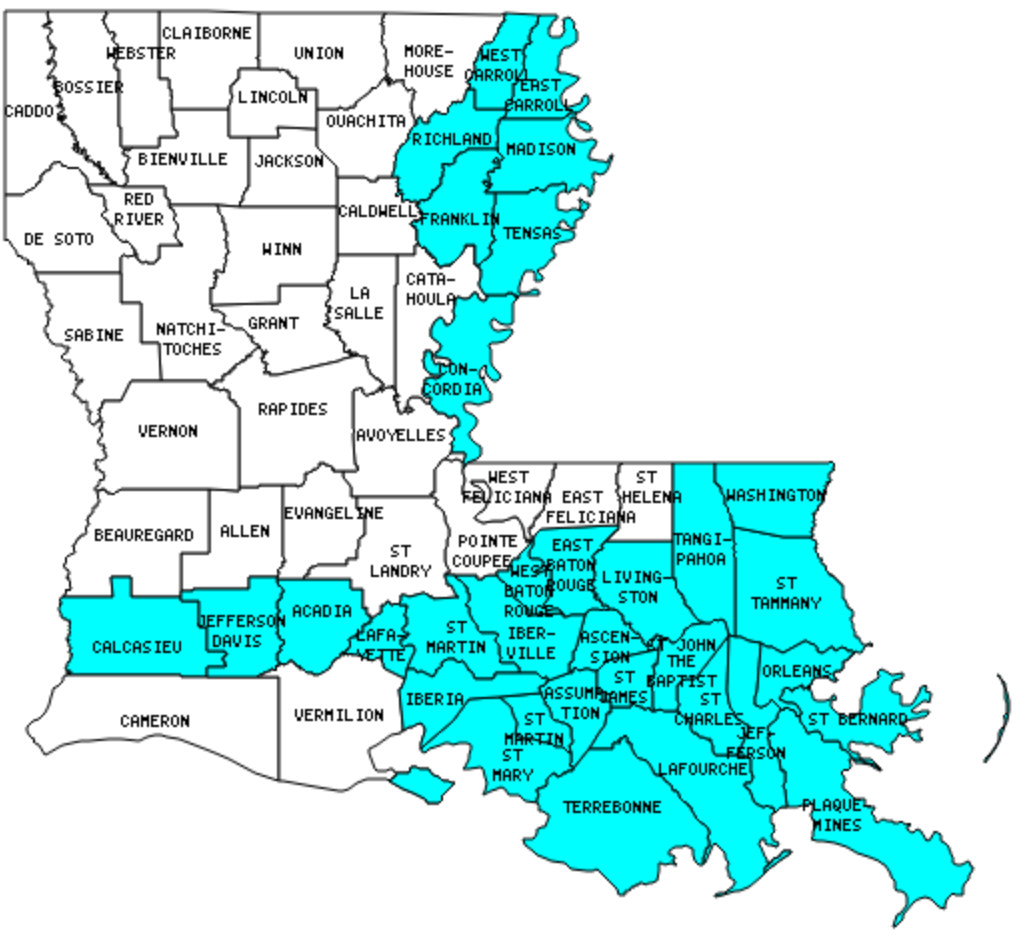
Central Louisiana acts as a fascinating crossroads, where influences from both the North and the South converge. Parishes like Rapides Parish, with its principal city Alexandria, are strategically located and have played significant roles in the state’s history, often serving as centers for trade and transportation. This region is known for its rich history, including sites related to the Civil War and Native American heritage. Exploring central Louisiana can lead to discoveries of state parks, historic sites, and a culinary scene that reflects a blend of influences.
Southern Louisiana: The Heart of Cajun and Creole Country
The most iconic and perhaps most visited region of Louisiana is undoubtedly Southern Louisiana, the heartland of Cajun and Creole culture. Parishes south of Alexandria are where you’ll find the evocative bayous, sprawling wetlands, and the intoxicating aromas of authentic Louisiana cuisine.
The Acadiana Region: A Linguistic and Cultural Enclave
Within Southern Louisiana, the Acadiana region, comprising 22 parishes, is particularly significant. This area was settled by Acadians, French colonists expelled from Canada (then known as Nova Scotia). Their descendants, the Cajuns, have preserved a distinct language, music, and culinary tradition that is world-renowned. Parishes like Lafayette Parish, Vermilion Parish, and St. Landry Parish are central to this cultural identity.
- Lafayette Parish: Known as the “Happiest City in America,” Lafayette is a vibrant hub of Cajun culture. It’s a must-visit for its live Zydeco music, world-class Cajun restaurants, and lively festivals. The Jean Lafitte National Historical Park and Preserve offers opportunities to explore the unique ecosystems and history of the region.
- Vermilion Parish: This parish is synonymous with the iconic crawfish, and its charming towns like Abbeville offer a taste of authentic rural Cajun life. The scenic byways winding through its rice fields and bayous are a delight to explore.
- St. Landry Parish: Home to the historic city of Opelousas, this parish is another cornerstone of Cajun culture, renowned for its Zydeco music heritage and delicious food.
Beyond Acadiana: The Magic of Southeastern Louisiana
Further east, southeastern Louisiana is dominated by the majestic allure of New Orleans and its surrounding parishes. Orleans Parish, the home of New Orleans, is a world-famous destination, drawing millions of visitors annually to its historic French Quarter, vibrant music scene, and unparalleled culinary experiences.
- Orleans Parish: The jewel in Louisiana’s crown, New Orleans offers an immersive experience unlike any other. From the historic French Quarter with its distinct architecture and lively street performers to the serene beauty of the Garden District, every corner holds a new discovery. Culinary adventures abound, from traditional Creole dishes at Galatoire’s to po’boys enjoyed at a local diner. The city’s jazz clubs, historic streetcars, and the proximity to the Mississippi River make it an unforgettable travel destination.
- Jefferson Parish: Directly bordering Orleans Parish, Jefferson Parish offers a broader perspective on the New Orleans metropolitan area, with attractions ranging from the lively atmosphere of Metairie to the natural beauty of the Jean Lafitte National Historical Park and Preserve, which extends into this parish as well.
- St. Tammany Parish: Located north of Lake Pontchartrain, St. Tammany Parish provides a more tranquil escape with its charming towns like Covington and Mandeville, and access to beautiful parks and waterways. It’s a popular destination for those seeking outdoor activities and a respite from the city’s bustle.
Western Louisiana: Frontier Spirit and Natural Wonders
Western Louisiana, often referred to as the “Sportsman’s Paradise,” boasts a rugged beauty and a spirit of the frontier. Parishes in this region are characterized by vast forests, fertile farmlands, and the legendary Sabine River forming a natural border with Texas.
- Calcasieu Parish: Home to Lake Charles, this parish is a hub for outdoor recreation, with access to the Sabine National Wildlife Refuge and numerous opportunities for fishing, boating, and birdwatching. Lake Charles itself offers a growing culinary scene and a lively atmosphere.
- Vernon Parish: This parish is known for its natural beauty, including the Kisatchie National Forest, a vast expanse of pine-hardwood forests offering extensive hiking trails and camping opportunities. It’s a haven for nature enthusiasts seeking adventure.
Beyond the Number: The Essence of Louisiana’s Parishes
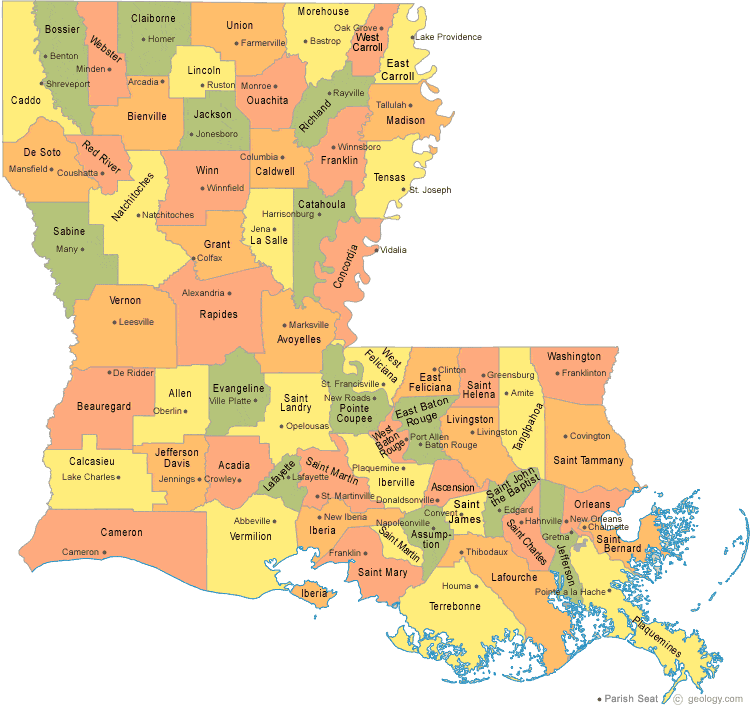
The exact number, 64 parishes, is a factual starting point. However, the true essence of Louisiana’s parishes lies in the unique stories, traditions, and landscapes they encompass. Each parish contributes to the state’s rich tapestry, offering a distinct experience for travelers. Whether you’re drawn to the historical grandeur of New Orleans, the soulful music of Acadiana, or the natural splendor of the bayous and forests, exploring Louisiana parish by parish reveals the multifaceted charm of this extraordinary state. From luxury resorts in New Orleans to cozy bed and breakfasts in rural towns, the accommodation options are as diverse as the parishes themselves, catering to every travel style and budget. The journey through Louisiana’s 64 parishes is a journey through a land of unparalleled character, a testament to its enduring history and vibrant, living culture.
LifeOutOfTheBox is a participant in the Amazon Services LLC Associates Program, an affiliate advertising program designed to provide a means for sites to earn advertising fees by advertising and linking to Amazon.com. Amazon, the Amazon logo, AmazonSupply, and the AmazonSupply logo are trademarks of Amazon.com, Inc. or its affiliates. As an Amazon Associate we earn affiliate commissions from qualifying purchases.