California, a land of breathtaking natural beauty, iconic landmarks, and vibrant cities, annually faces the formidable challenge of wildfires. These events, driven by a confluence of climatic factors, have become an intrinsic part of the state’s environmental narrative, profoundly impacting its residents, ecosystems, and crucially, its thriving tourism industry. For travelers dreaming of a California getaway, a pressing question often arises: are the California fires getting better? The answer is complex, requiring a nuanced understanding of ongoing environmental shifts, robust mitigation strategies, and the remarkable resilience of communities and natural landscapes.
The notion of “getting better” isn’t a simple yes or no. It involves looking at various metrics: the number of fires, acres burned, containment rates, impact on air quality, and the recovery of affected regions. While recent years have seen devastating fire seasons, there’s also significant progress in prevention, early detection, and community preparedness. This article delves into the current state of wildfires in California, their implications for travel and accommodation, and what visitors can expect when planning their next adventure in the Golden State.
Understanding the Wildfire Landscape in California
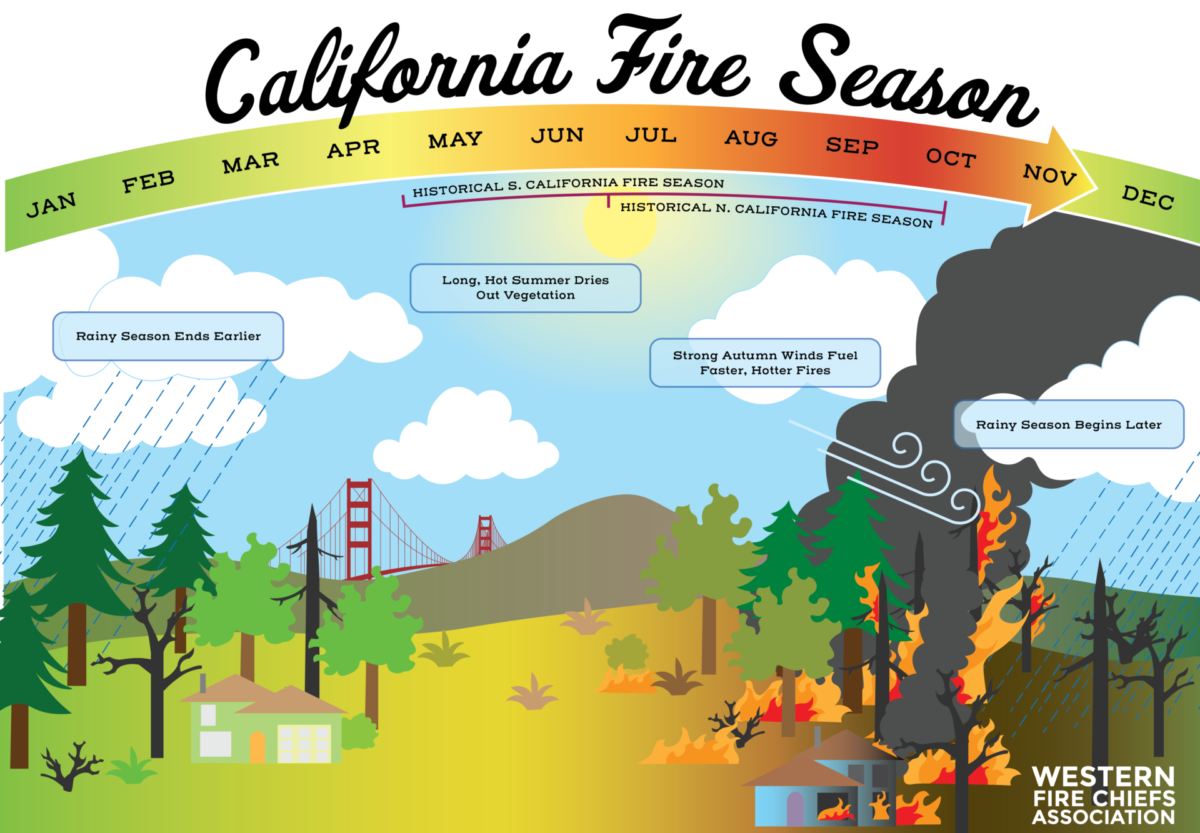
To truly grasp whether the situation is improving, one must first understand the fundamental dynamics of California’s wildfire landscape. The state’s Mediterranean climate, characterized by hot, dry summers and wet winters, creates a cycle where vegetation grows dense and then dries out, becoming fuel for fires. This natural cycle has been exacerbated by climate change, leading to longer and more intense fire seasons.
The Cyclical Nature of Wildfires and Their Causes
California’s wildfires are primarily driven by several interconnected factors. Prolonged droughts, often intensified by rising global temperatures, reduce moisture content in vegetation, turning forests and chaparral into tinderboxes. Strong winds, particularly the infamous Santa Ana winds in Southern California and the Diablo winds in Northern California, can fan small blazes into massive infernos, spreading embers rapidly across vast distances. Human activity, both accidental and intentional, remains a leading cause of ignitions, ranging from discarded cigarettes to faulty power lines and unattended campfires. Lightning strikes, while less frequent, also contribute to ignitions, especially in remote wilderness areas.
The interplay of these factors means that each fire season presents its own unique challenges. The focus of state agencies like Cal Fire, alongside federal partners like the U.S. Forest Service, is not just on suppression but increasingly on proactive forest management, including prescribed burns and fuel reduction projects. These efforts aim to restore natural fire regimes that prevent the accumulation of excessive fuel, thereby reducing the severity and spread of future wildfires.
Measuring Progress: What “Getting Better” Means
When we talk about the fires “getting better,” we’re looking at a multi-faceted evaluation. It’s not necessarily about the complete absence of fires – which is an unrealistic expectation in California’s ecosystem – but rather about the state’s capacity to manage them. Key indicators of improvement include:
- Decreased Acreage Burned: While highly variable year-to-year, a downward trend in total acres burned over a multi-year period would signal progress.
- Faster Containment Rates: More efficient and effective firefighting responses mean fires are contained more quickly, limiting their destructive potential.
- Reduced Impact on Communities: Improved early warning systems, evacuation protocols, and defensible space initiatives help protect homes and lives.
- Air Quality Improvements: Fewer large, long-burning fires translate to better air quality, a significant concern for residents and visitors alike.
- Ecosystem Recovery and Resilience: The ability of natural areas to regenerate post-fire, supported by restoration efforts, indicates ecological health.
Recent investments in aerial firefighting resources, advanced satellite monitoring, and AI-driven early detection systems represent tangible steps towards enhancing response capabilities. Furthermore, community education and stricter regulations on land use in fire-prone areas are slowly shifting the narrative from reactive suppression to proactive resilience.
Impact on Travel, Tourism, and Accommodation
California’s tourism sector is a cornerstone of its economy, attracting millions to its diverse destinations. Wildfires, especially those close to popular tourist spots, can have immediate and lingering effects on travel plans, local businesses, and the perception of the state as a safe destination.
Navigating Destinations During Fire Season
For travelers, the primary concern during fire season is safety and the potential disruption of itineraries. Popular areas like Yosemite National Park, Lake Tahoe, Napa Valley, and parts of Southern California have all experienced fire impacts in recent years. This can lead to road closures, evacuation orders, and degraded air quality, making outdoor activities unpleasant or unsafe.
However, it’s crucial to remember that California is a vast state. While one region might be affected, countless others remain open and welcoming. The key for travelers is to stay informed. Resources like Cal Fire’s incident page, local emergency services websites, and tourism board advisories provide real-time updates on fire activity and air quality. Many travel companies and tour operators now offer flexible booking policies during fire season, allowing for re-routing or rescheduling without penalty. This adaptability has become a vital aspect of modern travel planning in the state.
Understanding the timing is also important. While fires can occur year-round, the peak fire season typically runs from late summer through fall. Planning trips outside this window, or focusing on coastal cities like San Francisco, Los Angeles, or San Diego that are generally less prone to direct wildfire impact, can offer a more predictable experience. These urban centers, rich in culture, cuisine, and attractions, often provide a safe haven even when inland areas face challenges.
How Wildfires Affect Hotels and Resorts
The accommodation sector, from luxury resorts in wine country to quaint bed and breakfasts in mountain towns, is directly affected by wildfire events. When fires threaten an area, hotels may experience mass cancellations, even if they are not directly in the path of the flames. Smoke can render properties uninhabitable or significantly reduce their appeal, leading to temporary closures. Staff may be unable to reach work, and supply chains for food and other essentials can be disrupted.
In the aftermath, particularly for properties directly impacted, the road to recovery can be long and expensive. Rebuilding or renovating requires substantial investment and time. However, many hotels and resorts in California have adapted. They have invested in fire-resistant landscaping, improved air filtration systems, and robust emergency plans. Some establishments, like certain properties in Sonoma County or near Paso Robles, have even incorporated “fire-wise” practices into their operational ethos, demonstrating a commitment to guest safety and environmental stewardship.
Furthermore, during evacuation events, many hotels step up to provide shelter for displaced residents and emergency personnel, showcasing a strong sense of community responsibility. For travelers, choosing accommodations that prioritize safety and sustainability can be a way to support responsible tourism and contribute to the local economy’s resilience. Booking directly with hotels and understanding their cancellation policies related to natural disasters is always advisable.
Safeguarding Your California Experience
For those considering a trip to California, having the right information and a flexible mindset can ensure a rewarding experience, even with the ongoing presence of wildfires. It’s about preparedness, awareness, and supporting the communities working tirelessly towards recovery and prevention.
Resources for Travelers and Local Communities
Staying informed is paramount. Here are essential resources for travelers:
- Cal Fire: The official source for wildfire incident information in California. Their website provides maps, incident updates, and air quality advisories.
- National Interagency Fire Center (NIFC): Offers broader regional and national fire situation reports.
- Local County Emergency Services: Websites for specific counties (e.g., Los Angeles County Emergency Services, Marin County Emergency Management) provide localized alerts and evacuation information.
- AirNow.gov: Provides real-time air quality data across the United States, crucial for planning outdoor activities.
- California Office of Emergency Services (CalOES): Offers comprehensive information on disaster preparedness and response.
- Destination Marketing Organizations (DMOs): Local tourism boards for cities like Santa Barbara, Monterey, or Palm Springs often issue specific advisories for visitors.
Beyond these, considering travel insurance that covers natural disaster-related cancellations or disruptions can provide peace of mind. Discussing potential fire impacts with your accommodation provider or tour operator before booking can also help clarify expectations and available contingencies.
Supporting Recovery and Sustainable Tourism
For those who wish to visit California, especially areas that have been affected by fires, responsible tourism plays a vital role in recovery. Spending money at local businesses, dining in local restaurants, and engaging with local tours directly injects funds into economies that need it most. Many communities use tourism dollars to rebuild infrastructure, restore natural habitats, and enhance their resilience against future events.
Opting for eco-friendly accommodations and activities also aligns with sustainable travel principles, contributing to the long-term health of California’s environment. This includes choosing properties with strong environmental policies, respecting natural spaces, and minimizing your carbon footprint. Visiting national and state parks, once they are deemed safe and reopened, helps support their conservation efforts, which often include vital fuel management programs. Examples like the recovery of Big Sur after past fires show the incredible resilience of both nature and local communities when supported by thoughtful visitors.
Looking Ahead: The Future of California Travel
The question of whether California fires are “getting better” doesn’t have a static answer; it’s an ongoing process. While the challenges posed by climate change are undeniable and likely to persist, the state is making significant strides in its approach to wildfire management. Through technological innovation, increased funding for prevention, and greater community involvement, California is building a more resilient future.
For travelers, this means that with careful planning and awareness, a trip to the Golden State remains an incredibly enriching experience. The beauty of the Pacific Coast Highway, the allure of Hollywood, the tranquility of its national parks, and the world-class culinary scenes of its cities continue to beckon. The lifestyle of California is one of innovation and adaptability, qualities that are increasingly evident in its response to environmental challenges.
The travel industry, encompassing everything from hotels and resorts to guided tours and cultural experiences, is also evolving. Hotels are enhancing their safety measures, tourism boards are providing more detailed and transparent information, and travelers themselves are becoming more informed and responsible. By embracing these changes, visitors can continue to explore and enjoy California’s unparalleled offerings, contributing to a sustainable and vibrant future for one of the world’s most cherished destinations.