
California, often lauded as the Golden State, is an undisputed jewel in the crown of global travel. From the sun-kissed beaches of San Diego to the majestic redwoods of the north, and from the vibrant urban sprawl of Los Angeles to the iconic hills of San Francisco, its allure for travelers seeking diverse experiences is undeniable. However, alongside its breathtaking landscapes and dynamic cities, California has faced a recurring natural phenomenon: wildfires. These events, particularly during certain seasons, prompt a critical question for many prospective visitors: “Are the California fires over?”
Understanding the reality of wildfires in California is essential for any traveler planning a visit. While the dramatic images often dominate headlines, the full picture is more nuanced, highlighting not only the challenges but also the resilience of communities and the vastness of the state, where many areas remain unaffected even during active fire seasons. This comprehensive guide aims to provide clarity on the fire situation, its impact on travel and tourism, and how you can plan a safe, responsible, and unforgettable trip to this extraordinary state.
Understanding California’s Fire Season
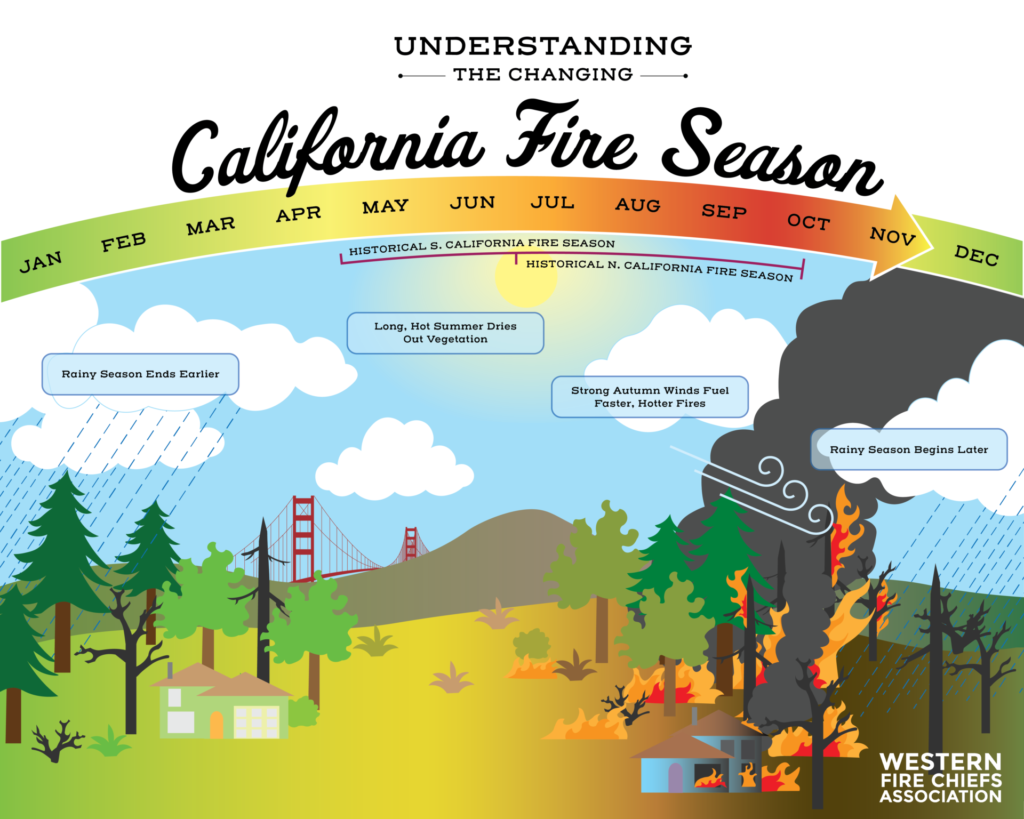
Wildfires are a natural, albeit often devastating, part of California’s ecological cycle. For centuries, these events have shaped the state’s diverse ecosystems. However, in recent decades, factors such as climate change, prolonged droughts, and historical fire suppression policies have contributed to more frequent and intense fire seasons, making them a significant concern for residents and visitors alike.
A Perennial Challenge
California’s unique geography and climate create conditions ripe for wildfires. The state is characterized by long, dry summers, chaparral and forest ecosystems prone to burning, and the infamous Santa Ana and Diablo winds that can rapidly spread flames. Areas particularly susceptible include the foothills of the Sierra Nevada, the coastal ranges, and regions with dense, dry vegetation bordering urban interfaces. While the fires present a significant challenge, the state and its communities have developed robust response and recovery mechanisms, underscoring a deep-seated resilience.
When Do Fires Typically Occur?
While fires can technically occur at any time, California’s peak fire season typically runs from late spring through autumn, often intensifying in late summer and early fall (August to November). This period coincides with the hottest and driest months, when vegetation is most parched and strong winds are common. It’s crucial for travelers to be aware of this seasonality when planning their visits, as conditions can change rapidly. However, it’s also important to remember that fire activity varies greatly year to year and region to region. A fire in one part of the state rarely means the entire state is engulfed.
Current Status and Immediate Impact on Travel
The direct answer to “Are the fires over?” is rarely a simple “yes” or “no” because fire activity is dynamic. While major fire events usually conclude with the arrival of winter rains, smaller fires or hotspots can persist, and new ignitions are always a possibility during the dry season. For travelers, the key is to access up-to-date, reliable information.
Restricted Access and Evacuations
The most immediate impact of active wildfires on tourism is restricted access to affected areas. This often includes road closures, particularly scenic routes like parts of the Pacific Coast Highway near Big Sur, and the closure of popular landmarks and outdoor attractions. National Parks such as Yosemite National Park, Sequoia National Park, and Kings Canyon National Park, while vast, may temporarily close specific sections or even entire parks for visitor safety or to aid firefighting efforts.
Accommodation providers in or near evacuation zones – ranging from luxury resorts like The Ritz-Carlton, Laguna Niguel to charming boutique hotels and holiday rentals – may cancel bookings. Travelers should always check the status of their specific destination, including local government websites, park service alerts, and official tourism bureaus, before and during their trip.
Air Quality Concerns
Beyond immediate danger, smoke from wildfires can travel hundreds of miles, impacting air quality far from the actual fire zones. Poor air quality can be a significant health concern, especially for individuals with respiratory conditions, and can severely diminish the enjoyment of outdoor activities. Checking the Air Quality Index (AQI) for your destination is paramount. Websites and apps dedicated to air quality monitoring provide real-time data, allowing travelers to adjust plans, perhaps opting for indoor attractions or modifying strenuous outdoor activities. Even if a specific area isn’t directly threatened by fire, smoke can necessitate a change of itinerary, shifting focus from a scenic hike to exploring a city’s museums or culinary scene.
Travel Advisories and Resources
Staying informed is your best defense. Official sources such as CalFire, the California Office of Emergency Services (CalOES), and the National Park Service provide the most accurate and up-to-date information on fire incidents, containment, and public land closures. Local tourism boards for cities like Santa Barbara, regions like Napa Valley, or counties like Sonoma County also offer invaluable resources and insights into localized conditions, often detailing which areas are safe to visit and how travelers can support local recovery efforts.
Long-Term Impacts on California Tourism
While immediate impacts are evident during an active fire season, the repercussions of wildfires on California’s tourism extend far beyond the extinguishing of the last flame. However, the story is also one of remarkable resilience and innovation.
Resilience and Recovery of Destinations
Communities across California have repeatedly demonstrated incredible resilience in the face of wildfires. Regions renowned for their tourism, such as the wine countries of Napa Valley and Sonoma County, have faced devastating fires only to rebuild and emerge stronger, often with renewed commitment to sustainable practices and community support. The spirit of these places, their unique cultural offerings, and the dedication of their residents often shine brightest during recovery. Travelers who visit these areas post-fire, once it is safe to do so, play a crucial role in their economic revitalization. Many attractions, including iconic theme parks like Disneyland Park in Anaheim or Universal Studios Hollywood in Los Angeles, are rarely directly impacted by fires due to their urban locations and robust infrastructure, continuing to offer their world-class entertainment throughout the year.
Economic Repercussions for Hotels and Local Businesses
Wildfires inflict significant economic damage on the tourism sector. Hotels, resorts, restaurants, wineries, and small businesses reliant on visitor traffic face booking cancellations, reduced patronage, and in some cases, direct property damage. This can lead to job losses and a slow economic recovery. The impact is felt across the accommodation spectrum, from luxury resorts to budget-friendly motels. During recovery phases, actively choosing to visit and spend locally in affected, but now safe, areas is one of the most impactful ways travelers can contribute to the rebuilding of these vibrant communities. This includes booking stays at local hotels like The Fairmont San Francisco if visiting a city, or smaller inns in recovered regions, dining at local eateries, and purchasing from local artisans.
Shifting Travel Patterns and Preferences
Wildfires can subtly shift travel patterns. Some visitors might opt for less fire-prone regions or seasons. For instance, destinations like San Diego or Palm Springs, which are often less impacted by the large forest fires seen in other parts of the state, might see increased visitation. There’s also a growing preference for resilient and sustainable tourism, where travelers actively seek out operators and accommodations that prioritize environmental stewardship and community engagement. This shift encourages destinations to implement better fire prevention and management strategies, further integrating safety and sustainability into their tourism offerings.
Planning Your California Trip: Safety and Preparedness
Despite the challenges, California remains an extraordinary travel destination. With careful planning and informed decisions, you can enjoy a safe and rewarding experience.
Researching Your Destination Thoroughly
Before finalizing your plans, conduct thorough research specific to your chosen destinations. Check the current fire risk ratings, local weather forecasts, and historical fire activity for the region. Consult official websites for California’s National Forests, State Parks, and any specific landmarks you plan to visit, such as Muir Woods National Monument or the Santa Monica Pier. Local chambers of commerce and tourist offices are also excellent resources, offering region-specific advice and updates. This due diligence ensures you’re aware of any potential issues and can make informed decisions.
Essential Travel Insurance Considerations
Travel insurance is always a wise investment, but its importance is magnified when visiting areas prone to natural disasters. Carefully review policy details regarding coverage for wildfire-related disruptions, such as trip cancellations, interruptions, or medical emergencies due to smoke exposure. Some policies may cover “natural disasters” generally, while others might have specific exclusions or require special add-ons. It’s crucial to understand what your policy covers before you travel and to purchase it well in advance, as last-minute policies may not cover existing or imminent events.
Flexible Booking and Alternative Accommodation
When booking flights, hotels, and activities, prioritize options that offer flexibility. Look for refundable rates for accommodations, flights with change-fee waivers, and tours that allow for rescheduling. Consider booking directly with hotels, as they may offer more flexibility than third-party sites. Having a backup plan or identifying alternative destinations within California that are less susceptible to fires can also alleviate stress. For example, if a mountain destination is experiencing high fire risk, a coastal city like Monterey or Santa Cruz might offer a safer, yet equally engaging, alternative.
Staying Informed During Your Stay
Once in California, remain vigilant. Follow local news, sign up for local emergency alerts (if available), and keep an eye on weather patterns. Have an emergency kit in your vehicle if you’re undertaking a road trip, including water, snacks, a first-aid kit, and any necessary medications. Familiarize yourself with evacuation routes for your accommodation and planned activities. Many hotels and resorts will have emergency plans in place and communicate directly with guests if a threat arises.
Beyond the Flames: Experiencing California Responsibly
Visiting California involves more than just seeing the sights; it’s about connecting with its culture, people, and natural beauty responsibly. In the context of wildfires, this responsibility takes on added significance.
Supporting Local Communities
Conscious tourism plays a vital role in post-fire recovery. By choosing to visit and spend your money in communities that have been impacted (once they are safe and open for tourism), you directly contribute to their economic revival. This could mean dining at local restaurants, staying at family-owned inns, visiting small businesses, and engaging with local tour operators. Your travel choices can make a tangible difference in helping communities rebuild their livelihoods and restore their vibrant character.
Engaging in Sustainable Travel Practices
Responsible travel in California also means adopting sustainable practices. This includes being mindful of water usage, minimizing waste, and respecting natural environments. Crucially, it means adhering to all fire safety regulations, especially in wildland areas. This includes proper disposal of cigarettes, adherence to campfire restrictions, and extreme caution with any spark-producing activities. Understanding and respecting the fragility of the environment helps prevent future ignitions, safeguarding the beauty of California for everyone.
Exploring Diverse California Experiences
Remember that California is an incredibly vast and diverse state. Even during a challenging fire season, there are countless areas unaffected and welcoming visitors. If one region is at high risk, consider exploring alternatives. The desert landscapes of Death Valley National Park or Joshua Tree National Park often present different fire dynamics than forested areas. Coastal cities like San Francisco with its iconic Golden Gate Bridge and Alcatraz Island, or bustling Los Angeles with attractions like Hollywood Boulevard and Griffith Observatory, typically remain open and vibrant. Embracing this diversity ensures that even amidst fire concerns, a fulfilling California adventure is always within reach.
In conclusion, while the question “Are the California fires over?” highlights a legitimate concern for travelers, it’s vital to approach it with an informed and nuanced perspective. Wildfires are a persistent challenge, but they do not define the entirety of this magnificent state. By understanding fire season patterns, staying updated with reliable information, planning flexibly, and committing to responsible travel, you can confidently embark on an incredible journey through California, experiencing its unparalleled beauty, cultural richness, and the enduring spirit of its communities. The Golden State awaits, ready to enchant those who visit wisely and respectfully.
LifeOutOfTheBox is a participant in the Amazon Services LLC Associates Program, an affiliate advertising program designed to provide a means for sites to earn advertising fees by advertising and linking to Amazon.com. Amazon, the Amazon logo, AmazonSupply, and the AmazonSupply logo are trademarks of Amazon.com, Inc. or its affiliates. As an Amazon Associate we earn affiliate commissions from qualifying purchases.