
The golden state of California, renowned globally for its diverse landscapes, vibrant cities, and unparalleled natural beauty, has become synonymous in recent years with devastating wildfires. For prospective visitors and seasoned travelers alike, a critical question emerges during fire season: “Are the California wildfires contained?” This inquiry isn’t merely about safety; it’s fundamental to understanding the viability of tourism, the accessibility of beloved destinations, and the overall experience visitors can expect. Delving into the state of wildfire containment is crucial for anyone planning to engage with California’s rich tourism offerings, impacting everything from scenic drives and national park adventures to wine tasting tours and urban explorations.

Wildfires represent a complex and evolving challenge that significantly reshapes the tourism landscape. Their presence, or absence, dictates the availability of outdoor activities, the quality of air, and the operational status of countless local businesses that form the backbone of the state’s visitor economy. This article aims to provide an insightful overview for those considering a trip to California, focusing on how the containment status of these fires directly influences the tourism sector and what visitors need to know to plan a responsible and enjoyable visit.
The Current State of Wildfire Containment and Its Tourism Implications
Understanding the current state of wildfire containment is the first step for any visitor planning to experience California. The term “contained” signifies that firefighters have established a perimeter around the fire, stopping its spread, though it may still be burning within that perimeter. For tourism, partial or full containment is a beacon of hope, indicating potential restoration of access and a return to normalcy for affected areas. However, the situation is dynamic, influenced by weather patterns, topography, and firefighting efforts.
Official sources, primarily CalFire and the National Interagency Fire Center, provide real-time updates on active incidents, containment percentages, and acreage burned. These statistics are more than just numbers; they represent the accessibility of national parks, the safety of scenic routes, and the very air quality in regions often frequented by tourists. For example, a wildfire near Yosemite National Park might lead to immediate closures of specific trails or entire sections of the park, even if the fire is outside the park boundaries, due to smoke or potential threat. Similarly, fires in wine country regions like Napa Valley or Sonoma County can force temporary closures of wineries and restaurants, directly impacting a significant draw for culinary tourists.
Key Regions Affected and Their Status
California’s vastness means that wildfires can occur in diverse geographic locations, each with unique implications for tourism. Northern California often sees incidents impacting redwood forests, high Sierras, and wine regions. Central California can experience fires near major national parks and coastal areas, while Southern California frequently battles blazes in its chaparral landscapes, often close to densely populated areas like Los Angeles or San Diego.
When planning a trip, it’s essential to pinpoint the exact location of active fires and cross-reference them with your intended destinations. For instance, a fire burning near Lake Tahoe could impact water sports and hiking activities around the lake due to smoke, even if the resorts themselves are not directly threatened. Conversely, a fully contained fire in a remote forest might have minimal impact on tourism in urban centers like San Francisco or Monterey. Information from local tourism boards and park services becomes invaluable, offering localized insights into specific closures, air quality alerts, and recommendations for alternative activities or routes. This granular level of detail ensures visitors can make informed decisions, prioritizing safety while still enjoying the state’s offerings.
Understanding Containment Levels and Tourism Recovery
The percentage of containment reported by fire agencies is a critical indicator for the tourism sector. Low containment means the fire is still actively spreading, posing risks to life, property, and, by extension, tourism infrastructure and activities. High containment, especially 100% containment, signifies that the immediate threat has passed, paving the way for recovery.
However, containment doesn’t immediately equate to full tourism recovery. Even after a fire is contained, areas may remain closed for damage assessment, hazard removal (like falling trees or unstable terrain), and ecological restoration. Roads might be compromised, utilities disrupted, and air quality may take time to return to healthy levels. For adventure tourism, backcountry permits may be suspended for extended periods in affected wilderness areas. The perception of safety also plays a significant role; it takes time for confidence to return among potential visitors, which local businesses heavily rely on. Therefore, while containment is a crucial milestone, it marks the beginning of a longer journey towards full tourism reinstatement, often requiring patience and adaptive planning from visitors.
Navigating Tourism Amidst Wildfire Season
For those determined to visit California during fire season, responsible planning is paramount. It’s not about canceling trips outright, but about exercising vigilance, flexibility, and a commitment to safety, for both personal well-being and the integrity of the local communities. The key lies in staying informed, understanding risks, and making decisions that support sustainable tourism.
Official channels are your best friend: CalFire incident pages, National Weather Service alerts for air quality, and national and state park websites. These provide the most accurate and up-to-date information regarding fire activity, road closures, and park status. Beyond direct fire impacts, smoke can travel hundreds of miles, affecting air quality in distant locations. Monitoring air quality indices (AQI) via apps or official websites is vital, especially for individuals with respiratory sensitivities or those planning strenuous outdoor activities. Poor air quality can significantly detract from the outdoor experience, even if there’s no direct fire threat.

Essential Safety Guidelines for Visitors
Visitor safety should always be the top priority. Before embarking on any part of your California journey, particularly during fire season, check for any evacuation orders or warnings in your intended destinations. Respect all posted closures and heed the advice of local authorities, including park rangers and emergency services. Attempting to circumvent closures not only puts you at risk but also diverts valuable resources from firefighting and recovery efforts.
Consider travel insurance that covers natural disasters, offering peace of mind should your plans be disrupted. Maintain a flexible itinerary, with backup options for accommodations and activities in areas unaffected by fires or smoke. If planning outdoor activities, pack essentials like N95 masks, extra water, and check fire danger ratings for your specific activity area. Adhere strictly to fire restrictions, which often include bans on campfires, barbecues, and the use of off-road vehicles that can spark fires. Educate yourself on “Leave No Trace” principles, ensuring your visit leaves no negative impact on the environment, especially in fire-prone areas.
Supporting Affected Areas Responsibly
Even when wildfires are contained, the road to recovery for affected communities is long. Tourism plays a vital role in this process. When it is safe and appropriate to do so, visiting regions recovering from fires can inject much-needed revenue into local economies. However, responsible tourism is key. This means respecting local residents and their recovery efforts, patronizing local businesses (restaurants, shops, hotels) that have endured hardship, and being mindful of the impact of your presence.
Avoid “disaster tourism”—visiting areas solely to observe fire damage—as this can be disrespectful and impede recovery work. Instead, focus on engaging with the communities that are open and welcoming visitors. Purchase local goods, eat at local establishments, and participate in local activities where safe. Donations to reputable local charities supporting fire victims or environmental restoration efforts are also a powerful way to contribute positively. By choosing to visit responsibly and support local economies, tourists can become agents of recovery, helping these beautiful regions of California rebuild and thrive once more.
Beyond Containment: Recovery and Future Outlook for Tourism
The immediate containment of a wildfire is a significant victory, but it is merely the first step in a long process of recovery that profoundly impacts the future of tourism. The damage inflicted by large-scale fires extends far beyond the immediate burn scar, affecting ecosystems, infrastructure, and the psychological well-being of communities. For tourism, this means adapting to new realities, restoring natural attractions, and ensuring resilience against future events.
Post-fire landscapes present unique challenges and opportunities for tourism. While some areas may be permanently altered, others begin a natural regeneration process, offering different aesthetic experiences. The focus shifts from emergency response to ecological restoration and rebuilding trust among visitors. This involves significant efforts by park services, environmental organizations, and local governments to rehabilitate trails, plant new vegetation, and mitigate risks like mudslides that often follow intense fires.
Long-Term Environmental and Economic Recovery
The environmental recovery from a wildfire is a multi-year, if not multi-decade, endeavor. Forests need to regrow, soil health must be restored, and wildlife populations need to recover. For natural attractions like Muir Woods National Monument or parts of Big Sur, which rely heavily on their pristine natural beauty, this long-term recovery directly impacts their tourism appeal. Tourism marketing efforts often pivot to highlight the resilience of nature and the opportunity to witness regeneration, sometimes incorporating educational components about fire ecology and conservation.
Economically, the recovery phase is critical. Businesses lose revenue during closures and may face increased operational costs due to supply chain disruptions or higher insurance premiums. Tourism dollars are vital for these businesses to stay afloat, rehire staff, and invest in their future. Government grants, community support, and sustained visitor interest are all crucial components of this economic revitalization. For instance, after fires in Paradise, efforts to rebuild and attract visitors have been slow but steady, demonstrating the long-term commitment required.
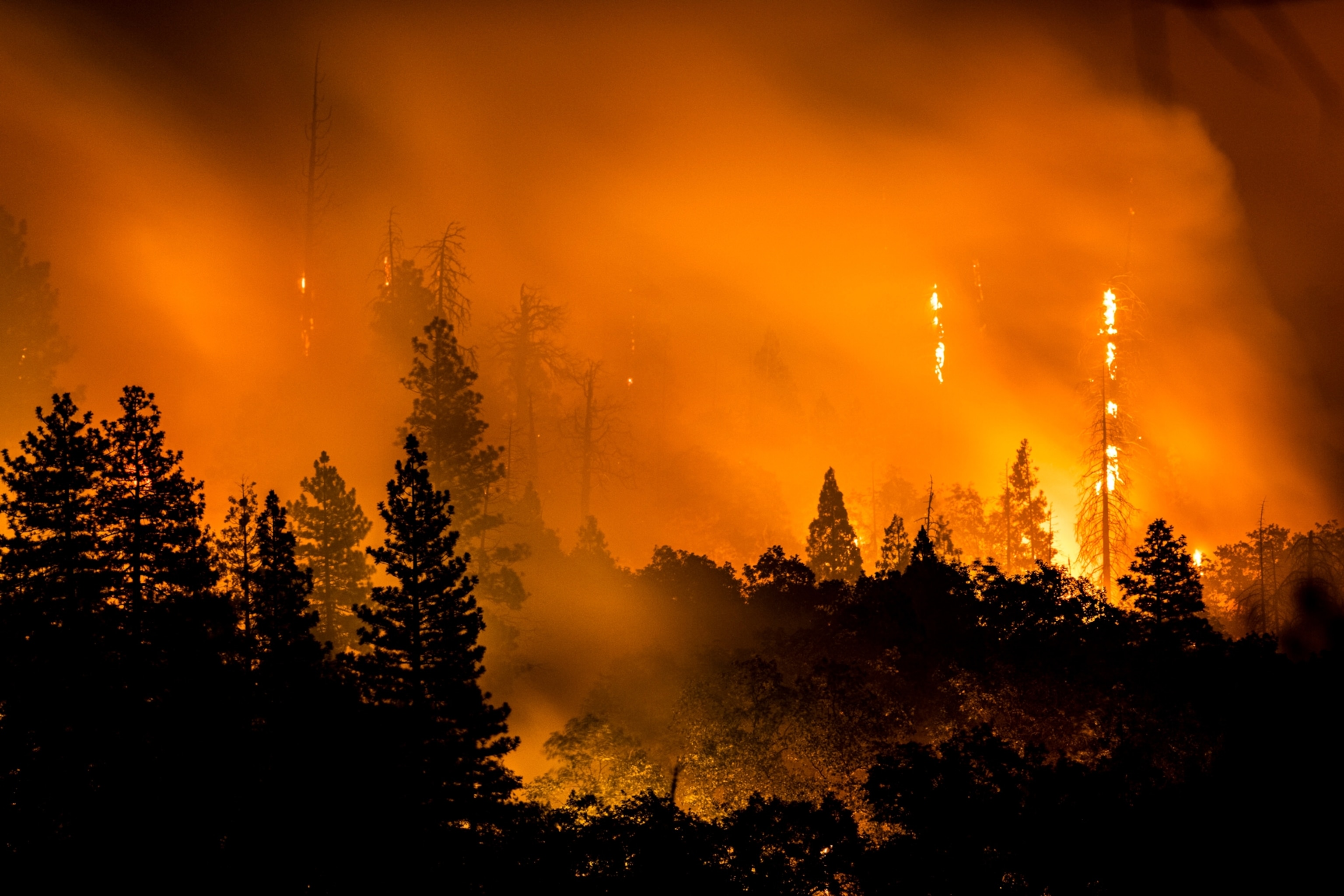
Adapting Tourism Strategies for Resilience
The recurring nature of California wildfires necessitates a proactive approach to tourism strategy. This involves developing more resilient tourism infrastructure, implementing early warning systems, and creating flexible booking and cancellation policies to instill confidence in travelers. Diversification of tourism offerings can also help, promoting indoor attractions or less fire-prone regions during peak fire season.
Education plays a pivotal role. Tourists can be educated on fire prevention, the importance of sustainable practices, and how to safely navigate California’s diverse environments. Tourism boards and destinations are increasingly integrating “fire-aware” messaging into their campaigns, encouraging responsible behavior and providing resources for real-time updates. By embracing these adaptive strategies, California‘s tourism industry can continue to thrive, welcoming visitors to its spectacular landscapes while fostering a culture of safety and environmental stewardship, ensuring that the question “Are the wildfires contained?” eventually becomes less of a deterrent and more of a routine check for an informed and prepared traveler.
LifeOutOfTheBox is a participant in the Amazon Services LLC Associates Program, an affiliate advertising program designed to provide a means for sites to earn advertising fees by advertising and linking to Amazon.com. Amazon, the Amazon logo, AmazonSupply, and the AmazonSupply logo are trademarks of Amazon.com, Inc. or its affiliates. As an Amazon Associate we earn affiliate commissions from qualifying purchases.