
The question “Are the fires contained in Los Angeles?” often arises with genuine concern, especially for those planning a visit to this iconic Southern California destination. While wildfires can be a serious environmental challenge for California, particularly during certain seasons, it’s crucial to understand the nuances of their impact on a vast metropolis like Los Angeles. The city, a global hub for travel, tourism, and lifestyle, is remarkably resilient, and its various attractions, hotels, and communities are accustomed to navigating such events with efficiency and public safety as top priorities.
When headlines emerge about wildfires, it’s natural for potential visitors to feel apprehension. However, Los Angeles is an expansive county, encompassing diverse landscapes from bustling urban centers to serene coastlines and mountainous regions. A fire in one remote corner rarely affects the entirety of the city or its main tourist corridors. This article aims to provide a comprehensive overview of the situation, offering insights for travelers, addressing safety concerns, and highlighting how Los Angeles continues to thrive as a world-class destination even amidst environmental challenges. We’ll delve into the reality of fire containment efforts, the impact on travel and accommodation, and how visitors can still experience the vibrant spirit of this extraordinary city safely and responsibly.

Understanding the Current Situation: Wildfires and Public Safety in Los Angeles
Wildfires are a recurring, albeit challenging, natural phenomenon in California’s Mediterranean climate, especially during late summer and fall. However, the state, and particularly Los Angeles, has developed sophisticated systems and strategies to monitor, combat, and mitigate the risks associated with these events. The primary concern is always public safety, and official agencies work tirelessly to keep residents and visitors informed.
The Latest on Fire Containment and Emergency Services
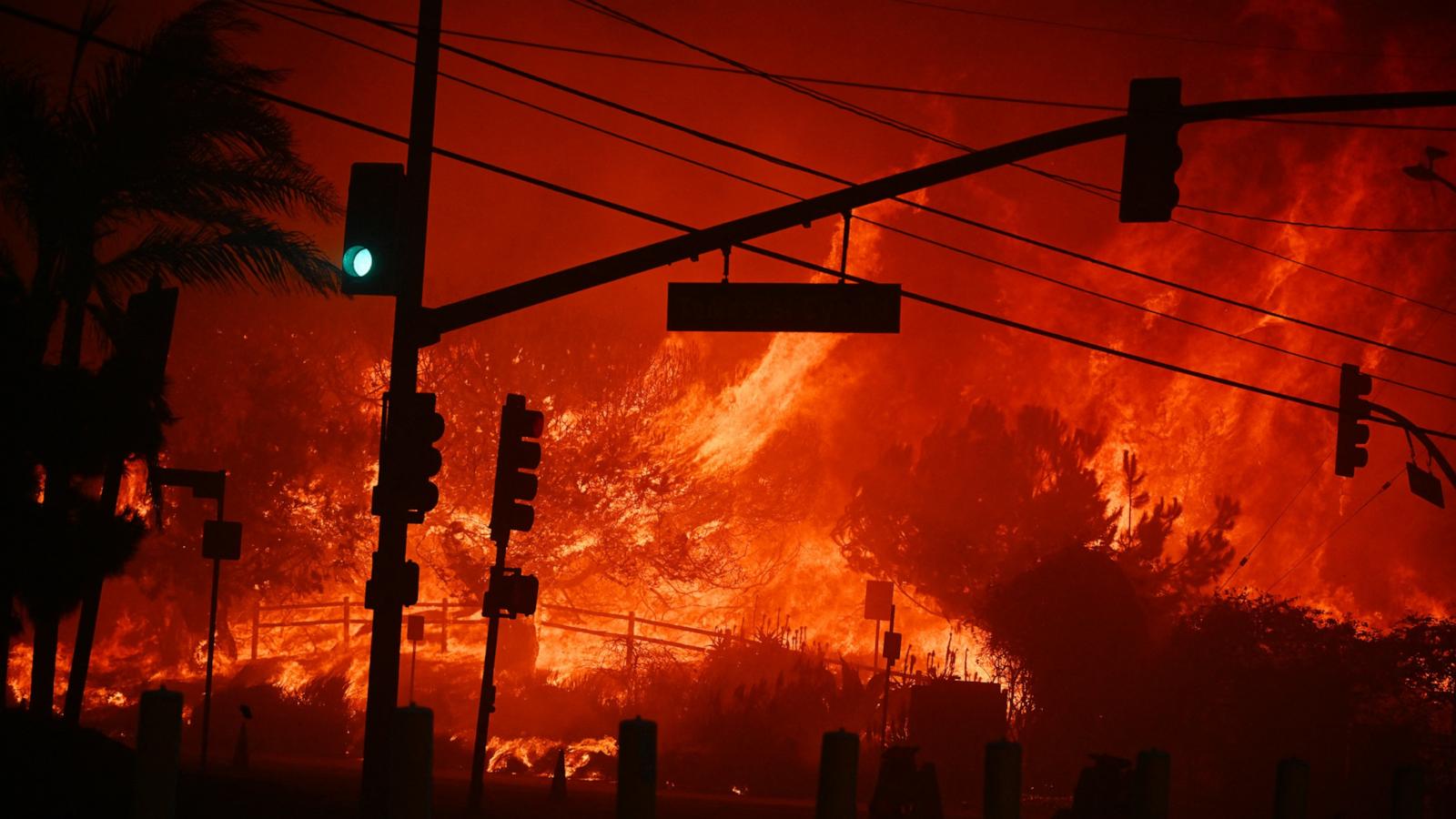
When a wildfire breaks out in or around Los Angeles, the response is immediate and multi-faceted. Agencies like Cal Fire and local county fire departments deploy extensive resources, including ground crews, air tankers, and helicopters, to contain the blaze and protect lives and property. “Containment” refers to the percentage of the fire’s perimeter that has been encircled by a control line, such as a fire break or natural barrier, preventing further spread. As these lines are established and reinforced, the containment percentage increases, signaling progress towards full control.
It’s important for travelers to distinguish between fires that might be burning in remote wildland areas, often miles away from major population centers or tourist attractions, and those that pose an immediate threat to urbanized zones. Emergency services are highly proficient in assessing risks, issuing evacuation orders when necessary, and providing real-time updates through official channels. These orders are hyper-localized, targeting specific neighborhoods or communities directly impacted by the fire’s path, rather than broad regions of the city. While road closures might occur near active fire zones to ensure safety for both the public and emergency personnel, the vast network of roads and freeways in Los Angeles usually ensures alternative routes are available for most destinations. Air quality can be a temporary concern in areas downwind from a fire, and public health officials issue advisories when necessary, recommending precautions such as limiting outdoor activities. For the most accurate and up-to-date information, consulting official sources like local government websites, fire department alerts, and reputable news outlets is paramount.
Ensuring Visitor Safety and Awareness
For those planning a visit to Los Angeles, staying informed is the best defense against any potential disruptions. Before and during your trip, make it a habit to check official sources. The Los Angeles County Fire Department, the City of Los Angeles Emergency Management Department, and the National Weather Service provide consistent updates on fire activity, air quality, and any public safety advisories. Many of these resources are easily accessible online or through local news apps.
It is also wise to understand the general geography of Los Angeles. Many of the city’s popular landmarks and districts are situated in highly developed urban areas, often far removed from the brush-heavy hillsides where wildfires typically ignite. For example, popular areas like Hollywood Walk of Fame, Downtown LA, or Santa Monica Pier are generally at a low direct risk from wildfires. However, natural parks and hiking trails in the surrounding hills, such as those near the Griffith Observatory or in the Malibu hills, might temporarily close for safety reasons or due to poor air quality. Always check the status of specific attractions, particularly those in natural settings, before heading out. Practicing responsible tourism also means being mindful of fire prevention, especially if visiting parks or wilderness areas. Simple actions like not littering, avoiding open flames outside of designated areas, and being aware of local fire restrictions can make a significant difference.
Impact on Travel and Tourism in Los Angeles
Despite the occasional challenges posed by wildfires, Los Angeles remains a vibrant and open destination for millions of travelers each year. The city’s vastness and the localized nature of fire events mean that the overall impact on travel and tourism is often minimal, especially in major tourist zones. However, it’s prudent for visitors to be aware of potential, albeit usually localized, disruptions and plan accordingly.
Navigating Travel Plans During Fire Season
During fire season, typically from late summer through fall, it’s advisable for travelers to be slightly more proactive in monitoring their travel plans. Major airports like Los Angeles International Airport (LAX) are rarely directly impacted by wildfires, as they are located in densely populated, less fire-prone areas. However, smoke can occasionally cause flight delays or cancellations if visibility is severely impaired, though this is uncommon. It’s always a good practice to check with your airline for the latest flight status.
Road closures are the most common form of disruption, typically affecting specific highways or canyon roads near active fire zones. For example, if a fire were to impact areas near the Getty Center or Malibu, certain stretches of the Pacific Coast Highway or canyon roads might be temporarily inaccessible. However, Los Angeles has an extensive freeway system, and alternative routes are usually available. Travelers should use GPS applications that provide real-time traffic and road closure updates. Consider purchasing travel insurance, especially if traveling during peak fire season, as policies can offer protection against trip interruptions or cancellations due to unforeseen events like natural disasters, providing peace of mind and financial security for your lifestyle choices. Communicate directly with tour operators or activity providers if you have specific excursions planned in potentially affected areas. Most will have contingency plans or offer flexible rebooking options.
Are Attractions and Destinations Still Open?
The overwhelming majority of Los Angeles attractions and destinations continue to operate normally during fire season. The city is simply too large and diverse for localized fire events to shut down its entire cultural and entertainment landscape. Iconic landmarks such as the Hollywood Walk of Fame, the Griffith Observatory (unless specific roads leading to it are impacted), the Getty Center, Universal Studios Hollywood, and the Santa Monica Pier are generally unaffected by distant fires. Similarly, the myriad museums, theaters, shopping districts, and dining establishments across Beverly Hills, West Hollywood, and Downtown LA typically remain open.
Even major theme parks like the Disneyland Resort in nearby Anaheim, a significant draw for Southern California visitors, are rarely impacted by Los Angeles wildfires due to their urban location and distance. The key is to check the official websites or social media channels of specific attractions you plan to visit. They will provide the most current information regarding opening hours, potential changes, or specific advisories. It’s highly unlikely that your entire itinerary will be derailed by a wildfire; rather, you might need to adjust plans for a specific outdoor activity or a visit to a particular park if it’s near an affected area. For the most part, the vibrant energy and diverse experiences that Los Angeles offers remain fully accessible.
Accommodation Choices and Their Resilience
When it comes to accommodation in Los Angeles, travelers have a vast array of choices, from luxury resorts to boutique hotels, apartments, and vacation rentals. These Los Angeles hotels and properties are overwhelmingly located in urban and suburban environments that are generally well-protected and far from wildfire prone areas.
The robustness of the Los Angeles hospitality industry means that even during environmental events, hotels and resorts are equipped to handle any potential disruptions. They prioritize guest safety and often have comprehensive emergency plans in place. If a wildfire were to affect an area close to a particular hotel, management would be proactive in communicating with guests and offering assistance, including rebooking at sister properties or providing refunds according to their cancellation policies. It’s always a good idea to confirm your booking details and the hotel’s cancellation policy, especially if you have concerns about the timing of your visit. Direct communication with your chosen accommodation provider can offer clarity and reassurance.
Furthermore, the diversity of neighborhoods in Los Angeles means that if one specific area were to experience temporary disruptions, there are countless other options available. You could easily find equally appealing hotels or boutique hotels in Beverly Hills, West Hollywood, Downtown LA, Santa Monica, or Venice Beach that are far from any fire activity. For those looking for budget-friendly options, there are also numerous choices that cater to various lifestyles and budgets without compromising safety or access to the city’s highlights. The accommodation sector in Los Angeles is well-prepared to welcome and support travelers, ensuring that their stay is as comfortable and seamless as possible.
Embracing Los Angeles: A Resilient Destination
Los Angeles is much more than just a geographic location; it’s a dynamic tapestry of cultures, innovation, and natural beauty. Its enduring appeal as a premier travel destination stems from its incredible diversity and the resilience of its communities. Visitors choosing to experience Los Angeles contribute directly to this vibrant ecosystem, supporting local businesses and experiencing a unique blend of urban sophistication and laid-back California charm.
Beyond the Headlines: The True Los Angeles Experience
While headlines about wildfires can sometimes paint a daunting picture, the true Los Angeles experience unfolds across its myriad neighborhoods, each offering a distinct flavor. Beyond the news cycle, the city pulsates with energy, creativity, and an unwavering spirit. From the glamour of Beverly Hills and West Hollywood to the artistic flair of Downtown LA’s Arts District, and the bohemian vibes of Venice Beach, there’s an endless array of destinations and attractions to explore.
Foodies can embark on a culinary journey through diverse cuisines, from Michelin-starred restaurants to bustling food trucks. Art enthusiasts can spend days wandering through world-class museums like the Getty Center and the Los Angeles County Museum of Art (LACMA). Entertainment seekers can catch a show at a historic theater, explore film studios, or enjoy live music. The city’s extensive coastline offers opportunities for beach relaxation at Santa Monica Pier, surfing, or simply enjoying spectacular sunsets. Even with potential, localized fire activity, the vast majority of these experiences remain readily available and unaffected, showcasing the true essence of Los Angeles as a global cultural powerhouse. The city’s dynamic lifestyle thrives, continually offering new experiences for every type of traveler.

Supporting Local Communities and Sustainable Tourism
Choosing to visit Los Angeles means more than just a vacation; it’s an opportunity to contribute to the resilience and recovery of local communities. By booking accommodation at local hotels, dining at local restaurants, and purchasing from independent shops, visitors directly support the economy and the people who make Los Angeles so special. This form of responsible tourism helps the city maintain its vibrancy and capacity to address environmental challenges.
Furthermore, embracing sustainable tourism practices is particularly important in a region susceptible to wildfires. This includes respecting natural environments, adhering to local regulations (especially regarding fire safety in wildland-urban interface areas), minimizing waste, and opting for eco-friendly transportation options where possible. For instance, instead of driving to every attraction, consider utilizing Los Angeles’ improving public transport system, ride-sharing, or even cycling in suitable areas. When exploring natural landmarks or parks, stay on marked trails and be extra cautious with anything that could spark a fire. By being mindful and making conscious choices, visitors can enjoy their trip while also helping to preserve the natural beauty and ecological balance of California. This approach enriches the travel experience, aligning with a thoughtful and sustainable lifestyle for both visitors and locals alike.
In conclusion, while the question of fire containment in Los Angeles is a valid and important one, it should not overshadow the city’s enduring appeal as a world-class travel destination. The city and its surrounding regions are well-equipped to manage wildfires, with emergency services acting swiftly and efficiently. For travelers, the key is to stay informed through official channels, be flexible with plans if minor adjustments are needed, and recognize that the vast majority of Los Angeles’ attractions, hotels, and communities remain open and welcoming. By practicing responsible tourism and embracing the city’s resilient spirit, visitors can confidently plan an unforgettable Los Angeles adventure, experiencing its diverse lifestyle, iconic landmarks, and vibrant culture.
LifeOutOfTheBox is a participant in the Amazon Services LLC Associates Program, an affiliate advertising program designed to provide a means for sites to earn advertising fees by advertising and linking to Amazon.com. Amazon, the Amazon logo, AmazonSupply, and the AmazonSupply logo are trademarks of Amazon.com, Inc. or its affiliates. As an Amazon Associate we earn affiliate commissions from qualifying purchases.