
The smoke has cleared, the sirens have faded, and the news cycle has, for the most part, moved on. But for many planning a trip to the Golden State, a lingering question remains: Are the fires in California out? This is a crucial consideration for any traveler, especially those with California on their itinerary, impacting everything from flight bookings and accommodation choices to the very experiences they might seek. Understanding the current situation, its historical context, and how it might influence your travel plans is essential for a safe and enjoyable adventure.
Wildfires have become an unfortunate and increasingly prominent feature of the California landscape. While the dramatic images of raging infernos often dominate headlines, the reality is a complex interplay of seasonal patterns, climate change, and landscape management. For tourists, this translates into a need for timely and accurate information, moving beyond sensationalism to practical guidance. This article aims to provide that clarity, helping you navigate the aftermath and assess the impact on your prospective California vacation.
Understanding California’s Wildfire Landscape
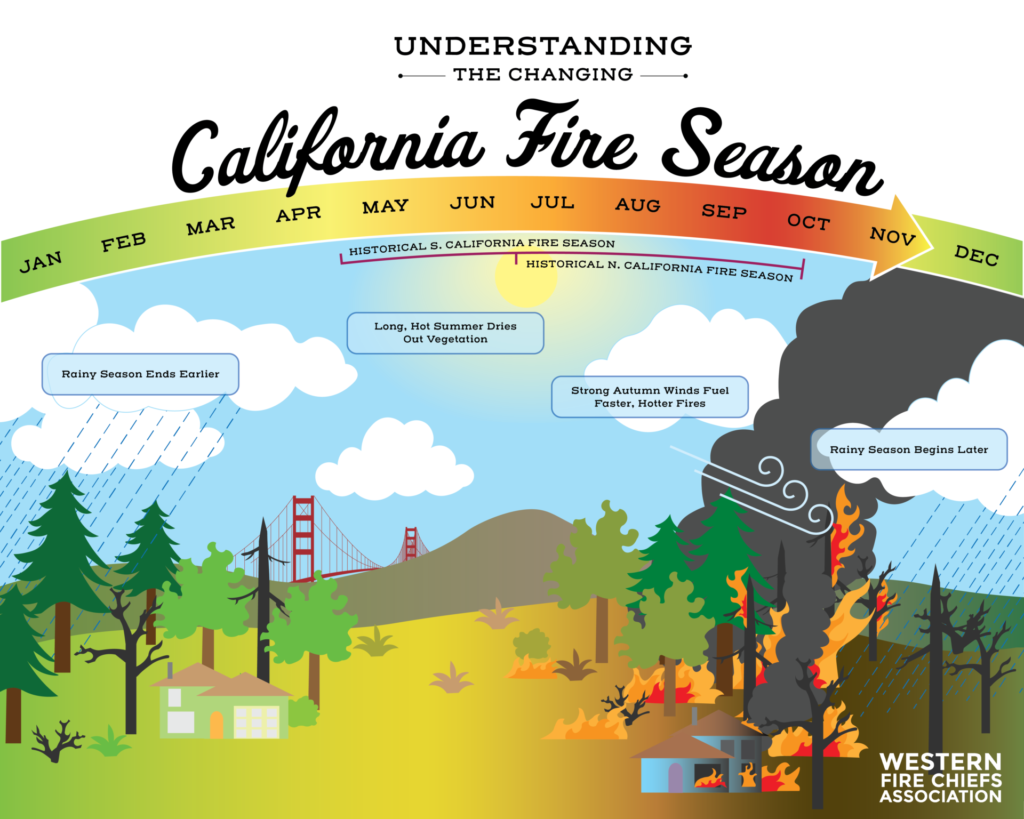
California‘s diverse topography and climate create a perfect storm for wildfires, particularly during its hot, dry summer and fall months. The state’s Mediterranean climate, characterized by wet winters and long, arid summers, means that vegetation becomes incredibly parched, creating ample fuel for fires. Add to this the persistent Santa Ana winds in Southern California and the Diablo winds in Northern California, which can rapidly spread flames, and you have a recipe for potential disaster.
Seasonal Patterns and Recurring Threats
It’s vital to understand that wildfires are not an anomaly in California; they are a recurring, albeit intensifying, phenomenon. The fire season typically begins in late spring and can extend through fall, sometimes even into early winter, depending on rainfall and wind patterns. Historically, fires have played a role in shaping California‘s ecosystems, with some native plants even adapted to fire. However, the scale and intensity of recent fires are unprecedented, largely attributed to factors such as:
- Climate Change: Rising global temperatures contribute to hotter, drier conditions across the state, increasing the flammability of vegetation. Longer droughts and earlier snowmelt exacerbate these conditions.
- Fuel Accumulation: Decades of effective fire suppression have led to a build-up of dead vegetation and dense undergrowth in forests and wildlands. This accumulated fuel provides more material for fires to burn and makes them more intense and harder to control.
- Development in the Wildland-Urban Interface (WUI): As more people build homes and communities in areas where wildlands meet urban development, the risk of fires starting from human activities (like faulty power lines or campfires) increases, and the potential for catastrophic destruction of property and loss of life escalates.
Assessing the Current Situation: Beyond the Headlines
When a major wildfire event occurs, particularly one that threatens beloved destinations or significant landmarks, it’s easy to assume the entire state is engulfed in flames. However, the reality is often more localized. California is a vast state, and while a fire might be raging in one region, another might be entirely unaffected.
- Geographic Specificity: Fires are highly geographically specific. A fire burning in the mountains near Los Angeles does not necessarily impact the coastal cities like San Diego or the wine regions of Napa Valley. Similarly, a fire in Northern California, like those that have historically affected areas around Lake Tahoe or Yosemite National Park, might have no bearing on Southern California‘s attractions.
- Containment Efforts: Firefighting efforts in California are incredibly sophisticated and well-resourced. While fires can spread rapidly, they are also subject to intense containment strategies involving thousands of firefighters, specialized aircraft, and heavy machinery. News reports often focus on the active flames, but a significant portion of the reporting also details containment percentages and the progress made in bringing fires under control.
- Post-Fire Recovery: Even after fires are declared “out,” recovery efforts can take months or even years. This can involve trail closures in national parks, road detours, and lingering smoke from smoldering debris. However, for many popular tourist destinations, swift action is taken to assess damage and reopen areas as soon as it is safe.
Staying Informed: Your Best Tool for Planning
For travelers, the most effective way to answer the question, “Are the fires in California out?” is to consult reliable, up-to-date sources. Relying solely on historical news or outdated travel guides can lead to misinformation and unnecessary anxiety.
- Official Fire Incident Websites: Agencies like the California Department of Forestry and Fire Protection (CAL FIRE) and the U.S. Forest Service provide real-time information on active fires, including maps, containment levels, and evacuation orders. These are the gold standard for accurate, on-the-ground reporting.
- Local News Outlets: Local news channels and newspapers in the specific region you plan to visit will offer the most granular and timely information regarding local conditions, road closures, and the impact on attractions.
- Tourism Boards and Visitor Centers: Official tourism organizations for cities, counties, and regions within California are excellent resources. They often have dedicated pages or staff members who can provide up-to-date information on the accessibility of attractions, hotels, and activities. For example, if you’re planning a trip to Disneyland or exploring the beaches of Orange County, checking the Visit California website or Visit Anaheim resources would be advisable.
- Air Quality Monitoring: Even if fires are contained, smoke can travel long distances. Websites like AirNow.gov provide real-time air quality index (AQI) data, which is crucial for planning outdoor activities and ensuring respiratory health.
Impact on Travel and Experiences
The presence of wildfires, even when not directly threatening major tourist hubs, can subtly impact the travel experience. Understanding these potential effects will allow for better preparation and informed decision-making.
Changes to Attractions and Activities

While iconic landmarks like the Golden Gate Bridge or the theme parks in Southern California are often resilient, smaller attractions or those located in more remote natural areas might face temporary closures or altered accessibility.
- National and State Parks: Parks such as Yosemite National Park, Sequoia National Park, and Joshua Tree National Park are susceptible to wildfire activity. Access to trails, campgrounds, and specific areas within these parks can be restricted due to fire activity, smoke, or post-fire hazards like falling trees. Always check the official park websites for the latest alerts and closures before your visit.
- Outdoor Adventures: Activities like hiking, camping, and scenic drives in affected regions may be cancelled or rerouted. Popular areas for leaf-peeping in the fall might be marred by smoke, affecting visibility and the overall aesthetic experience.
- Air Quality Concerns: Even if fires are out, residual smoke can lead to poor air quality, making outdoor activities uncomfortable or even unhealthy, especially for those with respiratory sensitivities. This can impact your enjoyment of beaches, outdoor dining, or city exploration.
Accommodation and Booking Considerations
The impact on accommodation can vary significantly. In the immediate aftermath of a major fire, some hotels may be directly affected, while others might experience a surge in demand from displaced residents or emergency personnel.
- Direct Impact: Hotels and vacation rentals located in fire-prone areas or within evacuation zones may be forced to close temporarily. Some might sustain damage, leading to extended closures for repairs.
- Indirect Impact and Availability: Fires can lead to road closures, making it difficult for travelers to reach their booked accommodations. This can necessitate last-minute changes to travel plans and potentially affect cancellation policies. In areas heavily impacted by smoke, even if not directly by fire, tourists might choose to postpone their trips, leading to fluctuating demand and pricing for hotels.
- Booking Flexibility: When booking travel during wildfire season, it’s wise to opt for accommodations and airlines with flexible cancellation and rebooking policies. This offers peace of mind in case of unforeseen circumstances. Websites that specialize in comparing accommodation options, such as those aggregating deals for hotels, resorts, and apartments, often highlight these policies.
Navigating the Post-Fire Environment
Even after the flames are extinguished, the landscape can look dramatically different. For travelers, this can present both challenges and unique opportunities.
- Scenic Impact: While devastating, fire can also be a natural process. In some cases, post-fire landscapes can offer a unique perspective, showcasing the resilience of nature. However, this is a sensitive topic, and travelers should be mindful of the human impact and the devastation experienced by local communities.
- Community Support: Many communities in California rely heavily on tourism. If you are considering visiting an area that has experienced wildfires, your patronage can be a vital part of their recovery. It’s important to research businesses that are open and operating and to be a responsible tourist, respecting any ongoing recovery efforts.
- Safety Precautions: Even after fires are out, risks remain. Burned areas can be unstable, and ash and debris can pose health hazards. Travelers should heed all posted warnings and advisement from local authorities, especially when exploring areas that have recently experienced fires.
Planning Your California Adventure with Confidence
The question “Are the fires in California out?” is best answered with a nuanced understanding of the state’s dynamic environment and a commitment to staying informed. While wildfires are a reality, they do not preclude a fantastic California vacation. With careful planning, diligent research, and a flexible approach, you can confidently embark on your journey to experience the diverse attractions, vibrant culture, and stunning landscapes that California has to offer.
Embracing the Californian Lifestyle, Safely
California is renowned for its diverse lifestyle offerings, from the glitz and glamour of Hollywood to the laid-back surf culture of Santa Cruz and the world-class wine regions. Whether you’re planning a family trip, a romantic getaway, or an adventurous solo expedition, California has something for everyone.
- Luxury and Budget Travel: From opulent resorts in Beverly Hills to budget-friendly motels along Route 66, California caters to all travel styles. Luxury travelers might seek out exclusive wine tasting experiences in Sonoma, while budget travelers might find charming inns in the California desert or explore free attractions like Griffith Observatory in Los Angeles.
- Family Fun: California is a playground for families. Iconic theme parks like Disneyland and Universal Studios Hollywood offer endless entertainment. Beyond the theme parks, there are countless beaches for sandcastle building, interactive museums in cities like San Francisco, and opportunities for stargazing in the clear desert skies of places like Palm Springs.
- Cultural Immersion: California‘s rich cultural tapestry is woven from diverse influences. Explore the historic missions scattered along the coast, delve into the vibrant art scenes in cities like San Francisco and Oakland, or savor the farm-to-table culinary experiences in regions like Central Valley. Each city and region offers unique insights into local traditions and history.
Practical Tips for Fire Season Travel
To ensure your trip is as smooth as possible, consider these practical tips, especially if traveling during the peak fire season:
- Book Smart: Prioritize accommodations with flexible cancellation policies. Research hotels and vacation rentals in areas less prone to immediate fire risk, or well outside potential evacuation zones.
- Travel Insurance: Consider travel insurance that covers trip cancellations or interruptions due to natural disasters.
- Stay Connected: Ensure you have reliable mobile service to receive alerts and check conditions. Download offline maps of your destination.
- Pack Accordingly: Bring masks or respirators (N95 or similar) if air quality is a concern. Pack layers of clothing, as weather can change rapidly, especially in mountainous regions.
- Be Flexible: Have backup plans. If a planned hike is inaccessible due to fire, have an alternative activity in mind, such as visiting a museum or exploring a different part of the city.
- Respect Local Guidance: Always adhere to evacuation orders and safety warnings. Local authorities are best equipped to provide guidance during emergencies.
By staying informed and adopting a proactive approach, you can navigate the complexities of California‘s wildfire season and still have an unforgettable travel experience. The Golden State’s allure remains undimmed, and with a little foresight, your adventure can be both safe and spectacular.
LifeOutOfTheBox is a participant in the Amazon Services LLC Associates Program, an affiliate advertising program designed to provide a means for sites to earn advertising fees by advertising and linking to Amazon.com. Amazon, the Amazon logo, AmazonSupply, and the AmazonSupply logo are trademarks of Amazon.com, Inc. or its affiliates. As an Amazon Associate we earn affiliate commissions from qualifying purchases.