
The Golden State, a land of breathtaking coastlines, majestic mountains, and vibrant cities, is a perennial favorite for travelers. From the iconic Golden Gate Bridge in San Francisco to the sun-drenched beaches of Southern California, its allure is undeniable. However, the natural beauty of California also comes with its challenges, most notably the recurring threat of wildfires. For those planning a trip, considering a long-term stay, or simply curious about the state’s current situation, understanding the impact and whereabouts of these fires is crucial. This article aims to provide a comprehensive overview, helping you navigate potential disruptions and make informed decisions about your travel plans.
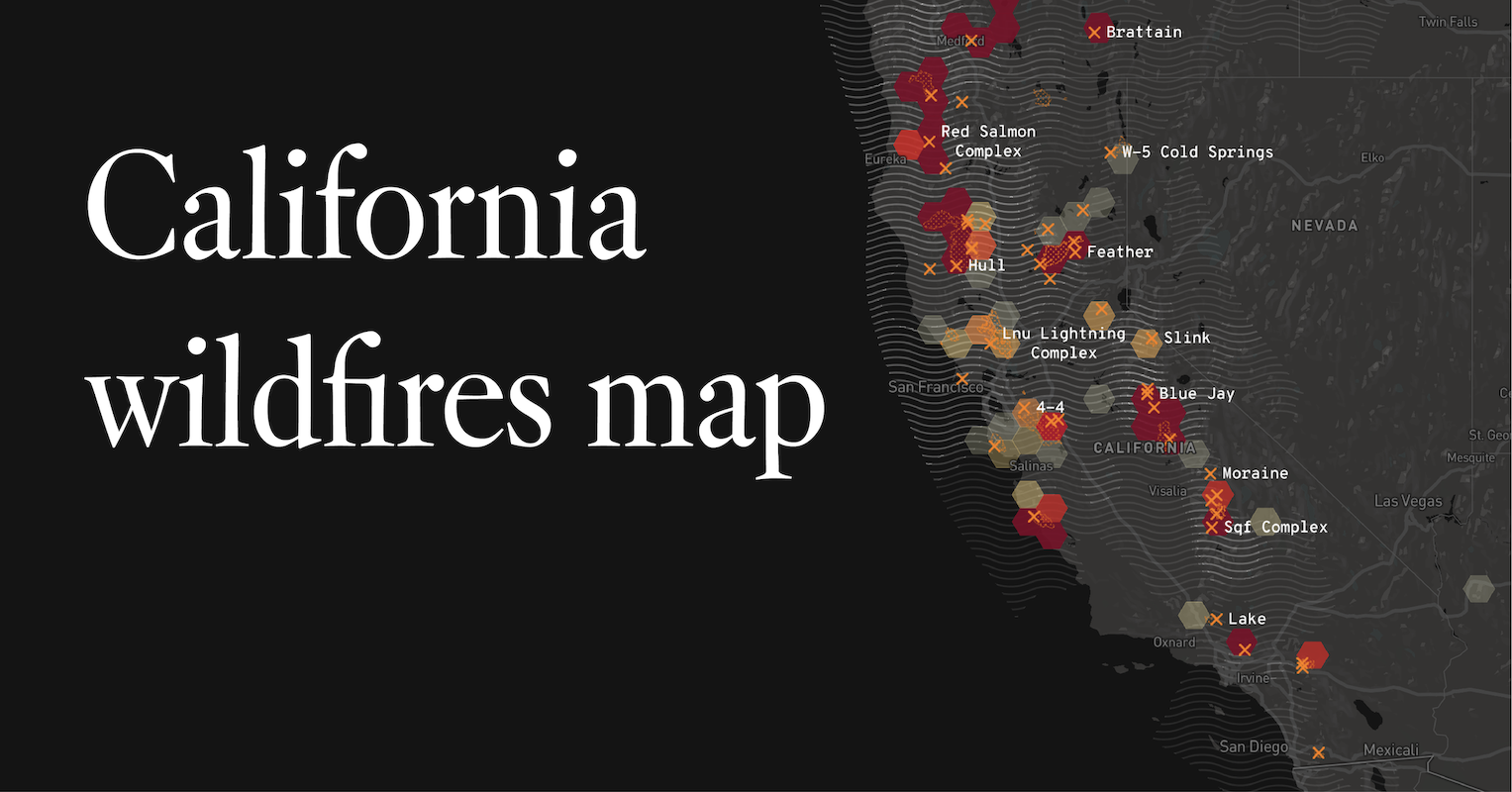
Understanding the California Wildfire Landscape
California’s propensity for wildfires is a complex issue, rooted in its Mediterranean climate, which brings hot, dry summers and abundant vegetation that fuels fires. Years of drought have exacerbated these conditions, creating a tinderbox environment. The changing climate is also believed to be a significant factor, leading to longer and more intense fire seasons. These fires are not just localized events; they can significantly impact air quality, travel routes, and the availability of accommodations across vast regions.
Factors Contributing to Wildfire Risk
Several factors contribute to California‘s vulnerability to wildfires:
- Climate and Weather Patterns: Prolonged periods of drought, coupled with high temperatures and low humidity, create ideal conditions for fires to ignite and spread rapidly. The infamous “Santa Ana” winds in Southern California and the “Diablo” winds in Northern California are particularly notorious for fanning the flames, turning small blazes into infernos.
- Vegetation: The state’s diverse landscapes, from dense forests in the Sierra Nevada mountains to chaparral in the foothills, provide ample fuel. Overgrown vegetation, especially after wet years, becomes highly flammable when dry.
- Human Activity: While lightning can ignite fires, the majority of wildfires in California are human-caused, whether through accidental means such as unattended campfires, discarded cigarettes, or faulty electrical equipment, or in rare cases, arson.
- Topography: Steep canyons and rugged terrain can influence fire behavior, making them difficult to control and predict.
The Impact on Travel and Tourism
Wildfires in California have a profound and multifaceted impact on travel and tourism. Smoke plumes can travel hundreds of miles, drastically reducing visibility and leading to unhealthy air quality in popular tourist destinations, even those far from the actual fire zones. This can result in the cancellation of outdoor activities, tours, and events, and may even prompt visitors to cut their trips short or reconsider their travel plans altogether.
Air Quality Concerns
The most immediate and widespread impact of wildfires on travelers is the deterioration of air quality. Smoke contains fine particulate matter, which can cause respiratory problems, eye irritation, and other health issues. Destinations that are typically known for their clear skies and stunning vistas can be shrouded in a hazy, orange glow, diminishing the visual appeal and making outdoor exploration unpleasant or even dangerous. This is particularly concerning for vulnerable populations, including children, the elderly, and individuals with pre-existing respiratory or cardiovascular conditions. Many popular tourist activities, such as hiking in Yosemite National Park, exploring the Redwood National and State Parks, or enjoying scenic drives along the Pacific Coast Highway, become less enjoyable or impossible when air quality is poor.
Road Closures and Access Disruptions
Active fires can necessitate the closure of major highways and local roads, creating significant disruptions for travelers. This can lead to lengthy detours, unexpected delays, and in some cases, complete inaccessibility to certain areas. For instance, a wildfire near Lake Tahoe could shut down routes that connect Nevada to California, impacting visitors aiming for ski resorts or summer recreation. Likewise, fires in wine regions like Napa Valley or Sonoma County can close scenic byways, hindering vineyard tours and wine tastings. This unpredictability makes last-minute travel planning particularly challenging.
Accommodation and Resort Impacts
Beyond direct access, fires can also affect accommodations. In areas directly threatened by flames, hotels, resorts, and vacation rentals may be evacuated or forced to close. Even in areas not directly in the path of the fire, smoke can make stays unpleasant, leading to cancellations. For example, a luxury resort in the Santa Barbara hills might experience cancellations due to smoke impacting its outdoor amenities and views, even if the fire is miles away. This can have a significant economic impact on the tourism industry and local communities that rely on visitor spending. Long-term stays or vacation apartment bookings can also be disrupted, forcing residents and temporary visitors to find alternative lodging on short notice.
Current Fire Status and Monitoring
Staying updated on the current fire situation is paramount for anyone planning to visit or reside in California. Various resources are available to provide real-time information, allowing travelers to make informed decisions and adjust their plans as needed.
Official Resources for Fire Information
Several official agencies are dedicated to monitoring and reporting on wildfires in California. The California Department of Forestry and Fire Protection (CAL FIRE) is the primary source for information on wildfires, including active incidents, containment figures, and evacuation orders. Their website and social media channels are regularly updated. Another crucial resource is the National Interagency Fire Center (NIFC), which provides national-level data on fires across the United States, including California.
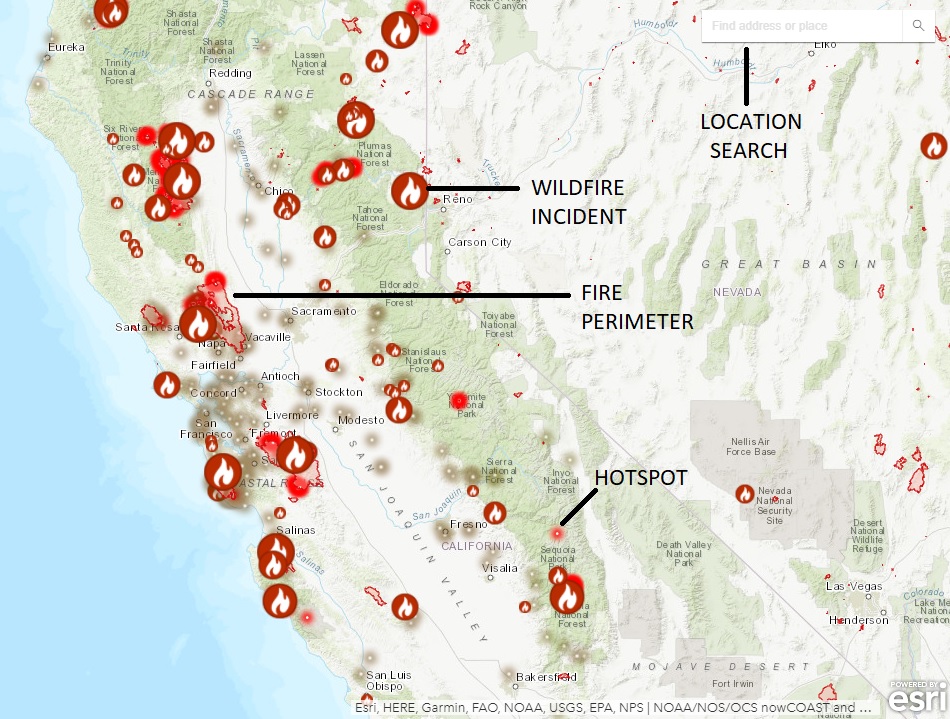
Additionally, local emergency management agencies and county sheriffs’ offices often provide localized updates, particularly regarding evacuations and road closures in specific communities. For air quality information, the AirNow.gov website, a partnership of the U.S. Environmental Protection Agency (EPA), NOAA, and NASA, offers real-time air quality data and forecasts, often indicating areas affected by wildfire smoke. Travelers can use these resources to gauge the severity of the situation in their intended destinations and surrounding areas.
Tracking and Predictive Tools
Beyond official reports, several online tools and applications are designed to help individuals track wildfires. Websites like InciWeb, managed by the U.S. Forest Service, provide detailed information on large wildfires across the nation, including maps, photos, and incident updates. Many news organizations also maintain interactive fire maps that are updated frequently, consolidating information from various sources. These tools can offer a visual representation of fire perimeters, progress, and projected movement, aiding in trip planning and risk assessment. For example, a traveler planning a road trip from Los Angeles to San Francisco might consult these maps to check for any fire activity along their intended route, potentially rerouting through areas like the Central Valley if coastal highways are affected.
What to Do If Traveling in or Near Fire Zones
If your travel plans coincide with wildfire activity, preparedness is key. Always check official sources for the latest updates before departing and throughout your journey. Pay close attention to any evacuation orders or advisories issued by local authorities. If you are in an area with poor air quality due to smoke, limit outdoor activities, stay indoors with windows and doors closed, and use air purifiers if available. Consider wearing an N95 mask if you must be outdoors.
For those considering accommodation, it’s advisable to book hotels or resorts with flexible cancellation policies. Websites that offer accommodation comparison and reviews might also provide updates on local conditions, although direct communication with the hotel or rental provider is often the most reliable way to ascertain the current situation. If your destination is directly impacted, be prepared to adjust your itinerary, seek alternative lodging, or postpone your trip. Flexibility and a reliance on accurate, up-to-date information are your greatest assets when navigating California during fire season.
Planning Your Trip Amidst Fire Season
The wildfire season in California can be a concern for travelers, but with careful planning and informed decision-making, it doesn’t have to deter you from experiencing the state’s wonders. Understanding the typical patterns and having resources at your fingertips can make all the difference.
Best Times to Visit and Fire Season Trends
While wildfires can occur at any time of year, the most critical period for fire activity in California typically spans from late spring through fall. The risk escalates as the dry season progresses, with the highest likelihood of large, significant fires often occurring between July and October. However, unpredictable weather patterns mean that fires can ignite and spread outside of these months. For example, unusual dry spells in winter can lead to fire ignitions in areas typically associated with rain.
When planning your travel, consider aiming for months with historically lower fire risk if possible. Early spring (March to May) and late fall/early winter (November to February), while not entirely immune, generally see less widespread and intense fire activity compared to the peak summer and autumn months. This can allow for more predictable travel experiences, with better air quality and fewer potential disruptions to outdoor activities and access to popular landmarks like the Hollywood Sign or national parks.
Considering Accommodation and Activity Choices
When booking accommodations, look for places that offer good indoor air filtration systems or are situated in areas less prone to immediate fire threats. For example, coastal cities like San Diego or towns in the mountains further north might experience different impacts from fires occurring in more inland or foothill regions. When booking hotels, suites, or villas, check reviews for recent comments regarding smoke or fire proximity. Many booking platforms also allow you to filter for amenities like air conditioning, which can be crucial for maintaining comfortable indoor environments during smoky conditions.
For activities, maintaining flexibility is key. If your original plan was a hike in the Santa Monica Mountains, have a backup indoor activity in mind, such as visiting a museum in Los Angeles or exploring the Getty Center. Similarly, if you planned a wine-tasting tour in the Paso Robles wine region, be prepared for potential road closures or the need to reschedule if smoke impacts the vineyards. Researching indoor attractions and experiences in your chosen region can provide a valuable fallback.
Safety and Preparedness for Travelers
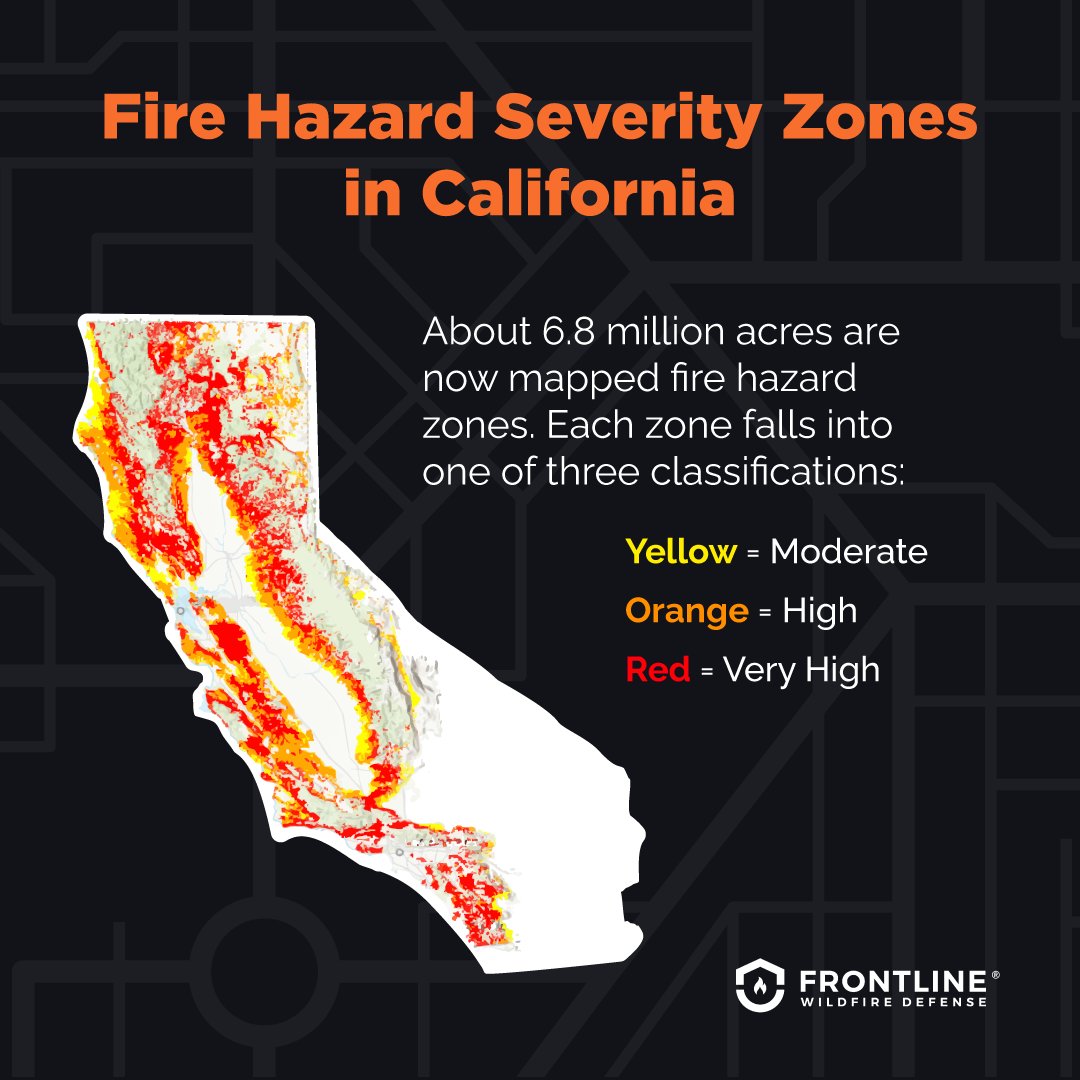
Your safety and well-being should always be the top priority. Before embarking on your trip, ensure you are familiar with the basic safety guidelines for wildfire-prone areas. This includes understanding evacuation routes, having a communication plan with your travel companions, and keeping emergency supplies in your vehicle, especially if you plan to drive through more remote or forested areas.
Emergency Contacts and Information
Make sure you have the emergency numbers for California (911) readily accessible. Save the websites and social media handles for CAL FIRE and local emergency services on your phone. Consider downloading offline maps of your destination, as cell service can be unreliable in wildfire zones or during emergencies. Inform your hotel or accommodation provider of any travel disruptions you encounter due to fires, and stay in regular contact with them for updates.
By staying informed, being prepared, and maintaining a degree of flexibility, you can still have an incredible experience exploring the diverse attractions and landscapes that California has to offer, even during wildfire season. The state’s resilience, coupled with the efforts of fire personnel and the preparedness of its visitors, ensures that the beauty and adventure of the Golden State remain accessible.
LifeOutOfTheBox is a participant in the Amazon Services LLC Associates Program, an affiliate advertising program designed to provide a means for sites to earn advertising fees by advertising and linking to Amazon.com. Amazon, the Amazon logo, AmazonSupply, and the AmazonSupply logo are trademarks of Amazon.com, Inc. or its affiliates. As an Amazon Associate we earn affiliate commissions from qualifying purchases.