
The question “Are the fires still going in California?” is one frequently asked by travelers and those planning a visit to the Golden State. It reflects a legitimate concern about safety, air quality, and the overall experience of exploring this incredibly diverse and captivating destination. For anyone contemplating a trip to California, understanding the reality of wildfires, their cyclical nature, and their localized impact is paramount. While headlines can often paint a broad picture of devastation, the truth is far more nuanced, and much of California remains open, safe, and welcoming, even during peak fire seasons.

California is a state of immense natural beauty, ranging from pristine coastlines and towering redwood forests to dramatic mountain ranges and vast deserts. Its appeal as a top global travel destination stems from this variety, alongside its vibrant cities, world-class resorts, and rich cultural tapestry. From the iconic landmarks of San Francisco and the glamour of Hollywood in Los Angeles to the serene vineyards of Napa Valley and the family fun of the Disneyland Resort, California offers an unparalleled array of experiences. However, the state also faces the recurring challenge of wildfires, a natural phenomenon that has become more intense and prolonged in recent years due largely to climate change, prolonged droughts, and historical forest management practices.
This article aims to provide a comprehensive guide for travelers, addressing the realities of California wildfires, their potential impact on tourism and lifestyle, and practical advice for planning a safe and enjoyable trip. We’ll delve into how to stay informed, what to consider when booking accommodation, and how to practice responsible tourism in a state that continues to recover and thrive.
Understanding the California Wildfire Landscape
To truly grasp the situation, it’s essential to move beyond generalized fears and understand the specific dynamics of California wildfires. They are not a constant, omnipresent threat across the entire state, but rather localized events influenced by specific environmental conditions.
A Seasonal Reality and Geographic Variability
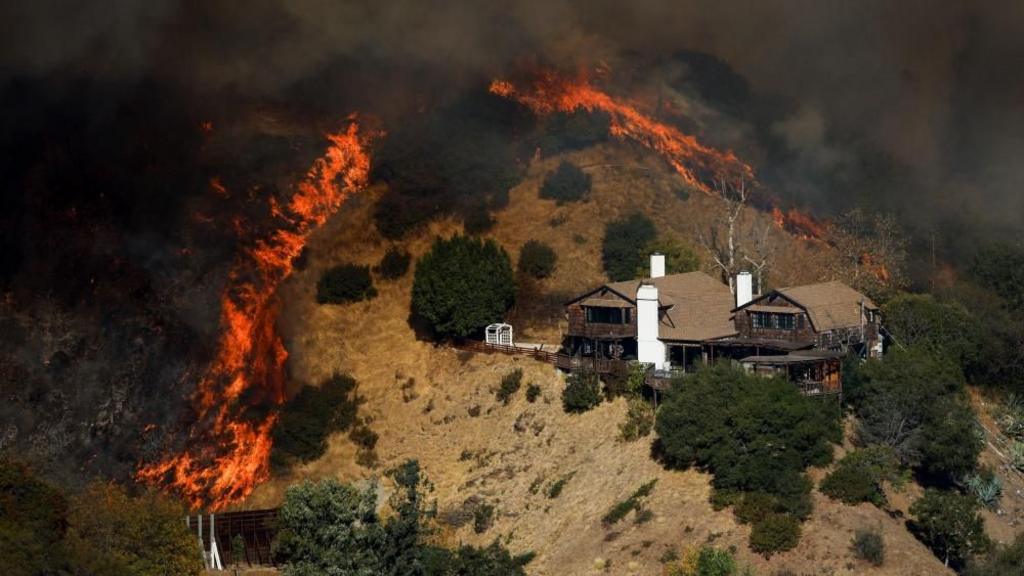
Wildfires in California are largely a seasonal occurrence, typically peaking from late summer through late autumn, though the “fire season” has unfortunately lengthened due to changing climate patterns. This period is characterized by hot, dry conditions and often exacerbated by strong winds, such as the Santa Ana winds in Southern California or the Diablo winds further north. While some fires are naturally occurring (lightning strikes), many are tragically human-caused, whether accidentally or intentionally.
It’s crucial to remember that California is a massive state, roughly the size of Germany. A fire burning in a remote forest area hundreds of miles from a major city like San Diego or San Francisco will have little to no direct impact on those urban centers. Fires tend to occur in specific, often wildland-urban interface areas, mountainous regions, or dense forests. Popular tourist destinations like Yosemite National Park, Sequoia National Park, King Canyon National Park, and parts of Big Sur are more susceptible due to their natural environment, while coastal cities and sprawling metropolitan areas generally face different, often indirect, challenges like smoke plumes.
The Nuance of Air Quality
Perhaps the most widespread impact of wildfires, even for areas not directly threatened by flames, is the degradation of air quality due to smoke. Smoke plumes can travel hundreds of miles, affecting regions far from the actual fire. This can lead to hazy skies, reduced visibility, and health concerns, particularly for individuals with respiratory conditions. Monitoring air quality is a vital step for any traveler, regardless of their proximity to an active fire. Websites like AirNow.gov provide real-time air quality data, which can be invaluable for planning daily activities, especially outdoor ones.
The Impact on California Travel and Tourism
Wildfires undeniably pose challenges to the tourism industry. However, understanding these challenges allows for better planning and resilience.
Closures, Accessibility, and Accommodation
When a wildfire is active in or near a popular tourist destination, immediate closures are common. This can include national parks, state parks, specific roads (like segments of Highway 1 along Big Sur), hiking trails, and even entire communities under evacuation orders. For travelers, this means potential disruption to itineraries, cancelled bookings, and limited access to planned activities. Hotels, resorts, and other types of accommodation in directly affected areas will close, impacting both travelers and local businesses. Even properties further afield might see cancellations if travelers decide to postpone or reroute their trips. For those with existing bookings, it’s essential to check cancellation policies and consider travel insurance.
Economic Ripples and Community Support
The economic impact of wildfires on tourism can be substantial. Local businesses, from family-run restaurants to independent tour operators and boutique hotels, rely heavily on tourist dollars. When travel is disrupted, these businesses suffer, which in turn affects the livelihoods of local residents. This is why responsible tourism plays such a crucial role; when it is safe to do so, visiting and spending locally helps communities in their recovery efforts. Beyond direct tourism, wildfires also strain local infrastructure and emergency services, potentially diverting resources from other areas.
Planning Your California Trip Amidst Fire Concerns

Travelers need not completely avoid California due to wildfire concerns. Instead, a thoughtful and informed approach is key to a rewarding and safe experience.
Stay Informed: Reliable Sources are Your Best Friends
The most important step in planning a trip to California during or near fire season is to stay rigorously informed. Rely on official sources for the most accurate, up-to-date information:
- CalFire: The official source for wildfire incident information in California. Their website provides maps of active fires, incident reports, and containment levels.
- National Park Service and State Parks Websites: If your itinerary includes national or state parks (e.g., Yosemite National Park, Lake Tahoe area parks), check their official websites directly for closure alerts, trail conditions, and air quality advisories.
- Local Tourism Boards: Organizations like Visit California and local city tourism bureaus (Visit San Francisco, Los Angeles Tourism, San Diego Tourism Authority) often provide updated information on local conditions, open attractions, and advice for travelers.
- National Weather Service: For weather forecasts, including wind warnings and Red Flag Warnings (indicating critical fire weather conditions).
- Air Quality Monitoring Sites: As mentioned, AirNow.gov provides real-time air quality data by zip code.
Flexibility and Contingency Planning
Given the unpredictable nature of wildfires, flexibility is your greatest asset.
- Travel Insurance: Invest in comprehensive travel insurance that covers trip cancellations or interruptions due to natural disasters. Read the policy carefully to understand what is covered.
- Refundable Bookings: Whenever possible, opt for refundable hotel, flight, and activity bookings. Many hotels offer free cancellation up to a certain point, which can be invaluable.
- Alternative Itineraries: Have a backup plan. If your primary destination becomes inaccessible or air quality is poor, consider an alternative region of California that is unaffected. For example, if the mountains are smoky, a coastal city like Santa Barbara or San Diego might offer clear skies.
- Accommodation Choices: When researching accommodation, consider properties with good air filtration systems, especially if you have sensitivities. Read recent reviews to see if previous guests have commented on air quality during fire season. Whether you prefer luxury resorts, cozy apartments, or private villas, understanding their specific location relative to fire-prone zones can help with decision-making.
Choosing Your Destination Wisely
Certain parts of California are historically less affected by large-scale wildfires, or their season is shorter.
- Coastal Cities: Major metropolitan areas like San Francisco, Los Angeles, San Diego, Santa Monica, and Laguna Beach are often buffered by the Pacific Ocean and are less prone to direct fire impacts, though they can experience smoke. Iconic landmarks like the Golden Gate Bridge, the Santa Monica Pier, and the star-studded streets of Beverly Hills typically remain accessible.
- Desert Regions: Areas like Palm Springs and Death Valley National Park generally have a different fire dynamic, though they face extreme heat challenges in summer.
- Off-Season Travel: Visiting during the late fall, winter, or early spring can often mean fewer wildfire concerns, though weather can still be unpredictable. These seasons can also offer unique lifestyle experiences, from budget travel deals to quieter, more intimate encounters with local culture.
Responsible Tourism and Supporting California Communities
Travelers have a vital role to play in supporting California’s resilience and recovery.
Supporting Local Businesses
When you travel to California – especially to areas that have been impacted by fires and are now open for business – your dollars make a tangible difference. Dine at local restaurants, shop at independent boutiques, book tours with local operators, and stay at local hotels or apartments. This direct financial support helps communities rebuild and ensures that the vibrant local culture and economy can thrive. Many small businesses depend entirely on tourism, and your patronage can be a lifeline.
Respecting Guidelines and Minimizing Risk
Adhering to local rules and regulations is paramount. This includes:
- Fire Bans: Pay attention to and strictly observe any fire bans, especially concerning campfires or charcoal grills.
- Evacuation Orders: If an area is under an evacuation order, do not attempt to enter or remain there. Follow instructions from emergency services immediately.
- “Leave No Trace” Principles: Always practice responsible outdoor ethics, especially in fire-prone areas. Ensure cigarettes are properly extinguished, never flick them from a car window, and be mindful of anything that could spark a flame.
The Enduring Allure of California: Beyond the Flames
Despite the challenges, California’s allure as a top travel destination remains undiminished. The state’s vastness and incredible diversity mean that even when one area faces a challenge, countless others are ready to welcome visitors.
From the majestic redwood forests of Northern California to the sun-drenched beaches of Southern California, the state offers a mosaic of experiences. Whether you’re seeking luxury travel in Beverly Hills, a budget-friendly family trip to a state park, or a business stay in Silicon Valley, California delivers. The wine regions of Napa Valley and Sonoma County continue to produce world-class vintages, offering guided tours and tastings that are often unaffected by distant fires. Coastal drives, city explorations, and desert adventures offer myriad opportunities for discovery.
The spirit of California is one of resilience and innovation. Its communities, from bustling urban centers to serene rural towns, are constantly adapting, recovering, and working to protect their natural treasures. Travelers who visit with an informed perspective, a flexible mindset, and a commitment to responsible tourism will find that the Golden State continues to offer unforgettable adventures. The answer to “Are the fires still going in California?” is often yes, in some isolated pockets, but an equally important answer is that most of California is vibrant, safe, and waiting to be explored. Plan smartly, stay informed, and embark on a journey that truly embraces the depth and beauty of this extraordinary state.
LifeOutOfTheBox is a participant in the Amazon Services LLC Associates Program, an affiliate advertising program designed to provide a means for sites to earn advertising fees by advertising and linking to Amazon.com. Amazon, the Amazon logo, AmazonSupply, and the AmazonSupply logo are trademarks of Amazon.com, Inc. or its affiliates. As an Amazon Associate we earn affiliate commissions from qualifying purchases.