
As the vibrant metropolis of Houston, Texas continues to draw visitors for its burgeoning culinary scene, world-class museums, and vibrant arts district, many travelers also find themselves drawn to the natural beauty that surrounds the city. Houston is nestled within a unique subtropical environment, characterized by bayous, wetlands, and proximity to the Gulf Coast. This ecological setting naturally raises a common question for those planning a visit: are there alligators in Houston, Texas? The answer is a definitive yes, and understanding their presence is key to appreciating the local wildlife and enjoying a safe and informed travel experience.
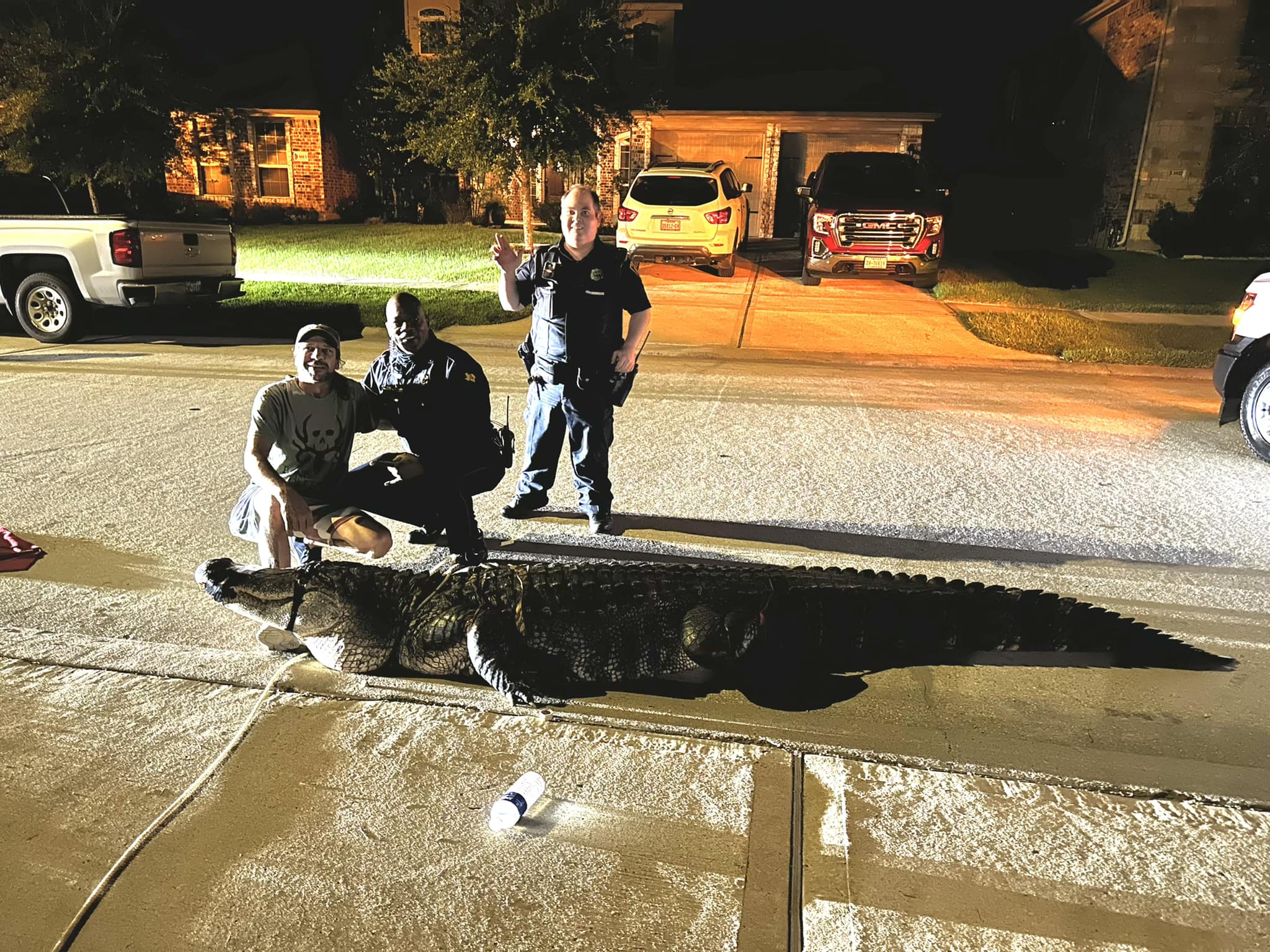
Understanding the Alligator’s Habitat in Houston
The American alligator ( Alligator mississippiensis ) is a native reptile to the southeastern United States, and its range extends well into Texas. The ideal habitat for alligators includes freshwater and brackish water environments such as swamps, marshes, rivers, lakes, and bayous. Given Houston’s extensive network of bayous and its proximity to coastal wetlands, it provides a perfectly suitable environment for these ancient creatures to thrive.
Bayou and Wetland Ecosystems
Houston is famously crisscrossed by a network of bayous, including Buffalo Bayou, White Oak Bayou, and Brays Bayou, which are integral to the city’s drainage system and its ecological landscape. These waterways, particularly where they widen and connect to more natural marshy areas or lakes, offer ideal hunting grounds and nesting sites for alligators. Visitors may encounter them in these urban waterways, especially in less developed sections or areas bordering larger green spaces.
Proximity to Coastal Habitats
Beyond the city limits, the coastal plains and marshes of the Texas Gulf Coast are a significant alligator stronghold. Areas like the Anahuac National Wildlife Refuge and other coastal preserves are teeming with wildlife, including a healthy alligator population. While these are often destinations in themselves for nature enthusiasts, their proximity to Houston means that transient alligators can sometimes venture closer to the city’s more remote water bodies.
Urban Water Features
It’s important to note that alligators are not confined to remote wilderness areas. They have adapted to coexist with urban development. Smaller ponds, retention basins, and even canals within or on the outskirts of Houston can occasionally host alligators, especially if they offer a food source and suitable cover. This is why it’s crucial for residents and visitors alike to be aware of their presence in any body of water, regardless of its perceived remoteness.
Observing Alligators Safely and Responsibly
Encountering an alligator in its natural habitat can be a thrilling part of a trip to Houston, Texas. However, responsible observation is paramount to ensuring both your safety and the well-being of the animals. Alligators are wild animals and should always be treated with respect and caution.
Maintaining a Safe Distance
The most critical rule when observing alligators is to maintain a significant distance. Never approach an alligator, whether it is in the water or on land. Wildlife experts generally recommend a minimum distance of at least 10 to 15 feet, and much further if possible. Alligators can move surprisingly quickly over short distances, especially when they feel threatened. Remember, you are in their environment, and they have a right to it.
Never Feed Alligators
Feeding alligators is not only dangerous but also illegal and harmful to the animals. When alligators are fed by humans, they begin to associate people with food. This can lead them to become aggressive and lose their natural fear of humans, which often results in them posing a danger to the public. This habituation can ultimately lead to the animal having to be relocated or euthanized. Always secure your trash and avoid leaving food scraps near waterways.
Supervise Children and Pets
When visiting areas where alligators may be present, it is essential to keep a close eye on children and pets. Small children and domestic animals can be mistaken for prey by alligators. Ensure children do not wander too close to the water’s edge and always keep pets on a leash and well away from any water bodies.
Understanding Alligator Behavior
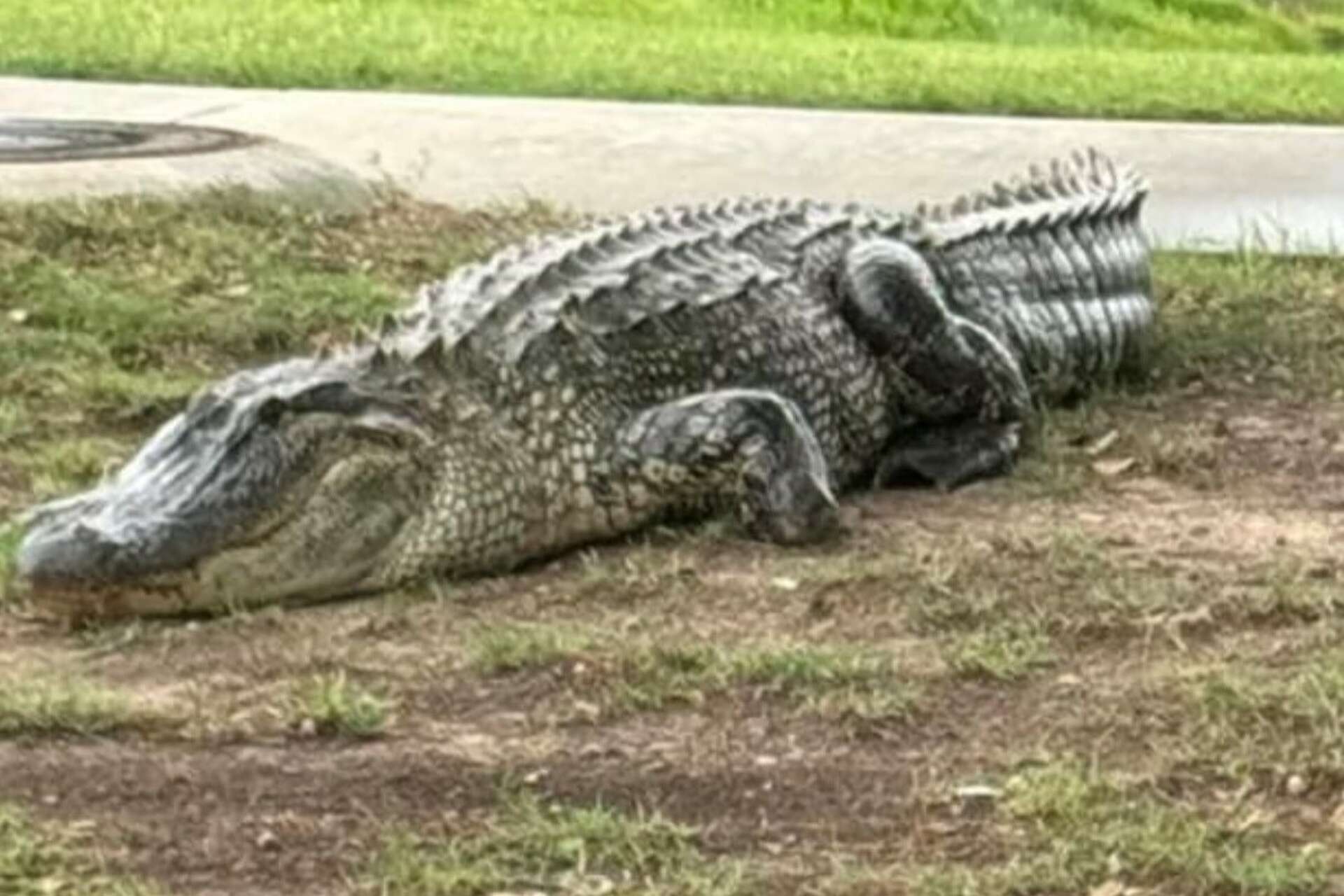
Educating yourself about alligator behavior can enhance your viewing experience and promote safety. Alligators are most active during warmer months and are often seen basking in the sun along the water’s edge. They are also more active at dawn and dusk. If you see an alligator, observe it from a distance and avoid making loud noises or sudden movements that could startle it. If an alligator displays signs of agitation, such as hissing or gaping its mouth, it’s a clear indication that you are too close and should retreat immediately.
Key Locations for Alligator Sightings Around Houston
While alligators can be found in various water bodies throughout the Houston metropolitan area, certain locations offer higher probabilities of observation and are popular for nature enthusiasts seeking to witness these impressive reptiles.
Hermann Park and Beyond
Hermann Park, a beloved urban oasis in the heart of Houston, features several bodies of water, including McGovern Lake. While sightings within the more manicured areas of the park might be less common, the adjacent bayou systems and less-developed park edges can sometimes be home to alligators. Responsible viewing in such a public, high-traffic area is especially important.
Buffalo Bayou Park
Buffalo Bayou Park, a transformative urban greenspace along the historic Buffalo Bayou, offers extensive trails and natural areas. As this bayou winds through more undeveloped stretches, the likelihood of encountering alligators increases. It’s a fantastic place for a walk or bike ride, but always be mindful of the water’s edge and the potential for wildlife encounters.
Armand Bayou Nature Center
For a more immersive wildlife experience, the Armand Bayou Nature Center is an exceptional destination. Located southeast of Houston, this center preserves over 2,500 acres of natural coastal prairie, forest, and marshland, providing a prime habitat for alligators and a wide array of other native species. The center offers guided pontoon boat tours and boardwalks that allow for safe and educational viewing of the natural ecosystem.
Coastal Wetlands and Refuges
Venturing slightly further afield to the Texas Gulf Coast opens up even more opportunities. Brazos Bend State Park, located southwest of Houston, is renowned for its abundant alligator population. It boasts numerous lakes and sloughs perfect for alligator viewing, and its well-maintained trails and educational programs make it a top destination for wildlife enthusiasts. Other coastal refuges also offer excellent opportunities.
Alligators as Part of Houston’s Natural Heritage
The presence of alligators in and around Houston, Texas is not a cause for alarm but rather a testament to the resilience of nature and the importance of preserving natural habitats within and adjacent to urban environments. These reptiles are a vital part of the local ecosystem, playing a crucial role in maintaining the health of aquatic environments.
Ecological Significance
Alligators are apex predators and their presence indicates a healthy ecosystem. They help control populations of other animals, such as fish, turtles, and rodents, and their abandoned burrows can provide habitat for other species. Their role in the food web is indispensable for the balance of bayou and wetland environments.
Conservation Efforts
Fortunately, conservation efforts have been successful in bringing the American alligator back from the brink of endangerment. In Texas, responsible management and habitat protection have allowed populations to thrive. Understanding and respecting these animals contributes to ongoing conservation success. Travelers visiting Houston can support these efforts by practicing responsible tourism and educating themselves about local wildlife.

A Unique Travel Experience
Incorporating the possibility of seeing alligators into your Houston travel plans can add a unique and memorable dimension to your trip. Whether you are exploring an urban park or venturing out to a dedicated nature preserve, the chance to witness these fascinating creatures in their natural environment is a compelling reason to explore the wilder side of Texas. By staying informed, maintaining a safe distance, and respecting their space, visitors can enjoy the thrill of alligator sightings while contributing to the protection of these magnificent animals.
LifeOutOfTheBox is a participant in the Amazon Services LLC Associates Program, an affiliate advertising program designed to provide a means for sites to earn advertising fees by advertising and linking to Amazon.com. Amazon, the Amazon logo, AmazonSupply, and the AmazonSupply logo are trademarks of Amazon.com, Inc. or its affiliates. As an Amazon Associate we earn affiliate commissions from qualifying purchases.