
The journey from the sunny shores of California to the vibrant landscapes of Florida is a quintessential American cross-country trek, often undertaken by air. While the precise flight duration can vary significantly, understanding the factors that influence this travel time is crucial for any traveler planning such an itinerary. From the specific departure and arrival airports to the type of aircraft and prevailing winds, numerous elements converge to determine how many hours you’ll spend in the sky traversing the continental United States.
The Transcontinental Journey: Defining Flight Durations
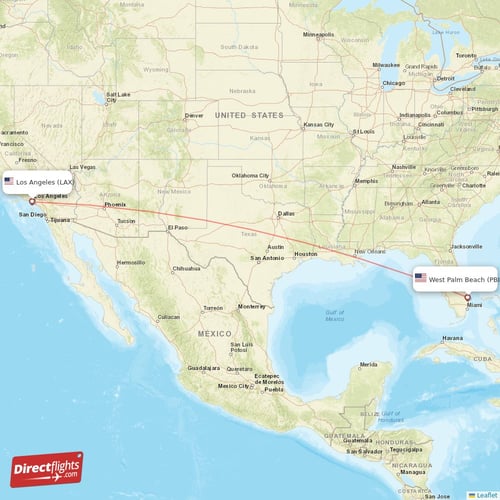
At its core, a flight from California to Florida covers a substantial distance, generally ranging from approximately 2,200 to 2,500 miles (3,540 to 4,020 kilometers) depending on the exact origin and destination points. This vast geographical span naturally translates into a lengthy flight time, even for the fastest commercial aircraft.
Direct vs. Connecting Flights
The most significant differentiator in flight duration is whether you opt for a direct (non-stop) flight or a connecting flight.
- Non-stop Flights: For a direct journey between major hubs like Los Angeles International Airport (LAX) or San Francisco International Airport (SFO) in California and Miami International Airport (MIA) or Orlando International Airport (MCO) in Florida, the flight time typically ranges from 4 hours and 45 minutes to 5 hours and 30 minutes. This is the quickest way to traverse the country by air, maximizing your time at the destination rather than in transit.
- Connecting Flights: These flights involve at least one stopover at an intermediate airport, often a major hub like Dallas/Fort Worth International Airport (DFW), Denver International Airport (DEN), Atlanta Hartsfield-Jackson International Airport (ATL), or Chicago O’Hare International Airport (ORD). The total travel time for connecting flights can vary widely, from 7 to 10 hours or even more, depending on the length of the layover. While non-stop flights are generally preferred for convenience, connecting flights can sometimes offer more flexible scheduling or more competitive pricing.
Geographical Span
The distance covered plays a direct role. For instance, flying from San Diego International Airport (SAN) to Fort Lauderdale-Hollywood International Airport (FLL) might be marginally shorter than flying from Sacramento International Airport (SMF) to Jacksonville International Airport (JAX), but all routes demand a significant commitment of time in the air.
Key Factors Influencing Your Flight Time
Beyond the basic direct or connecting distinction, several operational and environmental factors subtly, yet significantly, influence the exact flight duration.
Aircraft Type and Speed
Modern passenger jets, such as the Boeing 737, Airbus A320, Boeing 757, or Airbus A321, operate at similar cruising speeds, typically around 500-550 miles per hour (800-885 km/h). However, slight differences in maximum cruising speed, climb rates, and descent profiles can account for minor variations in flight times between different aircraft models operated by airlines like Delta Air Lines, American Airlines, United Airlines, Southwest Airlines, or JetBlue Airways. Larger, longer-range aircraft are often deployed on these transcontinental routes, designed for efficiency over extended distances.
The Jet Stream’s Impact
Perhaps one of the most interesting and impactful natural phenomena affecting transcontinental flight times is the jet stream. The strong, eastward-flowing current of air in the upper atmosphere significantly influences eastbound and westbound flights differently:
- Eastbound Flights (California to Florida): These flights often benefit from the tailwind provided by the jet stream, effectively “pushing” the aircraft faster across the country. This can shave 30-60 minutes off the flight time compared to a flight against the current.
- Westbound Flights (Florida to California): Conversely, flights heading west often encounter headwinds from the jet stream, which can add significant time to the journey. A flight from Florida to California might take 5 hours and 30 minutes to 6 hours and 30 minutes for a direct flight, highlighting the jet stream’s powerful effect.
Air Traffic Control and Airport Congestion
Even without adverse weather, air traffic control (ATC) can introduce delays. Busy airspaces around major metropolitan areas like Los Angeles or Miami often experience ground holds, extended taxi times, or rerouting, all of which add minutes to the total travel duration. Peak travel seasons and times of day are more susceptible to these delays. Similarly, weather phenomena such as thunderstorms in Florida’s humid climate or fog in California’s coastal regions can lead to holding patterns or diversions, extending the time spent in the air.
Specific Route and Airport Pairings
The precise path an aircraft takes between the departure and arrival airports also matters. Direct routes are typically planned using great-circle navigation, the shortest distance between two points on a sphere. However, ATC restrictions, weather patterns, or military airspace limitations can necessitate deviations, adding a few extra miles and minutes to the journey.
Major Hubs and Typical Routes
Understanding which airports are commonly used for flights between California and Florida can help predict flight times and plan logistics more effectively.

Departing from California’s Principal Airports
California boasts several major international airports that serve as primary departure points for transcontinental travel:
- Los Angeles International Airport (LAX): One of the busiest airports in the world, offering numerous direct flights to Florida destinations.
- San Francisco International Airport (SFO): A major hub in Northern California with a good selection of direct services.
- San Diego International Airport (SAN): Provides direct flights, particularly to key Florida cities, often with airlines like Alaska Airlines and Southwest Airlines.
- Other significant airports include Oakland International Airport (OAK) and Sacramento International Airport (SMF), which might offer fewer direct options but are important for regional connectivity.
Arriving in Florida’s Key Destinations
Florida is a popular tourist and business destination, served by multiple large airports:
- Miami International Airport (MIA): A major gateway to Latin America and a bustling hub for South Florida, receiving numerous direct flights from California.
- Orlando International Airport (MCO): The primary airport for visitors heading to Walt Disney World Resort, Universal Studios Florida, and other theme parks, with extensive direct connections.
- Fort Lauderdale-Hollywood International Airport (FLL): A popular alternative for South Florida travel, often with competitive fares from airlines like Spirit Airlines and Frontier Airlines.
- Tampa International Airport (TPA): Serves the Gulf Coast region and offers direct flights from various California airports.
Common Flight Paths and Stopover Points
For connecting flights, common stopover cities include Dallas, Houston, Atlanta, Charlotte, Chicago, and Denver. These cities are major airline hubs, facilitating efficient transfers, though they extend the overall journey time.
Enhancing Your Cross-Country Flight Experience
Given the considerable duration of a flight from California to Florida, strategic planning can significantly improve comfort and reduce travel fatigue.
Preparing for a Long-Haul Domestic Flight
- Book Wisely: Consider red-eye flights to minimize the impact of travel time on your day, or choose mid-day flights for potentially less crowded conditions. Non-stop options, while sometimes pricier, offer the most efficient use of your time.
- Seat Selection: If possible, select a seat that best suits your needs, whether that’s an aisle seat for ease of movement, a window seat for resting, or an exit row for extra legroom.
- Pack Essentials: Have a small bag with items like a neck pillow, eye mask, earplugs, noise-canceling headphones, and a light blanket or shawl. Hydration is key, so bring an empty water bottle to fill after security.
Managing Comfort and Wellbeing Onboard
- Stay Hydrated: The dry cabin air can be dehydrating. Drink plenty of water throughout your flight and limit caffeine and alcohol.
- Move Around: To prevent stiffness and reduce the risk of deep vein thrombosis (DVT), get up and walk around the cabin periodically if permissible. Perform simple stretches in your seat.
- Entertainment: Load up your devices with movies, TV shows, podcasts, or e-books. Many airlines offer in-flight entertainment, but having your own backup is always a good idea.
- Snacks: While airlines often provide snacks, bringing your own healthy options can cater to dietary preferences and avoid overpriced airport food.
- Combat Jet Lag: Although a flight from California to Florida involves only a three-hour time zone difference, it can still impact your internal clock. Adjust your watch to your destination’s time as soon as you board and try to sleep or stay awake according to your arrival schedule. Exposure to natural light upon arrival in Florida can help reset your circadian rhythm.
Strategic Planning for a Seamless Journey
Consider the time of day you arrive. An evening arrival might mean heading straight to your hotel for rest, while a morning arrival could allow for immediate exploration. Factor in ground transportation from the airport to your final destination, as this can add significant time to your overall journey, especially in bustling areas like Orlando or Miami. Pre-booking shuttle services, ride-shares, or rental cars can streamline this final leg of your travel.
Planning Beyond the Flight: Arrival and Exploration
Once your flight touches down, the adventure truly begins. Florida offers a diverse range of experiences, from theme park thrills to tranquil beaches and vibrant urban life.
Navigating Florida Upon Arrival
Whether you land at MCO, MIA, or FLL, Florida’s transportation infrastructure is designed to facilitate tourism. Rental cars are widely available and often recommended for exploring beyond the immediate city centers. Public transportation options vary by city, with Miami offering a comprehensive Metrorail and Metrobus system, while Orlando relies more on I-RIDE Trolleys and ride-sharing services for its tourist corridors.
Popular Florida Destinations and Their Appeal
- Orlando: Home to world-renowned theme parks like Walt Disney World Resort and Universal Studios Florida, offering endless entertainment for families and thrill-seekers.
- Miami: Known for its glamorous South Beach, Art Deco architecture, vibrant nightlife, and rich Cuban culture in Little Havana.
- The Florida Keys: A string of tropical islands stretching off Florida’s southern tip, famous for diving, fishing, and relaxed island living, culminating in Key West.
- The Gulf Coast: Featuring pristine white-sand beaches in areas like Sarasota, Naples, and St. Petersburg, offering a more laid-back atmosphere.
- Everglades National Park: A unique ecosystem teeming with wildlife, perfect for airboat tours and nature exploration.
In conclusion, a flight from California to Florida is a journey of several hours, typically ranging from just under 5 hours for a direct flight to 7-10+ hours for connecting itineraries. By understanding the variables involved and preparing accordingly, travelers can ensure a smooth and enjoyable transcontinental experience, making the most of their time spent traversing the breadth of the United States.
LifeOutOfTheBox is a participant in the Amazon Services LLC Associates Program, an affiliate advertising program designed to provide a means for sites to earn advertising fees by advertising and linking to Amazon.com. Amazon, the Amazon logo, AmazonSupply, and the AmazonSupply logo are trademarks of Amazon.com, Inc. or its affiliates. As an Amazon Associate we earn affiliate commissions from qualifying purchases.