
The majestic Mississippi River, a ribbon of liquid history and ecological diversity, winds its way through the heart of America before emptying into the Gulf of Mexico. For many travelers, picturing its vast expanse conjures images of paddlewheel boats, bustling port cities, and serene natural beauty. Yet, a question often surfaces in the minds of those planning a trip along its lower stretches: “Are there alligators in the Mississippi River?” The answer, quite simply, is yes – particularly in its southern portions.
This iconic waterway, a lifeline for countless species and communities, is indeed home to the formidable American Alligator. Understanding their presence, habitat, and how to safely and respectfully experience the river’s wildlife is key to unlocking an unforgettable travel adventure. From the vibrant culture of New Orleans to the tranquil bayous of Louisiana, the prospect of encountering these ancient reptiles adds an undeniable thrill to any journey. This article delves into where you might find alligators, how they coexist with human activity, and how you can integrate this unique wildlife experience into your broader Mississippi River exploration, focusing on travel, tourism, and accommodation along this incredible natural landmark.
The Alligator’s Domain: Understanding Their Habitat
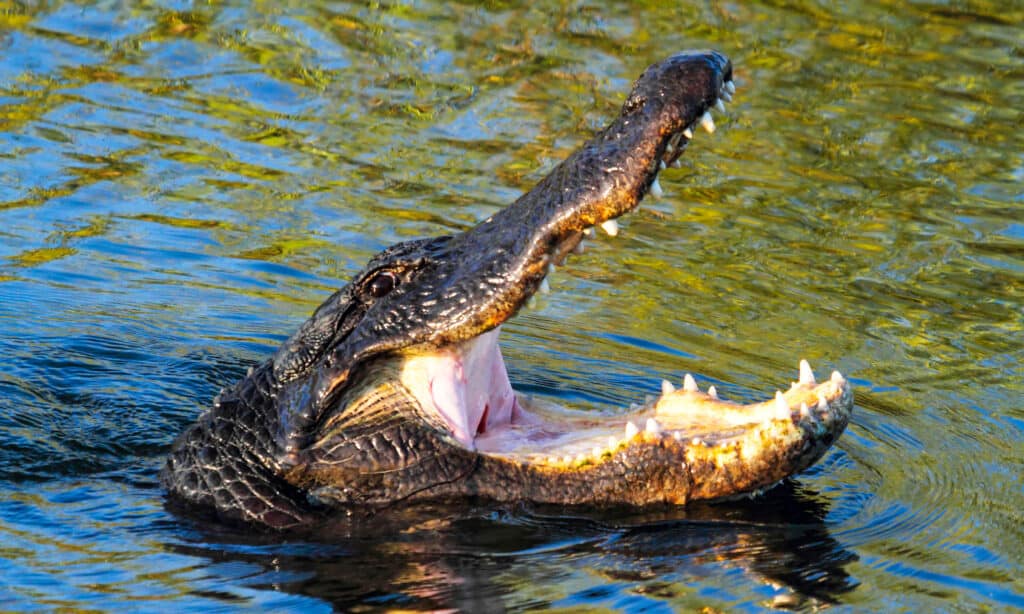
The American Alligator (Alligator mississippiensis) is a quintessential symbol of the American South’s wild beauty. While their range extends across the southeastern United States, their presence within the Mississippi River system is specifically concentrated in the warmer, slower-moving waters of the lower river basin. This region provides the ideal conditions for these apex predators to thrive, offering ample food sources and suitable environments for breeding.
Where the Wild Things Thrive: Alligator Distribution
Alligators are cold-blooded reptiles, meaning their body temperature is regulated by their environment. Consequently, they prefer warmer climates, which is why their populations are dense in states like Louisiana, Florida, Georgia, and Mississippi. Along the Mississippi River itself, you’re most likely to encounter them south of Vicksburg, Mississippi, stretching down through Baton Rouge and into the vast delta region around New Orleans. Further north, where the winters are colder and waters flow more rapidly, alligator sightings become exceedingly rare, if not non-existent. For instance, you won’t find significant alligator populations near cities like Memphis or St. Louis, as these regions fall outside their typical thermal tolerance range.
Their preferred habitats include swamps, marshes, bayous, slow-moving rivers, and lakes. The lower Mississippi River basin, with its extensive network of tributaries, oxbow lakes, and wetlands, provides an almost perfect environment. Places like the Atchafalaya Basin in Louisiana, the largest river swamp in North America, are prime alligator territory, offering a rich tapestry of aquatic life for them to prey upon. Traveling through these areas often means sharing the waterways with these ancient creatures, a truly authentic wildlife experience that adds an unparalleled dimension to local tourism.
Life in the Lowlands: The Ecosystem of the Lower Mississippi
The ecosystem of the lower Mississippi River is incredibly rich and diverse, and alligators play a crucial role as apex predators. They help maintain the balance of their environment by controlling populations of other species, from fish and turtles to birds and small mammals. This makes them a vital component of the natural landscape, contributing to the health of the very habitats travelers come to admire. The extensive wetlands found in states like Louisiana and Mississippi are not just scenic backdrops but intricate ecosystems. These areas also serve as important migratory bird pathways, making them hotspots for birdwatching alongside alligator spotting.
For those interested in sustainable tourism, understanding and respecting this delicate ecological balance is paramount. Many local tours, particularly swamp tours, are led by experienced guides who not only know where to find alligators but also provide invaluable insights into their behavior, their role in the ecosystem, and the conservation efforts underway to protect them. Choosing such tours supports responsible tourism and enhances the educational value of your travel experience, transforming a simple wildlife sighting into a deeper appreciation for nature.
Navigating the Waters: Safety and Coexistence for Travelers
While the presence of alligators might seem daunting to some, the reality is that interactions with humans are generally rare and can be largely avoided with proper precautions. For travelers venturing into the southern reaches of the Mississippi River and its surrounding wetlands, understanding alligator behavior and exercising common sense are key to a safe and enjoyable trip. The goal is to observe these magnificent creatures in their natural habitat without disturbing them or placing oneself at risk.
Tips for Encountering Wildlife Responsibly
When exploring areas where alligators are known to reside, whether by boat, kayak, or on foot, a few simple guidelines can ensure a safe distance is maintained:
- Maintain Distance: Never approach an alligator, regardless of its size. Always keep a safe and respectful distance, typically at least 30-50 feet. If an alligator hisses or lunges, you’re too close.
- Do Not Feed Alligators: This is perhaps the most crucial rule. Feeding alligators makes them lose their natural fear of humans and associate people with food, leading to aggressive behavior. It is illegal in most places and extremely dangerous.
- Be Aware of Your Surroundings: Alligators are most active at dawn and dusk. Be extra vigilant during these times, especially near water bodies.
- Supervise Children and Pets: Small children and pets can be mistaken for prey. Keep them away from the water’s edge and on a leash if walking near wetlands.
- Swim in Designated Areas Only: Avoid swimming in unsupervised waters, especially at night or in areas known for alligator presence. Stick to beaches or pools where it’s safe.
- Understand Their Behavior: Alligators are generally shy and will avoid humans if given the opportunity. Attacks are rare and usually occur when an alligator is provoked, fed, or feels threatened.
Many travel guides and local tourism boards provide detailed safety information, often accessible at visitor centers in cities like New Orleans or Baton Rouge. Responsible travel means being informed and prepared, ensuring that your wildlife encounter is a highlight, not a hazard.
Alligator Encounters: Fact vs. Fiction
The perception of alligators is often influenced by sensationalized media or exaggerated tales. In reality, alligator attacks are extremely rare, particularly on tourists who follow basic safety guidelines. The majority of conflicts arise from human provocation, habitat encroachment, or, most commonly, illicit feeding. These majestic reptiles are largely indifferent to humans unless their territory is invaded, or they perceive a threat to themselves or their young.
For instance, a typical swamp tour in Louisiana involves viewing alligators from the safety of a boat, often with a knowledgeable guide who can point them out from a respectful distance. This allows travelers to witness these creatures in their natural state, perhaps basking in the sun or silently gliding through the water, without any danger. The thrill comes from the proximity to raw nature, not from a sense of imminent peril. Understanding these facts helps debunk myths and encourages a more informed, responsible approach to wildlife tourism along the Mississippi River.
Experiencing the Mississippi River: Tourism and Alligator Alley
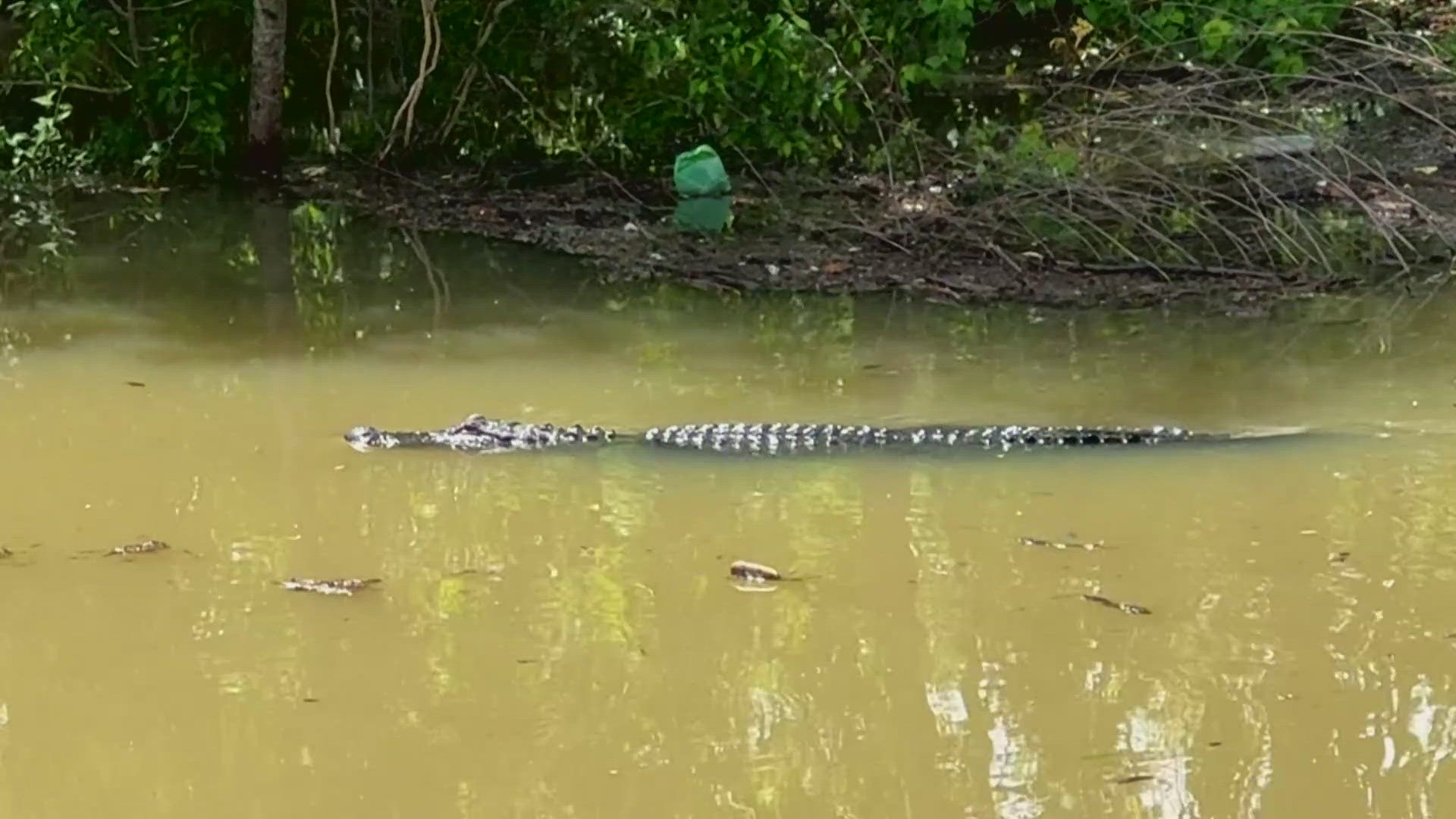
The allure of the Mississippi River is undeniable, drawing millions of travelers each year to explore its diverse landscapes, rich history, and unique cultural tapestry. For those eager to witness alligators in their natural habitat, the southern stretches of the river and its surrounding wetlands offer unparalleled opportunities. Integrating wildlife viewing with other travel experiences – from historical tours to culinary adventures – creates a comprehensive and memorable itinerary.
Iconic Destinations for Wildlife Spotting
When planning your alligator-focused adventure, certain destinations stand out. Louisiana, in particular, is synonymous with alligators and offers numerous entry points to their world:
- New Orleans and Surrounding Swamps: Just a short drive from the bustling French Quarter, numerous companies offer guided swamp tours. These excursions typically take you into the Jean Lafitte National Historical Park and Preserve wetlands or other nearby bayous, where alligators are a common sight. After a morning of wildlife, you can return to the city for Creole cuisine and jazz.
- Atchafalaya Basin: This vast wilderness, a true landmark of natural America, is the largest river swamp in the United States and teeming with wildlife, including a healthy alligator population. Exploring the Basin offers a more immersive, deep-nature experience, often involving airboat tours or kayaking expeditions.
- Cajun Country: Regions like Lafayette and Houma offer authentic Cajun experiences, where the culture is deeply intertwined with the swampy landscape. Here, you can combine alligator tours with visits to local fishing villages, authentic Cajun restaurants, and lively dance halls.
- Mississippi Gulf Coast: While not directly on the Mississippi River itself, the coastal regions of Mississippi also host alligator populations in their bayous and freshwater wetlands. Destinations like Gulfport and Biloxi offer opportunities for wildlife viewing alongside beach resort stays and casino entertainment.
These destinations not only provide excellent alligator viewing opportunities but also serve as gateways to rich local cultures, historical landmarks, and unique lifestyle experiences.
Accommodations and Activities for the Adventurous Traveler
Planning your trip around alligator country requires considering a range of accommodations and activities that enhance the experience. From luxury resorts to charming boutique hotels and rustic eco-lodges, the options cater to various travel styles and budgets.
For those seeking a blend of comfort and adventure, cities like New Orleans offer an array of upscale hotels within walking distance of attractions like Jackson Square and the French Market. Many provide tour booking services directly, simplifying your access to swamp tours. Boutique hotels in the Garden District offer a taste of classic Southern elegance. Farther afield, near the Atchafalaya Basin, you might find charming bed-and-breakfasts or even unique cabin rentals that provide a more secluded, immersive experience in nature.
Beyond alligator tours, the region offers a plethora of activities:
- Riverboat Cruises: Experience the grandeur of the Mississippi River on a classic paddlewheel boat, often offering dinner, jazz, and historical narration.
- Culinary Tours: Indulge in the world-renowned Cajun and Creole cuisines, with food tours, cooking classes, and visits to local markets.
- Historical Plantations: Explore the antebellum history of the South with tours of historic plantations, many of which are situated along the Mississippi River road.
- Nature Trails and Birdwatching: Many state parks and wildlife refuges, such as the Audubon Zoo or various national wildlife refuges, offer trails for hiking and exceptional birdwatching opportunities.
- Fishing and Kayaking: For the truly adventurous, guided fishing trips or kayaking excursions into the bayous provide a more intimate interaction with the aquatic environment, albeit with heightened awareness of local wildlife.
The choice of accommodation – be it a luxury suite overlooking the Mississippi in New Orleans or a rustic villa tucked away in the Cajun wilderness – can significantly shape your lifestyle travel experience. Reviews and comparison tools on platforms like lifeoutofthebox.com can help you find the perfect stay that aligns with your desired level of adventure and comfort.
Beyond the River: Lifestyle and Conservation Efforts
The presence of alligators in the Mississippi River basin is not merely a point of interest for wildlife enthusiasts; it’s a testament to the region’s vibrant natural heritage and the success of conservation efforts. For travelers, engaging with this aspect of the ecosystem goes beyond simple sightseeing, touching upon themes of sustainable tourism and a deeper appreciation for the wild.
Sustainable Tourism and Wildlife Preservation
The story of the American Alligator is a conservation success. Once endangered due to overhunting, strict protection measures and habitat preservation have allowed their populations to rebound significantly. Today, they are a protected species, and their presence indicates a healthy wetland ecosystem.
For travelers, choosing tour operators that prioritize ethical wildlife interactions and contribute to conservation efforts is a crucial aspect of responsible tourism. Look for tours that emphasize observation from a distance, educate participants about alligator behavior and ecology, and actively support local conservation initiatives. Many swamp tour operators in Louisiana are actively involved in wetland restoration and education, ensuring that the unique environment that supports these creatures, and many others, remains healthy for future generations. This approach to travel not only enriches your experience but also leaves a positive impact on the destinations you visit. Supporting local businesses that are committed to these principles is a form of luxury travel in itself – the luxury of experiencing an untouched, thriving ecosystem.
Planning Your Ultimate Mississippi River Adventure
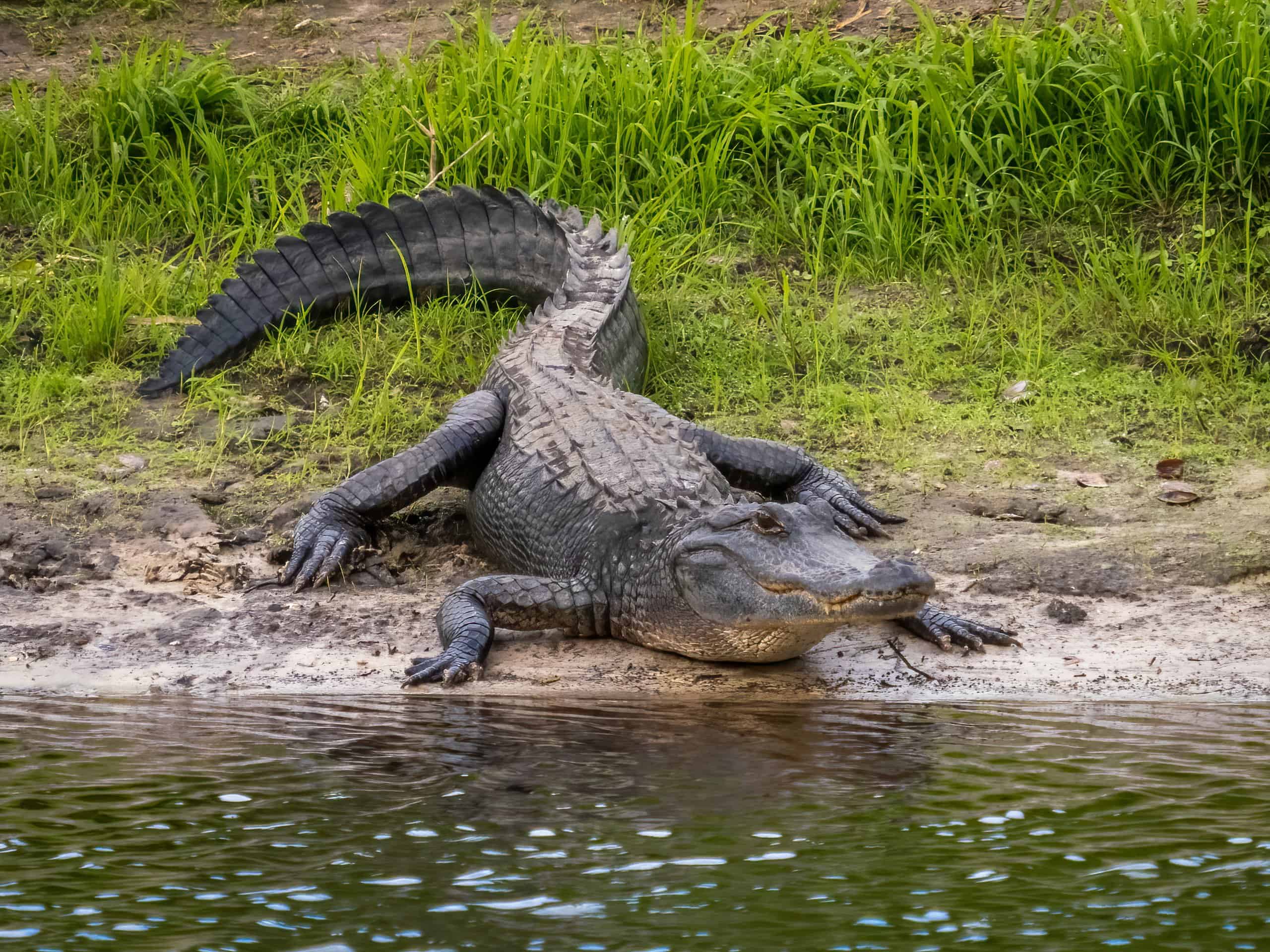
Embarking on a Mississippi River adventure, particularly one that includes alligator spotting, requires a bit of planning to maximize enjoyment and ensure safety. Consider the time of year: spring and fall offer pleasant weather and active wildlife, while summer can be hot and humid.
Beyond wildlife, the Mississippi River offers a tapestry of experiences from its northern headwaters to its southern delta. You could plan a multi-state road trip following the Great River Road, visiting landmarks like the Gateway Arch in St. Louis, the National Civil Rights Museum in Memphis, and the historic battlefield of Vicksburg National Military Park, before delving into the alligator-rich wetlands of the Deep South. Each segment offers unique attractions, diverse local culture, and distinct culinary delights.
Whether you’re looking for a luxury getaway with gourmet dining and upscale accommodations, a budget-friendly family trip focusing on outdoor activities, or a solo adventure immersed in nature, the Mississippi River has something to offer. Utilizing comprehensive travel guides and booking platforms can help you compare hotels, find unique experiences, and plan your itinerary to include both iconic landmarks and thrilling wildlife encounters. The journey along this historic river is more than just a trip; it’s an exploration of America’s soul, where ancient reptiles share the waters with modern-day explorers.
In conclusion, the answer to “Are there alligators in the Mississippi River?” is a resounding yes, particularly in its vibrant southern reaches. Their presence transforms a simple river journey into an extraordinary wildlife encounter, deeply interwoven with the culture, history, and natural beauty of the American South. By approaching these magnificent creatures with respect and responsibility, travelers can create unforgettable memories and gain a deeper appreciation for the wild heart of the Mississippi. So pack your bags, prepare your cameras, and embark on an adventure where the allure of the swamp meets the grandeur of one of the world’s greatest rivers.
LifeOutOfTheBox is a participant in the Amazon Services LLC Associates Program, an affiliate advertising program designed to provide a means for sites to earn advertising fees by advertising and linking to Amazon.com. Amazon, the Amazon logo, AmazonSupply, and the AmazonSupply logo are trademarks of Amazon.com, Inc. or its affiliates. As an Amazon Associate we earn affiliate commissions from qualifying purchases.