
Florida, often dubbed the “Sunshine State,” is a premier destination for travelers worldwide, celebrated for its pristine beaches, vibrant cities, and world-class attractions. From the magical realms of Walt Disney World Resort in Orlando to the Art Deco charm of Miami Beach and the serene beauty of the Florida Keys, the state offers an unparalleled array of experiences. However, Florida’s geographic location in the southeastern United States, nestled between the Atlantic Ocean and the Gulf of Mexico, places it squarely in the path of potential tropical storms and hurricanes during specific times of the year. For both prospective visitors planning their dream vacation and residents, the question of “Are there any hurricanes coming to Florida?” is a recurring and crucial concern.

Understanding the dynamics of Florida’s hurricane season, knowing how to prepare, and grasping the potential impacts on travel and tourism are essential for a safe and enjoyable experience. This comprehensive guide aims to equip you with the knowledge needed to navigate the nuances of visiting or living in Florida during hurricane season, ensuring your lifestyle of exploration and leisure remains uninterrupted as much as possible, or that you are well-prepared for any eventualities. We’ll delve into the seasonal patterns, essential preparedness steps for accommodation and travel, and how these powerful natural phenomena can influence your journey through one of the world’s most beloved travel destinations.
Understanding Florida’s Hurricane Season: Patterns and Preparedness
Florida’s allure as a travel destination is undeniable, but responsible travel, particularly during specific times of the year, requires an understanding of its unique meteorological landscape. The official Atlantic hurricane season runs from June 1 to November 30 each year. While storms can occur outside this window, this six-month period accounts for the vast majority of tropical cyclone activity that could impact the state. The peak of the season typically falls between mid-August and late October, when ocean temperatures are highest, and atmospheric conditions are most conducive to storm formation and intensification.
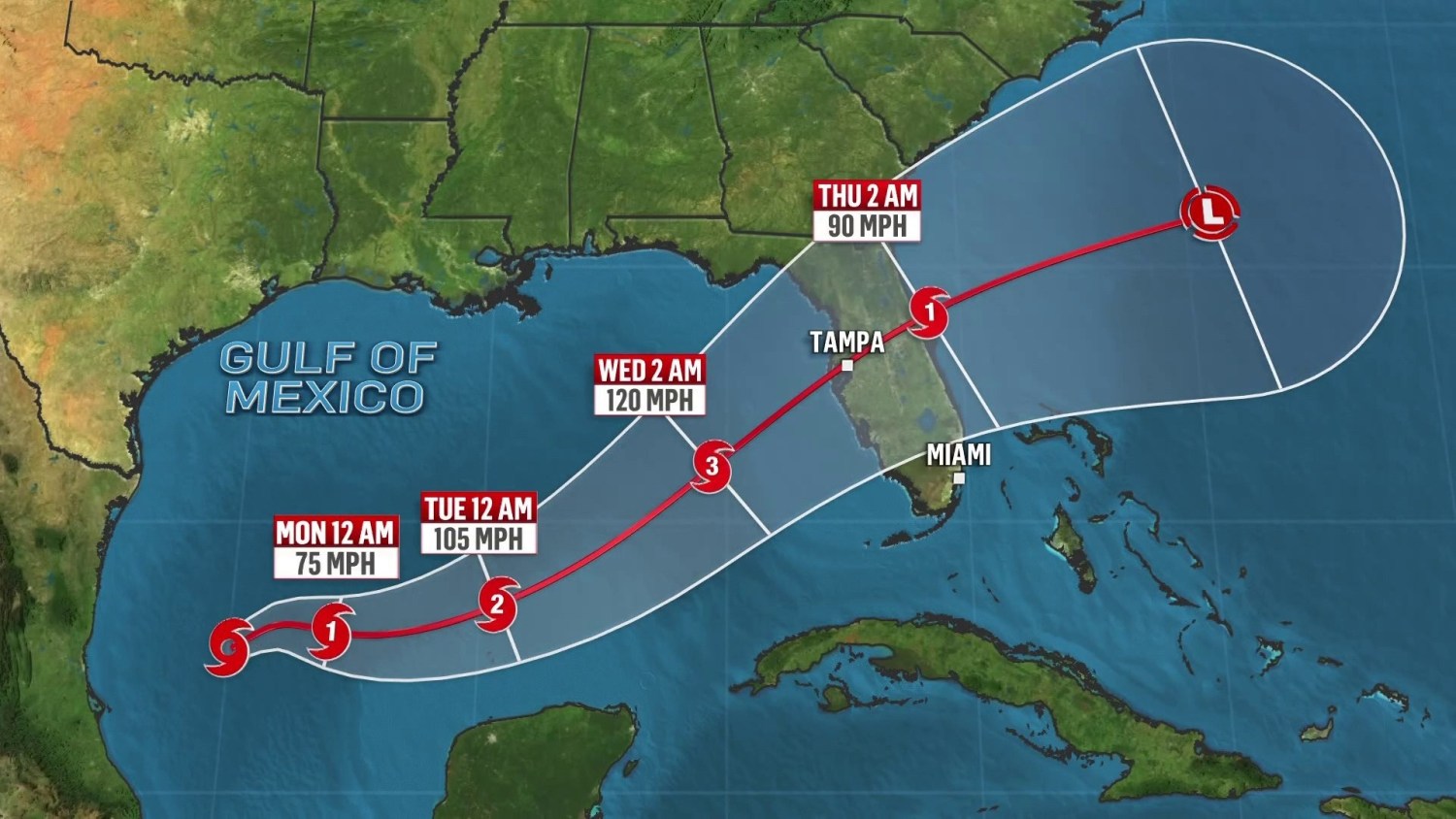
During this period, warm waters of the Atlantic Ocean, the Caribbean Sea, and the Gulf of Mexico provide the energy for tropical depressions to evolve into tropical storms and, potentially, hurricanes. These systems are categorized by wind speed, ranging from Category 1 (74-95 mph) to Category 5 (157 mph or higher), each posing progressively greater threats of wind damage, storm surge, and heavy rainfall leading to flooding. While many storms track away from land or dissipate, Florida’s elongated peninsula is particularly vulnerable to direct hits or significant impacts from passing systems.
Historical data reveals that some of the most impactful hurricanes, such as Hurricane Andrew (1992), Hurricane Irma (2017), Hurricane Michael (2018), and most recently Hurricane Ian (2022), have left indelible marks on the state’s infrastructure, tourism, and local culture. These events underscore the importance of robust preparation, not only for residents but also for travelers who may find themselves in the state during a developing weather event. The good news is that advancements in meteorology and communication mean that potential threats are identified well in advance, providing ample time for preparation and decision-making.
Staying Informed: Your First Line of Defense
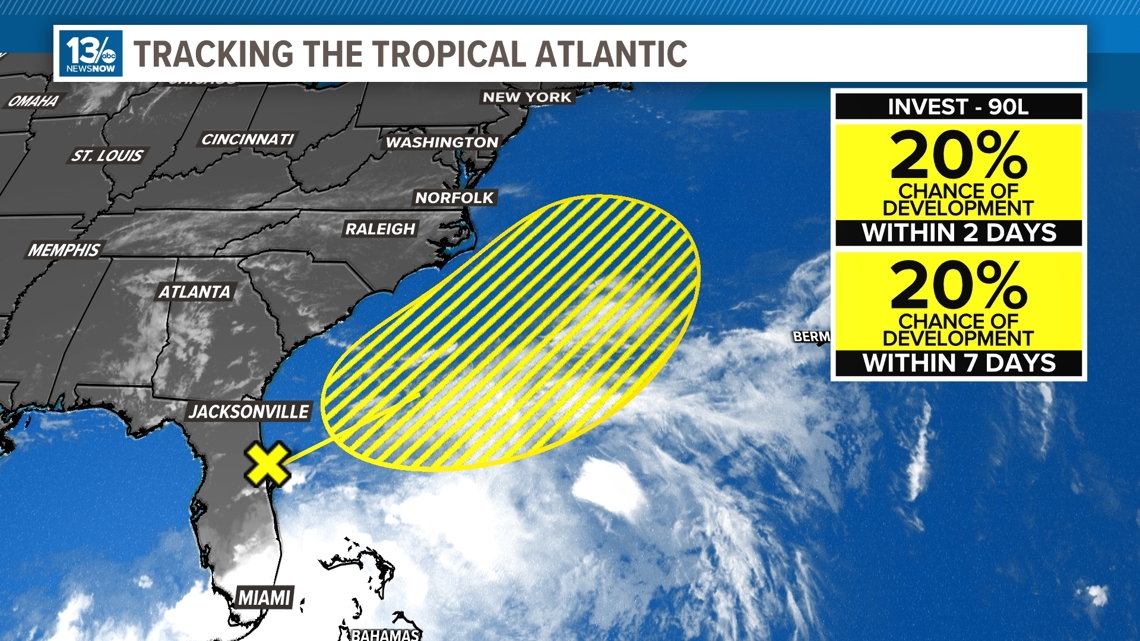
The key to navigating hurricane season safely is staying informed through reliable sources. Travelers should make it a priority to monitor weather forecasts from reputable organizations like the National Hurricane Center (NHC), a division of the National Oceanic and Atmospheric Administration (NOAA), and local news channels. These sources provide real-time updates on developing systems, their projected paths, intensity forecasts, and potential impacts on specific destinations within Florida.
Before and during your trip, consider downloading a reliable weather app with push notifications for severe weather alerts. Many local emergency management agencies in areas like Miami-Dade County, Orlando, and Tampa also offer sign-up services for text or email alerts specific to their regions. These resources are invaluable for understanding if and when a hurricane might be “coming to Florida,” and more specifically, to your chosen travel destination within the state. Being proactive about information gathering allows you to make timely decisions about adjusting travel plans, securing accommodation, or initiating evacuation procedures if necessary.
Travel Insurance and Flexible Bookings
For those planning a trip to Florida during hurricane season, investing in comprehensive travel insurance is not just an option, it’s a wise precaution. Look for policies that specifically cover trip cancellation or interruption due to weather events, including hurricanes. This type of insurance can protect your financial investment in flights, hotel bookings, and pre-paid tours or attractions should your trip be affected by a storm. Carefully read the fine print to understand what is covered, as some policies may have exclusions or specific conditions related to named storms.
Furthermore, when booking hotels, flights, and other travel components, prioritize options that offer flexibility. Many airlines and hotels, particularly during the hurricane season, provide more lenient cancellation or rebooking policies. Opt for accommodation bookings that allow for free cancellation up to a certain point, or consider purchasing refundable tickets. This flexibility is a crucial aspect of responsible lifestyle planning when traveling to potentially affected regions, allowing you to adapt quickly without significant financial penalties should a hurricane threat emerge. Whether you’re planning a luxury travel experience or a budget-friendly family trip, ensuring your bookings are adaptable offers immense peace of mind.
Preparing for a Potential Hurricane in Florida: Practical Steps for Travelers
Once you’ve made the decision to travel to Florida during hurricane season, preparedness shifts from planning to practical execution. This involves everything from understanding your accommodation’s policies to assembling a personal emergency kit, ensuring that your travel experience remains as safe and smooth as possible.
Accommodation Preparedness: Hotels, Resorts, and Villas
Your choice of accommodation plays a significant role in your safety during a hurricane threat. When researching hotels, resorts, or vacation villas, inquire about their hurricane preparedness plans. Many reputable establishments, especially those in coastal areas like Miami Beach or Key West, have well-established protocols. Ask about:
- Evacuation Procedures: Does the hotel have a clear evacuation plan? Where do guests go, and what assistance is provided?
- Shelter-in-Place Capabilities: In some cases, authorities may recommend sheltering in place for certain storm categories. Does the property have reinforced structures, backup generators for essential services (power, water, air conditioning), and provisions for guests (food, water)?
- Communication: How will the hotel communicate with guests during and after a storm? What are their check-out and refund policies if an evacuation is ordered or the property becomes uninhabitable?
- Amenities: For long-term stays or family trips, consider properties with full kitchens or on-site restaurants that could operate with limited services.
Opting for newer constructions or those known for their resilient architecture can also provide an added layer of security. Review websites often contain insights from previous guests regarding a hotel’s handling of adverse weather events, which can be invaluable in your decision-making process. Whether you’re seeking suites, resorts, or apartments, understanding these aspects ensures your chosen accommodation supports your safety and comfort.
Your Personal Emergency Kit and Communication Plan
Even with robust hotel preparations, every traveler should have a personal emergency kit. This doesn’t mean hauling extensive supplies, but rather ensuring you have essential items readily accessible:
- Important Documents: Keep identification, insurance policies, and reservation confirmations in a waterproof bag.
- Medications: A sufficient supply of prescription and over-the-counter medications.
- First-Aid Kit: Basic supplies for minor injuries.
- Non-Perishable Snacks and Water: Enough for at least 24-48 hours.
- Power Bank: To charge your phone and other devices, as power outages are common.
- Flashlight: With extra batteries.
- Cash: ATMs may be unavailable during power outages.
- Comfort Items: For family trips, this might include small toys or books to keep children occupied.
Crucially, establish a communication plan with family or friends outside the affected area. Share your itinerary, hotel information, and check-in periodically. Have a designated contact person who can relay messages if local communication networks are down. Utilize emergency apps or text services when phone lines are congested. This proactive approach to lifestyle management ensures peace of mind for both you and your loved ones.
Evacuation Routes and Local Guidelines
Should a hurricane threat escalate to an evacuation order for your area, it’s imperative to know the local guidelines and designated evacuation routes. Florida’s emergency management agencies regularly update these routes, which are typically well-marked. Familiarize yourself with them beforehand, especially if you’re driving. Pay attention to local news and emergency alerts, as these will provide specific instructions.
Remember, an evacuation order is issued for your safety and should be followed without delay. Do not wait for the storm to arrive. Many destinations, particularly the Florida Keys or barrier islands, may issue mandatory evacuations several days in advance due to their unique vulnerability and limited access routes. Understanding and respecting these measures are critical to ensuring your well-being and contributing to an orderly response from local authorities.
Navigating Post-Hurricane Florida: Travel, Tourism, and Resilience
Once a hurricane has passed, the focus shifts to recovery and assessing the impact on travel, tourism, and local culture. Florida is incredibly resilient, and its tourism infrastructure is designed to rebound quickly, but travelers must remain flexible and considerate during this period.
Re-opening Attractions and Services
Following a hurricane, attractions, hotels, and businesses may temporarily close to assess damage, clean up, and ensure guest safety. Major theme parks like Universal Orlando Resort and Walt Disney World Resort, often located inland in Orlando, have sophisticated hurricane plans and typically re-open very quickly once the immediate threat has passed and it is safe to do so. Coastal attractions and landmarks, however, may face more significant challenges.
Before planning to visit any specific destination or attraction after a storm, always check their official websites or social media channels for the latest information on re-opening schedules and operational changes. Road closures, power outages, and limited services can persist for some time, particularly in areas that experienced a direct hit. Be prepared for potential detours, longer travel times, or reduced amenities. Flexibility in your itinerary is paramount.
Supporting Local Culture and Communities in Recovery
After a hurricane, local communities, including their vibrant culture, cuisine, and small businesses, often bear the brunt of the storm’s impact. Travelers who choose to visit Florida after a hurricane, once it is deemed safe to do so, can play a vital role in the recovery process. By patronizing local restaurants, shops, and tour operators, you contribute directly to the economic revitalization of the affected areas.
Consider volunteering with organizations like the Red Cross or other local charities if your trip allows and you have the necessary skills. Even choosing to reschedule your trip for a later date, rather than canceling outright, can provide much-needed future revenue for the tourism industry. This responsible tourism approach is an integral part of sustainable travel, fostering a deeper connection with the destinations you explore and supporting the resilience of their people.
Long-Term Travel Planning and Destination Choice
For those planning long-term stays or considering relocating, hurricane preparedness becomes an ongoing lifestyle commitment. Researching historical hurricane paths, understanding local building codes, and investing in hurricane-resistant properties or enhancements are key considerations. When choosing a location for a long-term stay, whether it’s an apartment in Tampa or a villa in South Florida, factor in elevation, proximity to the coast, and the availability of robust community infrastructure and emergency services.
Florida’s diverse geography means that some areas are inherently less vulnerable to certain hurricane impacts than others. Inland cities, while not immune to heavy rain and wind, are generally less susceptible to storm surge. However, they may experience extensive flooding. Coastal regions, while offering iconic attractions and natural beauty, require a heightened level of awareness and preparedness. Landmarks such as Everglades National Park or the Kennedy Space Center Visitor Complex might have unique operational guidelines during and after storms, given their specific environmental or operational sensitivities.
In conclusion, while the question “Are there any hurricanes coming to Florida?” is a valid and important one, it shouldn’t deter you from experiencing the beauty and excitement the state has to offer. By understanding the hurricane season patterns, staying informed through reliable sources like the National Hurricane Center, securing appropriate travel insurance, opting for flexible bookings, and having a personal preparedness plan, you can significantly mitigate potential risks. Florida’s resilience and commitment to visitor safety mean that with a little foresight and planning, your adventure in the Sunshine State can be both memorable and secure, regardless of the time of year. Embrace responsible travel, stay vigilant, and enjoy all that this remarkable destination has to offer.
LifeOutOfTheBox is a participant in the Amazon Services LLC Associates Program, an affiliate advertising program designed to provide a means for sites to earn advertising fees by advertising and linking to Amazon.com. Amazon, the Amazon logo, AmazonSupply, and the AmazonSupply logo are trademarks of Amazon.com, Inc. or its affiliates. As an Amazon Associate we earn affiliate commissions from qualifying purchases.