
Traveling to California offers an unparalleled array of experiences, from sun-drenched beaches and vibrant cities to majestic mountains and ancient forests. However, a question that frequently arises, particularly during certain times of the year, is about the current wildfire situation. For travelers, understanding the landscape of California wildfires is crucial for planning a safe, enjoyable, and responsible trip. While the state is renowned for its natural beauty, it is also prone to wildfires, a natural phenomenon that has been exacerbated by climate change and specific weather patterns. This guide aims to provide a comprehensive overview for prospective visitors, detailing how to stay informed, mitigate risks, and still experience the best of the Golden State.
Understanding California’s Wildfire Landscape for Travelers
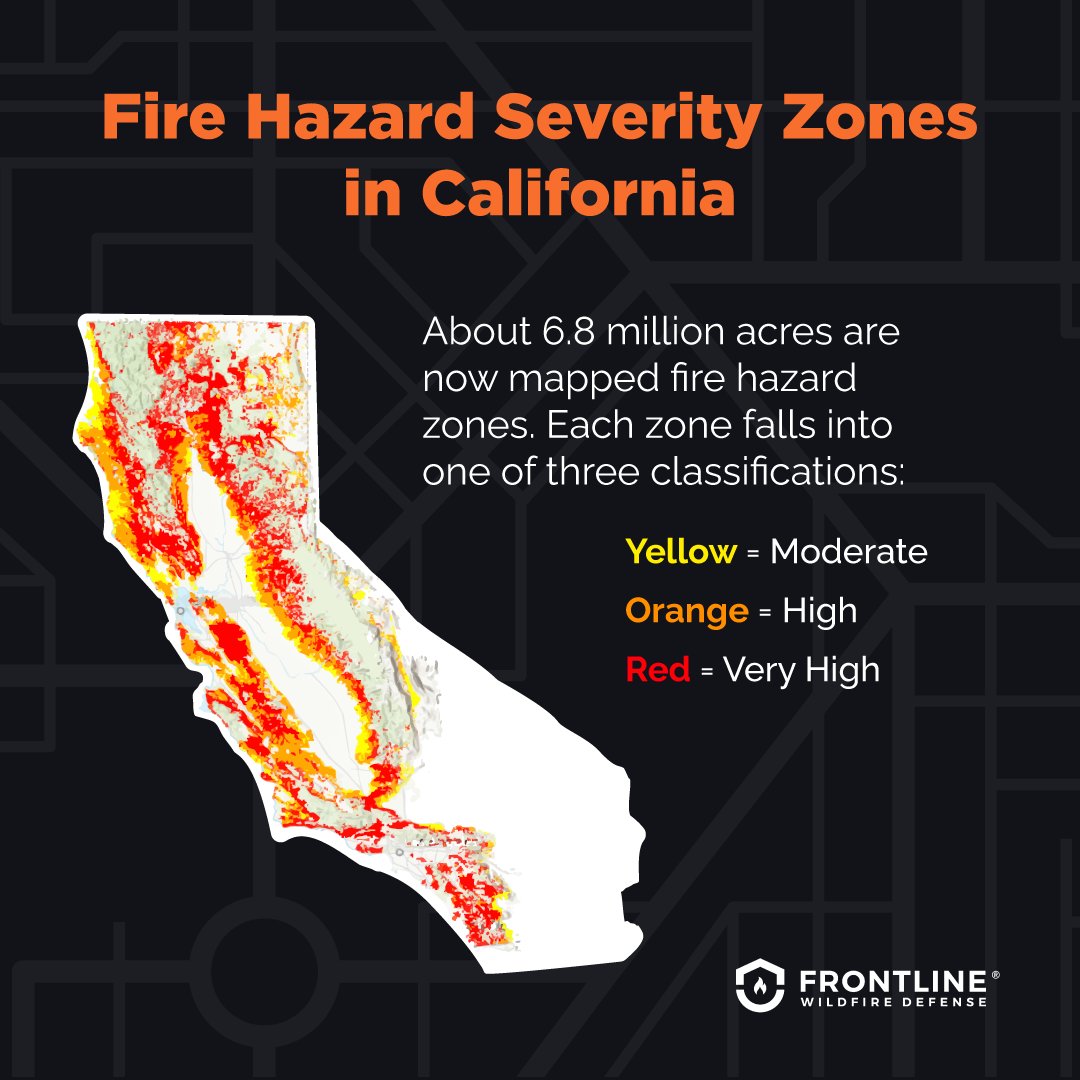
California’s diverse geography and Mediterranean climate, characterized by hot, dry summers and mild, wet winters, create conditions conducive to wildfires. While fires are a natural part of the ecosystem, clearing old growth and promoting new, they have grown in intensity and frequency over recent decades. For travelers, this means being prepared and informed is paramount, rather than necessarily canceling plans. Many areas remain completely unaffected, and with the right information, a memorable trip is entirely possible.
The Seasonal Nature of Fires
Wildfire season in California typically runs from late spring through late fall, peaking in the hottest and driest months, usually August through October. However, with changing climate patterns, the season has become less predictable and can extend into winter, particularly after periods of drought. Travelers planning trips during these months should pay closer attention to local conditions. Early season fires might occur in areas with drier-than-average winters, while late-season fires are often fueled by strong, dry winds like the Santa Ana winds in Southern California or Diablo winds in Northern California. Understanding these seasonal patterns helps in anticipating potential risks and adjusting travel itineraries proactively. Despite the common misconception, a significant portion of the state remains untouched by active fires at any given time, making careful planning key to a smooth journey.
Geographic Vulnerabilities and Safe Zones
California is a vast state, and wildfire risks are not uniform across all regions. Forested areas, chaparral landscapes, and wildland-urban interfaces are most susceptible. Mountainous regions, such as the Sierra Nevada range, the coastal mountains, and areas surrounding prominent National Parks like Yosemite National Park or Sequoia National Park, frequently face higher risks. Conversely, major metropolitan areas like Los Angeles, San Francisco, and San Diego, while not immune, are less directly impacted by large-scale wildland fires, though they may experience secondary effects like smoke and air quality degradation. Coastal regions, particularly those directly on the ocean, generally experience lower fire risk due to humidity and differing vegetation, making places like Big Sur‘s immediate coastline or Santa Barbara’s beachfront areas relatively safer bets, though the inland hills can still be vulnerable. Travelers can often find safe and enjoyable experiences by choosing destinations with historically lower fire risk or by staying informed about current conditions in their chosen locale.
Navigating Travel During Wildfire Season
Traveling during California’s wildfire season requires a proactive and adaptable approach. The key is to prioritize safety and stay informed with real-time, reliable information. While headlines can sometimes paint a broad picture, specific areas of interest may be entirely unaffected, or impacts might be localized and temporary. It’s about being prepared to pivot if necessary, rather than abandoning travel plans entirely.
Essential Resources for Real-time Information
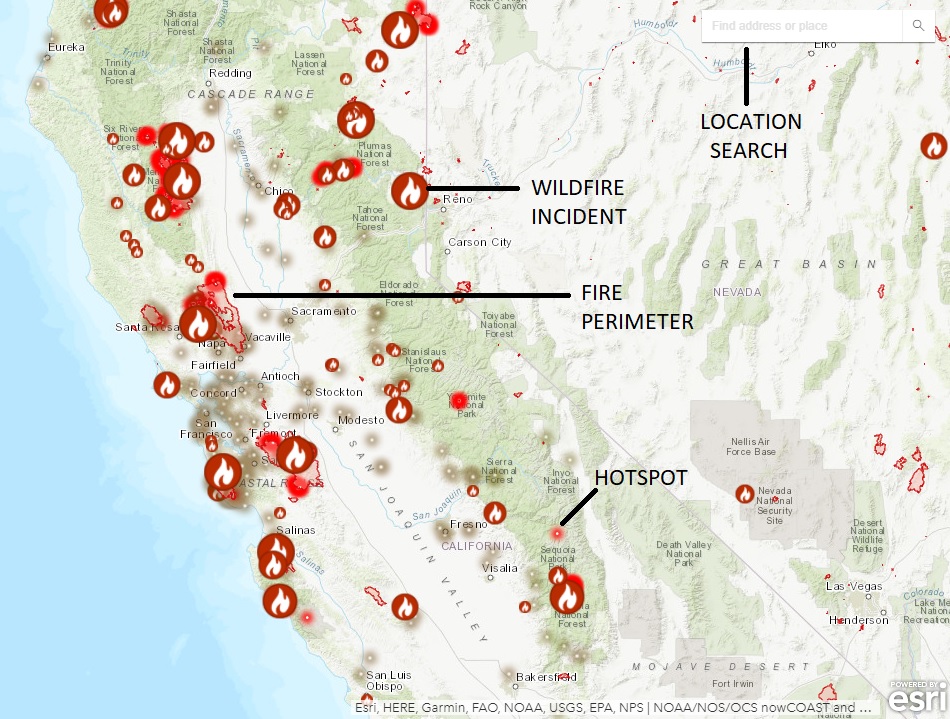
Before and during your trip, consulting authoritative sources for wildfire updates is critical. The most comprehensive and reliable resource is the California Department of Forestry and Fire Protection, better known as CalFire. Their website provides an incident map detailing active fires, their containment status, and any associated evacuation orders. Additionally, the National Interagency Fire Center (NIFC) offers a national overview that can also be helpful for broader context. For air quality, which is a major concern when fires are active, the AirNow website (AirNow.gov) is an invaluable tool, providing real-time Air Quality Index (AQI) data. Local county sheriff’s departments and emergency services websites also provide specific details on evacuations and road closures relevant to their jurisdictions. Many California State Parks and National Parks publish alerts directly on their websites regarding closures or conditions affecting visitor access. Checking these resources daily, particularly if traveling through fire-prone areas, is a non-negotiable step for safe travel.
Air Quality and Health Considerations
Even if a wildfire is not directly threatening a travel destination, smoke plumes can travel hundreds of miles, impacting air quality. Poor air quality can pose health risks, especially for individuals with respiratory conditions, the elderly, and young children. Travelers should monitor the AQI for their planned destinations using resources like AirNow. An AQI above 100 is generally considered unhealthy for sensitive groups, and above 150, unhealthy for everyone. If air quality is poor, consider limiting outdoor activities, keeping windows closed, and using recirculated air in vehicles. Wearing N95 masks can offer some protection if you must be outdoors. Many indoor attractions, such as museums in San Francisco or galleries in Los Angeles, provide excellent alternatives during periods of reduced air quality. Being mindful of these conditions allows travelers to adjust their plans to protect their health without necessarily derailing their entire trip.
Evacuation Zones and Road Closures
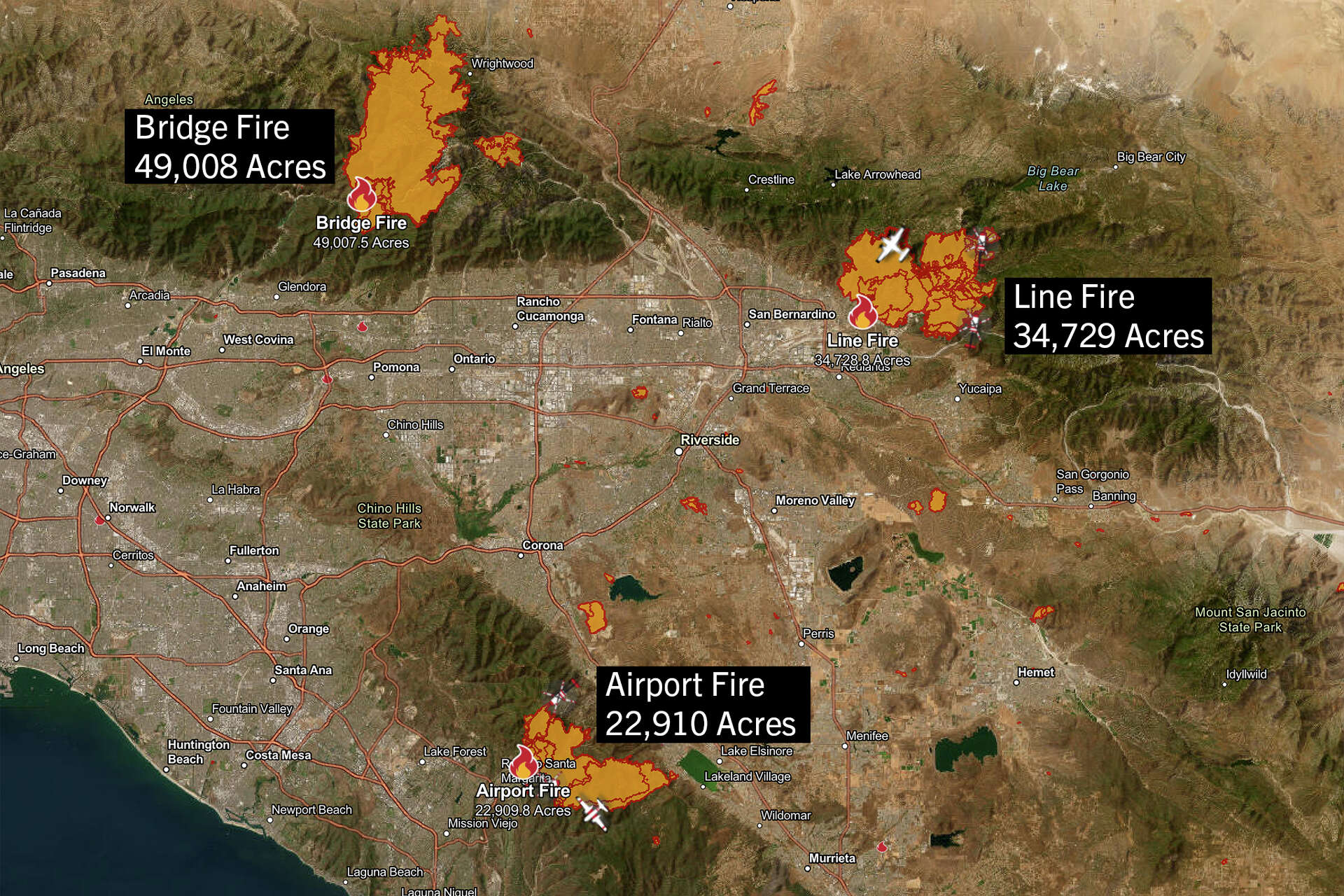
Wildfires can lead to immediate and widespread evacuations and road closures. It is imperative that travelers understand how to identify and respond to these situations. Evacuation orders are issued by local authorities, and it is crucial to heed them promptly for safety. Websites like Caltrans provide up-to-date information on road closures across the state, including the iconic Pacific Coast Highway (Highway 1) or routes leading to popular mountain resorts around Lake Tahoe. Planning alternative routes is a wise precaution, especially when using GPS, which may not always reflect very recent closures. Travelers should always have a full tank of gas, carry essential supplies, and inform family or friends of their itinerary. A flexible mindset and a willingness to adjust plans on short notice are invaluable when navigating travel during times of active wildfires.
Destination-Specific Impact and Alternatives
California’s immense size and diverse ecosystems mean that while one region might be grappling with wildfires, others are entirely unaffected and open for exploration. Understanding these regional differences is key to making informed travel choices and discovering alternative experiences.
Coastal Regions vs. Inland Forests
The disparity in fire risk between California’s coastal regions and its inland forests is significant. The cool, humid air along the coast, particularly from San Diego up to Mendocino and beyond, generally keeps fire risk lower for areas immediately adjacent to the ocean. Destinations like Santa Cruz, Monterey, and the urban centers of San Francisco and Los Angeles often serve as safer havens. Travelers looking to enjoy beach activities, whale watching, or vibrant city life can often do so with minimal disruption, even when inland areas are affected. In contrast, the vast inland forests, including the Sierra Nevada and other mountain ranges, are naturally more susceptible. This does not mean these areas are perpetually off-limits, but rather that extra vigilance is required during peak fire season.
Protecting National and State Parks
California is home to an incredible array of natural treasures, including nine National Parks and numerous California State Parks. These areas, often rich in dry vegetation, are particularly vulnerable to wildfires. Park closures are not uncommon during active fire incidents, not only to protect visitors but also to allow fire crews to operate safely. Iconic destinations like Yosemite National Park, Sequoia National Park, and parts of Redwood National Park have experienced closures. Travelers should always check the official websites of specific parks for the latest updates on conditions, closures, and potential air quality warnings. While some parks might be temporarily inaccessible, others, particularly desert parks like Joshua Tree National Park or Death Valley National Park, often experience different fire patterns and might remain open, offering alternative natural experiences.
Finding Alternative Experiences (Urban California, Desert Escapes)
Should your original plans be impacted by wildfires, California offers a wealth of alternative experiences. The state’s major cities, including San Francisco, Los Angeles, San Diego, and the state capital Sacramento, boast world-class museums, culinary scenes, shopping districts, and cultural attractions that are rarely directly affected by wildfires. Many coastal towns offer charming boutique hotels, seafood restaurants, and ocean-based activities away from fire zones. For those seeking nature, the vast desert regions, while hot in summer, present unique landscapes and hiking opportunities, often with lower wildfire risk than forested areas. Even renowned wine regions like Napa Valley or Sonoma Valley, while historically vulnerable, often have localized impacts and provide updated information for visitors. The key is flexibility and a willingness to explore areas that are safe and welcoming.
Responsible Travel and Community Support
Traveling responsibly during or after wildfire events extends beyond personal safety; it also involves supporting affected communities and practicing environmentally conscious habits. Your choices as a traveler can make a positive impact, helping California to recover and thrive.
Supporting Affected Areas Post-Fire
After wildfires have been contained and areas deemed safe for re-entry, supporting local economies through tourism is vital for recovery. Many small towns and businesses, particularly those reliant on tourism in fire-affected regions, face significant financial hardship. Once authorities confirm an area is open and safe, consider planning a visit to these communities. Dining at local restaurants, staying in independent accommodations, purchasing goods from local shops, and utilizing local services directly contributes to their rebuilding efforts. Before visiting, it’s advisable to check with local chambers of commerce or tourism boards for specific guidance on how best to support them, as some areas might still be in the initial stages of recovery and may require different forms of assistance or simply respectful visitation.
Eco-conscious Practices for Visitors
Minimizing your environmental footprint is always important, but particularly so in a state prone to natural disasters like wildfires. Practicing eco-conscious travel habits helps protect California’s delicate ecosystems. This includes adhering strictly to fire safety regulations, such as observing burn bans, properly disposing of cigarettes, and being extremely careful with any outdoor flames, including campfires or barbecues. Even parking a hot vehicle over dry grass can spark a fire. Visitors should also commit to the “Leave No Trace” principles, packing out all trash, staying on marked trails, and respecting wildlife. Supporting businesses that employ sustainable practices further contributes to the long-term health and resilience of the state’s natural environment. Every small effort contributes to safeguarding the beauty of California for future generations of travelers.
Travel Insurance and Flexibility
Given the potential for wildfires to disrupt travel plans, investing in comprehensive travel insurance is a wise decision for any trip to California, especially during wildfire season. Policies vary, but many offer coverage for trip cancellations or interruptions due to natural disasters, including wildfires, as well as medical emergencies or evacuations. It’s crucial to read the policy details carefully and understand what is covered. Beyond insurance, maintaining flexibility in your travel itinerary is perhaps the most important asset. Have backup plans for accommodation and activities, stay abreast of local news, and be prepared to alter your route or destination if conditions change. A flexible traveler is a safe and less stressed traveler, ready to adapt and still find incredible experiences amidst California’s dynamic landscape.
LifeOutOfTheBox is a participant in the Amazon Services LLC Associates Program, an affiliate advertising program designed to provide a means for sites to earn advertising fees by advertising and linking to Amazon.com. Amazon, the Amazon logo, AmazonSupply, and the AmazonSupply logo are trademarks of Amazon.com, Inc. or its affiliates. As an Amazon Associate we earn affiliate commissions from qualifying purchases.