
For many, the sight of a Bald Eagle soaring majestically overhead is a symbol of wild North America, a powerful emblem of freedom and resilience. While often associated with the rugged landscapes of the northern United States or Canada, the notion of encountering this magnificent raptor in the sun-drenched, palm-lined environment of Florida might seem surprising. Yet, the answer is a resounding and enthusiastic “Yes!” Not only are Bald Eagles present in the Sunshine State, but Florida boasts one of the densest populations of these birds in the lower 48 states, making it an extraordinary destination for wildlife tourism and a truly unique travel experience.
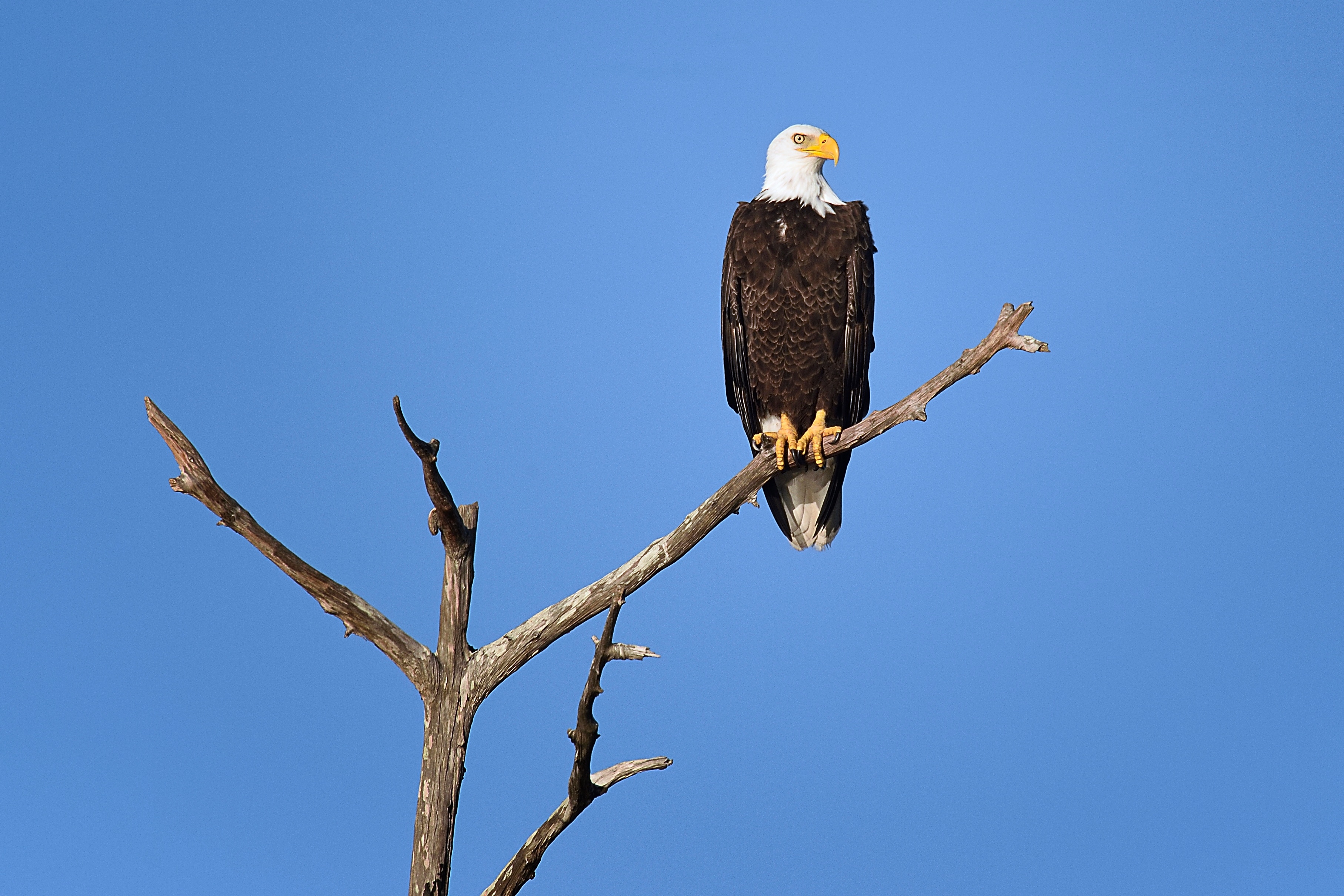
The presence of such a significant population of Bald Eagles transforms a trip to Florida from a mere beach holiday into an adventure brimming with opportunities for nature enthusiasts. From the bustling urban peripheries to the serene depths of its sprawling national parks and wildlife refuges, the chance to witness these iconic birds in their natural habitat adds an unparalleled layer of wonder to any Florida itinerary. This article delves into why Florida has become such a crucial haven for Bald Eagles, where and when to find them, and how to seamlessly integrate an eagle-watching expedition into your next unforgettable travel escape.
Florida’s Sky-High Secret: A Haven for Bald Eagles
Florida’s unique ecological makeup and climatic conditions provide an almost perfect environment for Bald Eagles to thrive. Unlike their northern counterparts who often migrate south for the winter, many of Florida’s eagles are year-round residents, benefiting from the state’s abundant resources and mild temperatures.
Why Florida? Ideal Climate and Ecosystems
The geographical diversity of Florida is a primary draw for Bald Eagles. The state is crisscrossed by countless freshwater lakes, rivers, and coastal estuaries, all teeming with fish – their primary food source. Species like catfish, mullet, and shad are plentiful, providing a constant and reliable food supply. Beyond fish, eagles are opportunistic predators, also feeding on waterfowl, small mammals, and carrion, all of which are readily available across Florida’s diverse ecosystems.
Furthermore, the extensive pine forests, particularly the longleaf pine flatwoods and cypress swamps, offer ideal nesting sites. These majestic trees provide the tall, sturdy platforms that eagles prefer for constructing their massive nests, often high above the ground and near water bodies. The warm climate means less energy expenditure on thermoregulation and a longer breeding season compared to colder regions, allowing eagles to successfully fledge their young. The combination of ample food, suitable nesting habitats, and a favorable climate makes Florida an ecological sweet spot for these magnificent birds of prey.
The Bald Eagle’s Comeback Story in Florida
The story of the Bald Eagle in Florida, much like nationally, is a remarkable testament to conservation efforts. In the mid-20th century, Bald Eagle populations plummeted across the United States due to habitat loss, hunting, and critically, the widespread use of DDT pesticides. This chemical thinned eggshells, making reproduction nearly impossible. By the 1970s, the species was on the brink of extinction, leading to its listing under the Endangered Species Act.
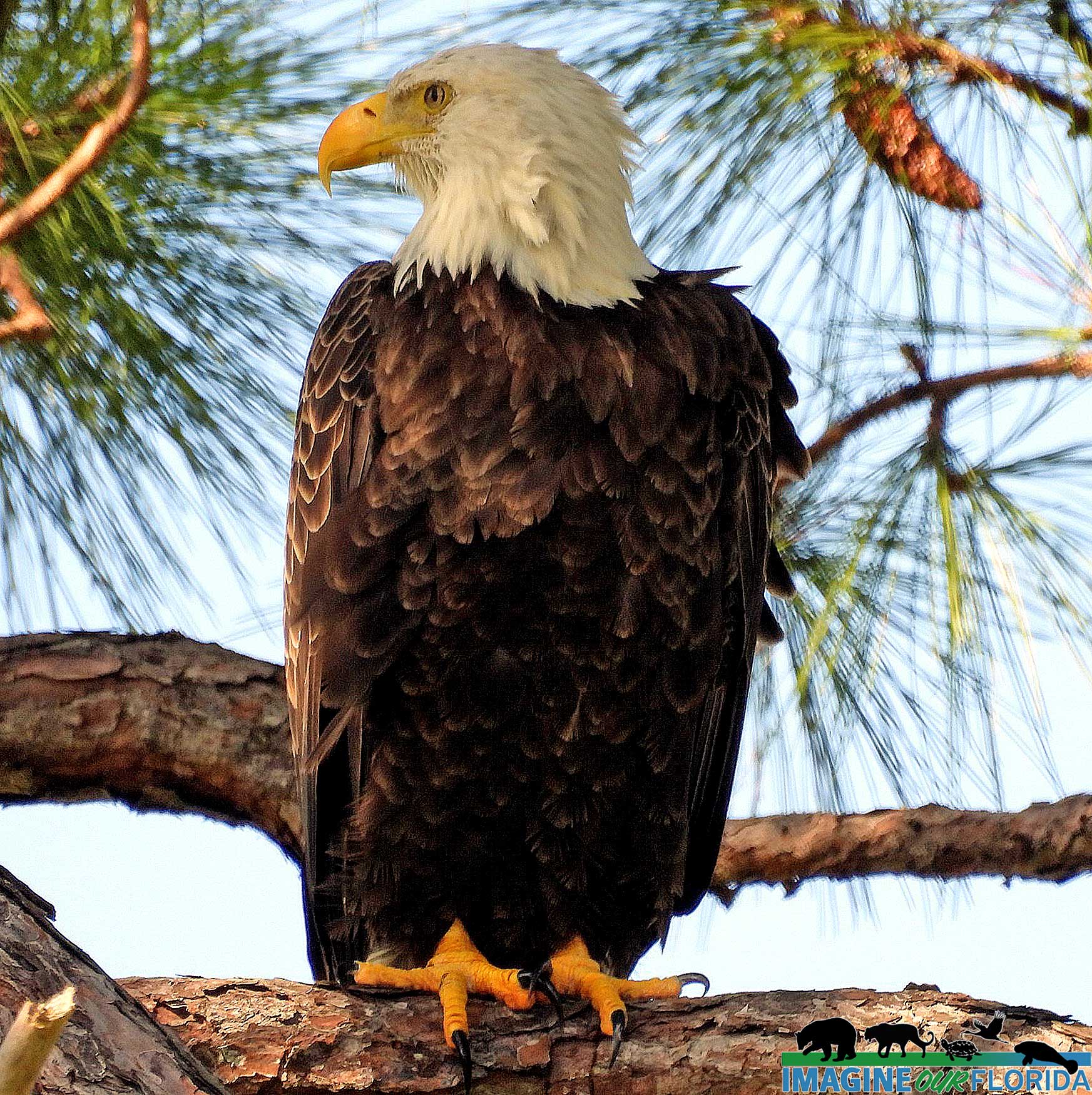
Florida played a crucial role in their recovery. Strict environmental regulations, the banning of DDT, and dedicated conservation programs spearheaded by organizations like the Audubon Society and the Florida Fish and Wildlife Conservation Commission (FWC) have been incredibly successful. Nest protection, public education, and habitat preservation efforts have allowed the Bald Eagle population to rebound significantly. Today, Florida is home to over 1,500 active nesting pairs, a staggering recovery that makes it one of the most successful conservation stories in the state’s history. Visitors witnessing these birds are not just observing wildlife; they are witnessing a living symbol of environmental triumph, a powerful narrative that enhances the tourism experience.
Where to Spot Bald Eagles in the Sunshine State
For those eager to embark on a birdwatching adventure, Florida offers numerous prime locations where the chances of spotting a Bald Eagle are exceptionally high. These areas combine abundant natural resources with accessible viewing opportunities, perfect for a dedicated nature trip or a detour on a broader Florida vacation.
Prime Nesting and Roosting Locations
- Everglades National Park: This vast subtropical wilderness, a designated UNESCO World Heritage site, is not only famous for its alligators and wading birds but also harbors a healthy population of Bald Eagles. Visitors exploring the park by airboat, kayak, or on foot often catch glimpses of eagles soaring over the sawgrass prairies or perched high in the cypress trees. Areas around Flamingo and the Gulf Coast Visitor Center are particularly productive.
- Merritt Island National Wildlife Refuge: Located on Florida’s Space Coast near the Kennedy Space Center, this refuge is a premier birdwatching spot, home to over 330 species. The refuge’s diverse habitats, including estuaries, marshes, and hammocks, provide excellent foraging and nesting grounds for eagles. Driving the Black Point Wildlife Drive or exploring the trails offers superb chances for sightings.
- Kissimmee River and Lake Kissimmee: The central Florida region, particularly around the headwaters of the Everglades ecosystem, is a known hotbed for eagles. The ongoing restoration of the Kissimmee River has revitalized habitats, making the area around Lake Kissimmee and Kissimmee Prairie Preserve State Park excellent for eagle observations. Airboat tours often provide up-close views.
- Ocala National Forest: Further north, this expansive national forest offers a different landscape of sand pine scrub, forests, and numerous springs. The large, pristine lakes within the forest, such as Lake George and Lake Eaton, are popular fishing spots for eagles. Canoeing or kayaking the rivers flowing through the forest, like the Juniper Run, can yield rewarding sightings.
- Myakka River State Park: Near Sarasota, this beautiful state park features wetlands, prairies, and pinewoods, traversed by the Myakka River. Its tree canopy and abundant wildlife make it an ideal place to see eagles, especially near the river and lakes.
Best Times for Eagle Watching
While Bald Eagles can be seen year-round in Florida, the prime viewing season aligns with their nesting cycle. The nesting season in Florida typically runs from October to May, with eggs laid between December and February, and eaglets often visible in the nest from February through April.
- Winter (December-February): This is arguably the best time. Adults are actively nesting, incubating eggs, or tending to new hatchlings. The cooler, drier weather also makes for more comfortable outdoor activities and clearer visibility.
- Spring (March-May): Eaglets are growing rapidly and are very active in the nests, making for excellent photographic opportunities. They begin to fledge in late spring.
- Summer (June-August): While eagles are still present, they are less concentrated at nesting sites. Young eagles disperse, and adults are focused on foraging. The heat and humidity can also be more challenging for prolonged outdoor observation.
- Fall (September-November): Eagles begin to return to their nesting territories and start nest repair in anticipation of the upcoming breeding season. This is a good time to observe courtship behaviors.
Early mornings and late afternoons are generally the best times for eagle watching, as these are peak activity periods for hunting and foraging.
Essential Gear for Your Eagle Expedition
To maximize your eagle-watching experience, a few key items are indispensable:
- Binoculars: High-quality binoculars (e.g., 8×42 or 10×42) are crucial for clear, detailed views of eagles, especially when they are distant or perched high in trees.
- Spotting Scope: For dedicated birdwatchers who want to observe eagles at great distances, a spotting scope on a tripod will provide incredible detail.
- Camera with a Telephoto Lens: To capture stunning photographs of these magnificent birds, a camera with a powerful telephoto lens (200mm or more) is highly recommended.
- Field Guide: A Florida bird identification guide can help distinguish eagles from other raptors and identify other fascinating species you might encounter.
- Sun Protection: Florida sun is intense, so a hat, sunscreen, and sunglasses are essential.
- Insect Repellent: Especially during warmer months or in wetland areas, bug spray is a must.
- Water and Snacks: Staying hydrated is important during any outdoor adventure.
Planning Your Eagle-Watching Adventure: Travel and Accommodation Tips
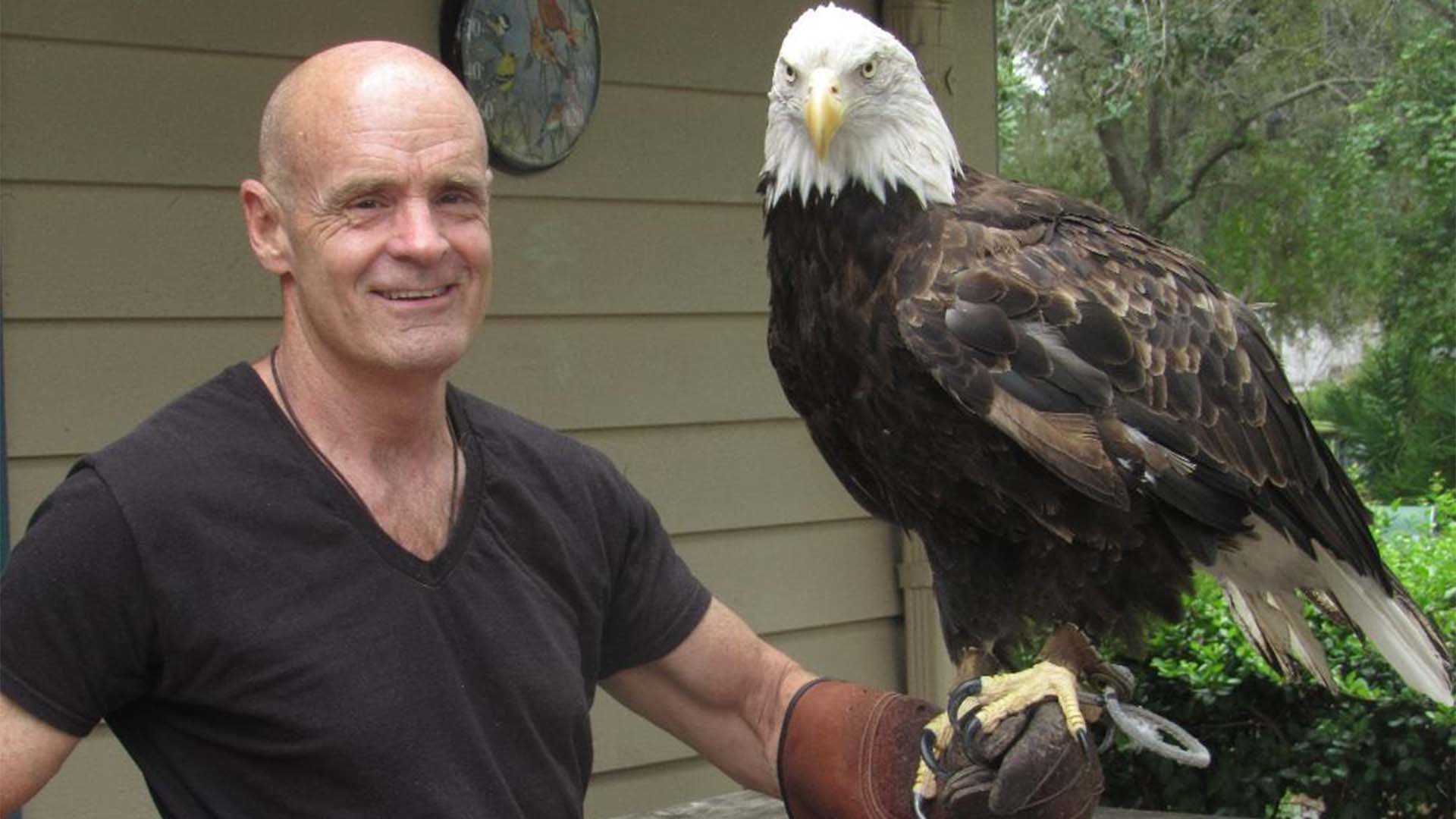
Integrating an eagle-watching experience into your Florida vacation requires a bit of planning, especially concerning travel logistics and finding the right accommodation. Luckily, Florida’s robust tourism infrastructure makes this an enjoyable process.
Crafting the Perfect Itinerary
When planning your Florida wildlife adventure, consider the specific locations mentioned above and their proximity to other attractions you wish to visit. For instance, a trip to Merritt Island National Wildlife Refuge can easily be combined with a visit to the Kennedy Space Center for a unique blend of nature and technological marvels. Similarly, Everglades National Park can be part of a broader South Florida itinerary that includes Miami or the Florida Keys.
Many tour operators offer specialized birdwatching tours or eco-tours that focus on Bald Eagle sightings. These tours often provide expert guides who know the best spots and can offer valuable insights into eagle behavior and ecology. This can be particularly beneficial for first-time visitors or those seeking a more guided, in-depth experience. Kayaking or canoeing tours on rivers like the St. Johns River or Myakka River offer tranquil opportunities for observation from the water, often providing unique perspectives of eagles fishing or perching.
Finding Your Ideal Stay: Hotels and Resorts Near Eagle Habitats
Florida offers a vast array of accommodation options to suit every lifestyle and budget. When planning an eagle-watching trip, consider staying in hotels, resorts, or vacation rentals that are strategically located near the prime viewing areas.
- Near Everglades National Park: Options range from rustic lodges and eco-friendly resorts in nearby towns like Homestead or Florida City to more luxurious hotels in Miami if you prefer a day trip.
- Space Coast Area: For visits to Merritt Island National Wildlife Refuge, the towns of Titusville or Cocoa Beach offer a variety of hotels and motels, including beachfront resorts with convenient access to both nature and attractions.
- Central Florida (around Kissimmee and Ocala): This region provides extensive choices, from family-friendly resorts in Orlando (if combining with theme parks) to cozier boutique hotels or even camping facilities within the national forest for a more immersive nature experience.
- Sarasota Area: Hotels and resorts in and around Sarasota provide easy access to Myakka River State Park, often offering luxurious amenities for those seeking a more upscale nature retreat.
When booking accommodation, check hotel reviews for proximity to nature trails, views, and facilities that cater to nature enthusiasts, such as early breakfast options or packed lunches. Many resorts and hotels in Florida also offer special packages that might include guided nature tours or transportation to local landmarks.
Sustainable Tourism and Ethical Birdwatching
As with all wildlife encounters, practicing sustainable tourism and ethical birdwatching is paramount. Bald Eagles are protected species, and their nesting sites are particularly sensitive.
- Maintain Distance: Always observe eagles from a respectful distance. Never approach a nest or an eagle closely, especially during nesting season. Use your binoculars and telephoto lenses to get a good view without disturbing the birds.
- Stay on Marked Trails: This helps protect fragile habitats and prevents unintentional disturbance to wildlife.
- Silence is Golden: Avoid loud noises or sudden movements that could startle the birds.
- Leave No Trace: Pack out everything you pack in, ensuring the natural environment remains pristine for both wildlife and future visitors.
- Support Local Conservation: Consider supporting local wildlife organizations or national parks through donations or by purchasing passes.
By following these guidelines, you contribute to the continued success of the Bald Eagle population and ensure that these awe-inspiring birds remain a cherished part of the Florida landscape for generations to come.
Beyond the Binoculars: Experiencing Florida’s Diverse Wildlife
While Bald Eagles are undoubtedly a highlight, a nature-focused trip to Florida opens the door to an incredible array of other unique wildlife and natural wonders.
Other Must-See Species
Florida’s ecosystems are incredibly biodiverse. During your eagle-watching excursions, you’re likely to encounter a host of other fascinating creatures:
- Alligators: The iconic reptile of Florida, easily spotted in almost any freshwater body.
- Manatees: Gentle “sea cows” that frequent Florida’s warm springs and coastal waters, especially during cooler months.
- Dolphins: Common along the coasts, often seen playing in the surf or following boats.
- Ospreys: Another magnificent raptor, often confused with eagles due to their size and fishing habits, but with distinct markings.
- Wading Birds: A spectacular variety, including Great Blue Herons, Roseate Spoonbills, and Wood Storks, are abundant in Florida’s wetlands.
- Florida Panthers: Though extremely elusive, observing their habitat in South Florida adds to the mystique of the wilderness.
Exploring these diverse habitats offers endless opportunities for photography, education, and a deep appreciation for Florida’s rich natural heritage. Many landmarks and attractions across the state are dedicated to showcasing and protecting this incredible biodiversity.
Local Culture and Culinary Delights
A true travel experience extends beyond wildlife viewing to embrace the local culture and culinary scene. After a day of exploring Florida’s wilderness, indulge in the state’s diverse gastronomic offerings. From fresh seafood straight from the Gulf of Mexico or Atlantic Ocean to delicious Cuban cuisine in Miami or authentic Southern comfort food in the more rural areas, Florida offers flavors to satisfy every palate. Engaging with local communities, visiting farmers’ markets, and experiencing the unique blend of cultures that define Florida will enrich your trip and provide a holistic understanding of this vibrant state. Whether you’re planning a luxury travel experience with gourmet dining or a budget-friendly family trip with casual eateries, Florida has it all.
In conclusion, the answer to “Are there Bald Eagles in Florida?” is a resounding affirmation. The Sunshine State is not just a seasonal refuge but a thriving year-round sanctuary for these magnificent birds, offering unparalleled opportunities for observation and appreciation. From pristine national parks to serene rivers, Florida invites you to witness the enduring spirit of the Bald Eagle and immerse yourself in an unforgettable wildlife travel experience. Pack your binoculars, plan your itinerary, and prepare to be awe-struck by the majestic beauty of Florida’s avian royalty.
LifeOutOfTheBox is a participant in the Amazon Services LLC Associates Program, an affiliate advertising program designed to provide a means for sites to earn advertising fees by advertising and linking to Amazon.com. Amazon, the Amazon logo, AmazonSupply, and the AmazonSupply logo are trademarks of Amazon.com, Inc. or its affiliates. As an Amazon Associate we earn affiliate commissions from qualifying purchases.