
Florida, a state synonymous with sun-drenched beaches, world-class theme parks, and a vibrant tourism industry, also grapples with economic questions that impact its residents and visitors alike. One of the most fundamental of these is the minimum wage. Understanding how much Florida workers earn per hour is crucial for anyone planning a budget-friendly vacation, considering a longer-term stay, or even contemplating a move to the Sunshine State for its lifestyle opportunities. This article delves into the current minimum wage in Florida, its historical context, the factors influencing it, and what it means for both employees and the broader tourism and hospitality sectors that are so vital to the state’s economy.
The Current Minimum Wage in Florida and How It’s Determined
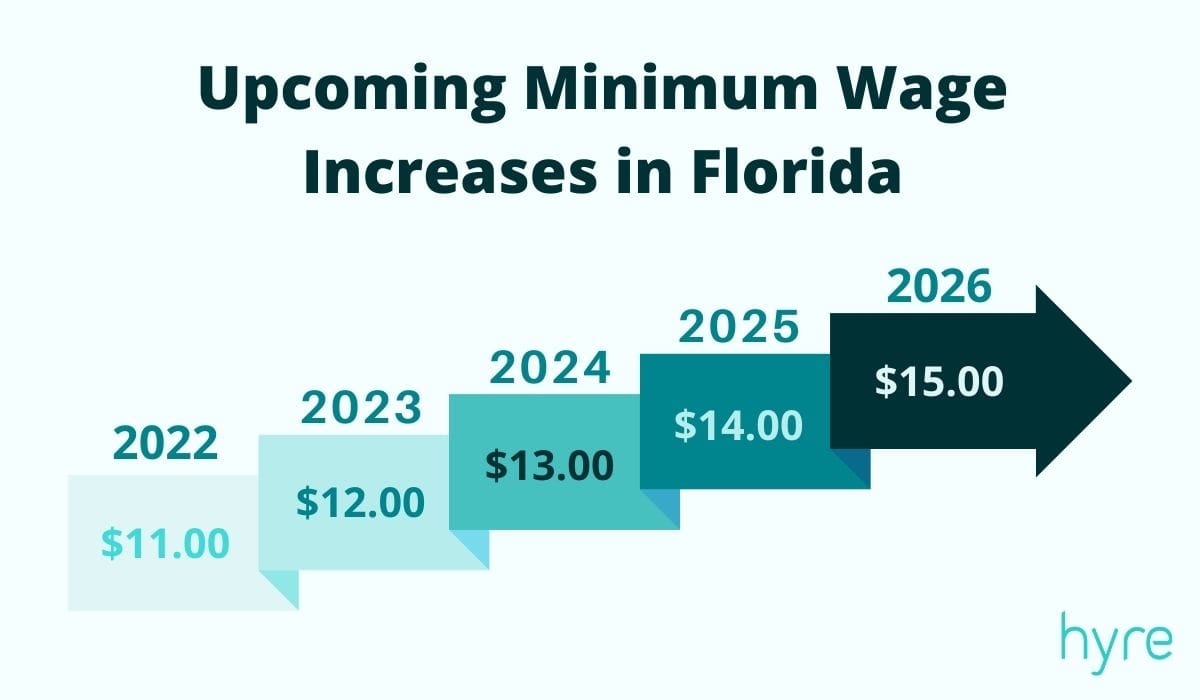
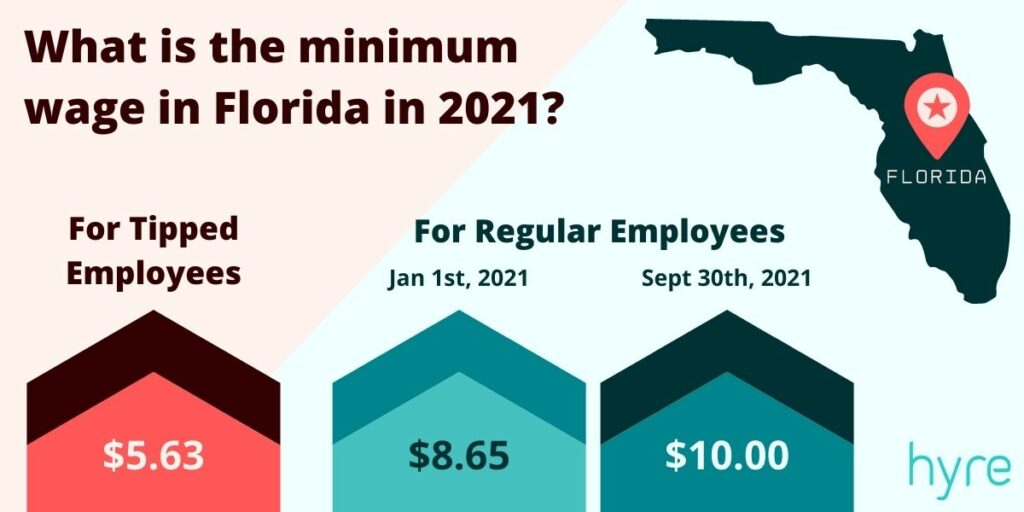
As of January 1, 2024, the minimum wage in Florida stands at $13.00 per hour for most employees. This figure represents a significant increase from previous years and is a result of a voter-approved amendment to the state constitution. For employees who are regularly tipped, the cash minimum wage is lower, set at $10.00 per hour, with the expectation that tips will bring their total earnings up to the standard minimum wage. If a tipped employee’s tips do not bring their total earnings to at least $13.00 per hour, the employer is legally obligated to make up the difference.
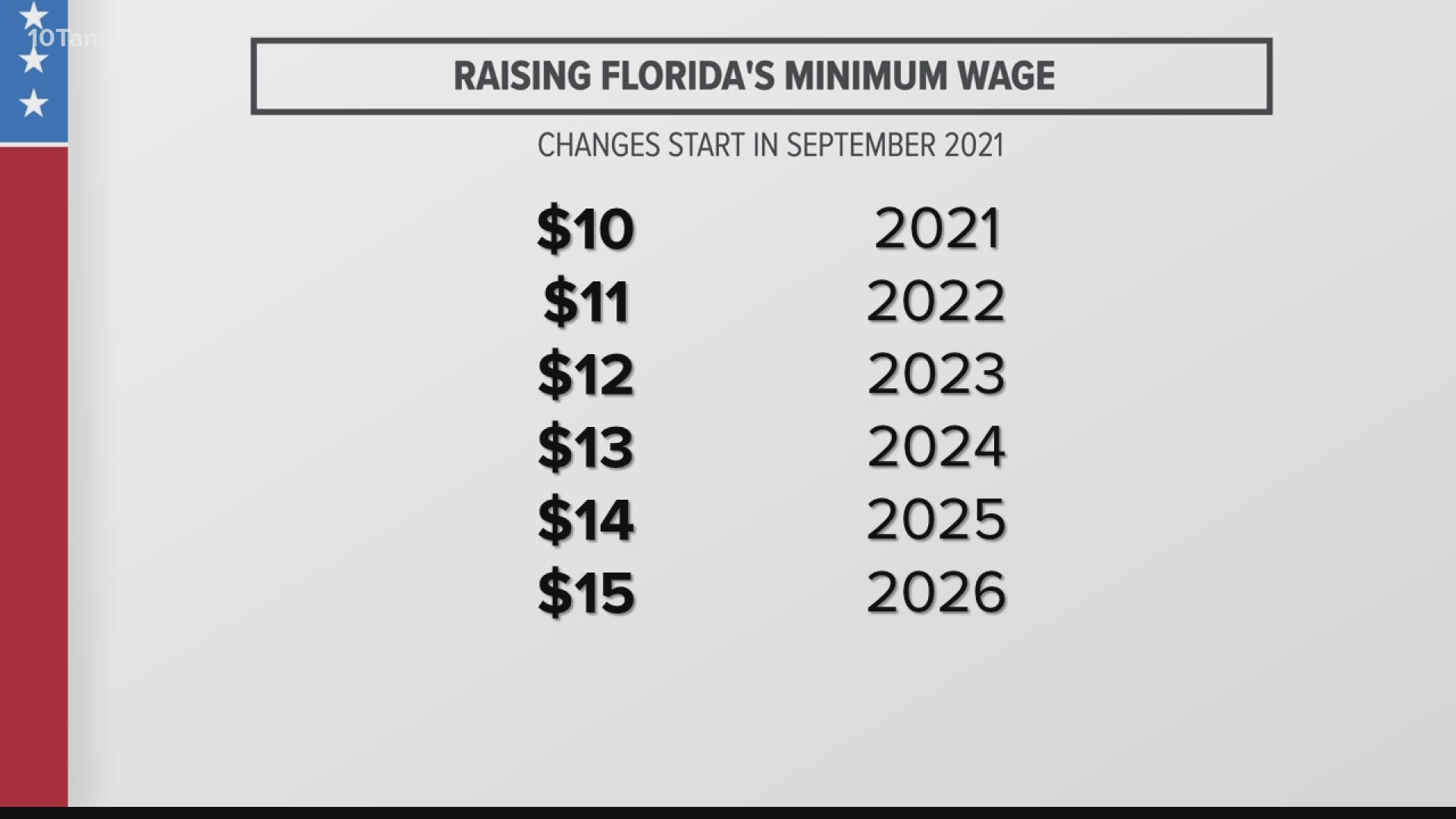
This phased approach to increasing the minimum wage was designed to allow businesses time to adjust their financial models. The amendment mandates annual increases of $1.00 per hour until the minimum wage reaches $15.00 per hour. Once that threshold is met, subsequent increases will be tied to inflation, measured by the Consumer Price Index (CPI). This progressive approach aims to provide a living wage for Florida’s workers while also safeguarding against economic shocks that could arise from sudden, substantial wage hikes.
The Impact of Ballot Initiatives on Wage Standards
The current minimum wage in Florida is not simply a legislative decision; it is a direct outcome of a powerful citizen-led initiative. In 2020, Florida voters overwhelmingly approved Amendment 2, which stipulated a gradual increase in the state’s minimum wage to $15 per hour by 2026. This was a landmark victory for labor advocates and low-wage workers, who had long campaigned for better compensation. The amendment acknowledged the rising cost of living in Florida and the need for workers to earn a wage that could support themselves and their families.
The amendment’s passage highlights a growing trend across the United States, where citizens are increasingly taking wage policy into their own hands through ballot measures when legislative action stalls. This empowers communities to shape their economic landscape and reflect their values regarding fair compensation. The ongoing annual increases are a testament to the enduring commitment to this principle, ensuring that Florida’s minimum wage continues to climb towards the $15 target, with a built-in mechanism for future adjustments based on economic indicators.
Factors Influencing Florida’s Minimum Wage
The determination of Florida’s minimum wage is influenced by a confluence of economic, social, and political factors. While the voter-approved amendment provides the primary framework, broader economic conditions and the specific characteristics of Florida’s economy play a crucial role.
Economic Considerations for Businesses and Employees
For businesses, particularly those in the labor-intensive tourism and hospitality sectors, minimum wage increases represent a direct rise in operating costs. Employers in industries that employ a significant number of minimum wage workers, such as hotels, restaurants, and attractions, must carefully manage their labor budgets. This can lead to various adjustments, including price increases for goods and services, efforts to improve worker productivity, or a reduction in staff hours. The goal for businesses is to absorb these costs without compromising the quality of service or their overall profitability.
On the other hand, for employees, a higher minimum wage translates directly into increased purchasing power. This can lead to improved living standards, reduced reliance on public assistance, and a greater ability to participate in the local economy. For families on tight budgets, even a modest increase in hourly earnings can make a significant difference in their ability to afford essentials like housing, food, and transportation. This boost in consumer spending can, in turn, stimulate economic activity within the state. The debate surrounding the minimum wage often centers on finding a balance between these competing economic interests.
The Role of Tourism and Hospitality in Florida’s Economy
Florida’s economy is heavily reliant on its vibrant tourism and hospitality sectors. Millions of visitors flock to the state each year to experience its diverse attractions, from the theme parks of Orlando to the beaches of the Florida Keys and the cultural offerings of Miami. These industries employ a substantial portion of the state’s workforce, many of whom earn wages at or near the minimum.
The strength of the tourism sector directly impacts the feasibility of minimum wage increases. A booming tourism season can provide businesses with the revenue needed to absorb higher labor costs. Conversely, economic downturns or disruptions, such as those experienced during global health crises, can put additional pressure on these businesses, making wage adjustments more challenging. The state’s ability to attract and retain talent in these critical sectors is also linked to wage levels. A competitive minimum wage can help ensure a steady supply of service workers, which is essential for maintaining the high standards expected by tourists. Destinations like Walt Disney World Resort and Universal Orlando Resort, major employers in the region, are keenly aware of the dynamics of the labor market and the impact of wage regulations on their operations and the broader economic health of Central Florida.
What the Minimum Wage Means for Lifestyle and Accommodation in Florida
The minimum wage in Florida has direct implications for the cost of living and the types of accommodation and lifestyle experiences available to its residents and visitors. For those planning a trip or considering a longer-term stay, understanding these economic realities is essential for effective budgeting and decision-making.
Budgeting for Travel and Experiences
For travelers on a budget, the minimum wage in Florida can influence the perceived affordability of a vacation. While the state offers a wide range of experiences, from luxurious resorts in Naples to budget-friendly motels in smaller towns, the earning potential of local service staff can indirectly affect pricing. As businesses adapt to higher wage mandates, some costs may be passed on to consumers. This means that while the core attractions might remain accessible, the overall cost of a trip, including accommodation, dining, and activities, could see incremental adjustments.
For instance, a family planning a trip to Tampa to visit the Florida Aquarium or explore Busch Gardens Tampa Bay will need to factor in current prices for tickets, food, and lodging. Understanding that the wages of those working at these establishments are also rising can provide context for these costs. Travelers looking for value might explore options like vacation apartments or consider visiting during the off-season to take advantage of lower rates. The lifestyle of Florida offers something for everyone, but a mindful approach to budgeting, informed by an understanding of the local economic landscape, will ensure a more enjoyable and sustainable experience.
Accommodation Choices and Long-Term Stays
The minimum wage also plays a role in the availability and pricing of accommodation, especially for those considering long-term stays or seeking more affordable options. In popular tourist destinations like South Beach or areas near major theme parks, the demand for accommodation is high, and wages for hotel staff contribute to the overall operational costs. As the minimum wage increases, we may see shifts in pricing structures for hotels, resorts, and even short-term rental properties.
For individuals or families looking to rent an apartment or secure long-term accommodation in cities like Jacksonville or Fort Lauderdale, the local minimum wage directly impacts their ability to afford housing. A higher minimum wage can empower more residents to access better living situations, while for visitors seeking extended stays, it might influence their choice of neighborhoods or the type of property they can comfortably afford. The diverse accommodation options in Florida, ranging from luxury villas in Palm Beach to budget-friendly suites, will continue to cater to a wide spectrum of financial capacities, but the baseline earning potential of the workforce will inevitably shape the market. Ultimately, the minimum wage in Florida is more than just an hourly rate; it’s a critical economic indicator that affects the daily lives of residents and the visitor experience across this diverse and dynamic state.
LifeOutOfTheBox is a participant in the Amazon Services LLC Associates Program, an affiliate advertising program designed to provide a means for sites to earn advertising fees by advertising and linking to Amazon.com. Amazon, the Amazon logo, AmazonSupply, and the AmazonSupply logo are trademarks of Amazon.com, Inc. or its affiliates. As an Amazon Associate we earn affiliate commissions from qualifying purchases.