
Yes, bats are very much an integral part of Florida’s diverse and vibrant ecosystem. While often associated with spooky folklore, these nocturnal creatures are incredibly vital to the Sunshine State’s ecological balance and offer a unique, often overlooked, aspect of its natural appeal for curious tourists. Far from being pests, bats are fascinating members of the local wildlife, contributing significantly to the health of the environment, including helping manage insect populations – a benefit often appreciated by visitors enjoying Florida’s outdoors. Understanding their presence, habits, and importance can enrich any tourist’s experience, transforming a simple vacation into an insightful journey into Florida’s hidden natural wonders. This guide will delve into the world of Florida’s bats, highlighting where to find them, how to observe them responsibly, and why they are so crucial to the state’s natural heritage.
The Bat Population of the Sunshine State
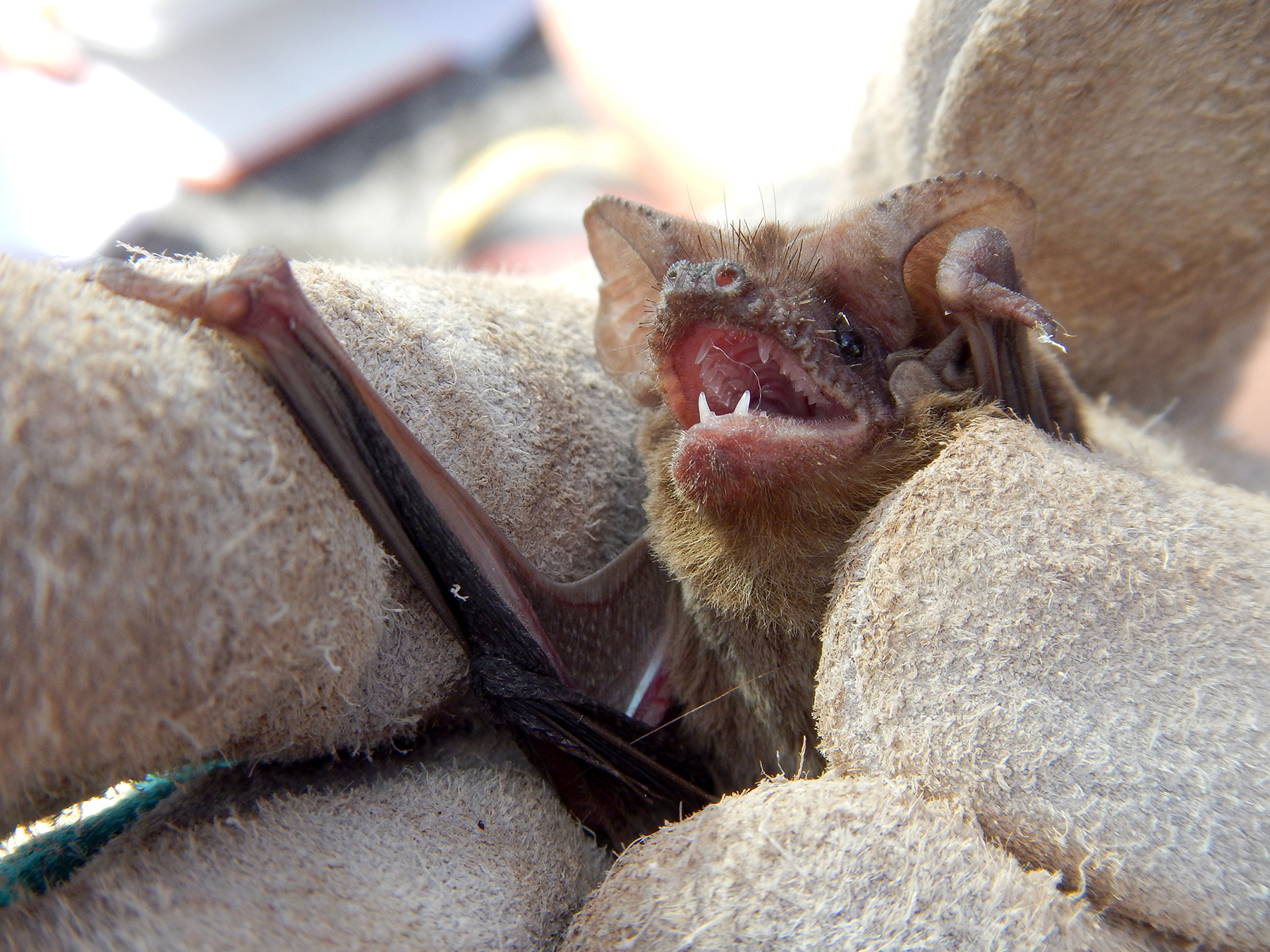
Florida’s warm climate and abundant natural resources create an ideal habitat for a variety of bat species, making the state a significant hub for these flying mammals in the United States. Their presence is a testament to the rich biodiversity that characterizes Florida, from its northern forests to its southern swamps and coastal regions.
A Diverse Array of Species
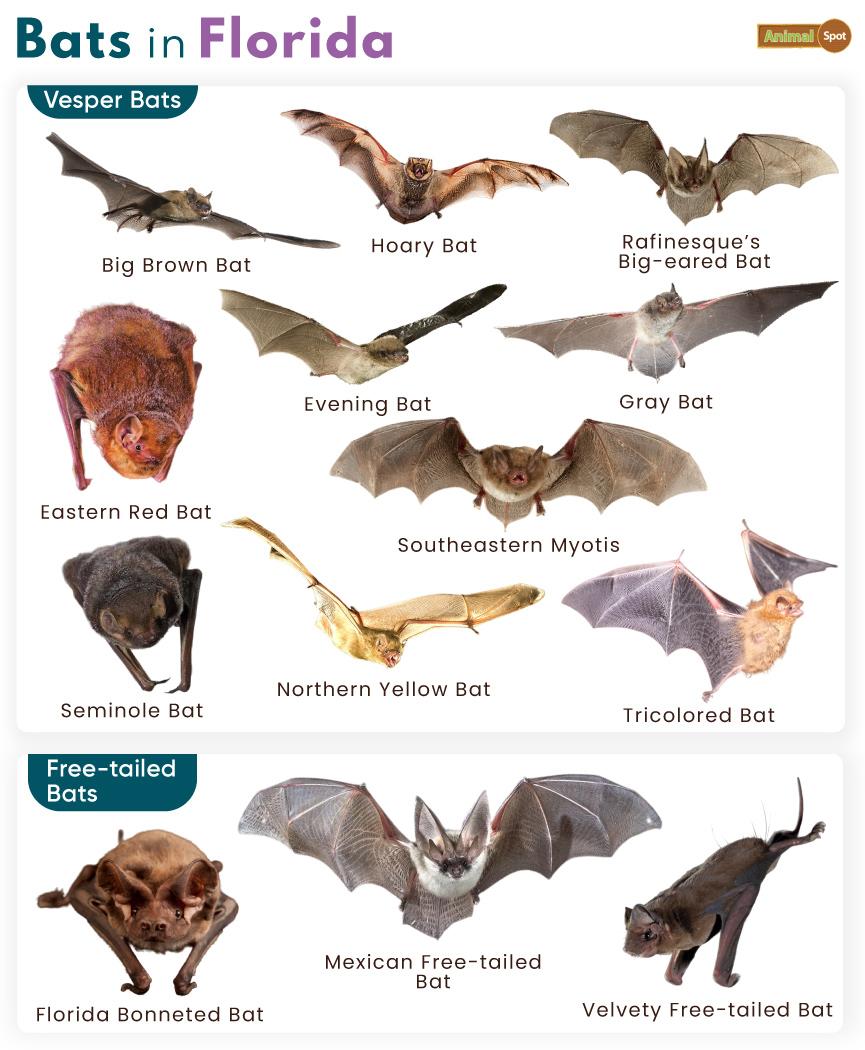
The state is home to a fascinating collection of bat species, each with unique characteristics and ecological roles. Among the most common and easily recognizable is the Brazilian Free-tailed Bat (Tadarida brasiliensis), famous for forming massive colonies, particularly in urban environments and under bridges. These agile fliers are primarily insectivores, consuming vast quantities of moths, beetles, and other flying insects. Other prominent species include the Evening Bat (Nycticeius humeralis), often found roosting in tree cavities and under bark, and the Southeastern Myotis (Myotis austroriparius), which prefers wetland areas and can sometimes be seen foraging over water bodies. The Big Brown Bat (Eptesicus fuscus) is also widespread, adapting well to both urban and rural settings. Less common but equally important species include the Florida Bonneted Bat (Eumops floridanus), an endangered species native only to South Florida, known for its large ears and high-pitched calls, and various tree-roosting bats like the Eastern Red Bat and Hoary Bat, which are solitary and blend seamlessly with foliage. Their varied presence underscores the ecological richness of Florida.
Where Bats Call Home
Bats in Florida are incredibly adaptable, making their homes in a diverse range of locations. Natural roosts include tree hollows, bark crevices, Spanish moss, and caves, though true caves are less common in Florida than in other states. However, humans have inadvertently provided numerous artificial roosts that bats readily utilize. Bridges, especially large highway overpasses, are favorite spots for species like the Brazilian Free-tailed Bat, offering protection and stable temperatures. Old buildings, abandoned structures, and even attics in houses can also become temporary or permanent homes for smaller colonies.
One of the most famous and accessible bat roosts in Florida, and indeed the world, can be found at the University of Florida in Gainesville. The university is home to two massive bat houses and a bat barn, which collectively house an estimated 500,000 to 750,000 bats, predominantly Brazilian Free-tailed Bats, but also Southeastern Myotis and Evening Bats. These structures were built to provide alternative housing after bats were displaced from their natural roosts and nearby stadiums, becoming an unintended tourist attraction. Other significant colonies can be found in various state parks and natural areas, such as Myakka River State Park near Sarasota, where visitors might spot bats in tree cavities or flying over the river at dusk.
Why Florida is a Bat Haven
Several factors contribute to Florida being an ideal environment for bats. Foremost among these is the state’s subtropical to tropical climate, which provides warm temperatures year-round, minimizing the need for extensive hibernation periods required in colder regions. This allows for longer foraging seasons and more consistent breeding cycles. Secondly, Florida boasts a staggering abundance and diversity of insects, particularly mosquitoes, moths, and beetles, which form the primary diet for most bat species. The state’s extensive wetlands, forests, and agricultural lands create perfect breeding grounds for these insects, ensuring a steady food supply for bats. Finally, Florida’s varied landscape, with its mix of urban development, protected natural areas, and numerous water bodies, offers a wide array of roosting and foraging habitats, accommodating the specific needs of different bat species. This combination of climate, food availability, and habitat diversity firmly establishes Florida as a crucial refuge for these invaluable creatures.
Bat Watching: An Unexpected Florida Activity
For tourists seeking unique wildlife experiences beyond the beaches and theme parks, bat watching in Florida offers a mesmerizing glimpse into the state’s nocturnal world. It’s a peaceful, awe-inspiring activity that connects visitors with nature in an unexpected way, perfect for those interested in local ecology and conservation.
Prime Bat-Viewing Locations
Without a doubt, the premier destination for bat watching in Florida is the University of Florida Bat Houses in Gainesville. Located off Museum Road, these structures offer an unparalleled spectacle as hundreds of thousands of bats emerge at dusk in a swirling, black cloud against the evening sky. It’s a truly breathtaking natural phenomenon that draws crowds nightly, resembling a living tornado of wings. The area around the bat houses is well-maintained, providing benches and clear viewing points for visitors.
While the Gainesville bat houses are the most famous, other locations across Florida offer opportunities for bat sightings, albeit on a smaller scale. Many state parks and nature preserves, particularly those with older forests or bodies of water, can be good spots to look for bats foraging at dusk. For instance, areas within Everglades National Park might reveal bats darting through the twilight, although specific roosts are not publicly advertised to protect the animals. Similarly, visitors in cities like Tampa, Orlando, and Miami who are near large bridges or waterfronts might catch glimpses of Brazilian Free-tailed Bats emerging from urban roosts. Asking local park rangers or naturalists at visitor centers can often yield information on less-known local bat-viewing opportunities.
The Best Time to Witness the Spectacle
Timing is crucial for successful bat watching. Bats are primarily nocturnal, meaning they are most active from dusk through the night. The ideal time to witness a bat emergence is just after sunset, as the last rays of daylight fade. The exact time will vary with the season and geographical location within Florida, but generally, a window of 15 to 30 minutes after official sunset is prime viewing time.
For the bat houses at the University of Florida, larger emergences often occur during warmer months (spring through early fall) when insects are most abundant. During cooler periods or after heavy rain, the bats may emerge later or in smaller numbers. It’s advisable to arrive at least 30 minutes before sunset to secure a good viewing spot and observe the pre-emergence activity and the changing colors of the sky. Consulting local weather forecasts is also wise, as high winds or heavy rain can deter bats from emerging, or at least delay their activity.
Responsible Bat Viewing Tips
To ensure a positive experience for both humans and bats, responsible viewing practices are essential. The golden rule is to observe from a distance and avoid any actions that might disturb the animals.
- Maintain Distance: Never attempt to approach, touch, or handle a bat. Wild animals, including bats, can carry diseases, and disturbing them can cause stress or provoke defensive behavior.
- Be Quiet: Keep noise levels to a minimum. Loud noises can startle bats, especially during their sensitive emergence period.
- No Flash Photography: Flash photography can disorient and distress bats. Use cameras without flash or rely on natural light for capturing memories.
- Respect Roosts: Do not attempt to enter or disturb known bat roosts, whether natural or artificial. Their homes are vital for their survival and often protected areas.
- Support Conservation: Consider donating to organizations that protect bats or participate in citizen science projects if available. By following these guidelines, tourists can enjoy the magnificent spectacle of bat emergences while contributing to their conservation and well-being.
Bats and Florida’s Ecosystem: More Than Just Wildlife
Beyond their captivating aerial displays, bats play a profoundly important, though often unseen, role in maintaining the health and balance of Florida’s ecosystems. For tourists, understanding this ecological significance adds a layer of appreciation for the state’s natural environment and the local efforts to preserve it.
Natural Pest Control
Perhaps the most significant contribution of bats, especially relevant to human comfort in Florida, is their role as natural pest controllers. The vast majority of Florida’s bat species are insectivores, consuming enormous quantities of insects nightly. A single bat can eat thousands of insects in an hour. When colonies number in the hundreds of thousands, as at the University of Florida, the cumulative effect is astounding. They are voracious predators of mosquitoes, moths, beetles, and other agricultural pests, significantly reducing the need for chemical pesticides. For tourists enjoying Florida’s outdoor activities, this natural pest control means fewer bug bites and a more pleasant experience, highlighting bats as unsung heroes of public health and agricultural success in the state. Their presence is a natural, sustainable solution to insect management.
Pollination and Seed Dispersal
While insectivorous bats are most common in Florida, some species, particularly further south in the tropical regions of the state, also contribute to pollination and seed dispersal. For example, the Florida Bonneted Bat, though primarily insectivorous, may visit flowers. Globally, fruit and nectar bats are crucial pollinators for many plants, including agave, bananas, and mangoes, and they disperse seeds, helping to regenerate forests. Although these roles are less prominent for most Florida bat species compared to their pest control duties, the principle demonstrates the broader ecological importance of bats worldwide and highlights the intricate web of life that tourists can observe and appreciate in Florida’s diverse habitats. They help ensure the genetic diversity and reproduction of various plant species, contributing to the “local culture” of the ecosystem itself.
Conservation Efforts in Florida
Recognizing their critical ecological value, significant efforts are underway in Florida to protect bat populations and their habitats. The Florida Fish and Wildlife Conservation Commission (FWC) is actively involved in bat conservation through research, habitat protection, and public education initiatives. They monitor bat populations, protect roosting sites, and work to raise awareness about the threats bats face, such as habitat loss, pesticide use, and white-nose syndrome, a fungal disease affecting bat populations in North America, though its impact in Florida is still being assessed.
Organizations like Bat Conservation International also work with local groups to promote bat-friendly practices and construct artificial bat houses, like those at the University of Florida, to provide alternative roosting sites. Tourists can contribute to these efforts by respecting bat habitats, reporting unusual bat behavior to FWC, and supporting conservation-focused tourism initiatives. Understanding and acknowledging these conservation efforts is part of appreciating Florida’s commitment to preserving its unique natural heritage for future generations.
Essential Tips for Tourists: Coexisting with Florida’s Bats
While bats are generally shy and pose minimal risk to humans, responsible behavior and awareness are key to ensuring a safe and respectful interaction for both tourists and wildlife. These tips are vital for anyone exploring Florida’s natural environments.
Understanding Bat Behavior
Bats are not aggressive and generally avoid human contact. Most species found in Florida are small, weighing only a few grams, and are designed for swift, agile flight, primarily to catch insects. They are experts at navigating in darkness using echolocation, emitting high-frequency sounds and interpreting the echoes to create a “sound map” of their surroundings. This means they are highly unlikely to fly into people. If a bat appears to be flying erratically or too close to humans, it is usually a sign of disorientation or injury, not aggression. Respecting their space and understanding their natural behavior reduces any potential for perceived conflict. Observing them quietly and from a distance allows tourists to appreciate their natural patterns without causing distress.
Health and Safety Precautions
The most common concern regarding bats is rabies. While a very small percentage of bats can carry the rabies virus, it’s crucial to understand that direct contact is almost always required for transmission. Bats are not natural vectors for spreading the virus widely among the general public. The key safety precaution for tourists is never to touch a bat. If you see a bat on the ground, flying erratically during the day, or appearing otherwise ill or injured, do not attempt to help it. Contact local animal control or the Florida Fish and Wildlife Conservation Commission (FWC) for assistance. They have trained personnel who can safely handle and assess the animal. As long as tourists maintain a respectful distance and avoid direct contact, the risk of rabies from bats in Florida is extremely low. Vaccinating pets against rabies is also a wise precaution for residents and long-term visitors.
Supporting Bat Conservation
Tourists can play an active role in supporting bat conservation during their visit to Florida. One simple way is by choosing to visit bat-friendly attractions like the University of Florida Bat Houses, which not only provide habitat but also educate the public on the importance of bats. Supporting local nature centers, state parks, and conservation organizations through donations or by purchasing their merchandise can also directly contribute to bat research and habitat preservation efforts. Additionally, tourists can spread awareness among their friends and family about the ecological benefits of bats, helping to dispel myths and reduce negative perceptions. Opting for eco-friendly tours and accommodations that prioritize sustainable practices also indirectly benefits bats by preserving their natural habitats and reducing environmental impact. By being mindful and engaged, tourists can leave a positive legacy, helping to ensure Florida’s bats continue to thrive for generations to come.
In conclusion, the answer to “Are there bats in Florida?” is a resounding yes, and their presence adds a fascinating, often overlooked, dimension to the state’s natural allure. From the massive emergences at the University of Florida to their silent work as natural pest controllers, bats are a vital and captivating part of the local environment. For tourists, understanding and appreciating these nocturnal wonders offers a unique opportunity to connect with Florida’s wild side, enriching their travel experience beyond the conventional attractions. By observing them responsibly and supporting conservation efforts, visitors can contribute to the preservation of these essential creatures, ensuring that the spectacle of Florida’s flying wonders continues for all to enjoy.
LifeOutOfTheBox is a participant in the Amazon Services LLC Associates Program, an affiliate advertising program designed to provide a means for sites to earn advertising fees by advertising and linking to Amazon.com. Amazon, the Amazon logo, AmazonSupply, and the AmazonSupply logo are trademarks of Amazon.com, Inc. or its affiliates. As an Amazon Associate we earn affiliate commissions from qualifying purchases.