
Navigating the various terminology of the hospitality industry can often feel like learning a second language. When booking a room at a luxury resort or a boutique property, one of the most common terms guests encounter is “Half Board.” While it may seem straightforward, the nuances of what this meal plan entails—and how it differs from other options—can significantly impact both your budget and your overall guest experience. Understanding the mechanics of Half Board is essential for any traveler looking to balance convenience with the freedom to explore local culinary landscapes.
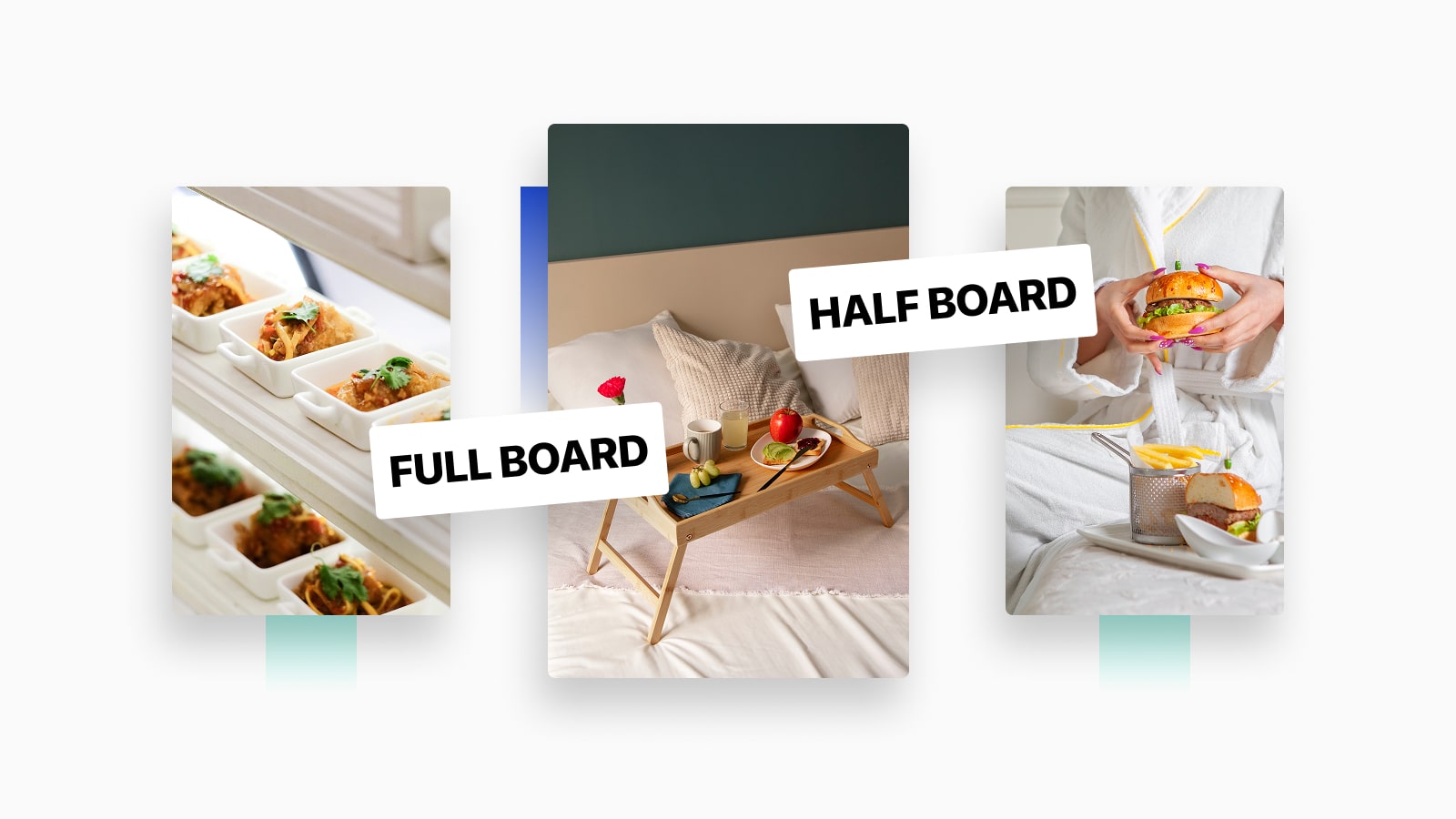
Understanding the Half Board Concept in Modern Hospitality
In the context of the global hotel industry, Half Board (often abbreviated as HB) is a specific type of meal plan that includes two primary meals within the daily room rate. Typically, these two meals are breakfast and dinner. This arrangement is designed to provide guests with the security of having their main meals covered while leaving the middle of the day open for excursions, business meetings, or simply relaxing without being tethered to the hotel’s dining room.
The Standard Inclusion: Breakfast and Dinner
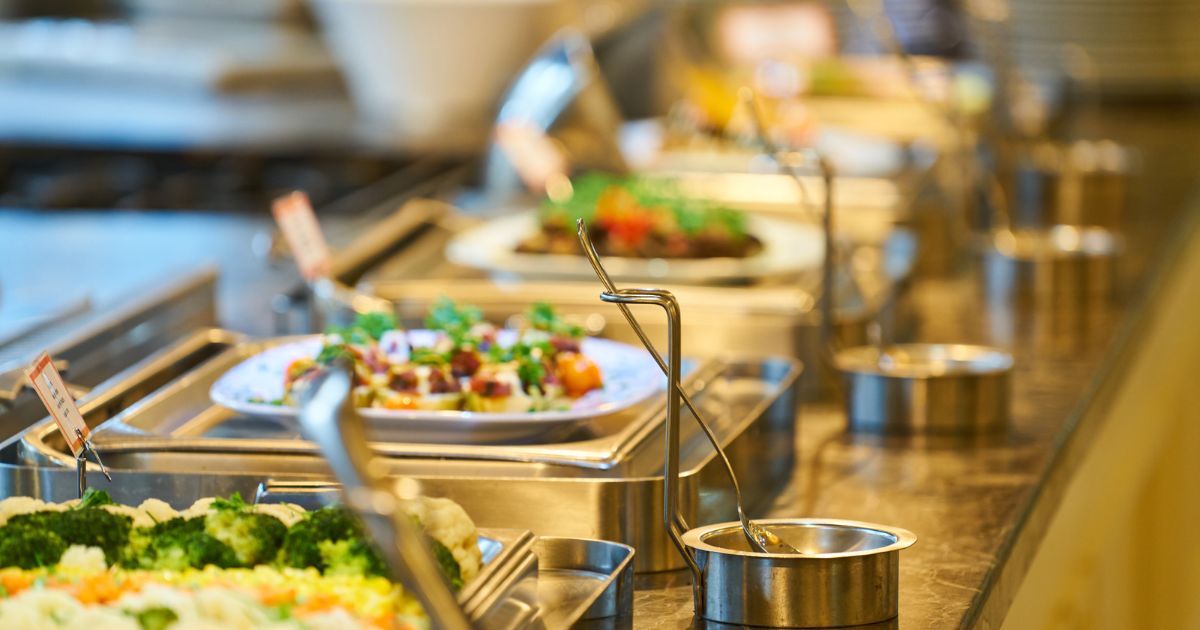
For the vast majority of hotels in Europe, the Middle East, and Asia, Half Board strictly covers the morning meal and the evening meal. Breakfast is usually served in a buffet style, offering a range of continental and hot options. At a high-end establishment like the Hilton or the Marriott, this might include live cooking stations for omelets and pancakes.
Dinner, on the other hand, can vary between a comprehensive buffet and a multi-course set menu. In many Mediterranean resorts throughout Spain and Greece, dinner is a grand affair featuring local specialties. It is important to note that while the food is included, “Half Board” almost never includes beverages during the evening meal. Guests should expect to pay extra for bottled water, soft drinks, or wine.
The Flexibility Factor
One of the reasons Half Board remains a popular choice at resorts in the Algarve or the Costa del Sol is the flexibility it offers. Unlike “Full Board,” which requires guests to return to the hotel for lunch, Half Board assumes that the guest will be “out and about” during the day. This is particularly beneficial for those visiting cities like London or Paris, where the midday meal is often enjoyed at a local café or while visiting attractions like the Louvre Museum.
What is Excluded?
To avoid surprises at checkout, guests must understand the exclusions. Beyond the aforementioned drinks, snacks between meals are not included. If you order a club sandwich by the pool at the Four Seasons in Dubai, this will be billed as an incidental charge to your room. Additionally, some “premium” items on a dinner menu—such as lobster or high-end steaks—may carry a supplemental fee even under a Half Board agreement.
Comparing Half Board with Other Hotel Meal Plans
To truly grasp the value of Half Board, it helps to view it in the context of other standard industry offerings. Hotels categorize these plans to cater to different demographics, from the budget-conscious backpacker to the luxury-seeking vacationer.
Half Board vs. Full Board
The distinction between Half Board and Full Board is simply the inclusion of lunch. Full Board provides breakfast, lunch, and dinner. While this might seem like a better deal, it can often be restrictive. For example, if you are staying at a resort in Turkey, having Full Board means you must be back on the property by 1:00 PM to eat. Half Board allows you to spend the entire day at Cappadocia or exploring the ruins of Ephesus without feeling like you are “wasting” a meal you have already paid for.
Half Board vs. All-Inclusive
The “All-Inclusive” model, popularized by resorts in the Caribbean and the Maldives, takes things a step further by including all meals, snacks, and alcoholic/non-alcoholic beverages. Half Board is significantly more affordable than All-Inclusive. It is the preferred choice for those who enjoy a glass of local wine at a tavern in Italy rather than being limited to the “house” spirits provided by an all-inclusive bar.
Half Board vs. Bed and Breakfast
Bed and Breakfast (B&B) is the most common hotel plan, including only the morning meal. Choosing Half Board over B&B is often a strategic financial decision. In expensive destinations like Switzerland or Norway, the cost of a standalone dinner at a restaurant can be staggering. By opting for Half Board at your hotel, you often lock in a dinner price that is significantly lower than the “a la carte” prices found in the city.
The Benefits of Choosing Half Board for Your Stay
Selecting the right meal plan can define the rhythm of your trip. Half Board offers a unique set of advantages that cater to specific types of travelers.
Cost-Effectiveness and Budgeting
One of the primary drivers for choosing Half Board is budget control. When you book a room at a resort like Atlantis The Palm on a Half Board basis, you know exactly what your major food expenses will be before you even leave home. This “pre-paid” aspect of dining allows travelers to allocate their remaining daily budget toward experiences, such as a boat tour in Venice or a guided hike in the Swiss Alps.
Freedom to Explore Local Gastronomy
While having dinner secured is a relief, the absence of a pre-paid lunch encourages guests to step outside the hotel walls. This is where the magic of travel often happens. It allows you to find a hidden gem in Rome for a quick pasta dish or a street food vendor in Bangkok. Half Board provides a safety net for your main meal while ensuring you don’t miss out on the local culture that can only be found in community eateries.
Convenience for Families and Business Travelers
For families traveling with children, dinner can be a stressful time. Finding a restaurant that accommodates picky eaters and provides high chairs in a foreign city like Tokyo can be daunting. Half Board at a family-friendly hotel like the Disney Ambassador Hotel ensures that a diverse buffet is just an elevator ride away. Similarly, for business travelers in Frankfurt or New York City, Half Board provides a convenient way to eat after a long day of meetings without having to search for a place to dine solo.
Maximizing Your Experience with Half Board Amenities
To get the most out of a Half Board stay, guests should be aware of how hotel dining rooms operate. The experience can range from casual to high-end, depending on the hotel’s brand and location.
Buffet vs. A La Carte Dining
Many large-scale resorts, such as those found in Sharm El Sheikh, utilize buffets for Half Board guests. This is excellent for variety and speed. However, boutique hotels in France or Portugal may offer a “Table d’Hôte” or a set three-course menu. When booking, it is worth checking the hotel’s website or reviews to see which style they favor. If you are staying at a luxury property like the Ritz-Carlton, even the Half Board menu is likely to be an exquisite, curated experience.
Timing and Reservations
Hotel dining rooms have specific hours. Breakfast might run from 7:00 AM to 10:30 AM, while dinner usually starts at 6:30 PM or 7:00 PM. In some cultures, like in Argentina, dinner may not start until 9:00 PM. It is also common for popular resorts to require dinner reservations even for Half Board guests to manage the flow of the kitchen. Always check with the concierge upon arrival at your hotel in Barcelona or Sydney to ensure you have a table.
Handling Dietary Restrictions
Modern hotels are increasingly adept at handling dietary needs. Whether you are vegan, gluten-free, or have specific allergies, most Half Board kitchens—especially in major chains like Hyatt—are prepared to accommodate you. It is best practice to notify the hotel in advance of your arrival, particularly if you are staying in a more remote location like a lodge in Iceland.
Regional Variations: Half Board Around the World
The “Half Board” experience is not a monolith; it adapts to the customs and culinary styles of the region.
European Mediterranean Resorts
In places like Croatia and Malta, Half Board is the standard for summer holidays. Here, the focus is often on fresh seafood, olives, and Mediterranean vegetables. The buffet style is dominant, allowing guests to sample a wide array of regional dishes in one sitting.
Middle Eastern Luxury Hotels
In the United Arab Emirates or Qatar, Half Board often takes on a more opulent form. Hotels in the Dubai Marina area frequently offer “dine-around” Half Board options. This allows guests to use their Half Board credit at several different themed restaurants within the hotel complex, rather than being restricted to a single main dining room.

Tropical Escapes in Southeast Asia
In Thailand or Bali, Half Board might include a mix of traditional Asian flavors and Western favorites. At a resort in Phuket, breakfast might include exotic fruits and noodle soups, while dinner could be a beachfront BBQ. Because local food is so affordable in these regions, many travelers weigh the cost of Half Board against the vibrant and cheap street food scenes in cities like Bangkok.
In conclusion, Half Board is a versatile and often economical choice for many hotel guests. It provides the perfect middle ground between the total seclusion of an all-inclusive stay and the potential logistical stress of finding every single meal on your own. By understanding what is included, budgeting for extras like drinks, and choosing the right destination for this plan, you can ensure a seamless and delicious hospitality experience. Whether you are staying at a grand hotel in Vienna or a sun-drenched resort in the Maldives, Half Board remains a cornerstone of the modern travel experience.
LifeOutOfTheBox is a participant in the Amazon Services LLC Associates Program, an affiliate advertising program designed to provide a means for sites to earn advertising fees by advertising and linking to Amazon.com. Amazon, the Amazon logo, AmazonSupply, and the AmazonSupply logo are trademarks of Amazon.com, Inc. or its affiliates. As an Amazon Associate we earn affiliate commissions from qualifying purchases.