
Florida, often referred to as the Sunshine State, is a beacon for those seeking a vibrant lifestyle, whether as a permanent resident or a frequent visitor. Its diverse landscapes, from pristine beaches to bustling metropolitan areas, offer an unparalleled quality of life and an abundance of recreational opportunities. To fully immerse oneself in the unique Florida experience, navigating the state’s licensing requirements is a crucial step. Far from being mere bureaucratic hurdles, these licenses ensure safety, regulate activities, and maintain the integrity of Florida’s cherished natural resources and communities.
This guide delves into the essential licenses commonly sought by individuals looking to embrace the Florida lifestyle, from getting around the state to enjoying its world-renowned outdoor activities. Understanding these processes is key to a smooth transition and an enriching experience in this dynamic state. We’ll explore the various types of licenses, outline the necessary steps, and provide insights into making your application process as seamless as possible. Whether you’re relocating to Miami, retiring to Naples, or simply looking to enjoy the waters around Orlando, securing the right licenses is your gateway to a fulfilling Florida life.
Navigating the Florida Driver’s License Process
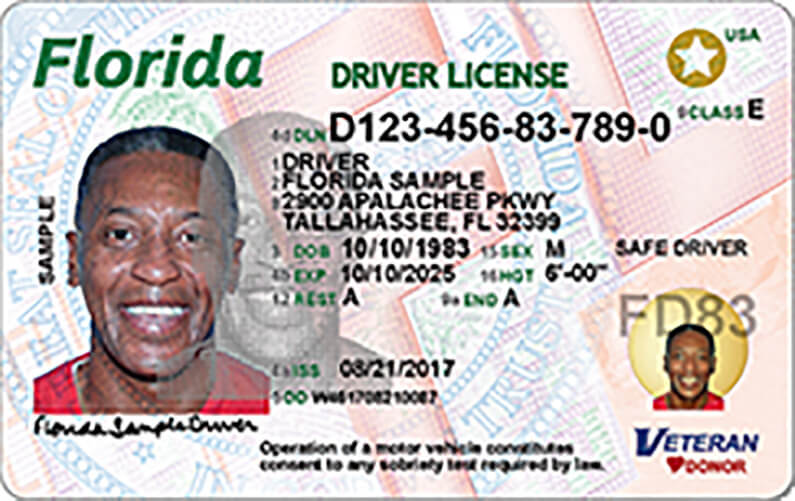
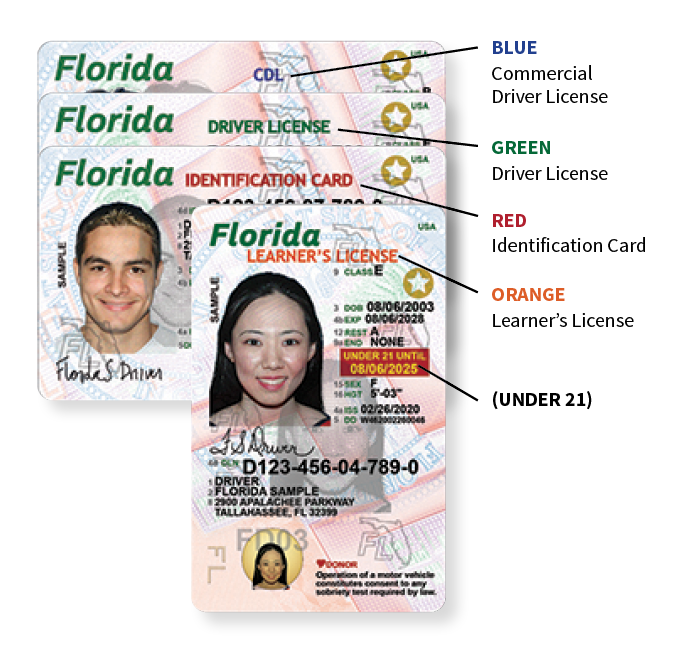
For anyone planning to live, work, or even extensively travel within Florida, a valid driver’s license is indispensable. The Florida Department of Highway Safety and Motor Vehicles (FLHSMV) is the primary agency responsible for issuing driver’s licenses and identification cards. The process varies slightly depending on whether you’re a new resident transferring an out-of-state license or a first-time driver.
For New Residents Transferring an Out-of-State License
If you’ve recently moved to Florida and hold a valid driver’s license from another U.S. state, U.S. territory, or a Canadian province, the process of obtaining a Florida license is generally straightforward. You are required to obtain a Florida driver’s license within 30 days of becoming a resident.
The key steps involve visiting a local DMV or Tax Collector’s Office that offers driver’s license services. You will need to surrender your out-of-state license, pass a vision and hearing test, and provide comprehensive documentation. In most cases, the written and driving skills tests are waived, provided your current license is valid and unexpired.
For First-Time Drivers
For individuals who have never held a driver’s license in any state or country, the path to obtaining a Florida driver’s license involves a few additional requirements designed to ensure road safety.
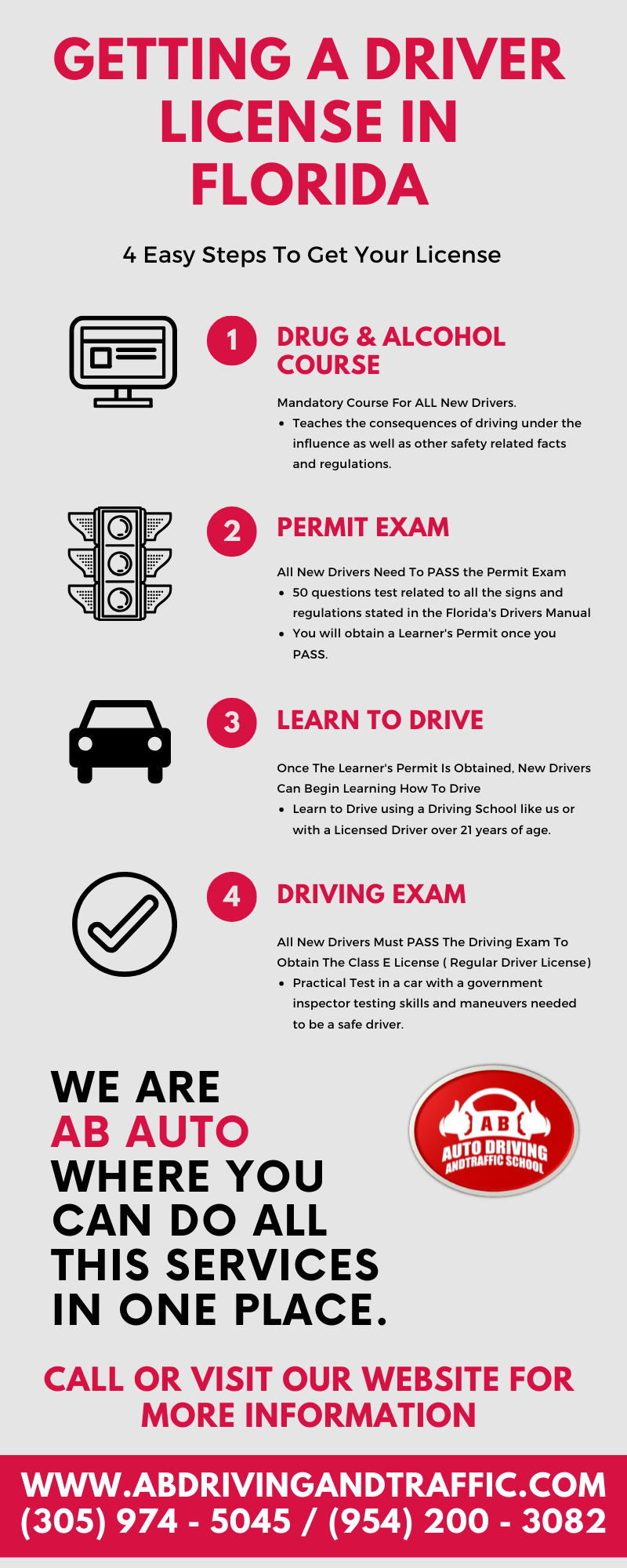
First, you must complete a Traffic Law and Substance Abuse Education (TLSAE) course. This 4-hour course covers essential traffic laws, the dangers of driving under the influence, and safe driving practices. Upon completion, you can apply for a Learner’s Permit. To obtain a Learner’s Permit, applicants must be at least 15 years old, pass a vision and hearing test, and successfully complete the Class E Knowledge Exam (written test).
With a Learner’s Permit, you can drive only under specific conditions, typically accompanied by a licensed driver who is at least 21 years old and occupies the front passenger seat. After holding the Learner’s Permit for a minimum of 12 months, or until turning 18 (whichever comes first), and having accumulated 50 hours of supervised driving experience (including 10 hours at night), you become eligible to take the Class E Driving Skills Test. Passing this test is the final step to receiving your full Florida Driver’s License.
Required Documentation for All Applicants
Regardless of your driver status, all applicants must present specific documents to prove their identity, social security number, and residential address. It is crucial to gather these documents beforehand to avoid multiple trips. Typically, you will need:
- Proof of Identity: One primary document (e.g., U.S. birth certificate, valid U.S. passport, Certificate of Naturalization).
- Proof of Social Security Number: Original social security card or a W-2 form, pay stub, or 1099 form showing your full Social Security Number.
- Proof of Residential Address: Two different documents showing your Florida residential address (e.g., utility bill, lease agreement, car registration, bank statement).
It is always advisable to check the official FLHSMV website for the most current and comprehensive list of acceptable documents, as requirements can change.
The Application Process
To begin, consider scheduling an appointment online through the FLHSMV website for your local DMV or Tax Collector’s Office. This can significantly reduce wait times. Upon arrival, you’ll complete an application form, present your documents, undergo the necessary tests, and have your photo taken. Fees for the license vary, so be prepared to pay at the time of application. Once approved, you will typically receive a temporary license, with the permanent card mailed to your residential address.
Embracing Florida’s Waters: Boating and Fishing Licenses
Florida’s extensive coastlines, numerous lakes, and intricate river systems make it a paradise for water enthusiasts. Boating and fishing are integral parts of the Florida lifestyle, offering relaxation, adventure, and the chance to connect with nature. To safely and legally enjoy these activities, specific licenses and permits are required, overseen by the Florida Fish and Wildlife Conservation Commission (FWC).
Florida Boating Safety Education Identification Card
Operating a motorized vessel in Florida comes with responsibilities. A Florida Boating Safety Education Identification Card (often referred to as a boating license) is mandatory for anyone born on or after January 1, 1988, who wishes to operate a motorized vessel of 10 horsepower or more.
Obtaining this card involves completing an approved boating safety course. These courses are designed to educate boaters on navigation rules, safety equipment requirements, emergency procedures, and environmental stewardship. They can be taken online through various approved providers or in person at designated locations. Upon successful completion of the course and passing an exam, you will receive a Boating Safety Education ID Card. This card is valid for life and does not need to be renewed. Even if you are exempt from the mandatory requirement, taking a boating safety course is highly recommended for all operators to ensure a safe and enjoyable experience on the water.
Florida Fishing Licenses
Whether you prefer the tranquility of freshwater fishing in the state’s myriad lakes and rivers or the thrill of saltwater angling in the Gulf or Atlantic, a valid fishing license is generally required for anyone age 16 or older. The FWC manages these licenses, ensuring sustainable fishing practices.
Who Needs It:
- Residents and Non-Residents: Most individuals, both residents and visitors, aged 16 or older, need a license to fish in Florida.
- Freshwater vs. Saltwater: Separate licenses are available for freshwater and saltwater fishing, or you can purchase a combination license.
Exemptions: There are certain exemptions, such as fishing from a for-hire vessel that has a valid charter license, fishing from a licensed pier, or individuals fishing in their county of residence using traditional methods (e.g., cane pole) for non-commercial purposes. Additionally, Florida often hosts “free fishing days” where the license requirement is temporarily waived.
How to Purchase: Fishing licenses are easy to obtain. You can purchase them online through the FWC website, by phone, or in person at various local retail agents such as bait and tackle shops, sporting goods stores, and county tax collector’s offices. Various license options are available, including annual, 5-year, and combination licenses, allowing you to choose what best fits your needs. Always carry your license with you while fishing and be aware of bag limits, size restrictions, and closed seasons for specific species, which are vital for conservation.
Other Key Licenses and Permits for a Thriving Florida Lifestyle
Beyond driving and water-based recreation, Florida offers a wealth of activities and professional opportunities that may require additional licensing. These licenses contribute to maintaining safety, order, and professionalism across various aspects of the Florida lifestyle.
Hunting Licenses
For those who embrace the outdoors and enjoy hunting, Florida provides ample opportunities, managed by the FWC. Similar to fishing, a hunting license is required for residents and non-residents engaging in hunting activities. Before obtaining a hunting license, most individuals must first complete an approved hunter safety course, demonstrating knowledge of firearm safety, wildlife conservation, and ethical hunting practices. Specific permits are often needed for different types of game, such as deer, turkey, or migratory birds. Adhering to season dates, bag limits, and legal hunting methods is strictly enforced to ensure wildlife populations remain healthy and diverse.
Concealed Weapon License
For some residents, the ability to carry a concealed weapon is a significant aspect of their lifestyle. Florida is a “shall-issue” state, meaning that if an applicant meets the specified requirements, a Concealed Weapon or Firearm License (CWFL) must be issued. The Florida Department of Agriculture and Consumer Services (FDACS) is responsible for processing these applications. Eligibility criteria include age (21 or older), residency, and demonstrating competency with a firearm through a certified training course. The application process involves submitting fingerprints, a background check, and proof of training. It is crucial for CWFL holders to thoroughly understand and comply with all state and federal laws regarding concealed carry, including restricted locations and proper conduct.
Occupational and Professional Licenses
Florida’s thriving economy supports a wide array of professions, many of which require state-issued licenses to ensure public safety and service quality. If your lifestyle in Florida involves practicing a specific trade or profession, you’ll likely need to obtain the relevant occupational license. Examples include real estate agents, healthcare professionals, cosmetologists, contractors, electricians, and many more.
These licenses are typically administered by specific state boards or commissions under the umbrella of the Florida Department of Business and Professional Regulation (DBPR). Requirements often include specific education, examinations, experience, and sometimes background checks. If you plan to work in Florida, it is imperative to research the licensing requirements for your particular profession well in advance, as the process can be detailed and time-consuming. Adhering to these professional standards is not just a legal obligation but also a commitment to the quality of life for all Florida residents.
Essential Tips for a Smooth Application Process
Obtaining any license can sometimes feel daunting, but with proper preparation and attention to detail, the process can be remarkably smooth. Here are some indispensable tips to help you navigate Florida‘s licensing requirements with ease.
Gather Documents Proactively
The single most common reason for delays in license applications is incomplete or incorrect documentation. Before visiting any office or submitting an online application, meticulously review the specific requirements for the license you seek. Create a checklist and ensure you have all original documents (where required) and necessary copies. For identity and residency proofs, ensure they are current and match your legal name. Having everything in order significantly speeds up the process.
Schedule Appointments When Possible
Many Florida state offices, including those for driver’s licenses and vehicle registrations, offer online appointment scheduling. Taking advantage of this service can save you hours of waiting time. Check the official website of the relevant agency (FLHSMV, FWC, or FDACS) to see if appointments are available and book your slot well in advance, especially during peak seasons.
Verify Information from Official Sources
Licensing requirements and regulations can change. It is crucial to always refer to the official websites of the governing state agencies for the most up-to-date and accurate information. Avoid relying solely on third-party websites or anecdotal advice, which may be outdated or incorrect. Official sources will provide precise details on required documents, fees, eligibility criteria, and application procedures.
Understand Associated Fees
Most licenses in Florida come with associated application or renewal fees. Be prepared to pay these fees at the time of application. Check the specific costs beforehand so you can bring the appropriate payment method (credit/debit card, check, or cash, depending on the office). Some offices may have restrictions on cash payments for larger amounts.
Plan Ahead
Especially for new residents, the process of obtaining various licenses can take time. From completing safety courses to waiting for background checks, some steps have inherent processing periods. Plan to begin your license applications well before you absolutely need them. This proactive approach will help you avoid any last-minute stress or legal complications, allowing you to fully enjoy your Florida lifestyle from day one.
In conclusion, securing the necessary licenses is an essential part of settling into and thriving in Florida. Whether it’s the freedom of driving on scenic routes, the joy of fishing in abundant waters, or the pursuit of a rewarding career, each license serves as a key to unlock a fuller Florida experience. By approaching the process systematically and informed, you can quickly move past the administrative steps and dive into everything the Sunshine State has to offer.
LifeOutOfTheBox is a participant in the Amazon Services LLC Associates Program, an affiliate advertising program designed to provide a means for sites to earn advertising fees by advertising and linking to Amazon.com. Amazon, the Amazon logo, AmazonSupply, and the AmazonSupply logo are trademarks of Amazon.com, Inc. or its affiliates. As an Amazon Associate we earn affiliate commissions from qualifying purchases.