
For anyone contemplating a journey to the rugged and picturesque landscapes of Maine, a question that often surfaces, particularly for those envisioning an immersive wilderness experience, is: “Are there bears in Maine?” The unequivocal answer is yes, Maine is home to a robust and thriving population of black bears. Far from being a deterrent, the presence of these magnificent creatures is, for many, an integral part of the allure of visiting the Pine Tree State, offering a glimpse into a truly wild natural environment unlike many other destinations in the United States.
Maine is renowned for its vast expanses of unspoiled wilderness, from dense forests and sparkling lakes to dramatic coastal cliffs. This rich biodiversity creates an ideal habitat for a diverse array of wildlife, with the American Black Bear (Ursus americanus) being one of its most iconic residents. For travelers seeking adventure, tranquility, or simply a deeper connection with nature, understanding the natural inhabitants of a destination like Maine is crucial for both safety and enjoyment. This article will delve into where these bears live, how to safely enjoy their habitat, and how their presence intertwines with Maine’s broader tourism and lifestyle offerings, making it an unforgettable destination for all types of travelers.
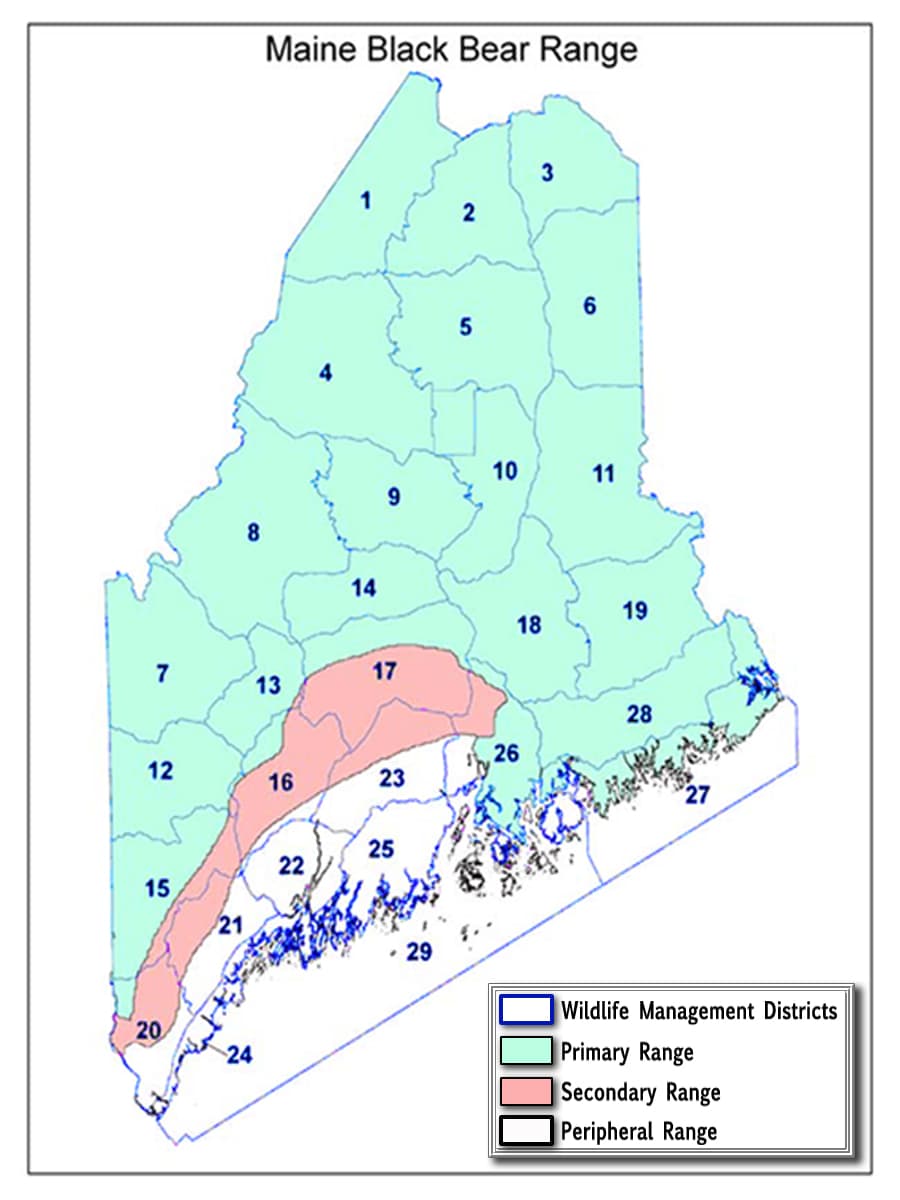
Maine’s Black Bear Population: A Natural Wonder
Maine boasts the largest population of black bears in the eastern United States, estimated to be around 30,000 individuals. This significant number underscores the state’s commitment to wildlife conservation and the health of its extensive forest ecosystems. The black bear is an omnivore, primarily feeding on berries, nuts, insects, and vegetation, though they are opportunistic and will consume almost anything readily available. They are generally shy and reclusive, preferring to avoid human contact. Their presence is a testament to Maine’s vast tracts of wilderness, providing essential habitat for these animals to thrive.
Where Do Maine’s Bears Live?
While black bears can be found throughout most of Maine’s forested areas, their highest concentrations are typically in the more remote, heavily wooded regions. These include the expansive forests of northern Maine, the vast Moosehead Lake region, and the wilderness surrounding Baxter State Park and the Hundred-Mile Wilderness section of the Appalachian Trail. Even popular tourist destinations like Acadia National Park on Mount Desert Island have small, resident bear populations, though sightings there are less common due to the park’s more concentrated human activity.
Bears favor areas with dense cover, abundant food sources, and access to water. Their range is extensive, encompassing deciduous and coniferous forests, swamps, and even the fringes of agricultural lands. Understanding their preferred habitats is crucial for travelers, especially those planning to engage in backcountry hiking, camping, or wildlife photography. Regions like Aroostook County, Piscataquis County, and Franklin County are prime examples of bear country, offering truly wild and undeveloped experiences for those seeking solitude and a genuine encounter with nature. Many smaller towns in these regions, like Greenville near Moosehead Lake or Millinocket near Baxter State Park, serve as gateways to these extensive wilderness areas.
Understanding Bear Behavior and Ecology
Black bears in Maine are largely crepuscular, meaning they are most active during dawn and dusk, though they can be seen at any time of day, particularly when food is abundant. They are excellent climbers, strong swimmers, and can run surprisingly fast. During late summer and fall, bears enter a phase called hyperphagia, where they eat excessively to build up fat reserves for winter hibernation. This is often when they are most active and visible, as they forage intensely for berries, acorns, and other food sources. For travelers visiting during these seasons, awareness of increased bear activity is particularly important.
Their dens are typically found in hollow trees, rock crevices, or brush piles, offering protection from the elements during their winter sleep, which can last from October to April. Female bears, or sows, typically give birth to cubs in the den during late winter. These family groups remain together for about a year and a half, with cubs learning essential survival skills from their mother. Respecting a bear’s space, especially a sow with cubs, is paramount for visitor safety and the well-being of the animals. Understanding these natural cycles and behaviors helps tourists appreciate the bears’ role in the ecosystem and encourages responsible interaction with the wilderness.
Bear Safety for Travelers and Locals
Encountering a bear in its natural habitat can be an exhilarating experience, but it’s crucial to prioritize safety. While black bears are generally not aggressive, they can become defensive if startled, habituated to human food, or if cubs are perceived to be in danger. Maine wildlife officials and park rangers consistently emphasize the importance of bear-aware practices for all visitors and residents.
Essential Tips for Bear Encounters
Should you encounter a bear while hiking or exploring, the primary rule is to remain calm. Do not run, as this might trigger a chase instinct. Instead, make yourself look as large as possible by raising your arms and speaking in a low, assertive voice. Slowly back away, giving the bear ample space to retreat. Avoid direct eye contact, which can be perceived as a challenge. If a bear approaches you, especially if it seems curious or habituated, continue to make noise and try to scare it away. If a bear makes contact, fight back aggressively using anything at your disposal. This differs from grizzly bear encounters, where playing dead is often advised. In the case of black bears, fighting back is the best defense.
Hiking in groups and making noise on trails can help prevent surprise encounters. Carrying bear spray is an option, but knowing how to use it correctly is vital. Always store it in an easily accessible place, not in your backpack. Understanding the distinction between defensive and predatory behavior is also helpful: defensive bears might make huffing sounds, swat the ground, or make bluff charges, while a predatory bear might stalk silently. However, such predatory behavior is extremely rare with black bears.
Preventing Bear Encounters: Food Storage and Awareness
The vast majority of human-bear conflicts stem from bears associating humans with food. When bears learn that human settlements, campgrounds, or picnic areas offer easy meals, they can become habituated, losing their natural fear of people. This often leads to bears being relocated or, in severe cases, euthanized, a tragic outcome for both humans and wildlife. To prevent this, strict food storage and waste management practices are essential.
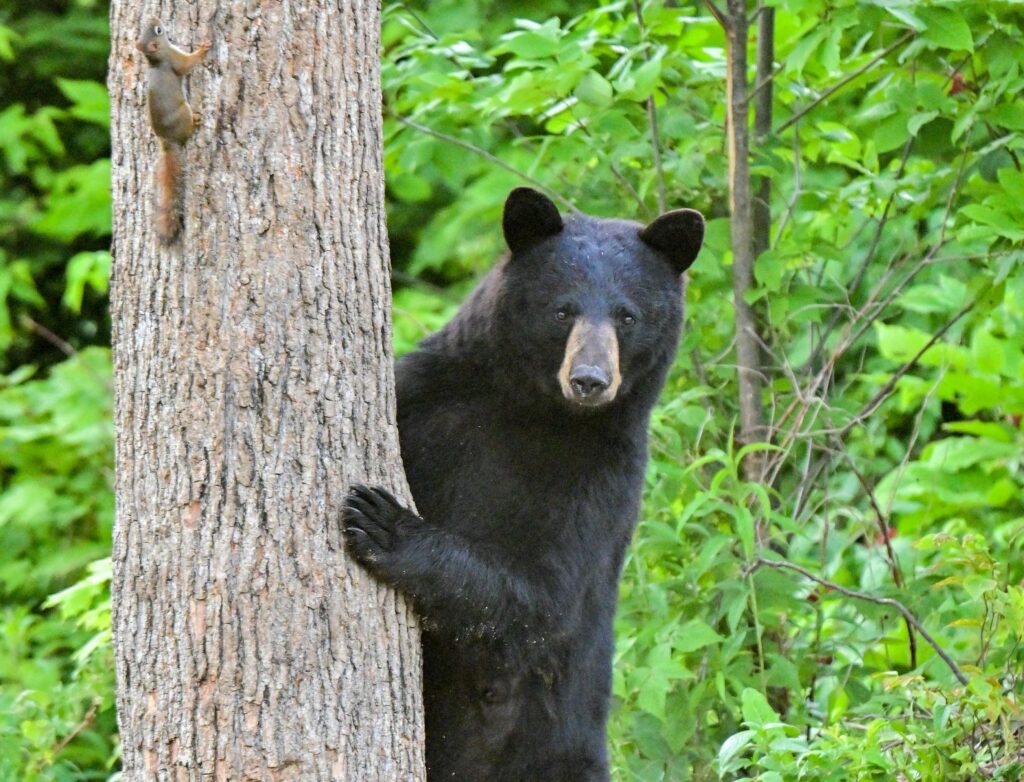
When camping, whether in designated areas like Blackwoods Campground or Seawall Campground in Acadia National Park, or in backcountry sites, all food, scented items (like toiletries), and trash should be stored in bear-resistant containers, hung from a tree using a bear bag system, or kept in a hard-sided vehicle. Never leave food unattended, even for a short time. Pack out all trash, and never bury it. At home, or in accommodations like cabins or vacation rentals, keep garbage secured and do not leave pet food outdoors. Bird feeders can also attract bears, so it’s advisable to take them down during periods of high bear activity, particularly in spring and fall. These simple precautions go a long way in maintaining the natural behavior of bears and ensuring a safe and harmonious experience for everyone in Maine’s beautiful wilderness.
Experiencing Maine’s Wilderness Beyond Bears
While the possibility of seeing a bear adds a thrill to any wilderness adventure, Maine’s natural beauty extends far beyond its ursine residents. The state offers an unparalleled array of outdoor activities and breathtaking landscapes that cater to all levels of adventurers, making it a premier travel destination.
Top Destinations for Wildlife Viewing and Outdoor Adventures
Maine’s extensive network of state parks, national parks, and public lands provides endless opportunities for exploration. Acadia National Park, located near Bar Harbor, is a jewel of the Atlantic coast, offering dramatic ocean vistas, scenic carriage roads perfect for biking, and challenging hiking trails like the Beehive Trail. While bear sightings are rare here, moose, deer, and diverse birdlife are common. For a truly wild experience, Baxter State Park, home to Mount Katahdin (the northern terminus of the Appalachian Trail), offers rugged hiking, primitive camping, and abundant wildlife, including moose, deer, and of course, black bears. The nearby Katahdin Woods and Waters National Monument offers additional backcountry opportunities for paddling, hiking, and wildlife observation.
The Moosehead Lake region is, as its name suggests, prime moose country, but also a significant bear habitat. Here, travelers can embark on guided moose safaris, kayak pristine waters, or hike parts of the Appalachian Trail. Other notable wilderness areas include the Rangeley Lakes Region with its picturesque lakes and mountains, and the Allagash Wilderness Waterway, a paddler’s paradise stretching over 90 miles. Grafton Notch State Park in Oxford County offers stunning waterfalls and deep gorges, perfect for day hikes. Even lesser-known areas like the Schoodic Peninsula, a quieter part of Acadia National Park, provide a serene escape and opportunities for coastal birdwatching.
Accommodations and Lifestyle in Bear Country
Maine offers a diverse range of accommodations to suit every traveler’s style and budget, from luxury resorts to rustic cabins, many of which are nestled within or on the fringes of bear habitats. For those seeking an upscale experience, properties like Cliff House Maine in Ogunquit or The White Barn Inn in Kennebunkport offer opulent stays with gourmet dining, though these are typically far from deep wilderness. In more rural settings, resorts like Samoset Resort in Rockland or Migis Lodge on Sebago Lake provide a blend of comfort and natural beauty, often with outdoor activities integrated into the stay.
For a true wilderness immersion, consider staying in a remote cabin, glamping tent, or a cozy inn near national parks. Options such as the Bohemian Black Bear Lodge near Moosehead Lake or Forest Haven Retreat near Baxter State Park offer rustic charm with modern amenities, allowing guests to feel connected to nature while still enjoying comfort. Many of these accommodations provide guidance on local wildlife, including bear safety, as part of their guest services. Even urban centers like Portland offer easy access to natural areas, with hotels like The Press Hotel or Portland Harbor Hotel serving as luxurious bases for day trips to coastal preserves or inland forests.
The lifestyle in Maine often revolves around outdoor pursuits, whether it’s hiking, fishing, kayaking, or simply enjoying the crisp, clean air. Many accommodations, like Acadia Shores Hotel or Pine Ridge Resort, cater to active travelers with amenities like gear rentals, guided tours, and even wildlife viewing platforms. Whether you’re a family seeking adventure, a couple on a romantic retreat, or a solo traveler looking for solitude, Maine offers a unique blend of rugged beauty and refined comfort, all under the watchful, albeit often unseen, presence of its black bear population.
Planning Your Maine Adventure: Beyond the Bears
While the wild appeal of bears is part of Maine travel, the state’s offerings extend to rich history, vibrant culture, and world-class cuisine. Combining wildlife awareness with an appreciation for all that Maine has to offer creates a truly comprehensive and memorable travel experience.
Iconic Landmarks and Attractions
Beyond its natural parks, Maine is dotted with iconic landmarks that tell tales of its maritime heritage and picturesque beauty. The Portland Head Light in Cape Elizabeth, near the vibrant city of Portland, is one of the most photographed lighthouses in the United States and offers stunning coastal views. In Portland itself, the historic Old Port district delights with cobblestone streets, unique boutiques, and seafood restaurants. Farther up the coast in Boothbay, the Coastal Maine Botanical Gardens showcase stunning horticultural displays, perfect for a leisurely stroll.
Other notable lighthouses like Pemaquid Point Light in Bristol and Bass Harbor Head Light in Tremont offer equally captivating views. For shoppers, Freeport is famous for its outlet stores and the flagship L.L.Bean Flagship Store, open 24/7. History buffs can explore the Wadsworth-Longfellow House in Portland or the maritime history at the Maine Maritime Museum in Bath. Even a visit to the quirky Desert of Maine in Freeport offers an unexpected geological wonder. From the charming streets of Kennebunkport to the scenic harbor of Camden, Maine offers a rich tapestry of experiences for every interest.
Culinary Delights and Local Culture
No trip to Maine would be complete without indulging in its renowned culinary scene. The state is synonymous with fresh seafood, especially its succulent Maine lobster. From casual lobster shacks like Lobster Shack at Two Lights in Cape Elizabeth to upscale dining experiences, lobster is a must-try. Beyond lobster, Maine is also famous for its wild blueberries, which find their way into pies, jams, and even craft beers. The burgeoning craft brewery scene, particularly in Portland and Bangor, offers a taste of local innovation.
Maine’s local culture is deeply rooted in its maritime history and independent spirit. Festivals celebrating everything from blueberries to seafood and even logging traditions take place throughout the year, offering a glimpse into the local way of life. Quaint coastal towns like Wiscasset and Stonington boast art galleries, antique shops, and local artisan crafts. For those interested in deeper cultural immersion, exploring the indigenous heritage of the Wabanaki tribes provides valuable insight into Maine’s earliest inhabitants. Whether you’re savoring a fresh lobster roll by the sea, exploring a historic fishing village, or hiking through a pristine forest, Maine promises a travel experience that engages all the senses and leaves a lasting impression.
In conclusion, yes, there are bears in Maine, and their presence is a powerful reminder of the state’s wild heart. For travelers, this means being prepared and respectful of nature. But it also means embracing the extraordinary opportunity to explore a destination where wilderness and wonder converge. From luxurious resorts to rugged camping, from bustling coastal towns to tranquil mountain retreats, Maine offers a diverse and enriching travel experience that goes far beyond just its bears, inviting visitors to discover its unique charm, breathtaking beauty, and authentic character.
LifeOutOfTheBox is a participant in the Amazon Services LLC Associates Program, an affiliate advertising program designed to provide a means for sites to earn advertising fees by advertising and linking to Amazon.com. Amazon, the Amazon logo, AmazonSupply, and the AmazonSupply logo are trademarks of Amazon.com, Inc. or its affiliates. As an Amazon Associate we earn affiliate commissions from qualifying purchases.