
New Hampshire, often affectionately known as the “Granite State,” is a captivating corner of New England in the United States that beckons travelers with its diverse landscapes, rich history, and vibrant communities. From the rugged peaks of the White Mountains to its scenic coastline along the Atlantic Ocean, and from bustling small cities to tranquil rural expanses, New Hampshire offers a distinct experience for every visitor. But what defines the character of this state, and how does its human footprint shape the travel experience? One fundamental aspect that underpins the state’s identity and profoundly influences its tourism landscape, local culture, and available accommodations is its population.

As of recent estimates (typically derived from the United States Census Bureau), the population of New Hampshire hovers around 1.39 million residents. While this figure places it among the less populous states in the nation, especially when compared to its southern neighbor, Massachusetts, it’s a number that carries significant weight in understanding the state’s unique appeal. This relatively modest population, coupled with its geographical spread, contributes to a distinct sense of community, a preserved natural environment, and a tourism infrastructure that balances accessibility with a desire to maintain the state’s unspoiled charm. For travelers, understanding the state’s demographics offers insights into what to expect, from the ambiance of its towns and cities to the types of experiences and amenities one can discover.
The Demographics of the Granite State: A Snapshot for Travelers
Delving deeper into New Hampshire’s demographic profile reveals more than just a number; it paints a picture of the people who call this state home and, by extension, shapes the experiences awaiting travelers. The state is characterized by a blend of long-time residents, drawn to its independent spirit and natural beauty, and a growing influx of new inhabitants seeking a high quality of life, robust economy, and proximity to major metropolitan areas like Boston.
Population Density and Geographic Distribution:
With approximately 1.39 million people spread across roughly 9,350 square miles, New Hampshire has a population density of about 153 people per square mile. This figure, while higher than some western states, is significantly lower than its more densely populated New England counterparts. This lower density translates directly into the travel experience: vast expanses of wilderness, less crowded trails in natural landmarks like Franconia Notch State Park, and a general feeling of spaciousness that many visitors seek.
The population isn’t uniformly distributed, however. The vast majority of residents are concentrated in the southern and southeastern parts of the state, particularly along the Interstate 93 and US Route 3 corridors, close to the Massachusetts border. Cities like Manchester, Nashua, and the state capital, Concord, serve as the primary urban centers. This concentration means that while these areas offer a greater selection of hotels, diverse dining options, and cultural attractions, the northern and western regions, characterized by the White Mountains and the Connecticut River Valley bordering Vermont, offer a more secluded and nature-focused experience. For those seeking adventure travel or tranquil retreats, the lower population density in these regions is a significant draw, often translating to boutique accommodations, rustic cabins, or resorts designed to blend seamlessly with the natural environment.
Age and Diversity:
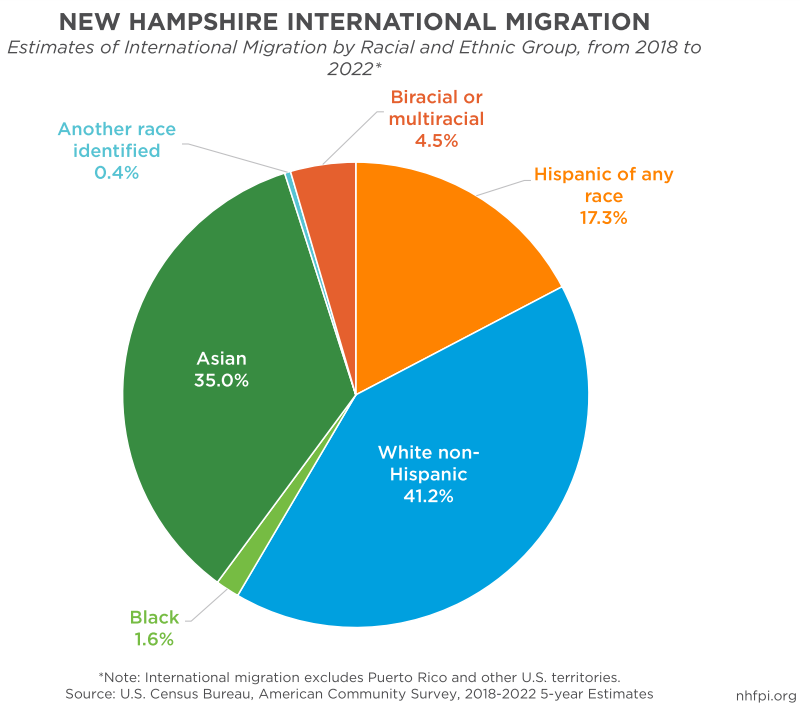
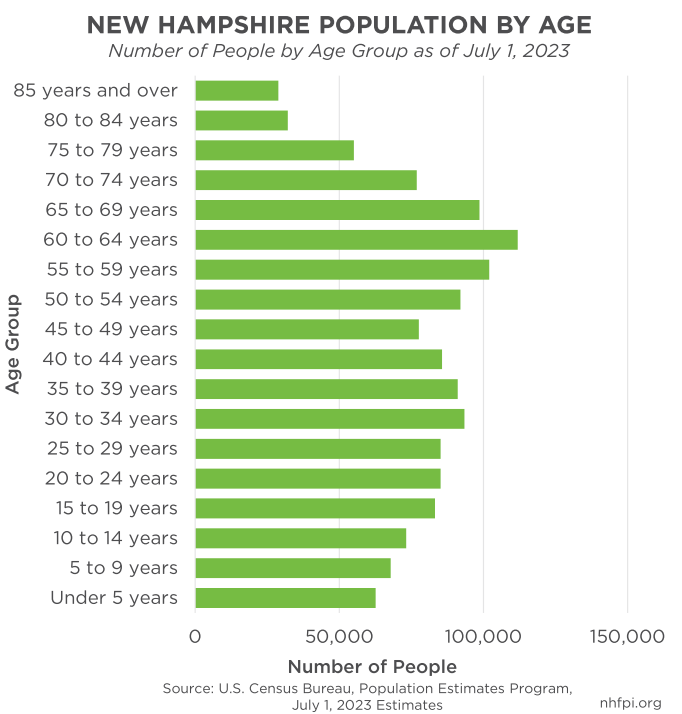
New Hampshire has a demographic profile that is somewhat older than the national average, with a notable proportion of its population aged 55 and above. This trend contributes to a stable community with a strong appreciation for tradition, local history, and the arts. For tourists, this often means well-maintained historical sites like the Strawbery Banke Museum in Portsmouth, a thriving antique market, and a focus on community events that cater to a wide age range. The state is also becoming increasingly diverse, particularly in its southern urban areas, bringing new culinary influences, cultural festivals, and a broader range of perspectives that enrich the travel experience. This evolving diversity means a more varied offering of food experiences, from traditional New England fare to international cuisines, and a broader spectrum of local entertainment.
Population Trends and Their Impact on Tourism Infrastructure
Understanding population trends in New Hampshire is crucial for appreciating the evolution of its tourism sector and the types of accommodation and travel experiences available. Over the past few decades, New Hampshire has experienced steady, albeit moderate, population growth. This growth is primarily fueled by migration from other states, particularly Massachusetts, as individuals and families seek a lower cost of living, scenic beauty, and a robust job market.
Growth and Development:
The steady increase in population, especially in the southern corridor, has spurred economic development and, consequently, an expansion of travel-related infrastructure. This includes improved road networks, an increase in dining establishments, and a wider array of shopping opportunities in areas like Nashua and Salem. For tourists, this means more convenient access to attractions and a greater selection of services, from modern hotels to diverse retail options. However, state planners and local communities are keenly aware of the need to balance growth with the preservation of New Hampshire’s natural resources and small-town charm, a balance that defines its “Live Free or Die” ethos.
Accommodation Landscape:
The population distribution and growth trends significantly influence the accommodation landscape. In urban and suburban areas, travelers can find a mix of well-known hotel chains offering consistent quality and amenities like suites, business centers, and fitness facilities. These cater to both business travelers and families seeking convenience. As one ventures into more rural, scenic areas – particularly around Lake Winnipesaukee or the White Mountains – the accommodation options shift. Here, boutique hotels, charming bed & breakfasts, rustic cabins, and sprawling resorts with extensive amenities (spas, golf courses, ski-in/ski-out access) become more prevalent. Many of these accommodations are designed to immerse guests in the natural beauty of the surroundings, offering experiences rather than just a place to sleep. The increasing demand from a growing resident population, combined with seasonal tourist influxes, also means that options for long-term stays, such as apartment rentals or villas, are becoming more available, catering to those who wish to experience [New Hampshire](https://lifeoutofthebox.com/new-hampshire] for extended periods.
Major Population Centers and Their Distinct Tourism Offerings
While the allure of New Hampshire’s wilderness is undeniable, its population centers are the beating hearts of its cultural, economic, and social life, each offering a distinct flavor for the discerning traveler. These cities serve as crucial hubs for accommodation, dining, and local experiences.
Southern Hubs: Manchester and Nashua
As the two largest cities in the state, Manchester and Nashua are economic powerhouses and significant population centers. Manchester, with a population of over 115,000, boasts a revitalized mill district featuring diverse restaurants, art galleries, and performance venues like the SNHU Arena. It’s a prime location for business stays with numerous hotels, and its proximity to Manchester-Boston Regional Airport makes it a convenient gateway. Nashua, slightly smaller but equally vibrant, offers a charming downtown with boutique shops, a growing culinary scene, and a strong sense of community. Both cities provide a full spectrum of accommodation, from budget-friendly options to more luxurious suites, ideal for travelers who appreciate urban amenities and easy access to outdoor pursuits.
The Capital City: Concord
As the state capital, Concord (population around 43,000) holds significant historical and governmental importance. Its downtown area is walkable, featuring the iconic New Hampshire State House, charming shops, and a variety of dining options. It serves as an excellent base for exploring the central part of the state, offering a quieter, more traditional New England experience compared to its southern neighbors. Accommodation here ranges from historic inns to modern hotels, catering to both leisure and business visitors.
Coastal Gem: Portsmouth
Despite its smaller population (around 22,000), Portsmouth punches above its weight as one of New Hampshire’s most popular tourist destinations. Located along the state’s brief but beautiful coastline, Portsmouth is a historic seaport city renowned for its vibrant arts scene, upscale dining, boutique shopping, and well-preserved colonial architecture. Landmarks like the Strawbery Banke Museum and the bustling harbor offer a rich cultural experience. Due to its popularity, Portsmouth features a higher concentration of boutique hotels, luxury accommodations, and charming bed & breakfasts, making it a prime destination for those seeking a refined coastal getaway. Its proximity to other coastal towns like Hampton Beach extends its appeal to beachgoers.
Northern Enclaves: Lebanon and Hanover
In the western part of the state, along the Connecticut River valley, the twin communities of Lebanon and Hanover (home to Dartmouth College) create a vibrant intellectual and medical hub. While their individual populations are smaller, their combined influence and the presence of a prestigious Ivy League institution bring a sophisticated atmosphere. Here, travelers can find high-quality dining, cultural performances, and a range of accommodations catering to college visitors, medical patients, and those exploring the scenic region between New Hampshire and Vermont.
How Population Shapes the New Hampshire Lifestyle and Visitor Experience
The population size and distribution of New Hampshire are intrinsically linked to the “lifestyle” aspects that attract both residents and tourists, influencing everything from the pace of life to the range of available activities and the overall travel experience.
A Blend of Serenity and Accessibility:
One of the most appealing aspects influenced by New Hampshire’s population is the harmonious blend of serene natural environments and accessible urban amenities. Travelers can spend a day hiking a secluded trail in the White Mountains, perhaps even traversing a section of the Appalachian Trail near Mount Washington, and then return to a comfortable hotel in a town like North Conway or Plymouth for a gourmet meal. The relatively low population density outside of the southern corridor means that natural attractions rarely feel overwhelmingly crowded, especially outside of peak foliage season or major holidays. This balance allows for both adventurous outdoor experiences and relaxed, comfortable evenings.
Community-Focused Tourism and Local Culture:
With a smaller overall population, communities in New Hampshire tend to be close-knit, fostering a strong sense of local identity and pride. This translates into tourism through an emphasis on local businesses, farm-to-table dining, and authentic cultural experiences. Visitors are encouraged to explore farmers’ markets, attend local festivals celebrating everything from maple syrup to fall foliage, and engage with local artisans. Boutique hotels and family-run inns often reflect this community spirit, offering personalized service and insights into local traditions that larger chains might miss. This focus on local culture also extends to events like the New Hampshire Highland Games & Festival, which draw visitors from across the region.
Lifestyle Choices: Luxury, Budget, and Family Travel:
The diverse population demographics and economic landscape enable New Hampshire to cater to various travel lifestyles. For those seeking luxury travel, the state offers high-end resorts nestled in scenic locales, such as those around Lake Winnipesaukee or ski resorts in the White Mountains, featuring gourmet dining, spa services, and exclusive experiences. Portsmouth also excels in providing sophisticated stays. Budget travel is easily accommodated through numerous campgrounds, motels, and mid-range hotels, particularly outside the most popular tourist hotspots.
Family trips are exceedingly popular, supported by the state’s emphasis on outdoor recreation and safe communities. Many attractions, from the Canterbury Shaker Village to the scenic drive along the Kancamagus Highway, are designed with families in mind. Accommodations often include family suites, self-catering apartments, and resorts with kid-friendly activities. The state’s renowned “no sales tax” policy also makes it an attractive shopping destination for families and budget-conscious travelers alike, impacting both the retail and hospitality sectors.
In conclusion, while the precise figure of New Hampshire’s population – approximately 1.39 million people – provides a factual starting point, its true significance for travel and tourism lies in how this number shapes the state’s character. It fosters a blend of unspoiled natural beauty and accessible urban culture, influences the types of accommodations available, defines the pace of life, and ensures a unique and memorable experience for every visitor seeking to explore the diverse offerings of the “Granite State.” Whether you’re drawn by the majestic mountains, the historic coastline, or the charming communities, New Hampshire’s population profile is a key ingredient in its enduring appeal.
LifeOutOfTheBox is a participant in the Amazon Services LLC Associates Program, an affiliate advertising program designed to provide a means for sites to earn advertising fees by advertising and linking to Amazon.com. Amazon, the Amazon logo, AmazonSupply, and the AmazonSupply logo are trademarks of Amazon.com, Inc. or its affiliates. As an Amazon Associate we earn affiliate commissions from qualifying purchases.