
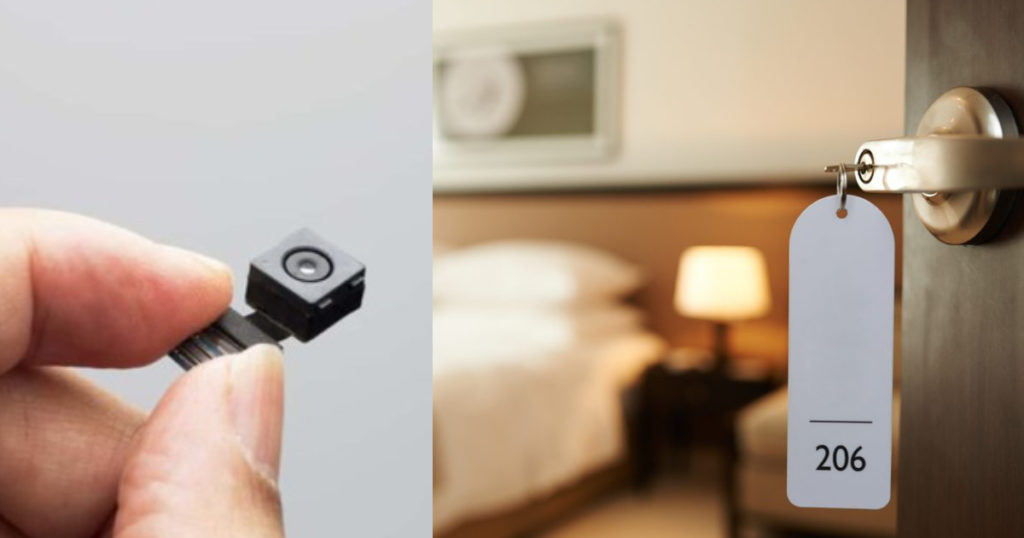
When checking into a luxury suite at the Marriott International or a coastal villa at a Four Seasons resort, the primary expectation of every guest is a blend of comfort and absolute privacy. However, in an era where technology is becoming increasingly miniaturized and accessible, a common question has surfaced among modern travelers: Are there cameras in hotel rooms? This concern touches upon the core of the hospitality industry’s ethical and legal obligations. Understanding the distinction between legitimate security measures and illegal surveillance is essential for anyone booking a stay, whether in a bustling metropolis like New York City or a quiet retreat in France.
The Legal Landscape of Privacy in the Hotel Industry
The hospitality sector operates under strict legal frameworks that vary significantly by country, yet the consensus on guest room privacy remains largely universal. In most jurisdictions, the hotel room is legally treated as a temporary residence where the occupant has a “reasonable expectation of privacy.”
Privacy Standards in the United States and Europe
In the United States, the Fourth Amendment and various state-level privacy laws protect guests from unauthorized surveillance in private spaces. Hotel brands like Hilton Worldwide and Hyatt Hotels must adhere to these regulations, ensuring that no cameras are placed inside guest rooms, bathrooms, or any area where a person might undress. Recording audio or video in these private quarters without consent is a criminal offense in almost every state.
Similarly, across Europe, the General Data Protection Regulation (GDPR) imposes heavy restrictions on how personal data, including video footage, is collected and stored. In countries such as Germany and the United Kingdom, the use of surveillance is highly regulated. While a hotel in London or Berlin might use cameras for security in public foyers, placing them inside a guest’s suite would result in massive fines and the loss of operating licenses.
Hospitality Regulations in Asia and the Middle East
The approach to surveillance can differ when traveling through Asia. In Japan and Singapore, privacy laws are stringent, and the high-end hotel market is known for its impeccable standards of guest confidentiality. However, in some other regions, the lines may blur slightly due to national security concerns. For instance, in China, government regulations regarding identification and monitoring are more pervasive, though even there, reputable international chains maintain a strict “no cameras in rooms” policy to align with global brand standards.
In the Middle East, specifically in luxury hubs like Dubai, hotels like the Burj Al Arab emphasize security as a premium amenity. While the perimeter and public areas are monitored 24/7 by advanced security teams, the suites themselves remain sacrosanct. The legal repercussions for invading a guest’s privacy in the United Arab Emirates are severe, providing a strong deterrent against any illicit monitoring.
Legitimate Surveillance: Where Hotels Are Allowed to Monitor
While the interior of your room is off-limits, hotels are active environments that require robust security to protect guests from external threats. Surveillance is a key component of the security infrastructure at major resorts and boutique hotels alike.
Common Areas: Lobbies, Corridors, and Elevators
The most frequent locations for cameras are public spaces where guests and staff interact. When you walk through the lobby of a Ritz-Carlton in Paris or wait for an elevator at a Sheraton Hotel, you are likely being recorded. These cameras serve several purposes: they deter theft, monitor for unauthorized visitors, and provide a record in the event of an accident or dispute.
Corridors are another common area for surveillance. By monitoring hallways, hotels can track who enters and exits specific rooms without actually seeing inside the room itself. This is particularly important for high-profile guests staying at the Mandarin Oriental or other Five-Star establishments where security is a top priority.
Why High-End Resorts Prioritize Perimeter Security
At sprawling resorts in destinations like Mexico or the Maldives, cameras are often strategically placed along beach perimeters, entrance gates, and pool areas. For a resort like the Aman Tokyo or any secluded luxury villa, these cameras are not meant to spy on guests but to ensure that the exclusive environment remains undisturbed by outsiders. High-end hospitality management uses this technology to provide a “seamless” security experience, where guests feel safe without the visible presence of security guards.
Addressing Concerns: Are There Hidden Cameras in Suites and Apartments?
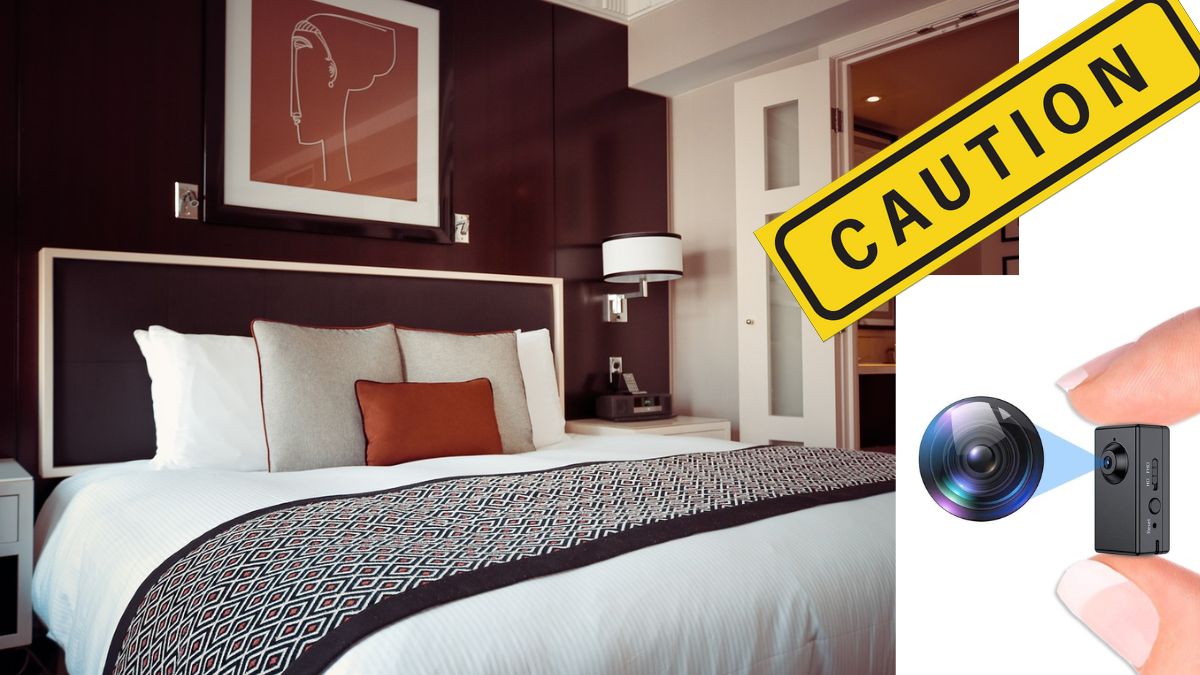
Despite the legal and ethical barriers, reports of hidden cameras in short-term rentals and occasionally in lower-tier accommodations have made headlines. While extremely rare in established hotel chains, it is a concern that many travelers take seriously.
Common Devices Used for Concealment
The fear usually centers on “pinhole” cameras. These tiny lenses can be hidden in everyday room amenities. Common objects that have been flagged in past incidents (primarily in unregulated vacation rentals rather than established hotels) include smoke detectors, digital alarm clocks, USB wall chargers, and even “smart” televisions.
In a professional hotel environment, such as those managed by InterContinental Hotels Group, rooms are cleaned and inspected daily. Housekeeping and maintenance teams are trained to spot irregularities in room fixtures. The likelihood of a hidden camera remaining unnoticed in a high-turnover suite is statistically very low.
Steps to Verify Your Privacy Upon Arrival
For guests who want absolute peace of mind, there are simple steps to verify the integrity of their room. Upon entering a suite at the W Hotels or any other property, a quick physical inspection is often enough.
- Check the “Tech”: Examine any electronic devices that seem out of place or are pointed directly at the bed or shower.
- The Flashlight Test: Using a smartphone flashlight can help detect camera lenses. Lenses reflect light differently than the plastic or glass of a clock face or smoke detector.
- Network Scanning: Some advanced travelers use apps to scan the local Wi-Fi network for devices labeled “IP Camera.” However, many hotels use separate, secure VLANs for their own hardware, which may not show up on a guest’s scan.
The Role of Technology in Modern Hotel Amenities
As hotels move toward “Smart Room” configurations, the presence of technology is increasing. This evolution is designed to enhance the guest experience through personalized amenities rather than to infringe on privacy.
Smart Hotels and the Rise of IoT
In tech-forward cities like Seoul and San Francisco, hotels are integrating the Internet of Things (IoT) into their suites. This includes voice-activated assistants like Amazon Alexa or Google Home, smart thermostats, and automated lighting.
While these devices have microphones, major brands like Marriott International have implemented strict protocols to ensure these devices are not recording guest conversations. Most hotel-grade smart assistants have a physical mute switch or are programmed to only activate upon a specific “wake word,” and data is typically wiped after the guest checks out.
Balancing Tech-Forward Stays with Guest Anonymity
The challenge for the modern hotelier is balancing the convenience of a “connected” stay with the guest’s desire for anonymity. In Italy and Spain, where the boutique hotel scene is thriving, many properties choose to minimize tech in favor of “analog luxury.” This approach removes the privacy concern entirely by focusing on high-touch service and physical keys rather than digital interfaces and sensors.
Choosing Trusted Brands for a Secure Stay
Ultimately, the best way to ensure privacy is to stay with reputable, established hotel brands that have a vested interest in protecting their reputation.
The Reputation of Marriott International and Hilton Worldwide
Global giants like Hilton Worldwide and Marriott International spend millions annually on security and compliance. For these companies, a single confirmed case of a hidden camera in a room would cause catastrophic brand damage and lead to multi-million dollar lawsuits. Their corporate policies are designed to protect the guest at every turn, from encrypted digital keys to rigorous background checks for all staff members.
Boutique Hotels vs. Large-Scale International Chains
While large chains offer a standardized level of security, boutique hotels in regions like Scandinavia or Switzerland often provide a more personalized approach. These smaller properties rely heavily on guest trust and word-of-mouth. Because they have fewer rooms to manage, the oversight of each suite is often more detailed, ensuring that every corner of the room meets the high standards expected by discerning travelers.
In conclusion, while the question “Are there cameras in hotel rooms?” is a valid concern in the digital age, the reality is that the hospitality industry is one of the most strictly regulated sectors regarding guest privacy. By choosing reputable brands and understanding the legal protections in place in countries like the United States, Japan, and across Europe, travelers can enjoy their stays with the confidence that their private moments remain just that—private. Whether you are in a high-rise in Hong Kong or a historic villa in Rome, the gold standard of hospitality remains the safety and seclusion of the guest.
LifeOutOfTheBox is a participant in the Amazon Services LLC Associates Program, an affiliate advertising program designed to provide a means for sites to earn advertising fees by advertising and linking to Amazon.com. Amazon, the Amazon logo, AmazonSupply, and the AmazonSupply logo are trademarks of Amazon.com, Inc. or its affiliates. As an Amazon Associate we earn affiliate commissions from qualifying purchases.