
Alaska, often dubbed the Last Frontier, conjures images of majestic grizzly bears, elusive wolves, towering moose, and caribou herds stretching to the horizon. It’s a land of vast wilderness, where iconic megafauna reign supreme and the ecosystem feels untouched by the commonplace. Given this perception, many travelers planning their Alaskan adventures might wonder about the presence of more common North American predators. Specifically, a frequent query arises: are there coyotes in Alaska? The answer, perhaps surprisingly to some, is a resounding yes. These adaptable canids have indeed established a notable presence across much of the state, adding another layer to the diverse wildlife experiences Alaska offers. Understanding their distribution, behavior, and ecological role is crucial for anyone looking to fully appreciate the intricacies of this magnificent travel destination.

Understanding Alaska’s Canine Residents
The journey of the coyote into Alaska is a fascinating tale of ecological expansion and incredible adaptability. Once primarily found in the prairies and deserts of the lower 48 states, coyotes have steadily expanded their range across North America over the past century, a testament to their resilience and ability to thrive in varied environments, including the formidable Alaskan wilderness.
The Arrival and Spread of Coyotes
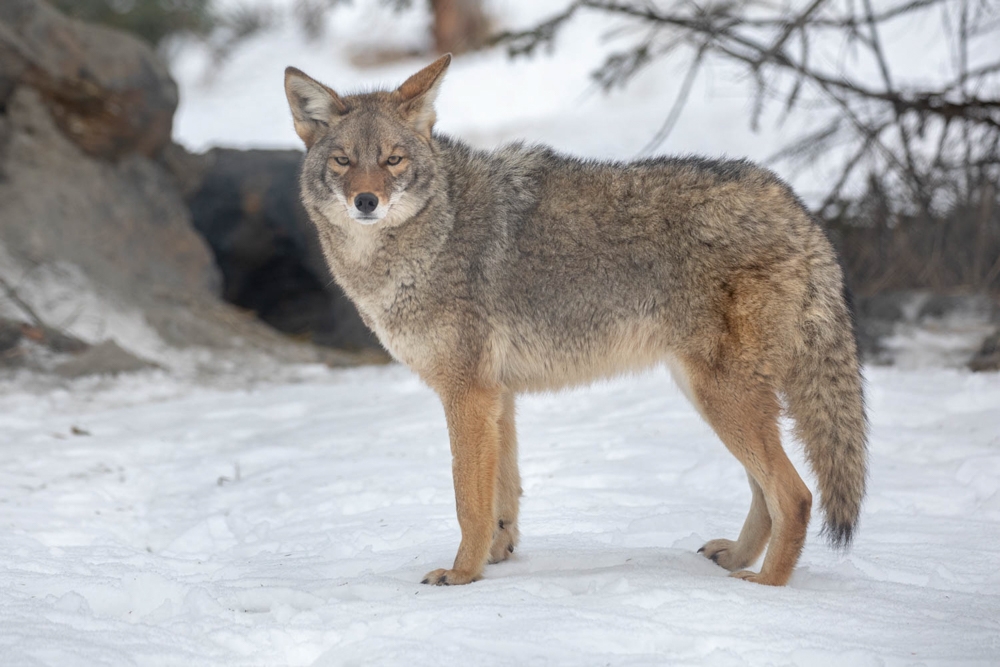
Coyotes, scientifically known as Canis latrans, began their northward migration into Alaska relatively recently, primarily in the early to mid-20th century. Their expansion is often linked to human activity, such as logging and agriculture, which altered landscapes and created more open habitats favorable to coyotes while simultaneously reducing wolf populations, their primary competitor. They likely entered Alaska from neighboring regions like the Yukon Territory and British Columbia, gradually extending their territory westward and northward.
Today, coyotes are widespread across much of mainland Alaska, excluding some of the extreme northern and western coastal regions. They are particularly prevalent in the interior and southcentral areas, including the major population centers. Their ability to adapt to a wide array of habitats, from dense forests and open tundra to suburban fringes, has been key to their success in colonizing the vast Alaskan landscape.
Where to Encounter Coyotes in the Last Frontier
For travelers hoping to catch a glimpse of Alaska’s coyotes, certain areas offer a higher probability. While notoriously shy and often nocturnal, their presence is felt throughout many popular travel corridors.
- Southcentral Alaska: This region, encompassing cities like Anchorage and the Kenai Peninsula, is a prime area for coyote sightings. The mixture of urban greenbelts, suburban developments, and wilder areas in the surrounding Chugach Mountains provides ample habitat. Travelers exploring trails around Anchorage or driving through the Kenai Peninsula might spot them foraging at dawn or dusk.
- Interior Alaska: Areas around Fairbanks and the vast wilderness stretching towards Denali National Park also host healthy coyote populations. The more open boreal forests and taiga environments here provide good hunting grounds. While a sighting within Denali National Park might be less common than wolves or bears, coyotes are present and contribute to the park’s intricate food web.
- Rural and Wilderness Areas: Beyond the major hubs, coyotes thrive in many of Alaska’s rural communities and contiguous wilderness. From the lowlands to the foothills, wherever prey like small mammals, birds, and even berries are available, coyotes can establish a territory.
Spotting a coyote in Alaska requires patience and a keen eye. They are masters of camouflage and often blend seamlessly into their surroundings. Early morning or late evening often present the best opportunities for observation, particularly in quieter areas away from heavy human disturbance.
Coyote Behavior and Ecological Role
The presence of coyotes in Alaska adds a dynamic layer to its complex ecosystem. As mesopredators – mid-level predators – they play a critical role in regulating prey populations and interacting with other carnivores.
Adaptability in a Challenging Environment
One of the most defining characteristics of the coyote is its unparalleled adaptability. In Alaska’s harsh climate, this trait is put to the ultimate test. Coyotes demonstrate remarkable flexibility in their diet, hunting techniques, and social structures. Their diet is incredibly varied, consisting primarily of small mammals like voles, hares, and ground squirrels. However, they are opportunistic feeders and will readily consume birds, insects, carrion, and even plant matter, including berries, especially during leaner winter months. This dietary flexibility is crucial for survival where food sources can fluctuate dramatically with seasons.
In terms of habitat, coyotes are equally versatile. They can thrive in deep snow conditions, utilizing their agility and relatively light build to navigate terrain that might challenge heavier predators. While often solitary hunters, especially during the non-breeding season, they can form small family groups or loose packs when hunting larger prey or when resources are abundant. This social flexibility allows them to optimize their foraging strategies based on environmental conditions.
Interactions with Native Wildlife

The arrival of coyotes in Alaska has introduced a new dynamic to existing predator-prey relationships. They primarily compete with red foxes for small prey, and their presence can sometimes displace foxes from certain areas. More significantly, coyotes interact with Alaska’s iconic wolf populations. Wolves are larger, more dominant predators, and generally prey on bigger game. While coyotes typically avoid direct confrontation with wolves, a phenomenon known as “competitive exclusion” or “intraguild predation” can occur, where wolves may kill coyotes, particularly if resources are scarce. This helps maintain a natural balance and spatial separation between the two species.
The ecological role of coyotes in Alaska is primarily that of a scavenger and a predator of small and medium-sized mammals. By preying on rodents and lagomorphs, they help to maintain the health of these populations and contribute to the overall biodiversity of the Alaskan ecosystem. For travelers, understanding these intricate relationships enriches the experience of witnessing Alaska’s wildlife, moving beyond simple identification to an appreciation of the complex web of life.
Planning Your Alaskan Wildlife Encounters
For travelers, the presence of coyotes means another potential wildlife sighting to add to their Alaskan itinerary. However, like all wildlife encounters, it’s essential to approach them with respect, caution, and an understanding of responsible viewing practices.
Safety Precautions for Travelers
While coyotes are generally shy and pose little threat to humans, it’s always wise to exercise caution, especially in areas where they are known to be present or habituated to human activity.
- Maintain Distance: Always keep a respectful distance from any wildlife. Never attempt to approach, feed, or interact with a coyote. Use binoculars or a telephoto lens for viewing and photography.
- Secure Food and Trash: When camping or picnicking, ensure all food is stored in bear-resistant containers or secured in vehicles. Properly dispose of all trash. Coyotes are opportunistic and will be attracted to readily available food sources.
- Pet Safety: If traveling with pets, especially dogs, keep them leashed at all times. Coyotes may view domestic pets as competitors or prey, and interactions can be dangerous for pets.
- Hazing: If a coyote approaches you or seems unafraid, make yourself appear large, make loud noises, and wave your arms to scare it away. This “hazing” helps maintain their natural fear of humans.
- Report Aggressive Behavior: While rare, if a coyote exhibits unusually aggressive or fearless behavior, report it to local wildlife authorities or park rangers.
By following these simple guidelines, travelers can ensure a safe and enjoyable experience for themselves and the wildlife.
Responsible Wildlife Observation
Part of the unique appeal of traveling to Alaska is the opportunity for unparalleled wildlife viewing. Incorporating coyote observation into your travel plans can be a rewarding experience when done responsibly.
- Guided Tours: Consider joining guided wildlife tours. Experienced guides can provide valuable insights into local fauna, including coyotes, and ensure safe, ethical viewing practices.
- Designated Viewing Areas: Utilize designated wildlife viewing areas and follow all posted regulations. These spots are often chosen for their ecological significance and provide the best chances for sightings without disturbing animals.
- Respect Their Space: Remember that you are a visitor in their home. Minimize noise, stay on marked trails, and avoid disturbing their natural behaviors.
- Learn About Their Role: Take the time to learn about the coyote’s place in the Alaskan ecosystem. Understanding their behavior and ecological contributions enhances the appreciation of your wildlife encounters.
The Broader Context: Alaska as a Wildlife Destination
The presence of coyotes underscores Alaska’s continuous ecological evolution. While they may not possess the same majestic allure as a grizzly bear or a pack of wolves, their story is an integral part of the state’s natural narrative, highlighting the dynamic nature of wilderness.
Beyond Coyotes: A Diverse Ecosystem
Alaska remains one of the world’s premier destinations for wildlife enthusiasts. From marine mammals like whales, seals, and sea otters along the coast to land giants such as moose, caribou, and bison in the interior, the sheer diversity is breathtaking. Birdwatchers flock to Alaska to witness migratory species and resident raptors like bald eagles. The possibility of encountering coyotes simply adds another dimension to this rich tapestry, reminding travelers that even in the most remote corners, ecosystems are constantly shifting and adapting.
Travel experiences in Alaska are often defined by these encounters. Whether it’s a planned excursion to Denali National Park for bear viewing or an unexpected sighting of a coyote along a roadside, each moment contributes to a deeper understanding of this incredible environment.
Engaging with Conservation Efforts
Understanding the various species that call Alaska home naturally leads to an appreciation for conservation. Many organizations in Alaska are dedicated to preserving its unique ecosystems and wildlife populations. By traveling responsibly, supporting local eco-tourism initiatives, and respecting natural habitats, visitors contribute directly to these efforts. The presence of coyotes, like all wildlife, serves as a reminder of the delicate balance that defines the Last Frontier and the importance of preserving it for future generations of both animals and human admirers. So, as you plan your journey to Alaska, keep an eye out for these clever canids; they are indeed a part of the vibrant, ever-changing Alaskan wilderness.
LifeOutOfTheBox is a participant in the Amazon Services LLC Associates Program, an affiliate advertising program designed to provide a means for sites to earn advertising fees by advertising and linking to Amazon.com. Amazon, the Amazon logo, AmazonSupply, and the AmazonSupply logo are trademarks of Amazon.com, Inc. or its affiliates. As an Amazon Associate we earn affiliate commissions from qualifying purchases.