
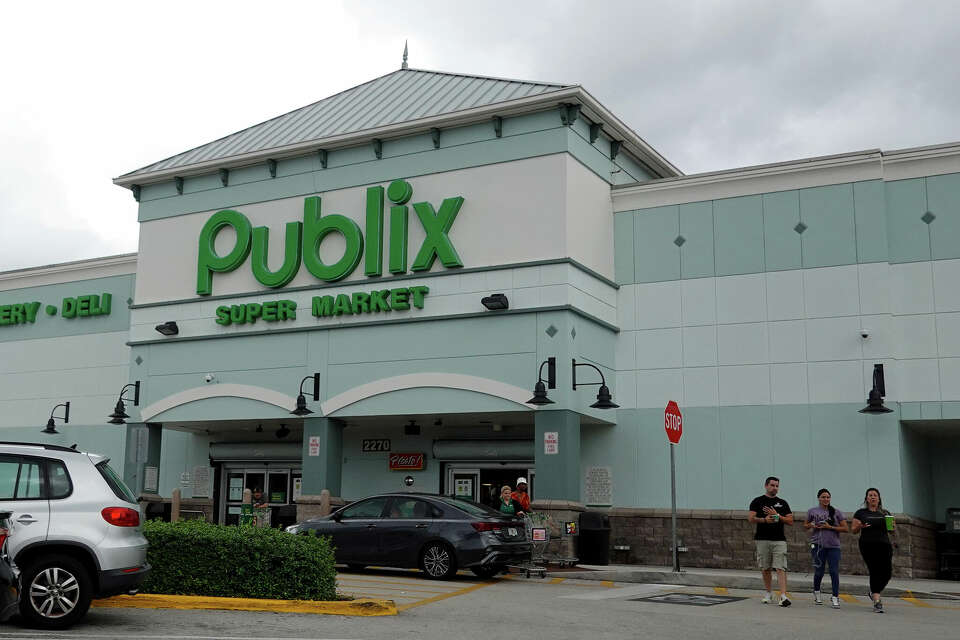
The question of whether a Publix operates within the vast expanse of Texas is one that sparks curiosity, particularly for those familiar with the beloved grocery chain’s strong presence in the Southeastern United States. While Publix is a household name in states like Florida, Georgia, and the Carolinas, its geographical footprint has historically been more concentrated in these regions. This has led to frequent inquiries from residents and travelers alike, wondering if their beloved supermarket has ventured west to the Lone Star State.
The Publix Footprint: A Southeastern Staple
To understand the absence of Publix in Texas, it’s essential to delve into the company’s strategic growth and operational philosophy. Publix Super Markets, Inc. was founded in Winter Haven, Florida in 1930 by George W. Jenkins. From its humble beginnings as a single store, Publix meticulously expanded its reach, prioritizing a deep understanding of local markets and a commitment to customer service that has become its hallmark. This deliberate, often slow, expansion strategy allowed the company to cultivate strong brand loyalty and establish a consistent shopping experience across its established territories.

Strategic Growth and Market Penetration
Publix’s growth has been characterized by a focus on densely populated areas where it can achieve significant market share and operational efficiency. The company’s expansion into new states has typically been a carefully planned process, often involving extensive market research to gauge consumer demand, competitive landscapes, and logistical feasibility. This has meant that while Publix has explored opportunities in surrounding states, its westward expansion has been more limited compared to its dominance in the Southeast. The grocery industry is highly competitive, and entering a market as large and established as Texas, which boasts its own strong regional players, requires a substantial investment and a well-defined strategy.
The “Publix Difference” and Customer Loyalty
A significant factor in Publix’s success is what is often referred to as the “Publix Difference.” This encompasses a combination of factors that resonate deeply with its customer base: exceptionally friendly and helpful associates, a commitment to high-quality products (including a robust selection of private-label items), an emphasis on cleanliness and store presentation, and a strong community presence. These elements foster a loyal following that makes Publix more than just a place to buy groceries; it’s often viewed as a part of the community fabric. Replicating this level of customer connection and operational excellence in a new, geographically distant market like Texas presents a considerable challenge and requires a long-term vision.
Exploring Grocery Options in Texas
While the absence of Publix might be a point of disappointment for some, Texas offers a vibrant and diverse grocery landscape. The state is home to numerous well-established chains, many of which are deeply rooted in Texan culture and provide a similar, if not identical, high-quality shopping experience. Travelers and new residents will find a wealth of options catering to every taste, budget, and preference.
Leading Grocery Chains in Texas
Texas is a battleground for many of the nation’s top grocery retailers, alongside formidable homegrown brands. Among the most prominent and widely available are:
- H-E-B: This is arguably the quintessential Texas grocery store. H-E-B is a privately held company headquartered in San Antonio and is renowned for its commitment to Texas products, extensive selection of specialty items, and strong community involvement. Its stores range from large, full-service supermarkets to smaller, more convenient formats.
- Kroger: A national powerhouse, Kroger operates numerous banners across Texas, including its namesake stores, as well as Fiesta Mart and Market Street. They offer a wide variety of national brands and private label goods.
- Walmart: With its extensive Supercenter and Neighborhood Market formats, Walmart is a ubiquitous presence in Texas, providing a comprehensive range of groceries at competitive prices.
- Albertsons Companies: This conglomerate operates several banners in Texas, including Albertsons, Tom Thumb, and Randalls. These stores generally offer a good selection and focus on customer service.
- Specialty Grocers: Beyond the major players, Texas also hosts a growing number of specialty and international grocers, catering to diverse culinary interests. These can include stores focusing on organic produce, ethnic foods, and gourmet ingredients, adding to the rich tapestry of food shopping experiences available.
The Appeal of Local Favorites
The loyalty that Publix enjoys in its home states is mirrored by the fierce devotion Texans have for their local favorites, especially H-E-B. H-E-B has strategically positioned itself as a true Texan institution, offering products and services that cater specifically to the tastes and needs of the state’s residents. From its extensive selection of Tex-Mex ingredients and local Texas-made products to its well-regarded in-house brands and exceptional customer service, H-E-B has cultivated a deeply ingrained connection with its shoppers. This local understanding and commitment are often what differentiate regional grocery giants.
Potential Future Expansions and Speculation
While Publix does not currently have a presence in Texas, the possibility of future expansion cannot be entirely discounted. Companies like Publix continually evaluate market opportunities, and Texas remains one of the largest and most dynamic consumer markets in the United States. However, any such move would likely be a significant undertaking.
Factors Influencing Expansion Decisions
Several key factors would influence Publix’s decision to enter the Texas market:
- Market Saturation and Competition: Texas has a highly competitive grocery sector. Publix would need to identify specific geographic areas or market segments where it believes it could effectively differentiate itself and capture market share.
- Logistics and Supply Chain: Establishing a new supply chain and distribution network to serve Texas from its existing infrastructure would be a complex and costly endeavor.
- Consumer Preferences: Understanding the unique culinary preferences and shopping habits of Texans would be crucial. While there might be some overlap with its current customer base, significant adaptation may be required.
- Economic Conditions: The overall economic climate of Texas, including population growth, income levels, and consumer spending patterns, would play a vital role in assessing the viability of an expansion.
The Role of Acquisitions and New Market Entry
Historically, Publix has primarily expanded by building new stores in contiguous or nearby markets. While acquisitions are less common for the company, they can sometimes serve as a faster route to market entry. However, the Texas market is dominated by large, established players, making outright acquisitions of significant grocery chains less probable. Therefore, any entry would likely involve a deliberate organic growth strategy, potentially starting in specific metropolitan areas like Houston, Dallas-Fort Worth, or Austin.

Conclusion: A Matter of Geographic Focus
In conclusion, the answer to “Is There A Publix In Texas?” is currently no. Publix remains firmly rooted in its established Southeastern markets, where it continues to be a dominant force in the grocery industry. While Texas offers a rich and varied grocery scene with excellent local and national options, Publix has not yet extended its reach to the Lone Star State. Whether this changes in the future remains a subject of speculation, dependent on the company’s strategic growth plans and its assessment of the dynamic Texan marketplace. For now, travelers to Texas will need to explore the state’s own beloved grocery chains to satisfy their shopping needs, discovering the unique flavors and experiences that Texas has to offer.
LifeOutOfTheBox is a participant in the Amazon Services LLC Associates Program, an affiliate advertising program designed to provide a means for sites to earn advertising fees by advertising and linking to Amazon.com. Amazon, the Amazon logo, AmazonSupply, and the AmazonSupply logo are trademarks of Amazon.com, Inc. or its affiliates. As an Amazon Associate we earn affiliate commissions from qualifying purchases.