
Florida, often synonymous with sunshine, pristine beaches, and world-class theme parks, holds a wilder secret within its sprawling wetlands and intricate waterways: the presence of both alligators and crocodiles. While many travelers instinctively associate the Sunshine State with its abundant alligator population, the question “Are there crocodiles in Florida?” elicits a more nuanced, and perhaps surprising, answer. Yes, Florida is home to a native crocodile species, adding an extraordinary layer to its already rich biodiversity. For those seeking unique travel experiences, understanding these ancient reptiles, their habitats, and how to safely encounter them is key to unlocking a truly unforgettable adventure in one of America’s most captivating destinations.

Unmasking Florida’s Apex Predators: Crocodiles vs. Alligators
To truly appreciate Florida’s reptilian residents, it’s essential to distinguish between its two primary crocodilian species: the American alligator and the much rarer American crocodile. While often confused, these magnificent creatures possess distinct characteristics and inhabit different ecological niches, making Florida a truly unique place where they coexist.
The Elusive American Crocodile
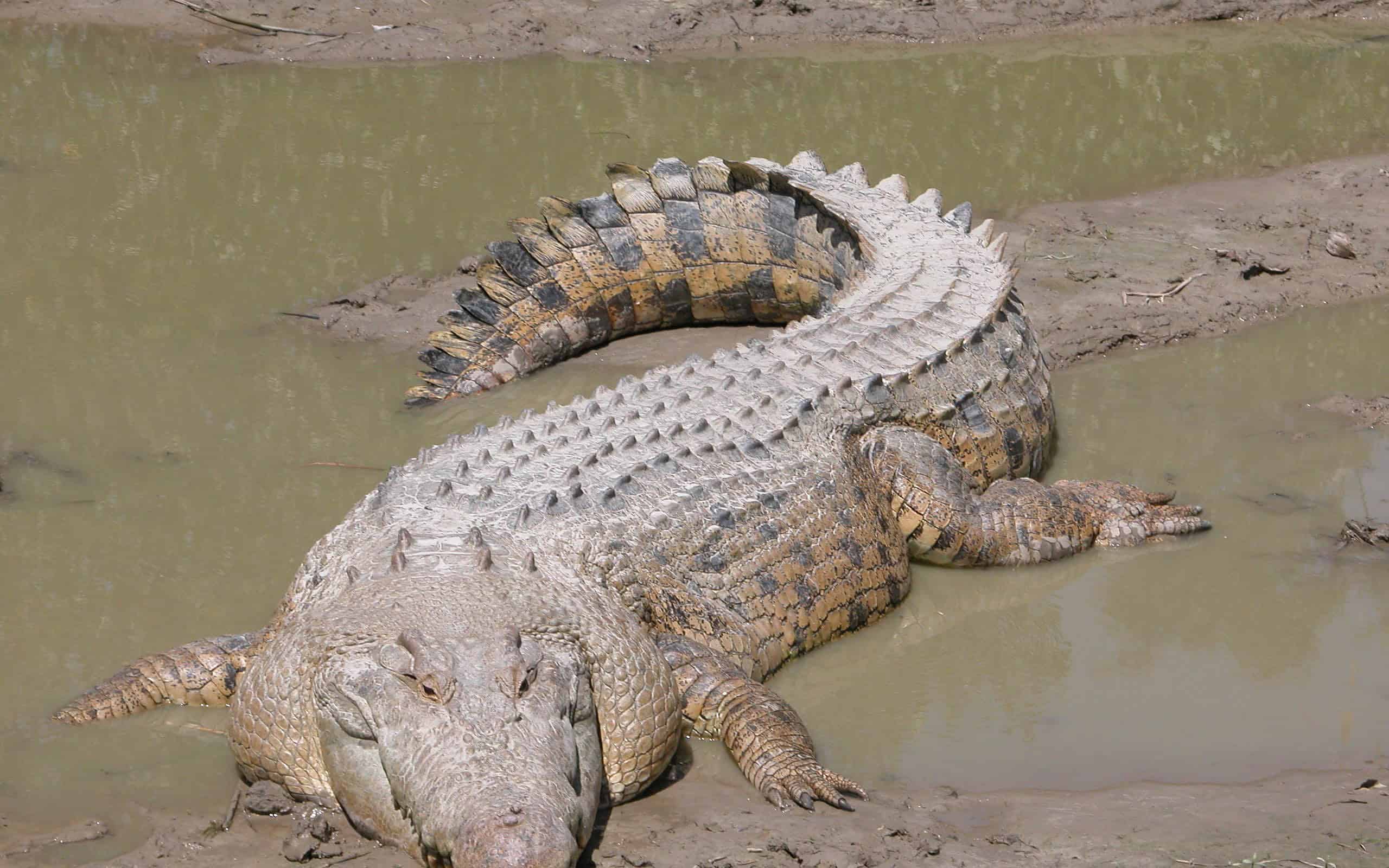
The American Crocodile (Crocodylus acutus) is the undisputed star of our inquiry. Unlike its more common cousin, this species is a protected and federally endangered animal, making sightings a special and somewhat rare occurrence. They are typically found in the extreme southern tip of Florida, primarily within brackish or saltwater environments. Their preferred habitats include mangrove-lined estuaries, coastal areas, and keys, particularly around Everglades National Park, Biscayne National Park, and the upper Florida Keys.
Visually, the American Crocodile can be identified by several key features. They typically have a lighter, grayish-green coloration compared to the darker alligators. Their most distinctive characteristic is a narrower, V-shaped snout, which tapers noticeably from the eyes to the tip. Perhaps the most telling difference, for those brave enough to observe from a safe distance, is that when a crocodile’s mouth is closed, both its upper and lower teeth are visible, particularly the prominent fourth tooth on the lower jaw that fits into a notch on the upper jaw. These reptiles can grow quite large, with some males exceeding 15 feet in length, though most seen are smaller. Their presence is a testament to the pristine nature of Florida’s southern coastal ecosystems, making them a significant attraction for eco-tourism and nature enthusiasts exploring these remarkable landmarks.
The Ubiquitous American Alligator
In stark contrast, the American Alligator (Alligator mississippiensis) is a pervasive and iconic symbol of Florida’s wild side, found in abundance across the entire state. Unlike crocodiles, alligators thrive in freshwater environments such as lakes, rivers, canals, ponds, and swamps. They are an integral part of nearly every freshwater ecosystem in Florida and are often seen by locals and tourists alike in various natural and even urban settings.
Alligators are generally darker in color, often appearing black or dark gray. Their most defining facial feature is a broad, rounded, U-shaped snout. When an alligator’s mouth is closed, only its upper teeth are visible, as the lower teeth fit neatly into sockets within the upper jaw. While alligators can also reach impressive sizes, often exceeding 10 feet, they tend to be stockier than crocodiles. Their widespread presence means that encounters are far more common, making them a primary focus of many wildlife tours and attractions throughout the state, from the northern panhandle down to the southern tip. For many visitors, an alligator sighting is a quintessential Florida experience, an accessible piece of its vibrant natural world.
The unique coexistence of these two ancient predators in Florida is a fascinating ecological phenomenon. While their habitats occasionally overlap, particularly in the brackish waters of the Everglades, they generally prefer different salinities, allowing them to carve out their own niches within the state’s diverse aquatic landscapes. Understanding these distinctions enhances any wildlife experience and fosters a deeper appreciation for Florida’s incredible natural heritage.
Where to Spot Florida’s Reptilian Residents (Safely!)
For travelers eager to witness these prehistoric creatures in their natural habitat, Florida offers numerous opportunities for safe and responsible wildlife viewing. Knowing where to go and how to behave is crucial for both personal safety and the preservation of these magnificent animals.
Prime Croc-Watching Destinations
Given their endangered status and specific habitat requirements, spotting an American Crocodile requires a bit more intentional planning and patience. The vast and protected expanses of southern Florida are your best bet:
- Everglades National Park: This iconic natural landmark is the undisputed heart of crocodile country. Specifically, the saline and brackish waters around the Flamingo visitor area, located at the very southern tip of the park, are known for crocodile sightings. Visitors can take boat tours through the estuaries or observe from boardwalks like the Anhinga Trail, which also offers excellent alligator viewing. The park’s unique ecosystem, a mosaic of sawgrass prairies, cypress swamps, and mangrove forests, is a prime example of Florida’s unparalleled natural attractions.
- Biscayne National Park: Comprising 95% water, this park protects a significant portion of Biscayne Bay and its barrier islands, providing crucial habitat for crocodiles. While primary activities here are water-based (snorkeling, diving, boating), careful observation along the mangrove fringes from a kayak or boat tour can yield a sighting.
- Florida Keys: Particularly the northern keys, where saltwater and freshwater mix, offer suitable environments. Places like the Crocodile Lake National Wildlife Refuge on Key Largo are dedicated to the protection of these reptiles, though public access for direct viewing might be limited to specific interpretive areas.
- Big Cypress National Preserve: Adjoining Everglades National Park, this preserve also contains areas where alligators and occasionally crocodiles can be seen, particularly near the Loop Road Scenic Drive or along designated hiking trails.
Alligator Hotspots Galore
Spotting an American Alligator is a much easier feat, as they are ubiquitous throughout Florida’s freshwater systems. Nearly any body of freshwater – from retention ponds in residential areas to vast lakes – could host alligators.
- State Parks and Wildlife Management Areas: Numerous state parks, such as Myakka River State Park, Oscar Scherer State Park, and the network of wildlife management areas, offer boardwalks, observation decks, and boat tours specifically designed for viewing alligators in their natural setting.
- Lake Okeechobee: Florida’s largest freshwater lake is teeming with alligators. The Lake Okeechobee Scenic Trail offers opportunities to view them from a safe distance.
- Airboat Tours: For an exhilarating and almost guaranteed alligator sighting, an airboat tour through the Everglades or other wetland areas is an unparalleled experience. These tours provide a unique perspective on Florida’s ecosystem and are a popular tourism activity.
- Theme Parks and Zoos: While not in the wild, attractions like Gatorland in Orlando offer up-close, educational encounters with alligators and crocodiles in controlled environments, complete with shows and interactive exhibits.
When embarking on wildlife viewing, remember that these are wild animals. Always prioritize safety, respect their space, and follow all posted guidelines and park ranger advice. This responsible approach ensures both your well-being and the continued thriving of these magnificent creatures.

Responsible Wildlife Tourism and Staying Safe in Florida
Encountering Florida’s crocodilians is undeniably a highlight for many travelers, offering a glimpse into a primordial world. However, the thrill of wildlife observation comes with a significant responsibility. Engaging in ethical eco-tourism and adhering to strict safety guidelines is paramount for protecting yourself, the animals, and the delicate ecosystems they inhabit.
Essential Safety Guidelines
Whether you’re exploring the remote corners of Everglades National Park or simply enjoying a lakeside stroll, it’s crucial to be “gator aware” and “croc cautious.” These guidelines are not just suggestions; they are vital for safe interactions:
- Never Feed Wildlife: This is the golden rule. Feeding alligators or crocodiles makes them lose their natural fear of humans and associate people with food, leading to dangerous situations. It is illegal in Florida and carries severe penalties.
- Maintain a Safe Distance: Always keep a respectful and generous distance from any alligator or crocodile. If an animal hisses or opens its mouth, you are too close. Use binoculars or a telephoto lens for close-up views.
- Swim Only in Designated Areas: Never swim, wade, or allow pets to enter waters where alligators or crocodiles are known to inhabit, especially during dawn, dusk, and nighttime when they are most active. Always heed warning signs, as they are placed for your safety.
- Keep Pets on Leashes: Dogs and cats can resemble the natural prey of alligators and crocodiles. Keep them on a leash and away from the water’s edge, even in seemingly safe areas.
- Be Aware of Your Surroundings: When near water, be vigilant. Avoid thick vegetation at the water’s edge, where reptiles might conceal themselves.
- Do Not Harass or Entice: Never provoke, tease, or try to catch an alligator or crocodile. These animals are powerful and can move surprisingly fast on land.
- Report Dangerous Situations: If you encounter an alligator that is aggressive, appears injured, or is in an unusual place (like a residential pool or road), contact the Florida Fish and Wildlife Conservation Commission (FWC) immediately.
Adhering to these guidelines ensures that your wildlife experience remains a positive memory and contributes to the ongoing conservation efforts for these ancient reptiles.
Embracing Eco-Tourism and Conservation
Beyond personal safety, responsible tourism plays a crucial role in the long-term survival of Florida’s unique wildlife. Choosing eco-conscious activities and supporting organizations dedicated to conservation is a meaningful way to contribute:
- Support Protected Areas: Visiting Everglades National Park, Biscayne National Park, and Florida State Parks means your entrance fees and purchases directly fund their operations, including wildlife protection and habitat restoration.
- Choose Reputable Tour Operators: Select tour companies that prioritize animal welfare, adhere to ethical viewing practices, and educate guests about local ecosystems and conservation needs. Look for certifications or endorsements from environmental organizations.
- Learn and Share: Educate yourself about the challenges facing Florida’s wildlife, such as habitat loss and climate change. Share your knowledge with others to foster a broader appreciation and commitment to conservation.
- Minimize Your Footprint: Practice Leave No Trace principles. Pack out everything you pack in, stay on marked trails, and dispose of waste properly. This helps preserve the pristine nature of these habitats.
By integrating these principles into your travel plans, you become an active participant in safeguarding Florida’s natural treasures, ensuring that future generations can also marvel at its magnificent crocodiles and alligators.
Beyond the Reptiles: Crafting Your Ultimate Florida Adventure
While the quest to spot a rare American Crocodile or marvel at a common American Alligator offers a unique slice of Florida’s natural beauty, the Sunshine State is a multifaceted destination brimming with diverse experiences that cater to every lifestyle and interest. From sun-drenched coastlines to vibrant urban centers, your Florida adventure can seamlessly blend wildlife encounters with world-class entertainment, historical exploration, and luxurious relaxation.
Diverse Florida Experiences
Florida’s appeal extends far beyond its wetlands and reptilian inhabitants. It’s a land of contrasts, offering something for everyone:
- Coastal Bliss and Aquatic Adventures: With thousands of miles of coastline, Florida boasts some of the world’s most beautiful beaches. Whether you’re seeking the vibrant energy of South Beach in Miami, the serene sands of Clearwater Beach on the Gulf Coast, or the secluded coves of the Florida Keys, water activities abound. Snorkeling, diving, kayaking through mangrove tunnels, deep-sea fishing, or simply lounging by the ocean are quintessential Florida pastimes.
- Theme Park Thrills in Orlando: For many, Florida means Orlando, the undisputed capital of theme parks. Immerse yourself in the magic of Walt Disney World Resort, explore the cinematic wonders of Universal Orlando Resort, or experience the aquatic fun of SeaWorld Orlando. These parks offer endless entertainment for family trips, solo adventurers, and groups alike.
- Urban Explorations and Cultural Gems: Beyond the natural landmarks, Florida’s cities offer rich cultural tapestries. Explore the Art Deco architecture and vibrant nightlife of Miami Beach, delve into centuries of history in St. Augustine (the nation’s oldest continuously inhabited European-established settlement), or discover the thriving arts and culinary scenes of Tampa and Sarasota. Each city provides unique activities and insights into Florida’s diverse heritage.
- Natural Springs and Eco-Adventures: Beyond the coasts and wetlands, Florida’s interior is dotted with crystal-clear natural springs, perfect for swimming, snorkeling, and even swimming alongside gentle manatees in places like Crystal River. Hiking and biking trails crisscross the state, inviting visitors to explore pine forests, prairies, and more.
Finding Your Perfect Florida Accommodation
To complement your varied Florida itinerary, choosing the right accommodation is crucial. The state offers an unparalleled range of hotels, resorts, and rental properties to suit every budget and preference, enhancing your overall travel experience.
- Luxury Resorts: For a truly indulgent escape, Florida is home to some of the world’s most opulent resorts. Think oceanfront estates like The Breakers in Palm Beach, the sophisticated Ritz-Carlton properties in Sarasota or Naples, or grand resorts within Walt Disney World. These offer exquisite suites, gourmet dining, world-class spas, and extensive amenities for a luxury travel experience.
- Boutique Hotels: In cities like Miami Beach and St. Augustine, charming boutique hotels such as the historic Casa Monica Resort & Spa offer unique character, personalized service, and a distinct sense of place, often within walking distance of key attractions.
- Family-Friendly Resorts and Suites: Florida excels at catering to family trips. Numerous resorts, especially around Orlando, offer expansive pools, kids’ clubs, and spacious suites or apartments designed to accommodate larger groups. Major hotel chains like Marriott and Hilton have extensive properties with family-focused amenities.
- Vacation Rentals and Villas: For longer stays, group travel, or those seeking a home-away-from-home, renting a villa or apartment can be an excellent option. Platforms offer a wide selection of properties, from beachfront condos to homes near theme parks, providing flexibility and privacy.
- Budget-Friendly Options: Travelers on a budget travel can find a plethora of affordable hotels, motels, and hostels, particularly outside the prime tourist corridors. Many offer clean, comfortable rooms with essential amenities, allowing you to save on lodging and spend more on experiences.
When booking your accommodation, consider the proximity to the attractions you plan to visit, the desired level of amenities, and your preferred lifestyle for the trip. Utilize comparison sites and read reviews to find the perfect fit for your Florida adventure.
In conclusion, the answer to “Are there crocodiles in Florida?” is a resounding yes, adding an intriguing layer to the state’s already diverse ecosystem. While the elusive American Crocodile is a rare and special find in the brackish waters of South Florida, its more common cousin, the American Alligator, is a pervasive and iconic presence across the state’s freshwater systems. Understanding their differences, knowing where to safely seek them out, and adhering to responsible wildlife tourism practices ensures a respectful and unforgettable encounter with these magnificent reptiles.
Beyond its unique crocodilian inhabitants, Florida beckons with an incredible array of travel destinations and experiences. Whether you dream of sun-kissed beaches, thrilling theme parks, vibrant urban explorations, or tranquil natural springs, the Sunshine State offers an adventure for every taste and budget. With a vast selection of hotels and accommodation options, from luxury resorts to budget travel-friendly suites, crafting your ultimate Florida getaway is an exciting prospect. So, pack your bags, prepare for wonder, and discover the wild heart of Florida—a truly exceptional place where ancient predators roam, and unforgettable memories await.
LifeOutOfTheBox is a participant in the Amazon Services LLC Associates Program, an affiliate advertising program designed to provide a means for sites to earn advertising fees by advertising and linking to Amazon.com. Amazon, the Amazon logo, AmazonSupply, and the AmazonSupply logo are trademarks of Amazon.com, Inc. or its affiliates. As an Amazon Associate we earn affiliate commissions from qualifying purchases.