
Hydrangeas, with their magnificent, cloud-like blooms, are a beloved sight in gardens around the world. Their vibrant blues, pinks, whites, and purples evoke a sense of classic charm and natural beauty, making them a popular choice for homeowners and professional landscapers alike. Yet, in the sun-drenched, often challenging climate of Florida, cultivating these floral beauties can often feel like an uphill battle. Many gardeners in the Sunshine State face the frustrating dilemma of their hydrangeas turning yellow or developing unsightly burn marks, diminishing their splendor and leaving enthusiasts perplexed.
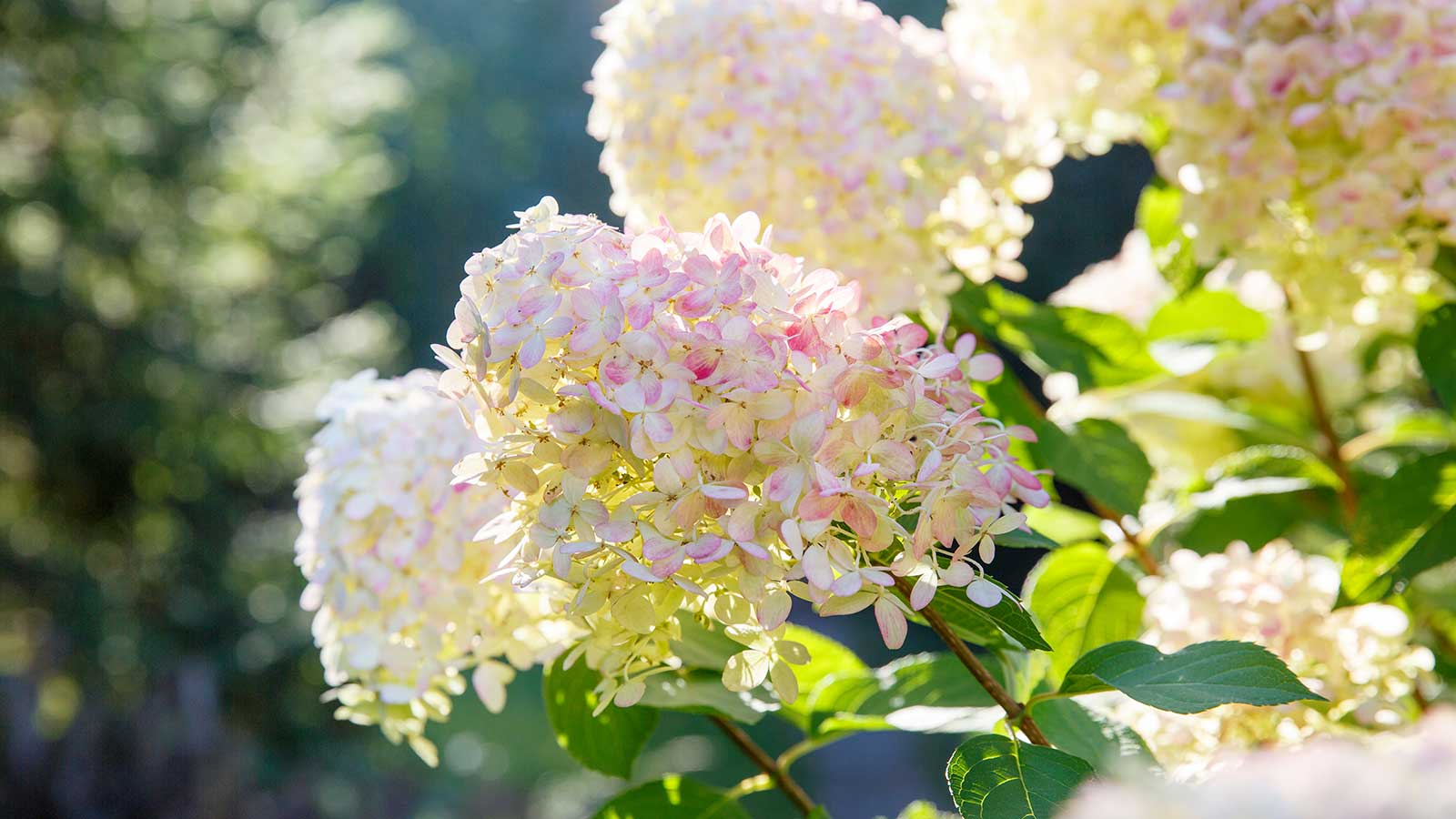
The dream of a lush hydrangea display, reminiscent of those found in cooler, more temperate zones, is entirely achievable even amidst Florida’s unique environmental conditions. From the bustling metropolitan areas of Miami and Orlando to the tranquil coastal communities of Amelia Island and Key West, understanding the specific stressors that affect hydrangeas is the first step toward transforming your garden. This comprehensive guide delves deep into the reasons behind yellowing leaves and scorched foliage, offering actionable insights and expert tips tailored for the Florida gardener. Whether you’re tending a small patio garden in St. Petersburg, enhancing the grounds of a luxurious resort like The Breakers Palm Beach, or simply looking to add a touch of color to your backyard oasis, mastering hydrangea care in Florida is a rewarding journey that blends horticultural science with a love for natural aesthetics.
The Unique Landscape: Navigating Hydrangea Care in Florida’s Climate
Florida’s climate, while ideal for many tropical species and year-round outdoor activities, presents distinct challenges for plants like hydrangeas that typically prefer cooler temperatures and richer soils. The state’s proximity to the equator, coupled with its distinctive geological features, creates a microclimate that can be both a blessing and a curse for gardeners. Successfully growing hydrangeas here requires more than just regular watering; it demands a deep appreciation for the environmental factors at play.
Scorching Sun and Relentless Heat
One of the most obvious antagonists for hydrangeas in Florida is the intense sun and pervasive heat. Unlike their counterparts in regions further north in the United States, hydrangeas in Florida are exposed to prolonged periods of direct, often harsh, sunlight. This relentless solar radiation can quickly lead to leaf scorch, characterized by crispy, brown edges or spots on the foliage. High temperatures also exacerbate water loss through transpiration, demanding more frequent watering and placing significant stress on the plant’s vascular system. Even shade-loving varieties can struggle if they receive too much afternoon sun, especially during the peak summer months.
The Sandy Soil Predicament
Much of Florida’s natural soil composition is characterized by sandy, fast-draining earth. While excellent for preventing waterlogging in some plants, this sandy soil poses a challenge for hydrangeas. Hydrangeas thrive in rich, well-draining soil that retains moisture and nutrients effectively. Sandy soils, conversely, often leach nutrients rapidly and dry out quickly, leaving hydrangeas vulnerable to both drought stress and nutrient deficiencies. This becomes particularly critical when trying to achieve specific bloom colors, as soil pH—which is heavily influenced by soil composition—plays a pivotal role. Resorts and hotels looking to create a vibrant landscape often invest heavily in soil amendments to counteract these natural conditions.
Balancing Humidity and Rainfall
Florida is also known for its high humidity and distinct wet and dry seasons. While humidity can be beneficial, reducing the rate of water loss from leaves, overly humid conditions, especially when combined with high temperatures, can create a breeding ground for fungal diseases. The summer rainy season brings abundant moisture, sometimes leading to overwatering issues if drainage is poor, while the drier winter and spring months necessitate consistent supplemental irrigation. Navigating this balance is crucial, as both extremes can lead to yellowing leaves and overall plant decline. Proper air circulation, a common consideration in landscaping around attractions like Walt Disney World Resort, can help mitigate fungal problems.
Unraveling the Mystery of Yellowing Hydrangeas
Yellow leaves, or chlorosis, are a common cry for help from hydrangeas. While the specific shade and pattern of yellowing can offer clues, the root causes often boil down to issues related to water, nutrients, or soil pH. Identifying the precise problem is key to providing the right remedy and restoring your plant’s lush, green vitality.
Thirsty or Drowning? The Critical Role of Water
Watering is perhaps the single most important factor in hydrangea health, and both too little and too much can lead to yellowing leaves.
- Under-watering/Drought Stress: When hydrangeas don’t receive enough water, their leaves wilt, turn yellow, and eventually become crispy and brown. This is a common issue in Florida’s sandy soils, which dry out quickly. Plants conserve moisture by sacrificing older leaves, which often turn yellow before dropping. If you see your hydrangea wilting regularly, especially during the hottest parts of the day, it’s likely thirsty.
- Over-watering/Root Rot: Conversely, too much water can be equally detrimental. Constantly saturated soil deprives roots of oxygen, leading to root rot. Infected roots cannot absorb water and nutrients, causing the leaves to yellow, often with a slightly translucent appearance, and then turn brown and mushy. This is particularly problematic in areas with poor drainage, which can sometimes be an issue even in well-maintained gardens at locations like Busch Gardens Tampa Bay if irrigation systems are not calibrated correctly for the soil type.
Nutritional Deficiencies: A Hungry Plant’s Cry
Hydrangeas are relatively heavy feeders, and a lack of essential nutrients can quickly manifest as yellowing leaves.
- Iron Chlorosis: This is one of the most common causes of yellowing in hydrangeas, especially in Florida’s alkaline soils. Iron becomes less available to plants when the soil pH is too high. Symptoms include bright yellow leaves with distinct green veins, particularly on new growth. Older leaves may remain green or show less severe yellowing.
- Nitrogen Deficiency: Nitrogen is crucial for lush, green foliage. A lack of nitrogen causes older leaves to turn uniformly pale green or yellow, as the plant moves this mobile nutrient to new growth. The plant’s overall growth may also be stunted.
- Magnesium Deficiency: Similar to nitrogen deficiency, magnesium deficiency typically affects older leaves first, causing them to yellow between the veins while the veins themselves remain green. This can be mistaken for iron chlorosis, but the pattern of yellowing is often distinct, appearing more mottled.
- Other Micronutrients: Deficiencies in other micronutrients like zinc or manganese can also cause various patterns of chlorosis, though they are less common than iron deficiency.
The pH Puzzle: Soil Acidity and Alkalinity
Soil pH is a critical factor for hydrangea health and bloom color, and it significantly impacts nutrient availability. Hydrangeas generally prefer slightly acidic to neutral soils (pH 5.5 to 6.5).
- Alkaline Soil (High pH): Many Florida soils, especially those with a high limestone content, tend to be alkaline (pH above 7.0). In alkaline conditions, essential nutrients like iron, manganese, and phosphorus become less soluble and thus less available for the plant to absorb, even if they are present in the soil. This leads to various nutrient deficiencies, most notably iron chlorosis, which manifests as yellowing leaves with green veins. For those seeking blue hydrangeas, alkaline soil is also a nemesis, as it prevents the absorption of aluminum, which is responsible for blue pigment.
- Acidic Soil (Low pH): While less common in Florida, excessively acidic soil (below pH 5.0) can also cause nutrient imbalances, making certain nutrients like aluminum and manganese overly available, potentially leading to toxicity, which can also result in yellowing or distorted leaves. However, for most Florida gardeners, the challenge is typically too high a pH. Understanding your soil’s pH is a fundamental step, often measured as part of garden planning for residential properties and large-scale landscapes at landmarks or attractions.
Understanding and Preventing Hydrangea Burn
Beyond yellowing, another disheartening sight for Florida hydrangea owners is leaves that appear scorched, brown, and crispy – a clear sign of burning. This is primarily a response to environmental extremes, with the sun and heat being the chief culprits.
The Blistering Effects of Direct Sun Exposure
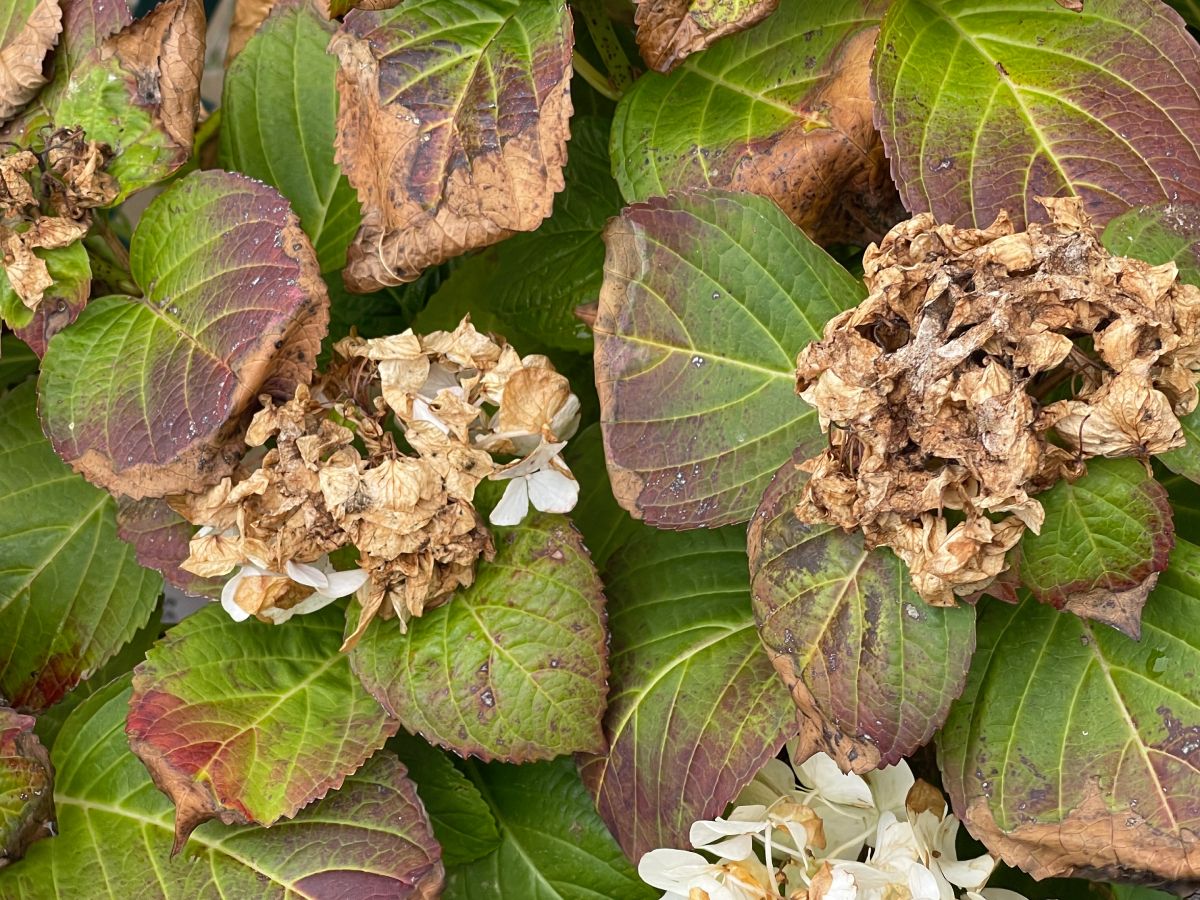
Hydrangeas are not desert plants. They generally prefer morning sun and afternoon shade, especially in hot climates. In Florida, the intensity of the midday and afternoon sun is particularly brutal. When exposed to direct, unfiltered sunlight for too long, the delicate leaf tissues can literally cook.
- Leaf Scorch: This manifests as brown, crispy patches on the leaves, often starting at the edges or tips and progressing inwards. The affected areas might look bleached or parched. It’s the plant’s way of telling you it’s getting too much sun, causing its cells to break down.
- Sunburn on Blooms: Even the flowers can suffer. Direct, intense sun can cause the petals to brown, crisp up, and fade prematurely, significantly shortening the lifespan and aesthetic appeal of the blooms. This is particularly disappointing when cultivating hydrangeas for their visual impact, such as those found in curated gardens at Grand Hyatt Hotel Tampa Bay or other upscale accommodations.
Heat Stress: Beyond Visible Scorching
Beyond the direct burning effect of the sun, ambient high temperatures, even in the shade, can cause general heat stress.
- Wilting: While wilting can be a sign of under-watering, persistent wilting even after watering, or wilting that occurs across the entire plant during peak heat, can indicate that the plant is simply too hot. Its stomata (pores) close to conserve moisture, impacting photosynthesis and overall health.
- Stunted Growth: Prolonged heat stress can lead to a general decline in vigor, slow or stunted growth, and reduced flower production. The plant diverts energy into survival rather than lush growth, making it less resilient to other stressors like pests or diseases. The humid, warm nights in Florida and the Caribbean can also prevent the plant from fully recovering overnight, leading to cumulative stress.
Cultivating Vibrant Hydrangeas: Expert Tips for Florida Gardeners
Achieving a magnificent display of hydrangeas in Florida requires a proactive and informed approach. By implementing strategic planting, precise watering, and thoughtful soil management, you can overcome the climatic challenges and enjoy bountiful blooms. These tips are invaluable for anyone, from a seasoned local gardener in Tampa to a new resident admiring the botanical beauty near Everglades National Park.
Strategic Siting and Shade Solutions
The most critical step is choosing the right location.
- Morning Sun, Afternoon Shade: This is the golden rule for hydrangeas in Florida. They need several hours of morning sun (before 11 AM or noon) to stimulate blooming, but absolute protection from the intense afternoon sun. Plant them on the east side of your house, under the filtered canopy of tall trees, or near a structure that provides shade during the hottest part of the day.
- Container Gardening: For those with limited ideal spots, container gardening offers flexibility. Large pots can be moved to follow the sun’s gentle path and avoid its harsh rays. This is an excellent solution for hotels and resorts that want to feature hydrangeas in their courtyards or entryways, such as the Ritz-Carlton, Naples, allowing them to adjust plant placement seasonally.
- Companion Planting: Strategically plant taller, shade-casting shrubs or small trees nearby to offer natural protection. Ensure good air circulation, however, to prevent fungal issues.
Mastering the Art of Watering
Consistent and correct watering is paramount.
- Deep and Infrequent: Aim for deep watering that encourages roots to grow downwards, rather than frequent shallow watering. Check the soil moisture several inches down before watering again. For Florida’s sandy soils, this might mean watering deeply every 2-3 days during dry periods.
- Morning Watering: Water early in the morning. This allows the foliage to dry before nightfall, reducing the risk of fungal diseases, and gives the plant ample moisture to face the day’s heat.
- Mulch, Mulch, Mulch: A 2-4 inch layer of organic mulch (pine bark, wood chips, pine straw) around the base of the plant is essential. Mulch conserves soil moisture, regulates soil temperature, and slowly adds organic matter as it breaks down, benefiting the sandy Florida soil. Keep mulch a few inches away from the stem.
Tailored Nutrition and Soil Enrichment
Addressing soil composition and nutrient levels is vital for overcoming Florida’s soil challenges.
- Soil Test First: Before adding anything, get a soil test. This will tell you your soil’s pH and nutrient levels, guiding your amendments. Many local agricultural extensions, often associated with universities in Florida, offer this service.
- Amend with Organic Matter: Incorporate generous amounts of compost, peat moss, or well-rotted manure into your planting hole and regularly as a top dressing. This improves water retention, drainage, and nutrient-holding capacity in sandy soils.
- Fertilize Wisely: Use a slow-release, balanced fertilizer formulated for acid-loving plants, if your soil test suggests a need. For iron chlorosis, apply chelated iron foliar sprays or soil amendments specifically designed to lower pH, such as elemental sulfur or sphagnum peat moss. Be cautious with aluminum sulfate for blue hydrangeas, as too much can harm the plant; only use after a soil test confirms high pH and an aluminum deficiency.
- Adjusting pH for Bloom Color: If aiming for blue blooms, you’ll need acidic soil (pH 5.5-6.0) and available aluminum. For pink, a more alkaline soil (pH 6.0-6.5) is preferred. White hydrangeas are generally unaffected by pH.
Selecting Resilient Cultivars for the Sunshine State
Choosing the right hydrangea variety can significantly impact your success.
- Heat-Tolerant Varieties: Look for cultivars specifically bred for heat tolerance, often labeled as “reblooming” or “Endless Summer” types. Hydrangea macrophylla (Bigleaf Hydrangea) varieties like ‘Pistachio’ or ‘Let’s Dance Rhythmic Blue’ can perform well with proper care. Hydrangea paniculata (Panicle Hydrangea) such as ‘Limelight’ or ‘Vanilla Strawberry’ are known for their exceptional heat and sun tolerance, often performing much better in hot Florida sun than bigleaf varieties, though they typically bloom in white and fade to pink, with flower color not dependent on soil pH.
- Oakleaf Hydrangea (Hydrangea quercifolia): This native Florida species is an excellent choice, tolerant of heat, humidity, and more sun than bigleaf hydrangeas. Its distinct oak-shaped leaves and conical white flower clusters (that age to pink) provide year-round interest, especially with its beautiful fall foliage. It’s often seen in naturalistic landscapes, even around popular attractions like Universal Studios Florida in shaded areas.
Hydrangeas: Enhancing the Florida Lifestyle and Landscape
Beyond the technical aspects of cultivation, hydrangeas contribute significantly to the aesthetic and emotional fabric of Florida living. Their presence enriches spaces, transforms gardens into personal havens, and reflects a deep connection to nature that defines much of the Florida lifestyle.
A Touch of Elegance in Resorts and Homes
From the meticulously manicured gardens of luxury hotels like The Breakers Palm Beach to the cozy backyard patios of suburban homes, hydrangeas lend an undeniable air of elegance and charm. Their large, showy blooms create focal points, add splashes of color, and provide a sense of established beauty that enhances curb appeal and overall ambiance. Imagine a stroll through the public gardens of Siesta Key Beach, punctuated by vibrant hydrangeas—it elevates the entire experience. For businesses in the tourism sector, especially those offering accommodation, a thriving hydrangea display can significantly elevate a guest’s impression and contribute to the memorable visual tapestry of their stay. They are a statement of care, attention to detail, and a commitment to creating beautiful surroundings.
The Rewarding Journey of a Florida Gardener
For many, gardening is more than just a hobby; it’s a lifestyle, a form of therapy, and a connection to the natural world. Successfully growing hydrangeas in Florida, despite its challenges, offers immense satisfaction. It’s a testament to patience, observation, and adaptability. The journey of transforming yellowed leaves into vibrant green foliage, or burned blooms into fresh, colorful clusters, provides a unique sense of accomplishment. It encourages a deeper understanding of local ecosystems and sustainable practices, aligning with a growing interest in local culture and engaging with nature. This personal triumph in gardening becomes another facet of the rich and diverse experiences Florida offers, allowing residents and visitors alike to engage with the environment in a hands-on, rewarding way.

Conclusion
The sight of yellowing or burned hydrangea leaves can be disheartening for any gardener in Florida, but it is a clear message from your plants, not a sign of defeat. By understanding the critical factors at play – the intense sun, the unique sandy soil, the delicate balance of watering, and crucial nutrient needs – you are empowered to respond effectively. From strategically selecting planting locations to enriching your soil, choosing resilient cultivars, and mastering your watering regimen, each step brings you closer to cultivating the magnificent hydrangeas you envision.
Embrace the challenge as an opportunity to deepen your gardening knowledge and connect more intimately with the rhythms of Florida’s vibrant environment. With patience and the right practices, your hydrangeas can thrive, transforming your garden into a lush, colorful retreat that not only enhances your personal lifestyle but also contributes to the enduring beauty of the Sunshine State’s diverse landscapes. The dream of breathtaking hydrangea blooms in Florida is not just possible; it’s within your reach, waiting to reward your dedication with an abundance of floral splendor.
LifeOutOfTheBox is a participant in the Amazon Services LLC Associates Program, an affiliate advertising program designed to provide a means for sites to earn advertising fees by advertising and linking to Amazon.com. Amazon, the Amazon logo, AmazonSupply, and the AmazonSupply logo are trademarks of Amazon.com, Inc. or its affiliates. As an Amazon Associate we earn affiliate commissions from qualifying purchases.