
Florida, the Sunshine State, conjures images of pristine beaches, bustling theme parks, and vibrant cityscapes. Yet, beneath the veneer of popular tourist attractions, lies a rich tapestry of natural beauty and diverse wildlife waiting to be discovered. For many visitors, the idea of encountering deer in Florida might seem a little out of place, perhaps more suited to the rolling hills of the Midwest or the dense forests of the Northeast. However, to the delight of nature enthusiasts and wildlife photographers, the answer is a resounding yes: deer are not only present in Florida, but they thrive across its varied landscapes, offering unique opportunities for observation and eco-tourism experiences.
This comprehensive guide delves into the fascinating world of Florida’s deer population, exploring their habitats, where to find them, and how their presence enriches the state’s already robust tourism offerings. From pristine national forests and expansive state parks to secluded wildlife refuges, we’ll navigate the best spots for wildlife viewing, discuss responsible tourism practices, and even touch upon accommodation options that place you at the heart of Florida’s natural wonders, allowing you to merge the thrill of a wildlife safari with the comfort of a luxury getaway or a family-friendly adventure.
Florida’s Diverse Ecosystems: A Deer Haven
Florida’s unique geography, characterized by subtropical climates, vast wetlands, dense forests, and coastal ecosystems, creates a mosaic of habitats perfectly suited for a variety of wildlife, including its prominent deer population. Far from being a uniform landscape, the state offers everything from the pine flatwoods of Ocala National Forest to the cypress swamps of Big Cypress National Preserve, each providing food, shelter, and breeding grounds for these graceful creatures.
White-tailed Deer: The Sunshine State’s Primary Resident
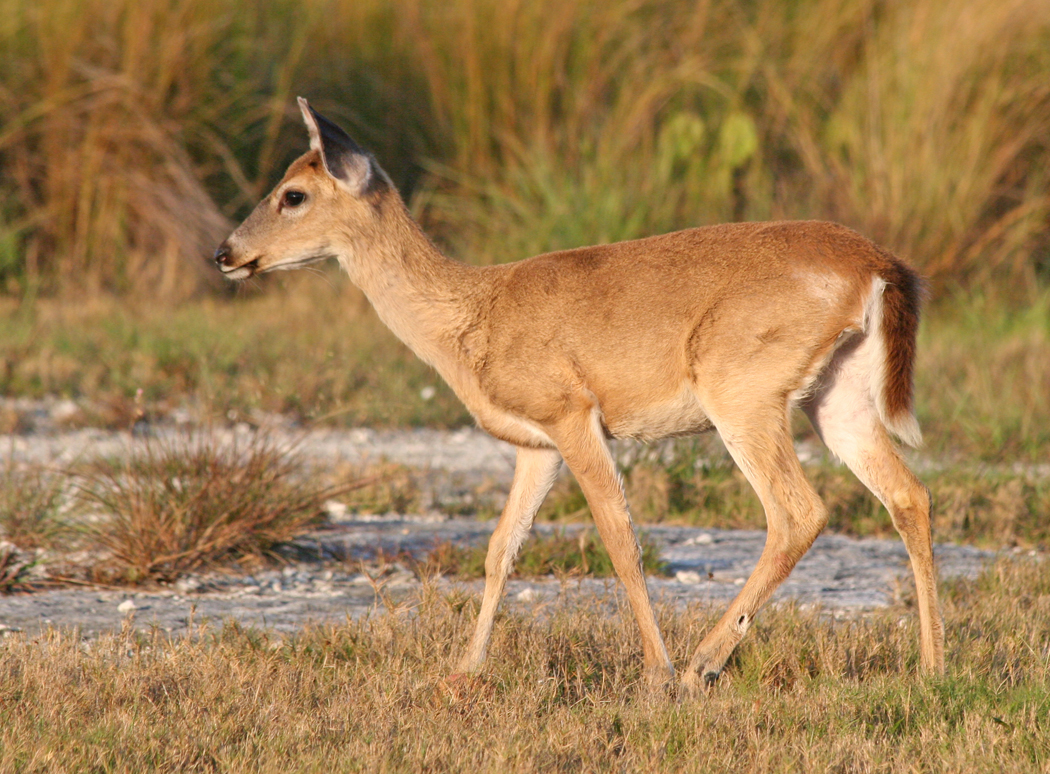
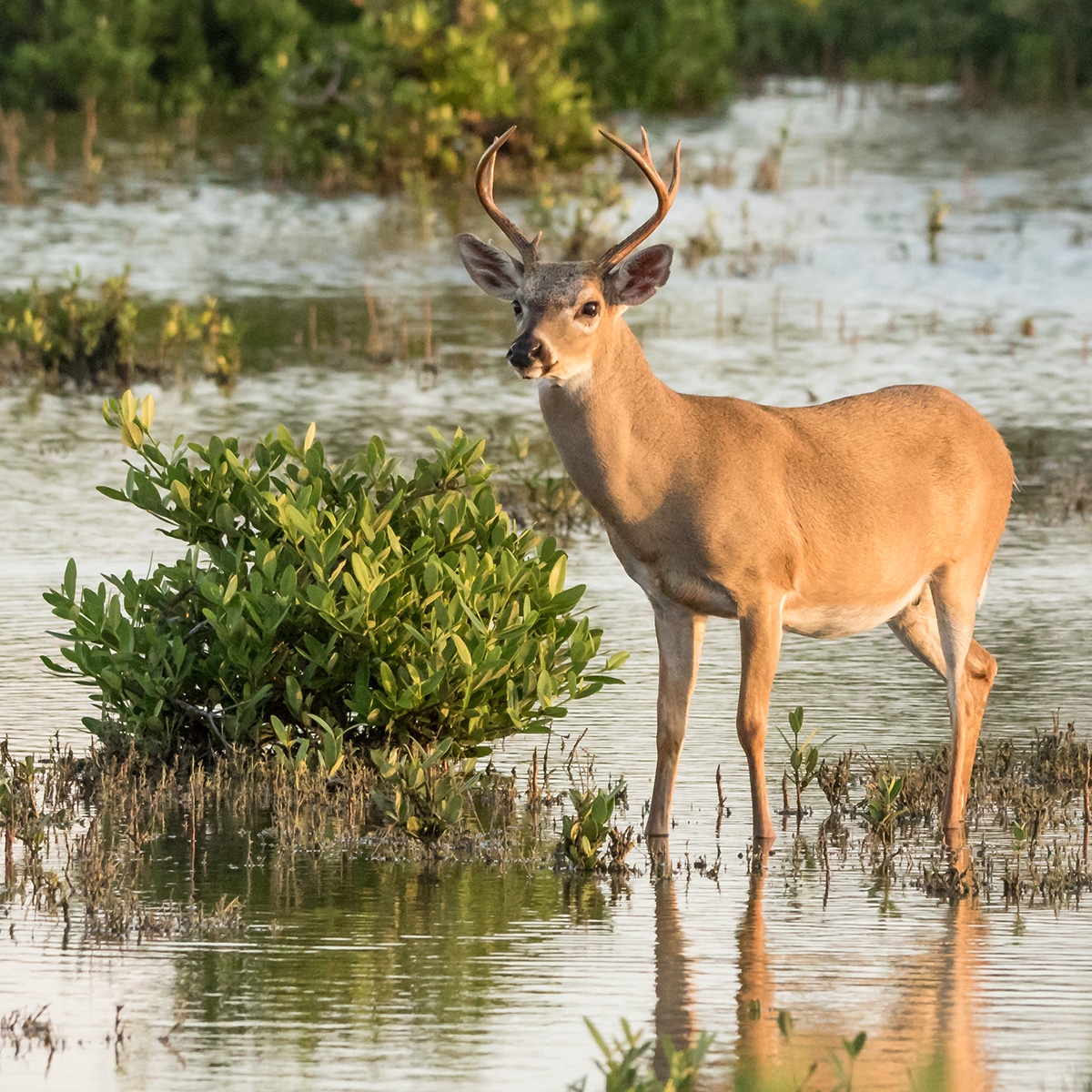
The primary deer species found throughout Florida is the white-tailed deer (Odocoileus virginianus). While sharing similarities with their northern cousins, Florida’s white-tailed deer have adapted to the warmer climate, generally being smaller in stature. These adaptations include a reddish-brown coat that often appears lighter in hue compared to northern populations, and a relatively shorter lifespan, though this can vary greatly based on habitat quality and predator presence. Their distinct white tail, which they flag when alarmed, is a common and often breathtaking sight for those fortunate enough to witness it in the wild.
These agile and adaptable animals are crucial to Florida’s ecosystems, playing a vital role in seed dispersal and maintaining the health of various plant communities. Their diet primarily consists of leaves, twigs, fruits, and fungi, demonstrating their flexibility in foraging across different environments. From the Panhandle’s timberlands to the central ridge’s scrub oak forests, and even the edges of suburban developments, white-tailed deer have carved out a significant presence, underscoring the state’s capacity to support diverse natural life alongside its bustling urban centers and popular tourist destinations like Orlando and Miami.
Habitat and Range Across Florida
White-tailed deer are remarkably widespread across Florida, inhabiting nearly all terrestrial ecosystems with the exception of the most densely developed urban areas and the extreme southern Florida Keys, where suitable habitat is scarce. Their preference leans towards areas with a mix of dense cover for shelter and open clearings for foraging, making many of Florida’s state parks, national forests, and wildlife management areas ideal locations.
- North Florida: This region, including the Panhandle, boasts extensive forests such as Blackwater River State Forest and the expansive Apalachicola National Forest. These areas provide vast tracts of pine and hardwood forests, offering prime habitat for deer. Visitors to cities like Tallahassee or Gainesville will find themselves within easy reach of these natural havens.
- Central Florida: Despite the urban sprawl of Orlando and Tampa, Central Florida still harbors significant natural areas. Ocala National Forest is a prime example, known for its sand pine scrub, longleaf pine forests, and numerous springs, all of which support healthy deer populations. Kissimmee Prairie Preserve State Park also offers vast open prairies where deer are frequently spotted.
- Southwest Florida: Areas around Naples and Sarasota are flanked by crucial wetlands and protected preserves. Myakka River State Park is renowned for its diverse wildlife, including deer, which can be seen grazing in its open fields or along the riverbanks. The Everglades National Park and Big Cypress National Preserve, while famous for alligators and panthers, also host deer, particularly in the drier pinelands and prairies.
The consistent presence of white-tailed deer across these varied habitats underscores Florida’s commitment to preserving its natural heritage and offers countless opportunities for travelers interested in experiencing the state’s wilder side.
Integrating Wildlife into Your Florida Travel Itinerary
For travelers seeking an authentic connection with nature, incorporating wildlife viewing into a Florida vacation adds an enriching dimension to the typical sun-and-sand itinerary. Spotting deer in their natural environment can be a tranquil and rewarding experience, offering a stark contrast to the lively beaches and theme parks. It’s an opportunity to slow down, observe, and appreciate the quieter beauty of the state.
Prime Destinations for Deer Spotting
To maximize your chances of seeing deer, strategic planning is key. Early morning and late afternoon are generally the best times for wildlife observation, as deer are most active during dawn and dusk. Here are some of Florida’s top destinations where deer sightings are common:
- Ocala National Forest: As one of the state’s most popular natural attractions, this forest offers numerous trails and scenic drives ideal for deer spotting. The varied terrain and abundant vegetation create a perfect habitat. Consider visiting areas around the many natural springs, where deer often come to drink.
- Myakka River State Park: Located near Sarasota, this park is a haven for wildlife. Its expansive grasslands, hammock forests, and wetlands make it an excellent location for observing deer, often alongside alligators, wild hogs, and a multitude of bird species. The canopy walk provides a unique perspective of the forest ecosystem.
- Paynes Prairie Preserve State Park: Just south of Gainesville, this vast savanna is famous for its wild horses and bison, but it’s also a superb spot for deer. The open landscape allows for unobstructed views, especially from observation towers or along the numerous trails.
- St Marks National Wildlife Refuge: Situated on the Panhandle coast, this refuge is primarily known for its migratory birds but also hosts healthy populations of white-tailed deer. The diverse habitats, including coastal marshes, freshwater pools, and pine forests, provide excellent viewing opportunities.
- Kissimmee Prairie Preserve State Park: This sprawling preserve in Central Florida is one of the last remaining tracts of Florida dry prairie. Its remote location and vast open spaces make it an ideal spot for spotting deer and other large mammals in a truly wild setting.
When planning your trip, consider checking park websites or calling ahead for specific wildlife viewing tips or recent sightings. Local guides can also offer invaluable insights into the best spots and times for encounters.
Responsible Wildlife Tourism: Tips for Observation
Engaging in wildlife tourism comes with a responsibility to protect both the animals and their habitats. Adhering to ethical viewing practices ensures that these experiences remain sustainable for future generations.
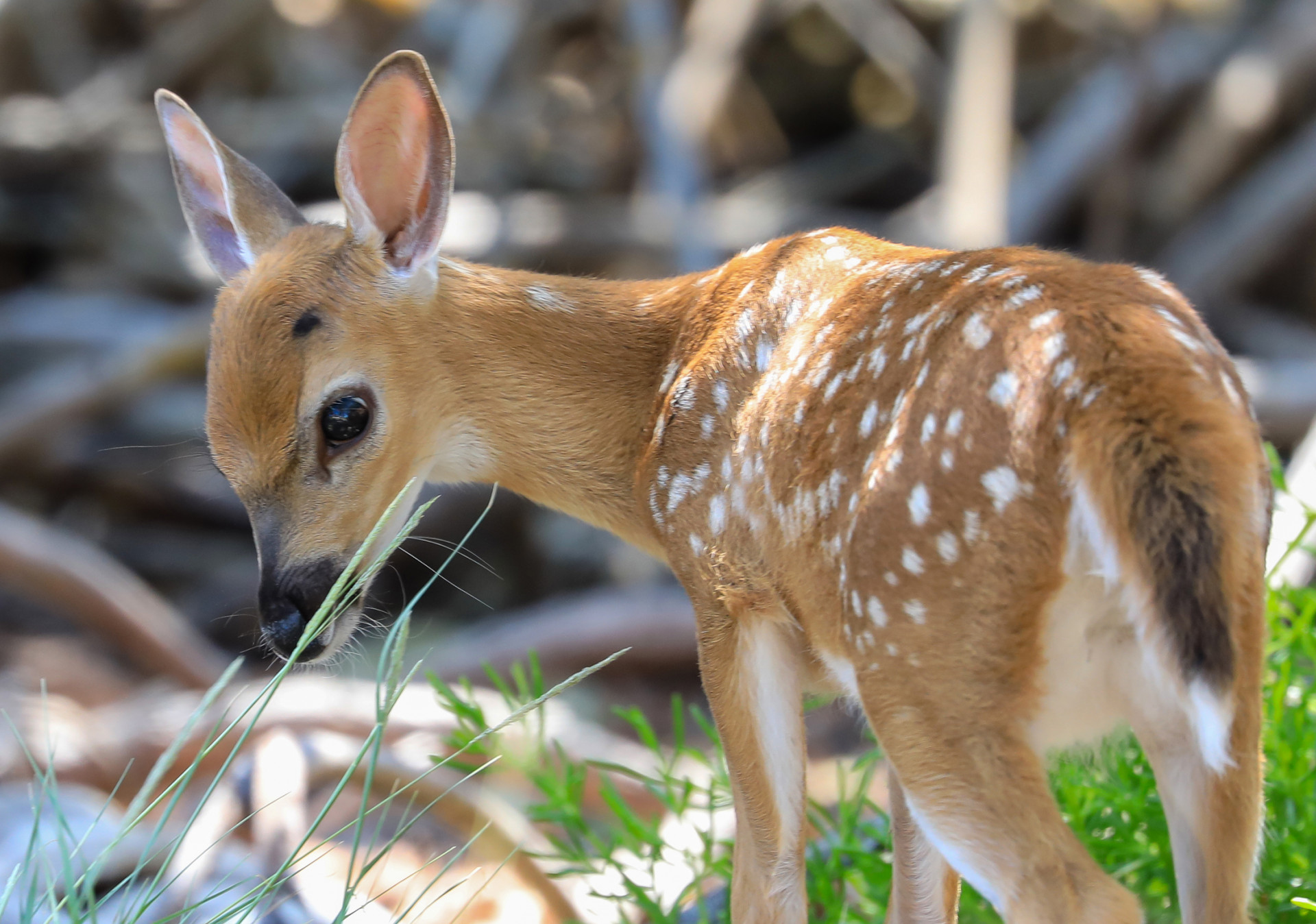
- Maintain a Safe Distance: Always observe deer from a respectful distance. Getting too close can stress animals, alter their natural behavior, or even provoke defensive reactions, particularly during fawning season.
- Never Feed Wildlife: Feeding deer, or any wild animal, can lead to dependency on human food sources, aggression towards people, and the spread of diseases. It also disrupts their natural foraging behaviors.
- Stay on Marked Trails: Venturing off-trail can damage fragile ecosystems and disturb hidden wildlife. Stick to designated paths to minimize your impact on the environment.
- Be Quiet and Patient: Deer are shy creatures. Move slowly and quietly, and be prepared to wait patiently. Sometimes the most rewarding sightings come to those who take their time.
- Use Binoculars or a Telephoto Lens: These tools allow for close-up views without encroaching on the animals’ space, enhancing your experience while maintaining a safe distance.
- Respect Their Environment: Take all trash with you and leave no trace of your visit. Preserve the natural beauty for the animals and for other visitors.
By following these guidelines, you contribute to the conservation of Florida’s wildlife and ensure a positive, respectful experience for everyone involved.
Accommodations and Experiences for Nature Enthusiasts
Florida’s extensive network of natural areas means that travelers seeking to immerse themselves in wildlife viewing have a range of accommodation options. From rustic camping to luxurious eco-resorts, there’s a stay to suit every preference and budget, often placing you right on the doorstep of deer habitat.
Eco-Friendly Resorts and Lodges
For those who desire comfort without compromising their connection to nature, Florida offers several eco-friendly resorts and lodges designed to blend seamlessly with their surroundings. These establishments often prioritize sustainability, offer guided nature tours, and provide amenities that enhance the wildlife viewing experience.
- Lodge at Wakulla Springs: Located within Edward Ball Wakulla Springs State Park near Tallahassee, this historic lodge offers an immersive experience. While famous for its spring and riverboat tours, the surrounding park is rich in wildlife, and deer are common sightings in the early morning around the lodge grounds or along the nature trails.
- Amelia Island Plantation Resort: On Amelia Island in northeast Florida, this resort is set amidst maritime forests and offers a harmonious blend of luxury and nature. Deer are frequently spotted on the golf courses and within the resort’s natural areas, providing a unique backdrop to your stay.
- Boutique Eco-Lodges: Many smaller, independently run lodges and cabins can be found near state parks and national forests across Florida. These often provide a more intimate experience, focusing on local culture and sustainable tourism. They might offer guided nature walks, kayak rentals for exploring waterways, or simply a tranquil setting where wildlife comes to you.
- Luxury Glamping: For those seeking a blend of outdoor adventure and upscale comfort, glamping sites are emerging near Florida’s natural landmarks. These often feature furnished tents or cabins with amenities, allowing you to enjoy the sounds of nature and perhaps even spot deer from your private deck, without sacrificing comfort.
When booking, look for accommodations that emphasize their proximity to natural areas, offer wildlife tours, or have a strong commitment to environmental conservation. Websites specializing in eco-tourism or nature resorts can be excellent resources for finding these hidden gems.
Budget-Friendly Stays Near Nature
Experiencing Florida’s natural beauty and wildlife doesn’t require a hefty budget. The state’s extensive park system provides numerous affordable options for travelers.
- State Park Cabins and Campgrounds: Many Florida State Parks, including Myakka River State Park and O’Leno State Park, offer well-maintained campgrounds and rustic cabins. Camping provides an unparalleled opportunity to be fully immersed in nature, waking up to the sounds of the forest and having the best chance of spotting deer near your campsite during dawn or dusk. These are ideal for family trips or budget-conscious adventurers.
- Vacation Rentals: Platforms offering vacation rentals often list properties adjacent to or within a short drive of natural preserves and forests. Renting a cabin or a house provides flexibility and a home-away-from-home feel, often with the added benefit of private access to nature trails or secluded spots for wildlife viewing.
- Hostels and Guesthouses: In towns bordering natural areas, budget-friendly hostels and guesthouses cater to hikers, bikers, and nature lovers. These often provide local insights and a community feel, perfect for solo travelers or small groups looking for adventure on a shoestring.
The key to a successful budget-friendly trip is to research and book well in advance, especially during peak seasons, as popular park accommodations can fill up quickly.
Beyond Deer: The Broader Appeal of Florida’s Natural Landmarks
While deer are a delightful part of Florida’s wildlife, they are just one component of a much larger, vibrant natural world. The state’s natural landmarks offer a diverse array of experiences, cementing Florida’s reputation as a top destination for nature and adventure tourism.
Exploring Iconic Natural Preserves
Florida’s commitment to preserving its natural heritage is evident in its numerous national parks, state parks, and wildlife refuges, which serve as crucial landmarks for both conservation and tourism.
- Everglades National Park: A UNESCO World Heritage Site, this iconic wetland is a mosaic of sawgrass prairies, cypress swamps, and mangrove forests. While famous for alligators, wading birds, and the elusive Florida panther, deer are also found in its pinelands. Airboat tours, ranger-led programs, and kayaking adventures offer immersive ways to explore this unique ecosystem.
- Big Cypress National Preserve: Adjoining the Everglades, Big Cypress protects a vast freshwater swamp that feeds the Everglades. It’s a haven for a variety of wildlife, including white-tailed deer, and offers opportunities for hiking, birdwatching, and even swamp buggy tours.
- Florida Trail: For serious hikers, portions of the Florida Trail (a National Scenic Trail) traverse many of the state’s most pristine natural areas, offering unparalleled opportunities for extended wildlife viewing and deep immersion in Florida’s diverse landscapes.
- Coastal Preserves: Beyond the inland forests, Florida’s extensive coastline is dotted with barrier island parks and coastal refuges, protecting critical habitats for sea turtles, shorebirds, and marine life. Places like Gulf Islands National Seashore offer beautiful beaches and dunes, providing a different perspective of Florida’s natural beauty.
These landmarks are not just places to visit; they are experiences that connect you to the raw, untamed heart of Florida, far removed from the manufactured magic of Disney World or the bustling energy of South Beach.
Lifestyle Choices: From Luxury Safaris to Family Nature Trips
Florida’s natural attractions cater to a wide range of travel lifestyles. Whether you’re a thrill-seeker, a luxury traveler, a family on an educational trip, or a budget adventurer, there’s a way to engage with the state’s wild side.
- Luxury Travel: Imagine staying at a five-star resort like The Ritz-Carlton, Naples on Florida’s Gulf Coast, enjoying world-class amenities after a day of guided wildlife photography in a nearby preserve, perhaps followed by a gourmet meal featuring local produce. Some private preserves offer exclusive “safari” experiences with expert naturalists.
- Budget Travel: Backpackers and campers can explore state parks and national forests for minimal cost, packing a tent and heading out to discover trails and wildlife on their own terms. This offers freedom and a deep connection with nature that’s hard to beat.
- Family Trips: Florida’s nature parks are fantastic for families. Educational ranger programs, easy walking trails, and interpretive centers make learning about deer and other animals fun and engaging for children of all ages. Many parks have picnic areas and playgrounds, making for a perfect day out.
- Business Stays with a Twist: Even business travelers in cities like Jacksonville or Fort Lauderdale can find natural escapes within a short drive. A morning hike or an evening drive through a local park can provide a refreshing break from conference rooms and city lights, proving that natural encounters are accessible even during busy schedules.
Embracing Florida’s natural side means opening up to experiences that transcend typical tourism, offering a deeper understanding and appreciation for the state’s ecological richness. It’s about recognizing that Florida is not just a destination for entertainment, but also a sanctuary for wildlife and a playground for the naturally curious.
So, the next time you plan a trip to Florida, consider carving out time to explore beyond the well-trodden paths. Seek out the quiet moments, immerse yourself in the natural landscapes, and who knows, you might just find yourself face-to-face with the graceful white-tailed deer, a testament to the wild heart beating beneath Florida’s sunny exterior. It’s an experience that truly redefines travel, offering memories that are as enduring as the ancient forests and timeless prairies themselves.
LifeOutOfTheBox is a participant in the Amazon Services LLC Associates Program, an affiliate advertising program designed to provide a means for sites to earn advertising fees by advertising and linking to Amazon.com. Amazon, the Amazon logo, AmazonSupply, and the AmazonSupply logo are trademarks of Amazon.com, Inc. or its affiliates. As an Amazon Associate we earn affiliate commissions from qualifying purchases.