
Dallas, Texas, a sprawling metropolis in the heart of the United States, is more than just a dot on the map; it’s a vibrant, multifaceted hub that defies simple categorization. When one asks, “What zone is Dallas?” the answer isn’t singular but a rich tapestry woven from geographic, climatic, economic, and cultural threads. For travelers, understanding these various “zones” is key to unlocking the full potential of a visit, whether it’s for business, leisure, or a blend of both. From its pivotal role in the Central Time Zone to its distinct USDA Plant Hardiness Zone, and from its dynamic tourism districts to its burgeoning economic corridors, Dallas presents an intricate landscape for exploration.
This article delves into the various “zones” that define Dallas, offering insights crucial for planning your next adventure. We’ll explore its geographical and temporal positioning, its unique climate, and its diverse neighborhoods that act as micro-zones of culture, cuisine, and accommodation. Whether you’re seeking luxury resorts, budget-friendly stays, family-friendly attractions, or business amenities, Dallas caters to every lifestyle, making it a premier destination in North Texas.
Navigating Dallas’s Time Zone and Geographic Place
The first and most straightforward answer to “What zone is Dallas?” often refers to its position on the global clock. However, its geographical placement also dictates much about its climate, culture, and connectivity.
Central Time: A Traveler’s Primary Consideration
Dallas, Texas, operates on Central Standard Time (CST) during the fall and winter months, which is UTC-6. During daylight saving time, observed from spring to fall, it switches to Central Daylight Time (CDT), which is UTC-5. This places Dallas in sync with many other major cities across the middle belt of the United States, including Chicago, New Orleans, and Kansas City.
For travelers, understanding the Central Time Zone is fundamental for scheduling flights, meetings, and activities, especially when arriving from or departing to different time zones. Most business travelers find Dallas’s central location convenient for conducting cross-country operations, minimizing the impact of significant time differences. For leisure travelers, it simply means adjusting watches and ensuring seamless transitions into the vibrant rhythm of the city.
Dallas in the Heart of North Texas
Geographically, Dallas is situated in North Texas, an expansive region characterized by rolling prairies, urban centers, and a blend of Southern charm and modern dynamism. It’s not far from the borders of Oklahoma to the north, and within reasonable driving distance of Louisiana, Arkansas, and New Mexico. This central location makes Dallas an excellent base for exploring the wider South Central United States.
The city’s flat topography has facilitated its impressive urban sprawl and infrastructure development, including the vast highway systems that connect its various districts and the larger Dallas-Fort Worth Metroplex. This accessibility is a major draw for tourists and businesses alike. From iconic Dallas landmarks to expansive parks, the city’s layout encourages exploration by car, public transport, or even dedicated walking and biking trails.
Dallas’s Climate and Environmental Zones: Beyond the Urban Core
Beyond time and geography, Dallas’s climate plays a significant role in defining its outdoor attractions and the type of experiences visitors can expect throughout the year.
Understanding Dallas’s USDA Plant Hardiness Zone
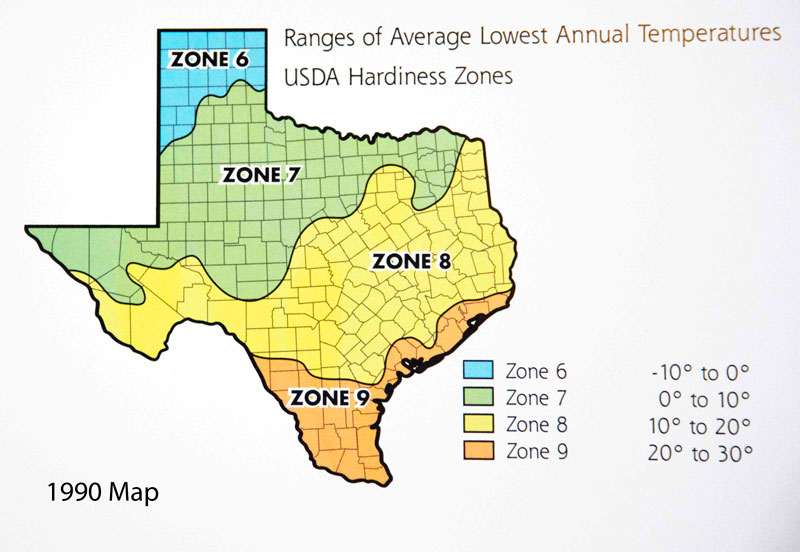
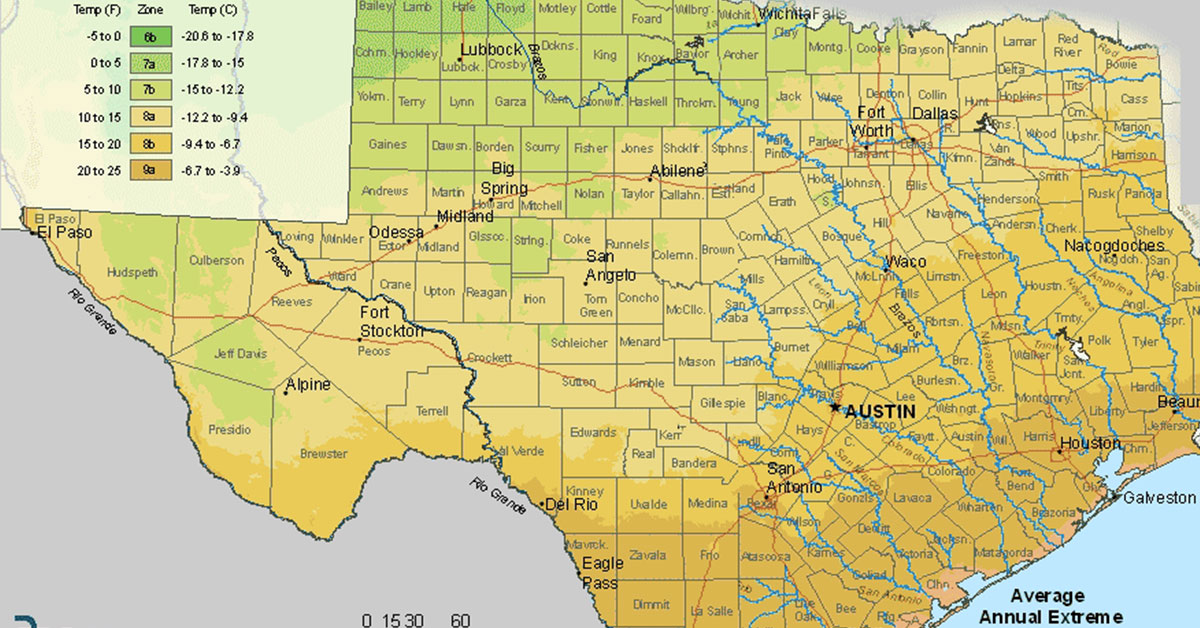
For gardening enthusiasts and those interested in the natural environment, Dallas falls primarily within USDA Plant Hardiness Zone 8a. This zone classification indicates the average annual extreme minimum winter temperature, which for Dallas ranges from 10°F to 15°F (-12.2°C to -9.4°C). This relatively mild winter climate allows for a long growing season and a diverse array of plant life, contributing to the city’s lush parks and gardens.
Understanding this zone is important for tourists interested in botanical attractions or simply appreciating the local flora. It explains why destinations like the Dallas Arboretum and Botanical Garden can host such a vibrant collection of plants year-round, making it a beautiful spot for a leisurely stroll or a family outing regardless of the season.
Outdoor Adventures and Green Spaces
The climate in Dallas, characterized by hot summers and mild winters, shapes the city’s outdoor lifestyle. Spring and fall are particularly pleasant, ideal for enjoying the many parks and green spaces.
- White Rock Lake: A sprawling urban oasis, perfect for kayaking, paddleboarding, cycling, and running. Its scenic trails and panoramic views make it a popular spot for both locals and visitors.
- Klyde Warren Park: An innovative deck park built over a freeway, connecting Uptown and Downtown Dallas. It’s a hub of activity with food trucks, free classes, and a children’s park, offering a quintessential Dallas urban experience.
- Katy Trail: A beloved urban trail system built on an old railway line, stretching through some of Dallas’s most vibrant neighborhoods. It’s perfect for walking, jogging, and biking, offering a unique perspective of the city’s lifestyle.
These green zones provide a refreshing contrast to the urban landscape and are integral to the quality of life and tourism appeal of Dallas.
Dallas as a Tourism and Lifestyle Zone: A Hub of Activity

Perhaps the most dynamic interpretation of “Dallas’s zone” for a traveler is its identity as a premier tourism and lifestyle destination. The city isn’t a monolithic entity but a collection of distinct neighborhoods, each offering its own unique flavor, attractions, and accommodation options.
Diverse Neighborhoods: Micro-Zones of Experience
Dallas’s urban fabric is woven from diverse districts, each a “zone” unto itself, catering to different tastes and interests:
- Downtown Dallas: The central business district, but also home to major landmarks like the Sixth Floor Museum at Dealey Plaza, the Dallas World Aquarium, and the AT&T Discovery District. It’s ideal for business stays and those looking for easy access to convention centers and iconic sights.
- Dallas Arts District: A cultural powerhouse, boasting institutions like the Dallas Museum of Art, the Nasher Sculpture Center, and the Crow Museum of Asian Art. This zone is perfect for art and culture enthusiasts.
- Uptown Dallas: Known for its upscale restaurants, trendy bars, and vibrant nightlife. It’s a sophisticated zone for luxury travelers and those seeking a lively social scene.
- Deep Ellum: A historic entertainment district famous for its live music venues, colorful murals, and eclectic shops. This zone is a magnet for music lovers and those looking for a bohemian, energetic vibe.
- Bishop Arts District: Located in Oak Cliff, this charming neighborhood is celebrated for its independent boutiques, art galleries, and diverse culinary scene, offering a more local and intimate experience.
- West End Historic District: A historic zone with red-brick warehouses converted into shops, restaurants, and entertainment venues, often combined with visits to the Sixth Floor Museum.
- Knox-Henderson: An affluent area known for its chic boutiques, home furnishing stores, and a variety of dining options, offering a blend of shopping and culinary experiences.
Exploring these different zones allows visitors to tailor their Dallas experiences to their specific interests, from high culture to vibrant nightlife, from serene parks to bustling markets.
Accommodation Zones: Where to Stay in Dallas
The diversity of Dallas’s neighborhoods naturally extends to its accommodation options, with specific zones catering to different budgets and preferences.
- Luxury Travel: For those seeking opulent experiences, Uptown Dallas and parts of Downtown are home to world-class Dallas hotels like the Hotel Crescent Court or The Ritz-Carlton, Dallas. These establishments offer exquisite suites, resorts-style amenities, fine dining, and unparalleled service, often with stunning city views.
- Business Stays: Downtown Dallas remains the prime zone for business travelers, offering a plethora of business-friendly hotels such as the Omni Dallas Hotel, often connected to convention centers and close to corporate offices. These properties typically feature extensive meeting facilities, executive lounges, and convenient access to transport links like Dallas/Fort Worth International Airport (DFW) and Dallas Love Field.
- Budget Travel & Mid-Range Options: Areas slightly outside the immediate city center, or properties designed for extended stays, offer more affordable yet comfortable accommodation. Brands like Cambria Hotel Dallas Downtown or Staybridge Suites Dallas Downtown provide excellent value, often with amenities like kitchenettes and complimentary breakfast, perfect for families or longer visits.
- Unique Stays: Boutique hotels in districts like Deep Ellum or the Bishop Arts District offer a more personalized and local experience, immersing guests in the neighborhood’s unique atmosphere. For those seeking long-term stays, numerous apartments and serviced villas are available across various districts, particularly in developing areas like Trinity Groves or near corporate campuses in Plano’s Legacy West.
Choosing the right accommodation zone depends on the purpose of the trip, budget, and desired atmosphere, highlighting the importance of comparison and reviews during the booking process.
Culinary Zones: A Taste of Dallas
Dallas’s culinary scene is as diverse as its population, with specific zones known for particular gastronomic experiences:
- Fine Dining: Uptown and Highland Park are the epicenters for upscale restaurants, offering everything from steakhouses to modern American cuisine and international flavors.
- Casual & Trendy Eats: Bishop Arts District, Deep Ellum, and Lower Greenville are renowned for their eclectic mix of casual eateries, food trucks, craft breweries, and diverse international cuisines. This is where you can find vibrant Dallas food culture, from Tex-Mex to barbecue.
- Breakfast & Brunch: Many neighborhoods, including Knox-Henderson and Oak Lawn, boast popular spots for brunch, a beloved Dallas tradition.
Food tours are an excellent way to sample the culinary landscape of these zones, offering insights into local culture and history through the lens of taste.
Dallas: An Economic and Cultural Power Zone
Finally, Dallas stands as a significant economic and cultural power zone, impacting not just Texas but the entire nation. This aspect is vital for understanding its role as a destination for both business and leisure.
Business and Innovation: A Modern Metropolis
Dallas is a major business hub, home to numerous Fortune 500 companies and a thriving ecosystem for technology, finance, and logistics. Its strategic location, robust infrastructure, and business-friendly environment have cemented its status as an economic powerhouse. This dynamic environment attracts a continuous stream of business travelers, conferences, and conventions, making it a critical zone for corporate activity. The presence of two major airports, Dallas/Fort Worth International Airport (DFW) and Dallas Love Field, underscores its connectivity and importance as a global gateway.
Cultural Crossroads: Arts, History, and Southern Hospitality
Culturally, Dallas is a fascinating blend of its Southern roots and its modern, cosmopolitan aspirations. The city embraces its Texas heritage while fostering a vibrant arts scene.
- Arts and Museums: The Dallas Arts District is the largest contiguous urban arts district in the United States, showcasing world-class museums and performance venues. The Perot Museum of Nature and Science offers interactive exhibits for families, while the Sixth Floor Museum at Dealey Plaza provides a solemn look into a pivotal moment in American history.
- History and Heritage: Beyond the museums, historical sites across the city, including the revitalized West End Historic District, offer glimpses into Dallas’s past. The annual State Fair of Texas at Fair Park is a celebration of Texas culture, complete with its iconic Big Tex statue and events at the Cotton Bowl Stadium.
- Southern Hospitality: Despite its urban scale, Dallas retains a strong sense of Southern hospitality, evident in its friendly demeanor, service-oriented culture, and community events. This welcoming atmosphere is a defining characteristic for visitors, making for a pleasant travel experience.
From the historic Fort Worth Stockyards just a short drive away to the ultra-modern architecture dominating the skyline, Dallas is a dynamic zone where history and progress coexist, creating a unique and compelling narrative for every visitor.
In conclusion, “What zone is Dallas, Texas?” is a question with many answers. It is primarily in the Central Time Zone and USDA Plant Hardiness Zone 8a. More broadly, it is a significant geographic, economic, and cultural zone in the United States. For travelers, it represents a diverse collection of micro-zones, each offering distinct experiences in terms of attractions, dining, and accommodation. Whether you’re planning a luxury escape, a budget-friendly adventure, a family vacation, or a crucial business trip, understanding these various zones will help you navigate Dallas and maximize your visit to this extraordinary Texas city.
LifeOutOfTheBox is a participant in the Amazon Services LLC Associates Program, an affiliate advertising program designed to provide a means for sites to earn advertising fees by advertising and linking to Amazon.com. Amazon, the Amazon logo, AmazonSupply, and the AmazonSupply logo are trademarks of Amazon.com, Inc. or its affiliates. As an Amazon Associate we earn affiliate commissions from qualifying purchases.