
As the landscape of cannabis legalization continues to evolve across the United States, many travelers and residents alike ponder the accessibility of cannabis products in various states. Texas, a state often perceived as traditional, presents a unique and nuanced situation regarding cannabis dispensaries. While recreational marijuana remains illegal, Texas has established a limited medical cannabis program. Understanding this distinction is crucial for anyone visiting or residing in the Lone Star State and seeking information about cannabis.
Texas’s Medical Marijuana Program: A Closer Look
The journey towards medical cannabis in Texas has been a gradual one. In 2015, Governor Greg Abbott signed the Texas Compassionate Use Program (TCUP) into law. This legislation, while a significant step, is considerably more restrictive than medical marijuana programs in many other states. It permits low-THC cannabis to be prescribed for a narrow list of qualifying medical conditions.
Qualifying Conditions
Initially, TCUP allowed prescriptions for epilepsy and seizure disorders. Over time, the program has expanded, though cautiously. Current qualifying conditions, as of recent legislative updates, include:
- Epilepsy and other seizure disorders
- Multiple Sclerosis
- Spasticity
- Amyotrophic Lateral Sclerosis (ALS)
- Autism
- Terminal cancer
- Post-traumatic stress disorder (PTSD)
It is important to note that this list is not exhaustive and is subject to change based on legislative action and recommendations from the Texas Department of Public Safety (DPS). Patients seeking to qualify must obtain a prescription from a physician registered with the Compassionate Use Registry of Texas.
Low-THC Cannabis
A defining characteristic of the Texas medical program is its focus on “low-THC” cannabis. This means that the tetrahydrocannabinol (THC) content in prescribed products cannot exceed 0.5% by weight. The primary active compound available in these products is cannabidiol (CBD), which is non-intoxicating and is associated with various potential therapeutic benefits.
Prescribing Physicians and Patients
To access medical cannabis in Texas, patients must be diagnosed with a qualifying condition by a physician who is registered with the state’s Compassionate Use Registry. These physicians undergo specialized training to understand the TCUP regulations and how to safely prescribe low-THC cannabis. Once prescribed, the patient’s information is entered into the registry, allowing them to purchase the medication from a licensed dispensary.
Licensed Dispensaries in Texas: Navigating the Landscape
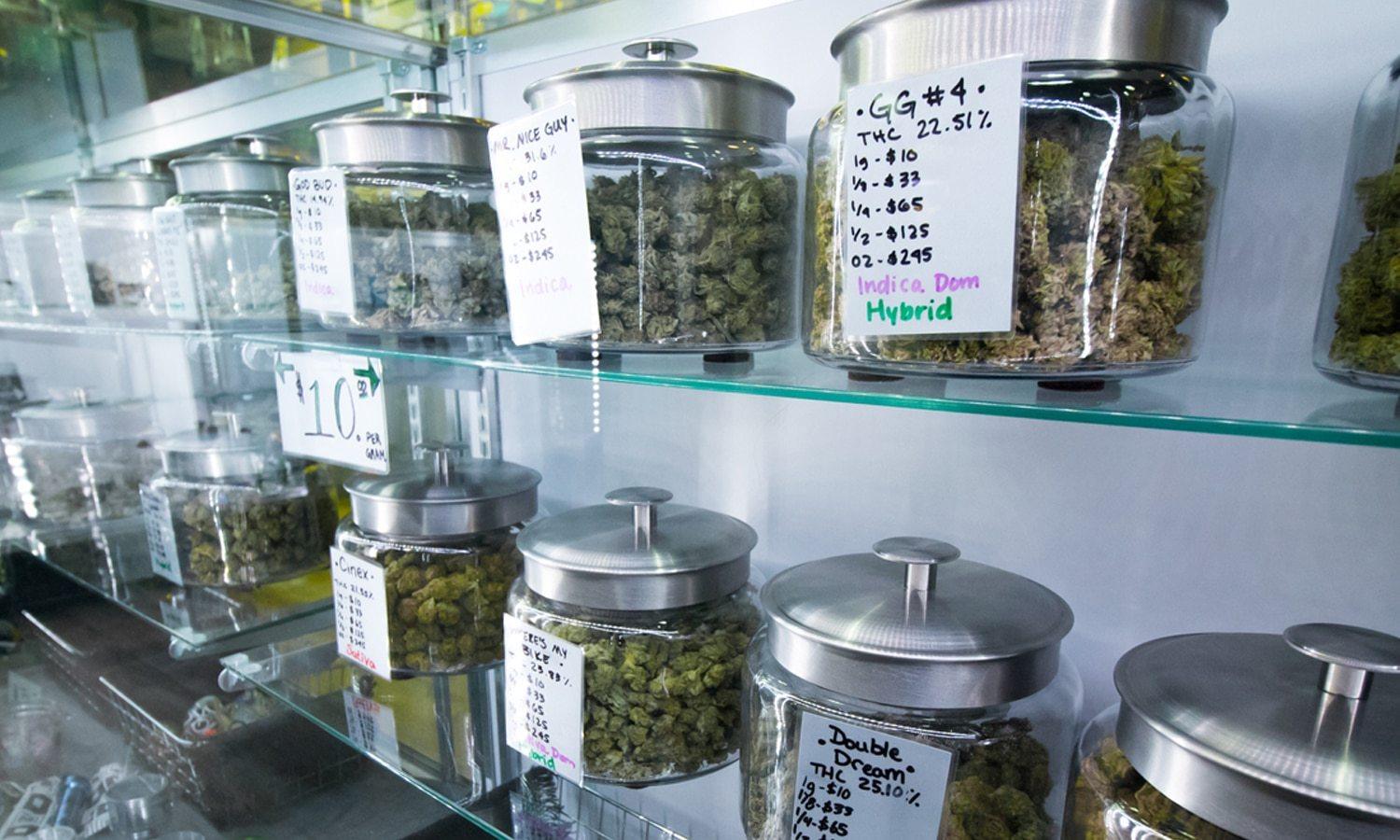
Given the nature of the TCUP, the term “dispensary” in Texas refers to licensed facilities that are permitted to sell low-THC cannabis products. These are not the same as recreational dispensaries found in states with fully legalized markets. The number of licensed dispensaries in Texas is limited, reflecting the controlled nature of the program.
Licensed Organizations
The state of Texas has a rigorous licensing process for organizations wishing to cultivate, process, and dispense low-THC cannabis. These licensed organizations operate under strict regulations to ensure product safety, quality, and compliance with state law. As of recent updates, there are a limited number of licensed dispensing organizations in Texas. These organizations are permitted to open multiple locations throughout the state, but the total number of licensed entities remains small.
Locations and Accessibility
The licensed dispensaries are strategically located to serve patients across the state, though their distribution may not be uniform. Major metropolitan areas such as Houston, Dallas, Austin, and San Antonio are likely to have more accessible locations compared to more rural parts of Texas.
It is advisable for patients and their caregivers to consult the official Texas Department of Public Safety website or the websites of the licensed dispensing organizations for the most up-to-date information on dispensary locations, operating hours, and services offered. Some dispensaries may offer online ordering and delivery services within a designated radius, further enhancing accessibility for patients with mobility issues or those living further from a physical location.
Product Offerings
The products available at Texas dispensaries are limited to low-THC cannabis preparations. These typically include:

- Oils and Tinctures: These are liquid forms of cannabis that can be taken orally or added to food. They are often available in various formulations designed to provide consistent dosing.
- Capsules: Pre-measured capsules offer a convenient and discreet way to consume low-THC cannabis.
- Topicals: Creams, balms, and lotions designed for external application to the skin, targeting localized relief.
- Edibles: While edible forms are available, they adhere to the low-THC regulations.
The formulations are carefully controlled to ensure they meet the stringent THC limits set by the state. The focus is on delivering therapeutic compounds, primarily CBD, without significant psychoactive effects.
What About Recreational Marijuana?
The question of recreational marijuana dispensaries in Texas has a clear and definitive answer: No. Recreational cannabis sales and possession remain illegal statewide. This is a significant point of distinction that travelers or individuals unfamiliar with Texas law must understand.
Legal Status
Possession of small amounts of marijuana can result in misdemeanor charges, leading to fines and potential jail time. Larger quantities can result in felony charges. The state has historically maintained a firm stance against recreational legalization.
Potential for Change
While the current legal framework prohibits recreational marijuana, public opinion and legislative efforts are constantly evolving. There have been discussions and proposed legislation aimed at decriminalizing small amounts of marijuana or even exploring broader legalization models. However, as of the current legislative session, no such measures have been enacted. Travelers should be aware that even if other states have legalized recreational cannabis, Texas has not followed suit.
Implications for Travelers
For tourists visiting Texas, it is paramount to be aware of the strict cannabis laws. Bringing any cannabis products into the state, even if legally purchased elsewhere, can lead to severe legal consequences. Similarly, attempting to purchase or possess any form of marijuana for recreational purposes within Texas is illegal and carries significant risks. Travelers should respect Texas laws to avoid any legal entanglements during their visit.
Navigating Texas’s Cannabis Laws: Tips for Residents and Visitors
For those who qualify for the medical program or are simply curious about the legal status of cannabis in Texas, understanding the nuances is key.
Stay Informed
The legal landscape surrounding cannabis is dynamic. For residents seeking to understand their options under TCUP or for visitors wanting to be informed, regularly checking official sources is recommended. The Texas Department of Public Safety website is the most reliable source for updates on the Compassionate Use Program, including qualifying conditions, registered physicians, and licensed dispensing organizations.
Medical vs. Recreational Distinction
The most critical takeaway is the clear distinction between the limited medical program and the outright prohibition of recreational marijuana. Do not confuse the availability of low-THC cannabis for specific medical conditions with the possibility of purchasing cannabis for general use.
Legal Compliance
For medical patients, compliance with the program’s regulations is essential. This includes ensuring your physician is registered, your prescription is valid, and you are purchasing from a licensed dispensary. For all individuals, understanding and adhering to Texas laws regarding cannabis possession and use is crucial to avoid legal trouble.

Responsible Consumption
For those who are eligible and choose to use low-THC cannabis products, responsible consumption is paramount. Follow the dosage instructions provided by your physician and the dispensing organization. Understand how different products might affect you and consume in a safe and appropriate environment.
In conclusion, while Texas does have dispensaries, they operate exclusively within the framework of the state’s limited low-THC medical marijuana program. Recreational dispensaries do not exist in Texas, and recreational marijuana remains illegal. This careful distinction is vital for anyone traveling to or residing in the state and seeking information about cannabis accessibility.
LifeOutOfTheBox is a participant in the Amazon Services LLC Associates Program, an affiliate advertising program designed to provide a means for sites to earn advertising fees by advertising and linking to Amazon.com. Amazon, the Amazon logo, AmazonSupply, and the AmazonSupply logo are trademarks of Amazon.com, Inc. or its affiliates. As an Amazon Associate we earn affiliate commissions from qualifying purchases.