
Florida, often celebrated for its sun-drenched beaches and vibrant theme parks, also offers a distinct appeal for outdoor enthusiasts: a robust duck hunting season. As a premier destination for diverse activities, understanding the intricacies of waterfowl hunting in the Sunshine State is crucial for both seasoned hunters and those looking to experience this unique aspect of Florida’s natural heritage. Unlike many northern states, Florida’s mild winters and position within the Atlantic Flyway attract a wide array of migratory waterfowl, creating excellent opportunities for the sport. This guide provides an insightful overview for anyone planning to integrate a duck hunting experience into their Florida itinerary, focusing on the essential details that contribute to a successful and responsible adventure.
Understanding Florida’s Duck Hunting Regulations
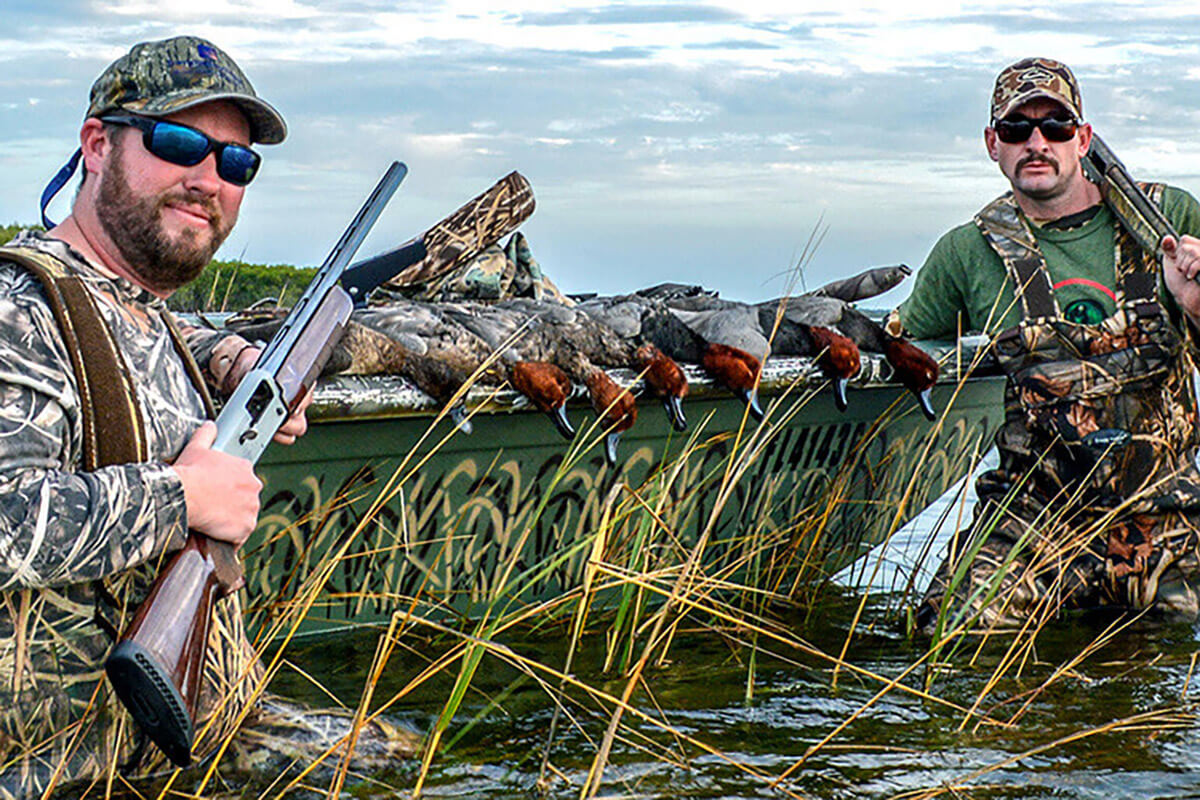
Navigating the regulations for duck hunting in Florida requires attention to detail, as both state and federal laws govern the activity. The Florida Fish and Wildlife Conservation Commission (FWC) is the primary state agency responsible for setting and enforcing hunting seasons, bag limits, and licensing requirements, working in conjunction with the U.S. Fish and Wildlife Service (USFWS) to manage migratory bird populations.
Key Species and Their Seasons
Florida’s duck hunting season typically opens in phases, with an early season for teal and a longer general waterfowl season. While specific dates can vary slightly year to year based on federal frameworks and FWC recommendations, the general season for ducks usually runs from late November through late January, often including a split season with a break in December. The early teal season, primarily targeting blue-winged and green-winged teal, usually occurs in September. Other common species found in Florida include ring-necked ducks, scaup (bluebills), wood ducks, mottled ducks, and various diving ducks. Hunters must be diligent in identifying species, as bag limits often differ for certain duck types. For instance, the daily bag limit for ducks is typically six, but this can include specific restrictions on the number of wood ducks, mottled ducks, black ducks, and pintails. It is imperative to consult the current year’s FWC Hunting Regulations handbook for precise dates and limits before planning any hunt.
Licensing and Permits
Participating in duck hunting in Florida mandates several permits and licenses. All hunters, regardless of residency, must possess a valid Florida hunting license. Beyond the basic license, a migratory bird permit (sometimes referred to as a “duck stamp”) is required. Additionally, a federal duck stamp, which directly contributes to wetland conservation, is mandatory for all waterfowl hunters aged 16 and older. These stamps can be purchased online through the FWC website, at tax collectors’ offices, or at most sporting goods stores throughout the state, from cities like Orlando to Tallahassee. Hunters planning to use Wildlife Management Areas (WMAs) may also need specific WMA permits or daily public hunting permits, which are often obtained through an online quota hunt system. Non-residents face slightly higher license fees, but the process for obtaining them is similar. It is crucial to have all required documentation in possession while hunting to avoid penalties.
Federal and State Regulations
Beyond licenses and seasons, hunters must adhere to a comprehensive set of regulations designed to ensure safety and sustainable wildlife management. Shotguns used for waterfowl hunting must be plugged to limit capacity to three shells. The use of lead shot is prohibited for all migratory bird hunting; only non-toxic shot (steel, bismuth, tungsten-iron, etc.) is permitted. Shooting hours are typically from one-half hour before sunrise until sunset. Baiting, which involves attracting waterfowl with feed or other food, is strictly illegal. Hunters are also responsible for retrieving all downed birds and ensuring they are properly identified and counted towards bag limits. Understanding and respecting these rules are fundamental to ethical hunting and preserving the sport for future generations.
Prime Locations for Waterfowl Hunting in the Sunshine State
Florida’s diverse aquatic landscapes offer a wealth of locations for duck hunting, ranging from vast public wetlands to exclusive private leases. The choice of location often dictates the type of hunting experience and the species likely to be encountered.
Public Hunting Areas and Wildlife Management Areas (WMAs)
The Florida WMA system provides extensive opportunities for public hunting. These areas are managed by the FWC and are critical habitats for migratory birds. Popular WMAs known for waterfowl hunting include Stormwater Treatment Area (STA) units, particularly in South Florida near Lake Okeechobee, which are renowned for their abundant duck populations. Other significant areas include the Everglades and Francis S. Taylor WMA, and portions of the St. Johns River Water Management Area. Many WMAs utilize a quota permit system, requiring hunters to apply in advance for a chance to hunt specific dates or locations. This system helps manage pressure and ensures a quality hunting experience. It is vital to check specific WMA regulations, as some areas may have unique rules regarding access, boat use, or hunting methods.
Guided Hunts and Private Leases
For those seeking a more curated or convenient experience, guided duck hunts and private leases are excellent options. Florida boasts numerous reputable outfitters, particularly around agricultural areas and large water bodies. A guided hunt typically includes expert knowledge of local waterfowl patterns, access to private lands or prime hunting spots, decoys, blinds, and sometimes even firearms. This can be an ideal choice for out-of-state visitors or novice hunters looking to maximize their chances of success and learn from experienced professionals. Private leases, while requiring a larger investment, offer exclusive access to prime hunting grounds throughout the season, providing consistent opportunities and greater flexibility. Many of these private lands are strategically located along major migration routes or adjacent to large reservoirs and marshlands, offering exceptional opportunities for puddle and diving ducks. When considering a guided trip or lease, always verify the outfitter’s credentials and ensure they adhere to all state and federal regulations.
Regional Hotspots
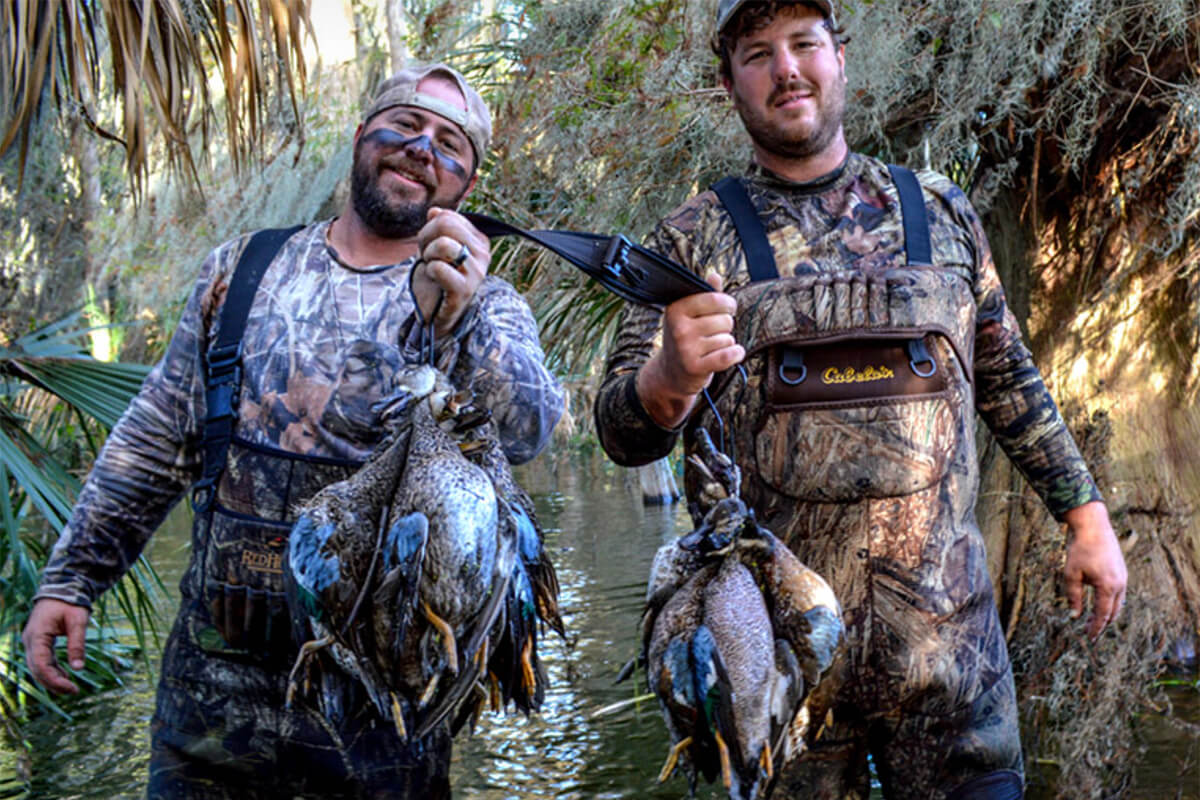
Specific regions in Florida stand out as consistent hotspots for duck hunting. The expansive freshwater marshes and shallow lakes surrounding Lake Okeechobee in central and south Florida are legendary for their abundant waterfowl, especially ring-necked ducks and scaup. The St. Johns River basin, stretching through various counties, offers diverse habitats from large open water to cypress swamps, attracting a mix of dabbling and diving ducks. The northern part of the state, particularly near Gainesville and along the Gulf Coast, also provides excellent opportunities in tidal marshes and coastal impoundments. Refuges like Merritt Island National Wildlife Refuge and Arthur R. Marshall Loxahatchee National Wildlife Refuge occasionally offer lottery hunts, providing unique, high-quality experiences. Each region presents distinct challenges and rewards, making research into specific bird patterns and habitat types valuable for planning.
Essential Gear and Preparation for a Successful Hunt
A successful duck hunt in Florida goes beyond knowing the season and location; proper gear and meticulous preparation are paramount. The state’s varied environments, from swampy marshes to open water, demand specific equipment to ensure comfort, safety, and effectiveness.
Decoys, Blinds, and Calls
Decoys are fundamental to attracting ducks within shooting range. A standard spread typically includes a mix of puddle duck and diving duck decoys, depending on the target species and habitat. Realistic decoys, especially those with some motion (e.g., jerk strings, spinning wing decoys), can significantly enhance their effectiveness. Blinds are essential for concealment. In Florida, these can range from natural vegetation blinds built into the marsh, portable ground blinds, to boat blinds on larger bodies of water. The key is to blend seamlessly with the surroundings. Mastering duck calls is another critical skill. Learning to mimic the quacks and feeding chuckles of various duck species can bring wary birds closer. Practice and understanding the specific calls for different situations are vital for an engaging and successful hunt.
Appropriate Apparel and Safety Gear
Given Florida’s mild but often humid climate, appropriate clothing is crucial. Layering is advisable, as mornings can be cool, while midday temperatures can rise significantly. Waterproof and breathable camouflage waders are non-negotiable for marsh and wetland hunting, keeping hunters dry and protected from biting insects. A waterproof, camouflaged outer shell is also recommended. Safety gear includes a well-maintained, legal shotgun, non-toxic ammunition, and hearing protection. Eye protection is also highly recommended. If hunting from a boat, ensure all required boating safety equipment, including personal flotation devices (PFDs), is on board and functional. A first-aid kit, flashlight, map, and GPS device are also prudent additions to any hunting pack, particularly when exploring unfamiliar public lands.
Firearms and Ammunition Considerations
Hunters typically use 12-gauge or 20-gauge shotguns for duck hunting. The choice often comes down to personal preference and comfort with recoil. As previously noted, only non-toxic shot is permitted for waterfowl hunting in Florida, with steel shot being the most common and cost-effective option. However, bismuth, tungsten-iron, and other alternatives offer superior performance but come at a higher price point. Shot size is another important consideration, with popular choices ranging from #2 to #4 for larger ducks and steel shot, or #6 for smaller teal. It is essential to pattern your shotgun with your chosen ammunition before the season to understand its effective range and shot dispersion. Maintaining your firearm through regular cleaning and ensuring it functions reliably are non-negotiable aspects of safe and ethical hunting.
Responsible Tourism: Ethical Hunting Practices and Conservation
Duck hunting in Florida is more than just a recreational activity; it is a tradition deeply tied to conservation efforts. Ethical hunting practices and an understanding of one’s role in wildlife management are paramount to ensure the sustainability of waterfowl populations and their habitats.
Bag Limits and Species Identification
Adhering strictly to bag limits and possessing the ability to accurately identify duck species are cornerstones of responsible hunting. Bag limits are set based on population data and management goals to prevent overharvesting. Misidentification can lead to inadvertently exceeding limits for restricted species or harvesting protected birds. Hunters should invest time in studying duck identification guides, paying attention to plumage, size, and flight patterns. The FWC provides excellent resources, including online guides and workshops, to help hunters sharpen their identification skills. Conscious efforts to respect bag limits contribute directly to the long-term health and abundance of Florida’s waterfowl.
Respecting Wildlife and Habitats
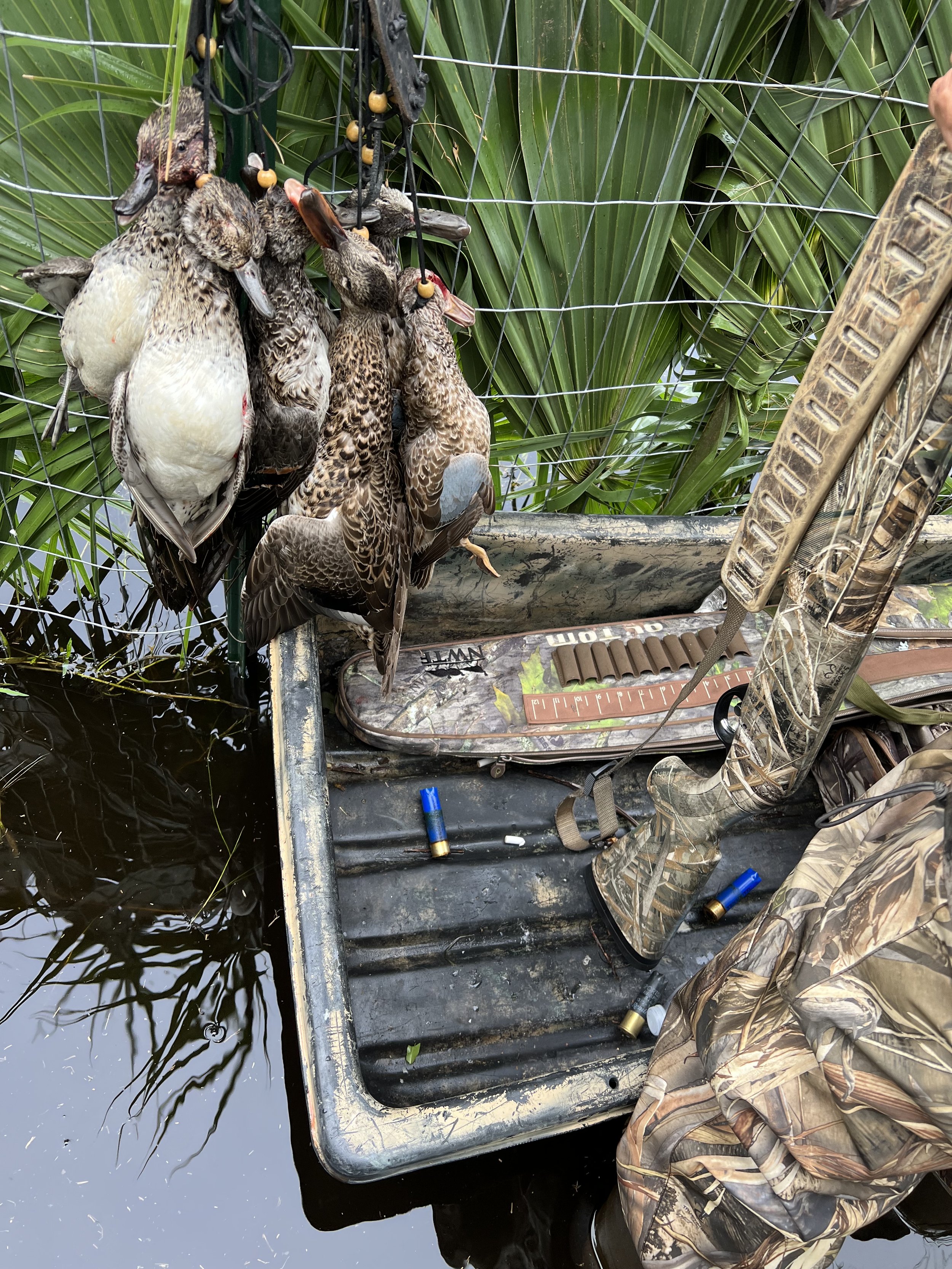
Ethical hunters demonstrate profound respect for the wildlife they pursue and the habitats they utilize. This includes minimizing disturbance to non-target species, leaving no trace behind, and ensuring all spent shells and trash are collected. Accessing hunting areas responsibly, avoiding damage to private property or fragile ecosystems, is also crucial. Hunters should always strive to make clean, ethical shots to ensure a quick and humane harvest, and diligently retrieve all downed birds to prevent waste. Understanding the role of wetlands as critical breeding, feeding, and resting grounds for countless species reinforces the importance of preserving these delicate ecosystems.
Contributing to Conservation Efforts
Every duck hunter plays a direct role in conservation. The purchase of hunting licenses and federal duck stamps generates millions of dollars annually that are specifically allocated to wildlife management, habitat restoration, and land acquisition. These funds are vital for protecting and enhancing the very wetlands that waterfowl depend upon, benefiting not only ducks but also a myriad of other wildlife. Responsible hunters also advocate for sound conservation policies, participate in habitat improvement projects, and support organizations dedicated to preserving hunting traditions and wildlife. By embodying these principles, hunters ensure that duck hunting remains a viable and cherished activity in Florida for generations to come, fostering a sustainable relationship between humans and the natural world.
LifeOutOfTheBox is a participant in the Amazon Services LLC Associates Program, an affiliate advertising program designed to provide a means for sites to earn advertising fees by advertising and linking to Amazon.com. Amazon, the Amazon logo, AmazonSupply, and the AmazonSupply logo are trademarks of Amazon.com, Inc. or its affiliates. As an Amazon Associate we earn affiliate commissions from qualifying purchases.