
The Surprising Presence of Cetaceans in Alaskan Waters
The notion of dolphins often conjures images of sun-drenched tropical seas, playful pods leaping through turquoise waves. Yet, the vast and often icy waters of Alaska are also home to a surprising variety of cetaceans, including several species of dolphins. Far from being a mere anomaly, the presence of these intelligent marine mammals in the Last Frontier is a testament to the richness and biodiversity of its ecosystems, and a compelling reason for wildlife enthusiasts to explore its stunning coastlines. Alaska’s marine environments, from the nutrient-rich waters of the Inside Passage to the more exposed shores of the Gulf of Alaska, support a complex food web that sustains a diverse array of marine life, including various dolphin species.
Identifying Alaskan Dolphins: More Than Just the Bottlenose
While the iconic Bottlenose Dolphin is most widely recognized, Alaska’s waters host species that are more adapted to cooler climates. The most common and conspicuous dolphin species encountered are the Dall’s Porpoise and the Harbor Porpoise. While technically porpoises, they are often colloquially grouped with dolphins and share many of their characteristic behaviors, such as bow-riding and schooling.
Dall’s Porpoise: The Speedy Sailor
The Dall’s Porpoise is a small, stout cetacean characterized by its distinct black and white markings. They possess a short, robust body, a small dorsal fin, and a rounded head. Their speed is remarkable, often seen darting through the water at impressive velocities. What makes them particularly noticeable are the characteristic “rooster tail” spray of water they create when surfacing, a unique adaptation that helps them dissipate heat. They are social animals, typically found in pods ranging from a few individuals to several hundred. Their diet consists primarily of small schooling fish, such as herring and capelin, as well as squid.
In Alaska, Dall’s porpoises are most frequently observed in offshore waters, particularly in areas with strong currents or upwellings that attract prey. During the summer months, they are a common sight for those traveling on ferries or taking whale-watching tours in areas like Juneau or Ketchikan. Their energetic behavior and distinctive spray make them a thrilling encounter for any visitor.
Harbor Porpoise: The Elusive Dweller
The Harbor Porpoise, on the other hand, is a more retiring species. Smaller and more uniformly colored than Dall’s porpoises, they are typically dark gray to black on their back and lighter on their underside, with a subtle or absent beak. Unlike their more boisterous cousins, harbor porpoises tend to be shy and are less likely to approach boats. Their surfacing is often described as a gentle rollover, making them harder to spot than the splashy Dall’s porpoises.
Harbor porpoises are more commonly found in nearshore environments, including bays, estuaries, and along coastlines. They prefer shallower waters where their prey, which includes small fish and crustaceans, is abundant. While sightings can be more challenging due to their elusive nature, they are present in many Alaskan coastal communities, adding to the rich tapestry of marine life.
Beyond Porpoises: Other Dolphin Species in Alaskan Waters
While Dall’s and harbor porpoises are the most frequently encountered, other dolphin species can also be found in Alaskan waters, though their presence is often more seasonal or limited to specific regions.
Pacific White-Sided Dolphin: The Social Navigator
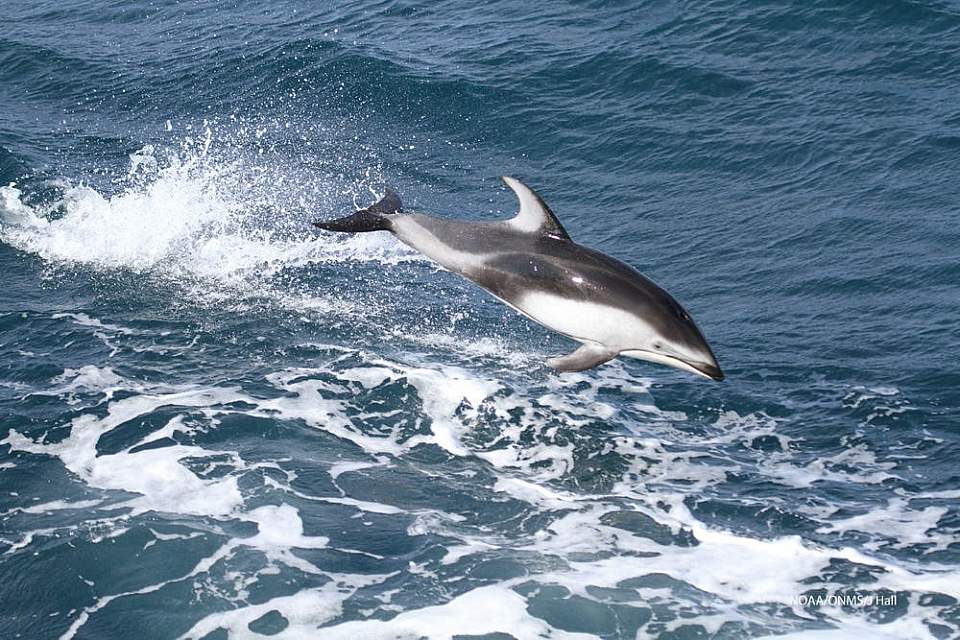
The Pacific White-Sided Dolphin is a striking species, named for the distinctive creamy-white stripe that extends from their chin to their belly, and the gray “saddle” behind their dorsal fin. They are medium-sized dolphins, known for their acrobatic leaps and energetic behavior. These dolphins are highly social and are often seen in large pods, sometimes numbering in the hundreds or even thousands.
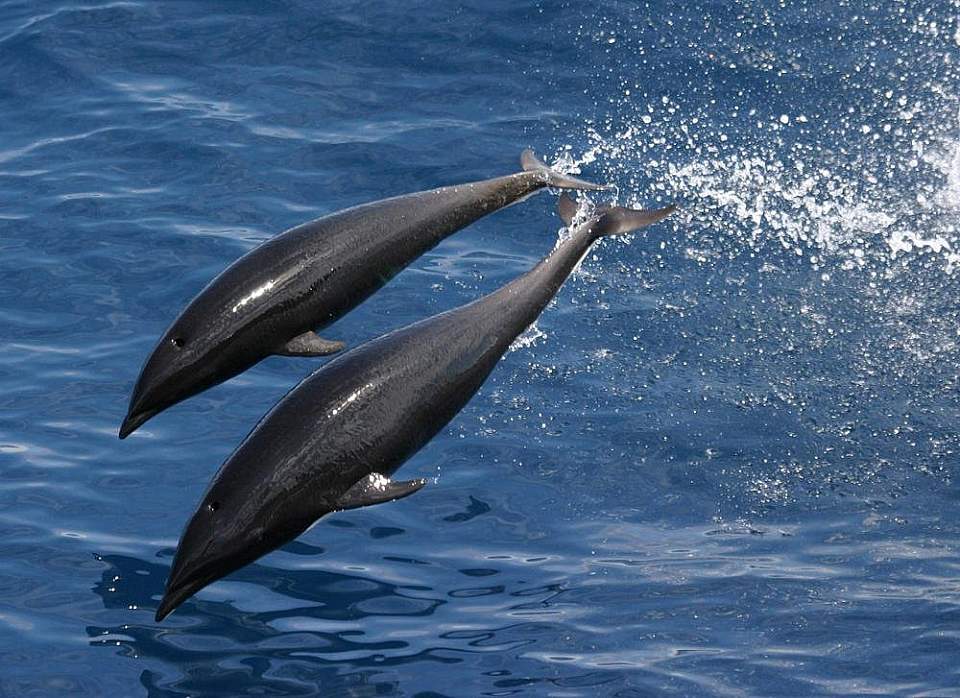
These dolphins are more typically found in the temperate waters of the North Pacific, but they do venture into Alaskan waters, particularly during the summer months. They favor areas with productive feeding grounds, often following schools of fish. Encounters with Pacific white-sided dolphins are a highlight for many wildlife tours operating in southern Alaska, offering a chance to witness their playful antics.
Risso’s Dolphin: The Scarred Wanderer
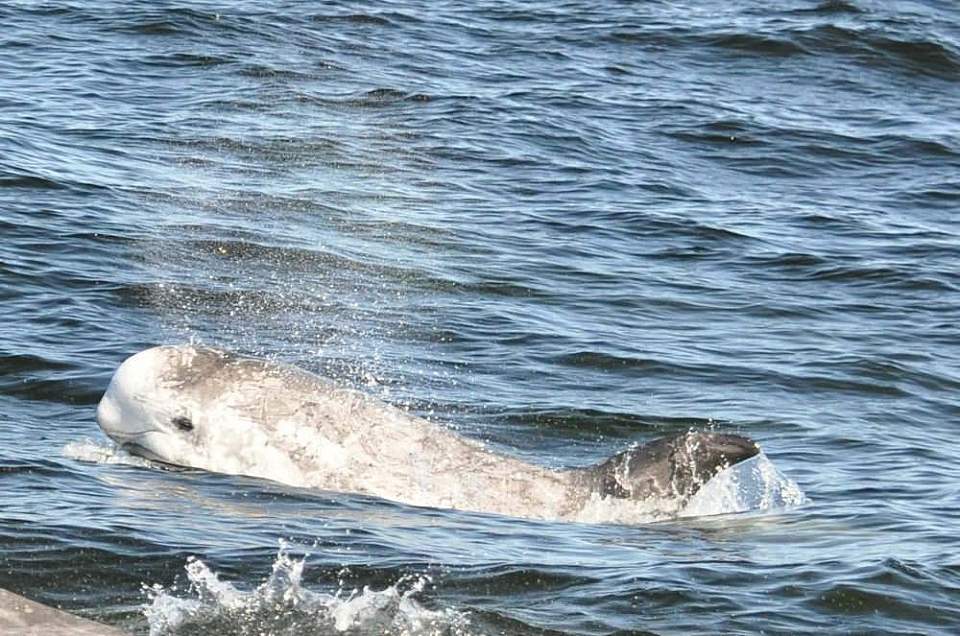
Risso’s Dolphin is a less common, but fascinating, species that can be observed in Alaskan waters. What immediately distinguishes Risso’s dolphins is their appearance: adult individuals are often heavily scarred, giving them a pale or mottled gray appearance. This is due to their primary prey, squid, which have sharp beaks that can inflict wounds. They have a blunt, bulbous head with no discernible beak.
These deep-diving dolphins are often found in offshore, deep-water habitats, where they hunt squid. Their presence in Alaska is more sporadic and generally associated with warmer oceanographic conditions. Sightings are rarer than those of porpoises or Pacific white-sided dolphins, making any encounter a special event for marine biologists and fortunate observers.
Best Times and Places for Dolphin Encounters in Alaska
For those hoping to spot dolphins in Alaska, timing and location are key. The summer months, from roughly May to September, offer the best opportunities. During this period, water temperatures are at their warmest, and a plethora of prey species are abundant in Alaskan waters, attracting a diverse range of marine mammals.
Key Destinations for Wildlife Viewing
Several regions in Alaska are renowned for their marine wildlife viewing opportunities, including dolphin sightings.
- The Inside Passage: This sheltered waterway, stretching along the southeastern coast of Alaska, is a prime location. Towns like Juneau, Sitka, and Ketchikan serve as excellent bases for boat tours. The nutrient-rich waters here support a vibrant ecosystem, making it a hotspot for various marine life, including dolphins and whales.
- Kenai Fjords National Park: Located on the southern coast, this park offers spectacular scenery and abundant marine life. Boat tours departing from Seward provide opportunities to see not only dolphins but also sea otters, puffins, and various whale species. The transition from sheltered fjords to the open ocean attracts a wide range of species.
- Prince William Sound: Similar to the Kenai Fjords, this vast sound is another area where marine mammals are frequently observed. Boat trips from Whittier or Valdez often yield sightings of dolphins, alongside seals, sea lions, and humpback whales.
Responsible Wildlife Viewing: Ensuring the Well-being of Alaskan Dolphins
When embarking on a dolphin-watching excursion in Alaska, it is crucial to prioritize responsible viewing practices. The health and safety of these magnificent creatures, and their habitat, should always be the top concern.
Adhering to Guidelines
Many tour operators in Alaska are committed to responsible wildlife viewing and adhere to strict guidelines set by organizations like the National Oceanic and Atmospheric Administration (NOAA). These guidelines typically include:
- Maintaining a safe distance: Boats should not approach marine mammals too closely, especially when they are resting or with young. A minimum distance of 100 yards is often recommended for many species.
- Avoiding disruptive behavior: Boating at high speeds near marine mammals, or attempting to herd or chase them, is strictly prohibited. Slow and steady approaches are essential.
- Minimizing noise and disturbance: Loud engines or music can stress marine mammals. Operators should be mindful of the noise levels.
- Never feeding wildlife: Feeding dolphins or other marine mammals can disrupt their natural foraging behaviors and pose serious health risks.
By choosing reputable tour operators and practicing responsible viewing, visitors can ensure that their encounter with Alaskan dolphins is a positive one, contributing to the conservation of these fascinating animals and their environment. The presence of dolphins in Alaska is not just a wildlife spectacle; it’s a powerful reminder of the interconnectedness of ecosystems and the vital role that pristine marine environments play in supporting life.
LifeOutOfTheBox is a participant in the Amazon Services LLC Associates Program, an affiliate advertising program designed to provide a means for sites to earn advertising fees by advertising and linking to Amazon.com. Amazon, the Amazon logo, AmazonSupply, and the AmazonSupply logo are trademarks of Amazon.com, Inc. or its affiliates. As an Amazon Associate we earn affiliate commissions from qualifying purchases.