
Understanding the legal driving age is paramount for anyone planning to navigate the diverse landscapes of California, whether as a resident or a visitor. For families with teenagers, or young adults envisioning their first solo road trip through the Golden State, the question of driving at 14 often arises. The simple answer, generally speaking, is no. California maintains strict regulations regarding the age at which individuals can obtain driving privileges, with safety and comprehensive training being core priorities. However, delving deeper into the nuances of California’s driving laws reveals a structured pathway that begins before the age of 16, setting the stage for future independence on the road.
The California Driving Age Landscape
California’s approach to new drivers is designed to gradually introduce them to the responsibilities of operating a motor vehicle. This tiered system prioritizes education, supervised practice, and a gradual reduction of restrictions as drivers gain experience. For those aspiring to drive, the journey begins well before they can legally operate a vehicle independently. The standard age for obtaining a provisional driver’s license in California is 16, but the groundwork for this achievement starts earlier.
Provisional License Requirements: The Pathway to Driving
In California, the process of obtaining a driver’s license for minors falls under the Provisional Driver’s License program. This program is administered by the California Department of Motor Vehicles (DMV) and outlines specific steps and age requirements.
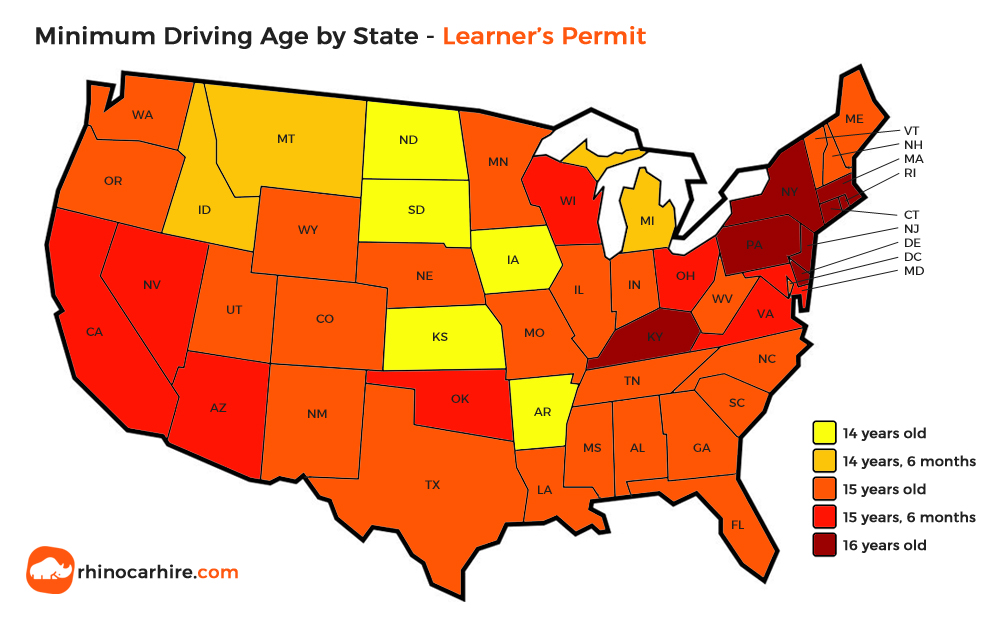
To begin the process, an individual must be at least 15 ½ years old to apply for a provisional instruction permit. This permit is the crucial first step, allowing the individual to learn to drive under strict supervision. Before even applying for this permit, prospective drivers must complete an approved driver education course, typically consisting of 30 hours of classroom instruction or an equivalent online program. This foundational education covers traffic laws, vehicle operation, and safe driving practices, ensuring a theoretical understanding before practical application.
Once the driver education requirement is met, the 15 ½-year-old applicant can take a knowledge test at the DMV. Upon passing, they receive their provisional instruction permit. However, this permit is not a license to drive alone. It comes with stringent conditions:
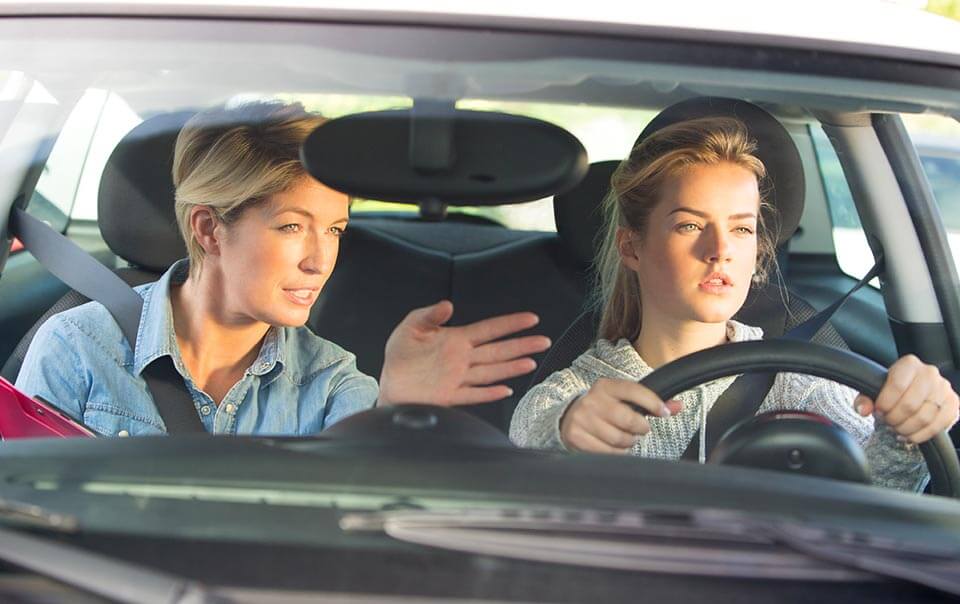
- The permit holder must always be accompanied by a licensed driver who is at least 18 years old. This supervising driver must be present in the passenger seat, capable of taking control of the vehicle if necessary.
- This supervised driving period must last for a minimum of six months.
- During these six months, the permit holder must complete at least 50 hours of supervised driving practice, including a minimum of 10 hours of night driving. These hours must be certified by a parent or legal guardian.
- Additionally, the permit holder must complete at least six hours of professional driver training with a certified driving instructor.
After fulfilling all these requirements – being at least 16 years old, holding the permit for a minimum of six months, completing the supervised driving hours, and professional training – the applicant can then take the behind-the-wheel driving test. Successful completion of this test leads to the issuance of a provisional driver’s license.
Even with a provisional license, there are further restrictions designed to minimize risks for new drivers:
- For the first 12 months, a provisional licensee cannot drive between 11 p.m. and 5 a.m.
- During the same 12-month period, they cannot transport passengers under 20 years old unless accompanied by a licensed driver over 25 years old.
These restrictions aim to reduce exposure to high-risk driving scenarios, such as late-night driving and driving with multiple young passengers, which studies have shown to significantly increase crash risk for inexperienced drivers. It’s clear from this detailed process that driving at 14 in California is not part of the standard legal framework for obtaining a driver’s license.
Exceptions and Special Circumstances
While the general rule prohibits driving at 14, California law does acknowledge extremely limited exceptions. These are not general provisions for early driving but rather specific allowances designed to address unique circumstances, primarily in agricultural communities or for extreme medical necessity.
Agricultural Waivers
In certain rural and agricultural areas of California, minor-restricted driver licenses may be issued to individuals as young as 14, but under very specific conditions. These waivers are typically granted to minors whose families are engaged in farming or ranching and whose ability to drive is essential for agricultural work. The criteria are stringent:
- The applicant must reside in an area where local transportation is inadequate.
- Their driving must be necessary for operating farm machinery, transporting crops, or performing other essential duties directly related to the family’s agricultural business.
- The license often comes with severe restrictions, such as only allowing driving within a specific radius of their home, during daylight hours, or solely for agricultural purposes.
These licenses are not general driving permits; they are highly specialized and narrow in scope, reflecting a legislative understanding of the unique needs of California’s diverse economy. They do not grant the freedom to travel for leisure or general errands that a standard provisional license offers.
Medical Necessity
Another extremely rare exception involves situations of severe medical necessity. If a family faces an extraordinary medical emergency and there is absolutely no other means of transportation available, and a minor over 14 years of age is the only capable driver, the DMV might consider a highly restricted permit. However, proving such an extreme case is exceptionally difficult and requires extensive documentation from medical professionals and other authorities. This is not a common pathway and should not be viewed as an alternative to the standard licensing process.
Out-of-State Drivers
For visitors to California, driving regulations can sometimes cause confusion. If a 14-year-old holds a valid driver’s license or permit from another state or country where the minimum driving age is lower than California’s, they are generally permitted to drive in California for a limited period, typically up to 10 days. However, they must adhere to the restrictions of their out-of-state license or permit, and they must also be accompanied by an adult who meets California’s supervising driver requirements (at least 18 years old, fully licensed, and in the passenger seat). Beyond the initial limited period, California law would require them to meet its own requirements to continue driving. This primarily impacts foreign visitors or those from states with significantly different driving age laws, though such low ages are increasingly uncommon across the United States.
Implications for Travel and Exploration in California
The driving age regulations in California have significant implications for how families and young people approach travel and exploration within the state. Understanding these rules is crucial for planning seamless and enjoyable trips, whether it’s a coastal drive along the Pacific Coast Highway or a visit to the theme parks of Southern California.
Independent Teen Travel
For teenagers under 16, independent road travel is simply not an option in California. This means that any travel plans involving self-driving must account for an older, fully licensed driver. Teenagers seeking adventure in places like Yosemite National Park or exploring the urban centers of San Francisco or Los Angeles will need to rely on adult drivers, public transportation, or ride-sharing services (where age-appropriate policies apply). This reinforces the need for careful itinerary planning, ensuring that transportation logistics are handled by eligible drivers.
Family Road Trips and Designated Drivers
Families embarking on road trips across California need to be mindful that a 14-year-old cannot contribute to the driving duties, even under supervision, unless they hold a valid provisional permit and meet all its conditions, which starts at 15 ½. This means that parents or guardians will bear the full responsibility for driving throughout the journey. While this might seem like a drawback, it also encourages a focus on shared experiences and reduces potential stress associated with navigating unfamiliar roads with an inexperienced young driver. For those 15 ½ or older with a permit, supervised driving can become an enriching part of a family trip, offering real-world experience navigating diverse terrains, from city streets to scenic highways, all under the watchful eye of an experienced driver. Imagine a supervised drive through Napa Valley or around Lake Tahoe – invaluable learning opportunities.
Public Transportation Alternatives
Given the restrictions on young drivers, public transportation becomes a vital consideration for travel in California, particularly in major metropolitan areas. Cities like Los Angeles and San Francisco boast extensive public transport networks, including buses, light rail, and subway systems, which can be an excellent way for young travelers and families to explore without the need for a personal vehicle. For instance, getting to Disneyland via public transport can be an adventure in itself. Beyond city limits, Amtrak and regional bus services connect many of California’s key destinations, offering scenic routes and a relaxing travel experience. Integrating these options into travel plans can provide flexibility and reduce reliance on personal vehicles, especially for those unable to drive.
Navigating California’s Roads Safely
For those who are legally able to drive in California, understanding and adhering to the state’s traffic laws and safety recommendations is critical for a pleasant and safe travel experience.
Understanding California Traffic Laws
California traffic laws are rigorously enforced. New drivers, particularly those with provisional licenses, must be acutely aware of the specific restrictions that apply to them. Beyond these, general traffic laws, such as speed limits, seatbelt requirements, hands-free device use, and rules regarding turning and lane changes, apply to all drivers. Drivers should be prepared for varying road conditions, from congested urban freeways to winding mountain roads and desert expanses. Staying informed about local regulations, especially in different cities or national parks, can prevent fines and ensure a smooth journey.

Essential Safety Tips for Young Drivers
For young drivers embarking on their provisional driving journey, safety must always be the top priority.
- Always drive defensively: Anticipate potential hazards and react proactively, rather than reactively.
- Avoid distractions: Put away cell phones, focus on the road, and keep conversations with passengers to a minimum.
- Respect speed limits: Adhere to posted speed limits and adjust speed according to road conditions, weather, and traffic.
- Never drive under the influence: This includes alcohol, recreational drugs, or prescription medications that impair driving ability.
- Get adequate rest: Fatigue significantly impairs judgment and reaction time.
- Plan routes in advance: Especially in unfamiliar areas, having a clear understanding of the route reduces stress and improves focus.
While 14-year-olds cannot legally drive in California under most circumstances, the state’s comprehensive graduated licensing program ensures that when young people do get behind the wheel, they are as prepared and safe as possible. For travelers, this means adjusting expectations and planning transportation options accordingly, ensuring that every journey through California’s stunning landscapes is both memorable and secure.
LifeOutOfTheBox is a participant in the Amazon Services LLC Associates Program, an affiliate advertising program designed to provide a means for sites to earn advertising fees by advertising and linking to Amazon.com. Amazon, the Amazon logo, AmazonSupply, and the AmazonSupply logo are trademarks of Amazon.com, Inc. or its affiliates. As an Amazon Associate we earn affiliate commissions from qualifying purchases.