
Indeed, the majestic Bald Eagle, the national bird of the United States, soars gracefully through the skies of Florida. Far from being an exclusive resident of colder northern climes, Florida boasts one of the largest populations of nesting Bald Eagles in the lower 48 states, making it an exceptional destination for travelers hoping to witness these iconic birds in their natural habitat. For those planning a nature-focused itinerary, understanding where and when to look for these magnificent raptors can transform a pleasant visit into an unforgettable wildlife encounter.
Florida’s Sky-High Residents: The Bald Eagle’s Enduring Presence
The presence of Bald Eagles in Florida is a testament to the state’s diverse and often surprisingly wild landscapes, despite its reputation for theme parks and beaches. These apex predators thrive in areas with abundant freshwater, tall trees for nesting, and a plentiful food supply, all of which Florida offers in spades across its vast network of lakes, rivers, and coastal regions.
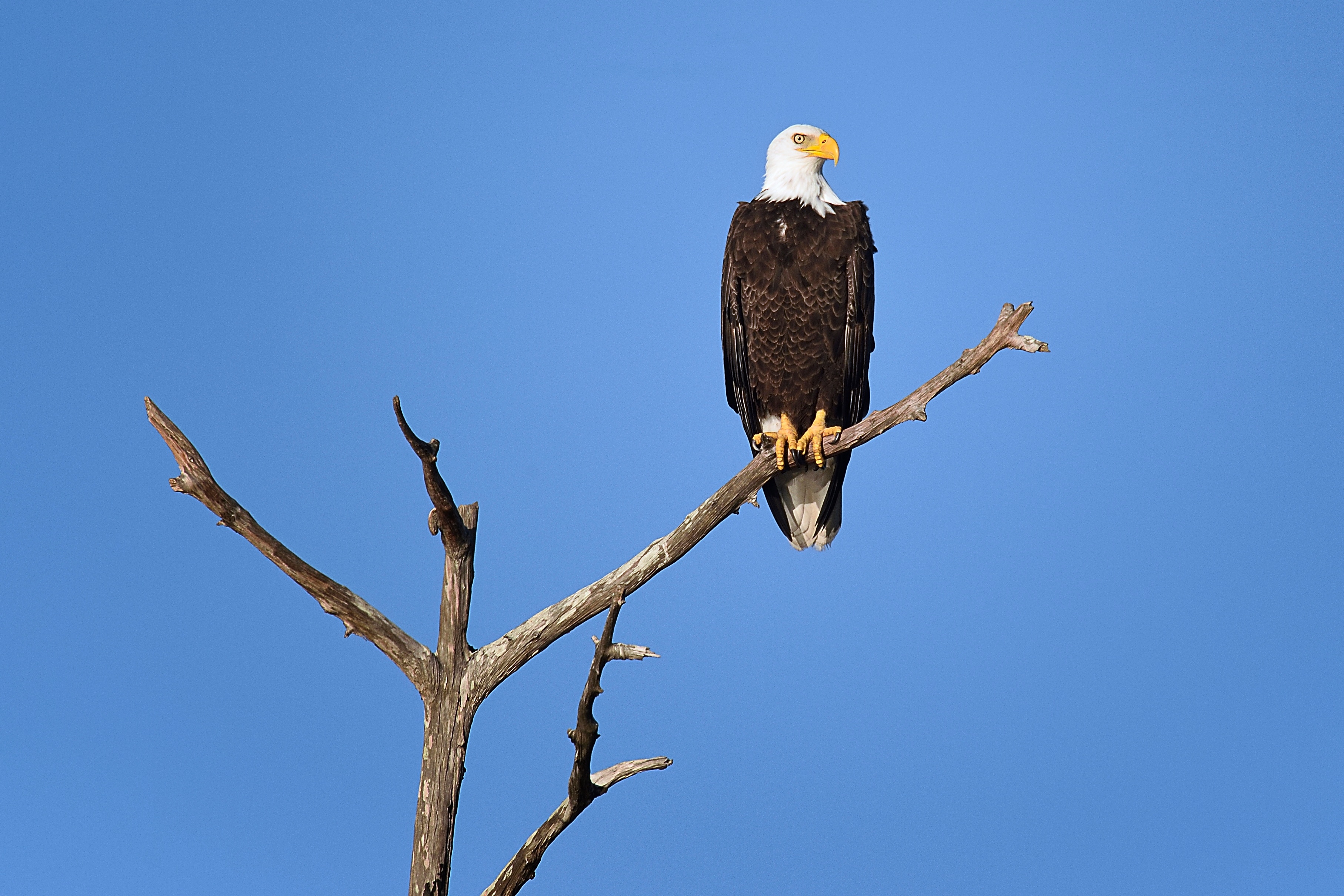
A Symbol of Wilderness Amidst Urbanity
While many might associate eagles with pristine, untouched wilderness, Florida’s Bald Eagles often build their massive nests surprisingly close to human activity. It’s not uncommon to spot an eagle perched atop a pine tree overlooking a suburban neighborhood or soaring above a busy highway. This adaptability makes eagle-watching an accessible attraction for many visitors, allowing for unique opportunities to observe them without venturing deep into remote areas. However, the most rewarding experiences typically occur in designated parks and wildlife refuges, where their natural behaviors are less disturbed. The sight of a Bald Eagle in flight, with its impressive wingspan and distinctive white head and tail, is a truly awe-inspiring spectacle that embodies the untamed spirit of Florida’s ecosystems.
The Bald Eagle’s Resurgence Story
The current abundance of Bald Eagles in Florida is a remarkable conservation success story. Decades ago, habitat loss, hunting, and the widespread use of pesticides like DDT pushed the species to the brink of extinction. DDT, in particular, caused eagle eggshells to thin, leading to reproductive failure. Thanks to stringent environmental protections, including the banning of DDT, and dedicated conservation efforts, the Bald Eagle population has made a dramatic comeback. Florida played a crucial role in this recovery, serving as a vital breeding ground. Today, the state’s healthy eagle population highlights the importance of preserving natural habitats and provides a beacon of hope for wildlife conservation globally, making an eagle-watching trip not just a leisure activity but an appreciation of ecological triumph.
Top Destinations for Eagle Spotting: Your Florida Travel Guide
For travelers eager to include eagle-watching in their Florida itinerary, several key regions and specific sites offer prime opportunities. These destinations provide the ideal combination of habitat and accessibility for observing these magnificent birds.
Central Florida’s Inland Lakes and Rivers
Central Florida is often considered the heartland of Florida’s Bald Eagle population. Its expansive network of freshwater lakes, including Lake Kissimmee and Lake Tohopekaliga near Kissimmee, offers ideal nesting sites in tall cypress and pine trees along their shores. Airboat tours on these lakes often provide excellent chances to see eagles soaring overhead or perched near their nests. The St. Johns River, Florida’s longest river, flowing north through much of Central Florida, is another hotbed of eagle activity. Kayaking or taking a guided boat tour along its quieter sections can yield fantastic views. Additionally, the Ocala National Forest and the Wekiva River basin offer vast stretches of protected wilderness where eagles thrive, away from the hustle and bustle of major cities like Orlando.
The Gulf Coast’s Untamed Shores
The Gulf Coast of Florida, particularly its less developed northern and southwestern portions, also provides vital habitats for Bald Eagles. Areas around Tampa, St. Petersburg, and further south towards Sarasota, Fort Myers, and Naples host significant eagle populations. Myakka River State Park near Sarasota is a renowned spot for alligators, but its towering trees along the Myakka River are also favored by eagles. Similarly, Oscar Scherer State Park provides nesting sites and feeding grounds. Further north, the Apalachicola National Forest and the expansive wilderness surrounding Wakulla Springs State Park are excellent, less crowded alternatives for those seeking a more remote eagle-watching experience.
Everglades National Park: A Premier Ecotourism Hotspot
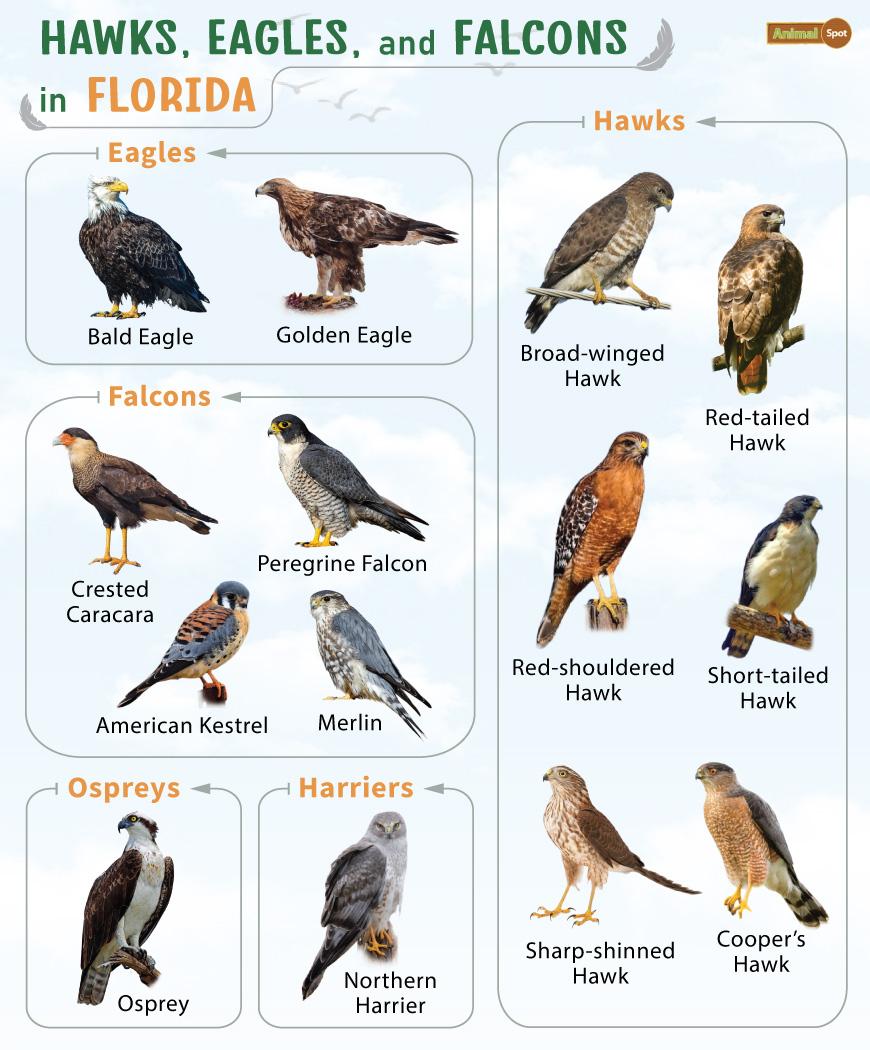
No discussion of Florida’s wildlife would be complete without mentioning Everglades National Park. While perhaps more famous for its alligators, crocodiles, and wading birds, the Everglades is also home to a healthy population of Bald Eagles. The vast, interconnected waterways and scattered tree islands provide ideal conditions. Airboat tours originating from areas around Miami or deeper into the park, as well as canoe and kayak trails, often present opportunities to observe eagles fishing or nesting. Big Cypress National Preserve, adjacent to the Everglades, offers similar excellent chances within its cypress swamps and pinelands. These protected areas are vital for eagle conservation and offer immersive experiences for eco-conscious travelers.
Crafting Your Eagle-Watching Experience: Tips for Travelers
To maximize your chances of seeing Bald Eagles and ensure a rewarding travel experience, consider these practical tips designed for wildlife enthusiasts.
Optimal Seasons and Times for Observation
The best time to see Bald Eagles in Florida is during their nesting season, which typically runs from October through May. During these months, eagles are highly active, building and maintaining their nests, incubating eggs, and raising their young. This period coincides with Florida’s dry season, offering cooler temperatures and fewer mosquitoes, making for a more comfortable outdoor experience. Early mornings and late afternoons are generally the most productive times for eagle spotting, as these are peak activity hours for hunting and flying. The cooler air also makes it easier for them to soar.
Essential Gear for Wildlife Photography and Viewing
Equipping yourself appropriately can significantly enhance your eagle-watching adventure. A good pair of binoculars (8×42 or 10×42 are excellent general-purpose choices) is indispensable for getting a close-up view without disturbing the birds. For photography enthusiasts, a camera with a telephoto lens (300mm or more) will be crucial to capture detailed shots. A spotting scope can be beneficial if you plan to observe from a fixed location for an extended period. Don’t forget sunscreen, a hat, insect repellent, and plenty of water, as you’ll likely be outdoors for several hours, especially in Florida’s strong sun.
Responsible Ecotourism Practices
Observing wildlife responsibly is paramount to ensuring the continued health of Bald Eagle populations and their habitats. Always maintain a respectful distance from eagles and their nests. Never attempt to approach or feed them. Disturbing nesting birds, especially during incubation or when young chicks are present, can cause them to abandon their nest, leading to tragic outcomes. Use quiet voices and movements. Stick to designated trails and paths to avoid trampling delicate vegetation. Supporting local tour operators who adhere to strict ethical wildlife viewing guidelines is also recommended. Your actions as a traveler directly impact the conservation efforts that have allowed these magnificent birds to thrive.
Beyond the Eagles: Enhancing Your Florida Wildlife Adventure
While Bald Eagles are undoubtedly a highlight, Florida’s natural landscapes offer a much broader spectrum of wildlife encounters, making any trip a comprehensive ecotourism experience.
Diverse Ecosystems Await Exploration
Florida’s unique geography spans various ecosystems, from the subtropical wetlands of the Everglades National Park to the pine flatwoods of the interior and the barrier islands of the Atlantic Coast. Each habitat supports a distinct array of flora and fauna. Beyond eagles, visitors can spot diverse bird species, including graceful wading birds like herons and egrets, migratory ducks, and colorful spoonbills. Mammals like white-tailed deer, river otters, and even elusive Florida panthers inhabit the state’s protected areas. Manatees, dolphins, and sea turtles are commonly observed along the coasts and in brackish waters. Exploring these varied environments promises continuous opportunities for discovery. Even a trip to Dry Tortugas National Park offers a chance to see seabirds and marine life unique to that remote island chain.

Guided Tours and Local Experts
For an enriched and often more successful wildlife viewing experience, consider booking guided tours with local naturalists or experienced captains. These experts possess invaluable knowledge about local ecosystems, wildlife behavior, and the best spots for sightings. They can often provide insights into the subtle nuances of animal life that might otherwise go unnoticed. Many parks and refuges, such as Merritt Island National Wildlife Refuge on the Atlantic Coast, offer ranger-led programs or provide lists of reputable local guides. Engaging with these professionals not only increases your chances of spotting specific species but also deepens your understanding and appreciation of Florida’s rich biodiversity, transforming a simple vacation into an educational and profoundly engaging journey.
LifeOutOfTheBox is a participant in the Amazon Services LLC Associates Program, an affiliate advertising program designed to provide a means for sites to earn advertising fees by advertising and linking to Amazon.com. Amazon, the Amazon logo, AmazonSupply, and the AmazonSupply logo are trademarks of Amazon.com, Inc. or its affiliates. As an Amazon Associate we earn affiliate commissions from qualifying purchases.