
Understanding hotel board options is crucial for planning a seamless and enjoyable vacation. Among the various meal plans available, “half board” stands out as a popular choice for travelers seeking a balance between included dining and the flexibility to explore local culinary scenes. This comprehensive guide delves into what half board entails, its benefits, drawbacks, and who it’s best suited for, all within the context of hotel accommodations.
Defining Half Board: The Essentials
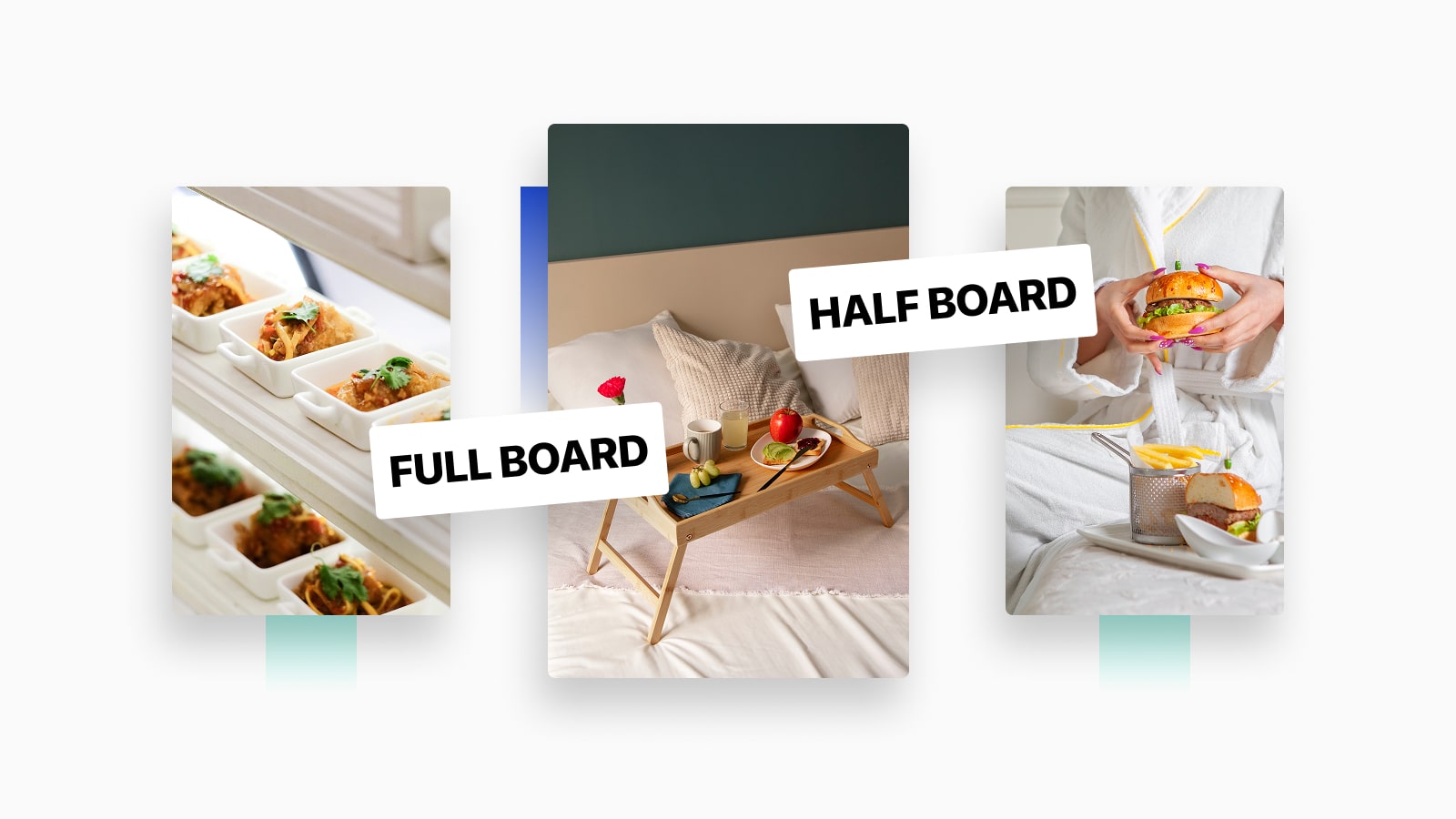
Half board is a type of hotel accommodation package that typically includes breakfast and dinner daily. It is a step up from bed and breakfast (B&B) and a step down from full board or all-inclusive packages. The specific inclusions can vary slightly between hotels, but the core concept remains consistent: two meals are provided as part of your room rate.
What’s Included?
- Breakfast: This is almost universally included. It can range from a simple continental spread of pastries, fruit, yogurt, and cereals to a more elaborate buffet with hot items like eggs, bacon, sausages, and local specialties. Many hotels offer a seated breakfast service in a dedicated restaurant.
- Dinner: The second meal provided is dinner. This is usually a multi-course meal, often served in the hotel’s main restaurant. It might be a set menu with a few choices for each course, or it could be a buffet. Drinks are typically not included with dinner unless specifically stated.
- Exclusions: Lunches are generally not included in a half board package. Snacks, beverages outside of designated meal times (and sometimes even during), and à la carte dining options at other restaurants within the hotel or at different times are usually extra charges. It’s always advisable to clarify the exact inclusions and exclusions with the hotel at the time of booking or upon arrival.
Differentiating from Other Board Options
To fully grasp the value of half board, it’s helpful to compare it with other common hotel meal plans:
- Bed & Breakfast (B&B): Only breakfast is included. This offers maximum flexibility for dining throughout the day but requires planning and budgeting for all other meals. It’s ideal for travelers who prefer to eat out for lunch and dinner at local establishments.
- Full Board: This includes breakfast, lunch, and dinner. It offers more inclusive dining than half board, covering all main meals of the day. However, it can sometimes feel restrictive if you prefer to explore local eateries for lunch or dinner.
- All-Inclusive: This is the most comprehensive option, typically including all meals (breakfast, lunch, dinner), snacks, and a wide range of alcoholic and non-alcoholic beverages throughout the day. It aims to minimize additional spending once you are at the resort, providing a “worry-free” experience.
The choice between these plans significantly impacts your budget and your daily itinerary. Half board strikes a middle ground, offering a substantial portion of your daily food costs covered while still allowing for exploration and spontaneous dining choices.
Advantages of Choosing Half Board
Opting for half board can offer several compelling benefits for a variety of travelers.
Budget Control and Predictability
One of the most significant advantages of half board is enhanced budget management. By pre-paying for breakfast and dinner, you eliminate the uncertainty of daily dining expenses. This allows for more accurate vacation budgeting, reducing the likelihood of unexpected costs accumulating. Knowing that two of your main meals are covered frees up mental space to enjoy your holiday without constant financial calculations.
Convenience and Time Savings
The convenience factor cannot be overstated. Waking up knowing breakfast is ready at the hotel saves valuable time that might otherwise be spent searching for a suitable breakfast spot, especially in unfamiliar locations. Similarly, having dinner arrangements made at the end of a long day of sightseeing or relaxation can be a welcome relief. You can simply head to the hotel restaurant, enjoy your meal, and retire without further planning or travel. This is particularly beneficial for families with young children or travelers who want to maximize their time exploring attractions.
Experiencing Hotel Dining
While many travelers opt for half board to save money or time, it also provides an opportunity to experience the hotel’s culinary offerings. Many hotels, especially resorts in destinations like the Maldives or Crete, pride themselves on their restaurants. Half board allows you to sample their signature dishes and experience their ambiance without committing to a full day of dining at the property. This can be a great way to discover hidden culinary gems within your accommodation.
Suitability for Specific Travel Styles
Half board is often an excellent fit for several travel profiles:
- Couples: Provides a comfortable balance between romantic dinners at the hotel and exploring local restaurants for lunch or a casual evening meal.
- Families: Offers predictability and value, ensuring children are fed and happy at breakfast and dinner, while allowing for flexible, budget-friendly lunch options.
- Relaxed Travelers: Those who prefer to spend most of their time at the hotel or resort and want to minimize the effort of finding meals can find half board ideal.
- Budget-Conscious Explorers: Travelers who want to experience local cuisine for one meal a day (usually lunch) but also want to ensure two meals are covered by their booking.
Potential Drawbacks to Consider
Despite its advantages, half board may not be the perfect fit for every traveler or every trip. Understanding its limitations is crucial for making an informed decision.
Limited Flexibility
The primary drawback of half board is the reduced flexibility. If you plan to spend your entire day out exploring landmarks like the Eiffel Tower in Paris or the ancient ruins of Rome, you will miss out on the included lunch. This can be frustrating if you stumble upon an inviting local trattoria or a charming café during your explorations. Similarly, if your itinerary involves early morning departures or late evening returns, fitting in the included meals might become a logistical challenge.
Meal Quality and Variety

While many hotels offer excellent dining, not all half board options provide gourmet experiences. Some hotels may serve simple buffets for dinner, which might not appeal to discerning foodies. If the hotel’s dining is not up to par, or if you have specific dietary preferences or restrictions that the hotel cannot easily accommodate, you might feel constrained by the included meals. The repetition of dishes, especially during longer stays, can also become a concern.
Cost-Effectiveness Calculation
Whether half board is truly cost-effective depends heavily on your personal dining habits and the specific hotel. If you are a light eater, or if you prefer to graze on snacks and light lunches rather than sit down for full meals, the cost of the included meals might outweigh the benefits. It’s essential to compare the half board price with the cost of purchasing breakfast and dinner separately at the hotel, or by estimating your spending on local dining. Sometimes, booking a room-only rate and then deciding where and what to eat each day can offer better value.
Location Dependencies
The desirability of half board can also be influenced by the hotel’s location. If your hotel is situated in a bustling city center with numerous dining options just steps away, like the Times Square area in New York City, you might regret being tied to the hotel for two meals. Conversely, if you are staying at a more secluded resort, such as those found on the beaches of Phuket, a half board package can be a significant convenience and financial advantage, as local dining options might be scarce or expensive.
Who Benefits Most from Half Board?
Identifying the ideal traveler for a half board package involves considering their priorities, travel style, and the nature of their trip.
The Balanced Explorer
This traveler seeks a blend of planned comfort and spontaneous discovery. They appreciate having breakfast sorted, allowing for an energetic start to the day, and dinner taken care of, providing a relaxing end. However, they also want the freedom to explore local lunch spots, sample regional delicacies, or enjoy a casual bite during their daytime adventures. This approach maximizes both convenience and the opportunity to experience the authentic flavors of a destination.
The Resort-Focused Vacationer
For travelers who plan to spend a significant portion of their vacation within the confines of their hotel or resort – perhaps enjoying its pools, spas, or private beaches – half board offers an excellent solution. This is especially true for family resorts or those located in remote or less developed areas. Knowing that meals are readily available and budgeted for allows for a more immersive and stress-free resort experience. Think of a family staying at a theme park resort like those in Orlando, where meals can add up quickly.
The First-Time Visitor to a Destination
When visiting a new country or city, navigating local dining customs and finding reputable restaurants can be daunting. Half board provides a safety net. It guarantees two familiar and usually reliable dining experiences while allowing the traveler to dip their toes into local cuisine during lunch, gradually building their confidence and knowledge of the area’s food scene. This can reduce the anxiety associated with culinary unknowns, especially in places like Tokyo or Istanbul.
Budget-Conscious Families
Families often find half board to be a practical and economical choice. Children’s appetites can be substantial, and ensuring they have access to two meals a day at a predictable cost can significantly ease the financial burden of a family holiday. The convenience of having them fed and ready for the day’s activities, and then catered for in the evening, simplifies logistics for parents, allowing them to focus more on creating memorable experiences.
Making the Most of Your Half Board Package
To ensure you get the best value and experience from your half board booking, consider these practical tips.
Clarify Inclusions and Exclusions
Before and upon arrival, take the time to understand exactly what your half board package covers.
- Beverages: Are drinks included with dinner? If so, what kind (house wine, soft drinks, water)? Are there restrictions on timings or specific venues?
- Restaurant Access: Does half board apply to all hotel restaurants, or only the main dining room? Are there any blackout dates or special events where it might not be valid?
- Dietary Needs: If you have allergies or dietary restrictions, inform the hotel in advance. Discuss how these can be accommodated within the half board framework.
Plan Your Lunches Strategically
Since lunch is not included, use this as an opportunity to explore.
- Local Markets: Visit local markets for fresh, authentic, and often budget-friendly food.
- Cafés and Bistros: Seek out charming local eateries for a true taste of the region.
- Picnics: If you’re on a scenic excursion, pack a picnic from a local bakery or supermarket.
- Hotel Alternatives: If you’re spending a relaxed day at the hotel, consider a lighter meal at the pool bar or a casual café within the hotel to keep costs down compared to a full restaurant meal.
Assess Value for Money Regularly
Throughout your stay, keep a mental note of the cost of your included meals versus what you might have spent elsewhere.
- Compare: If you have a particularly enjoyable meal at a local restaurant, compare its cost to what you would have paid for dinner at the hotel.
- Consider Alternatives: If you find the hotel food repetitive or uninspiring, don’t be afraid to forgo an included meal occasionally and dine out. Factor in the cost, but remember that flexibility can be worth a premium.
- Longer Stays: For extended stays, consider if a half board package remains economical or if a different arrangement might be more suitable.
Communicate with Hotel Staff
Don’t hesitate to ask questions. The hotel staff are there to assist you. If you’re unsure about dining times, restaurant reservations, or the specifics of your package, inquire politely. They can often offer valuable suggestions for local dining experiences or clarify any ambiguities.

Conclusion
Half board in hotels offers a practical and often cost-effective dining solution for many travelers. By including breakfast and dinner, it provides a level of convenience and budget predictability that can enhance any vacation. While it might not suit those who desire complete culinary freedom or have very specific dining preferences, for the balanced explorer, the resort-focused vacationer, or the budget-conscious family, it represents a smart choice. Understanding its nuances and planning accordingly ensures that your half board experience contributes positively to a memorable and enjoyable trip, allowing you to savor both the comforts of your hotel and the flavors of your destination.
LifeOutOfTheBox is a participant in the Amazon Services LLC Associates Program, an affiliate advertising program designed to provide a means for sites to earn advertising fees by advertising and linking to Amazon.com. Amazon, the Amazon logo, AmazonSupply, and the AmazonSupply logo are trademarks of Amazon.com, Inc. or its affiliates. As an Amazon Associate we earn affiliate commissions from qualifying purchases.